Loading video…


 12 Concepts
 824.1K views

Video Summary: Gene Expression Definition
Did you know that your brain cells and heart muscle cells contain identical DNA, yet function completely differently? Gene expression is the process that transforms genetic instructions into functional proteins, determining which genes are "turned on" in different cell types. For example, insulin is only expressed in pancreatic beta cells, not in skin or bone cells, despite all containing the same genetic code. Watch the full video on JoVE Coach to master this concept with expert-led visuals and step-by-step explanations.
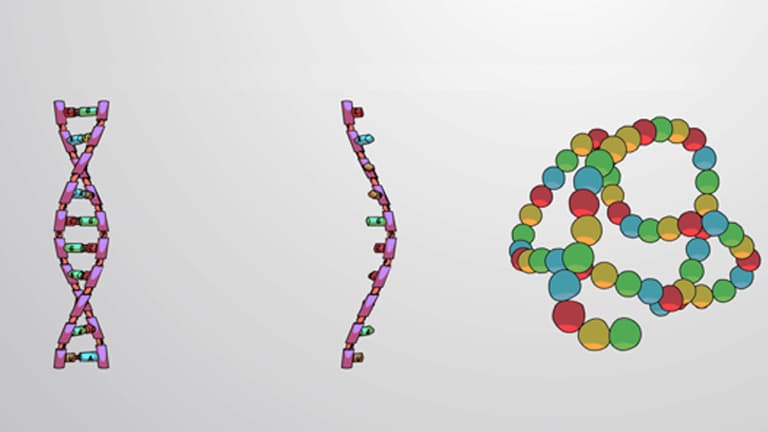
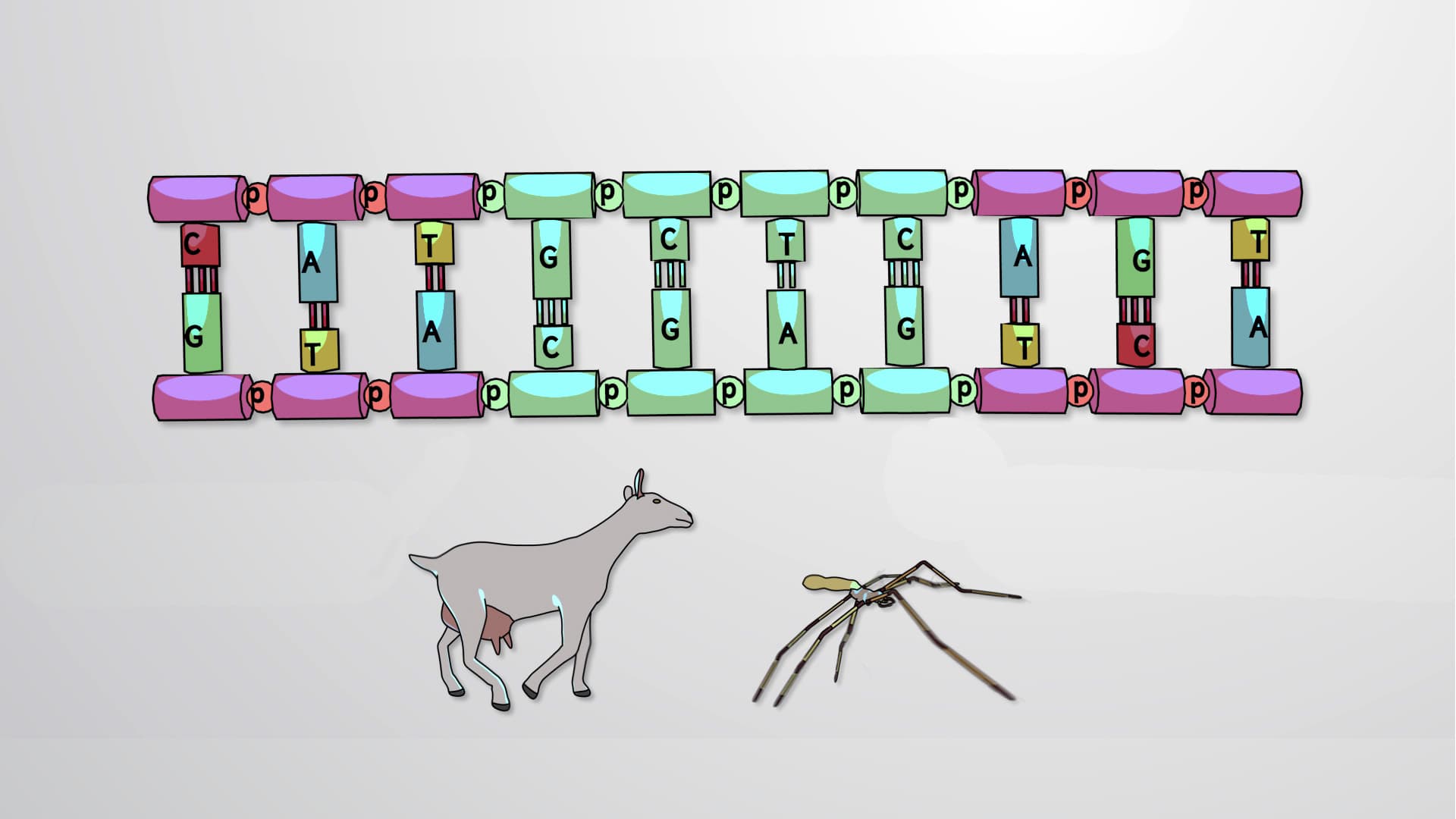
Gene expression is the fundamental biological process by which information encoded in DNA is converted into functional gene products, primarily proteins. This process allows genetically identical cells to develop specialized functions-explaining why neurons conduct electrical signals while liver cells detoxify substances, despite sharing the same DNA sequence.
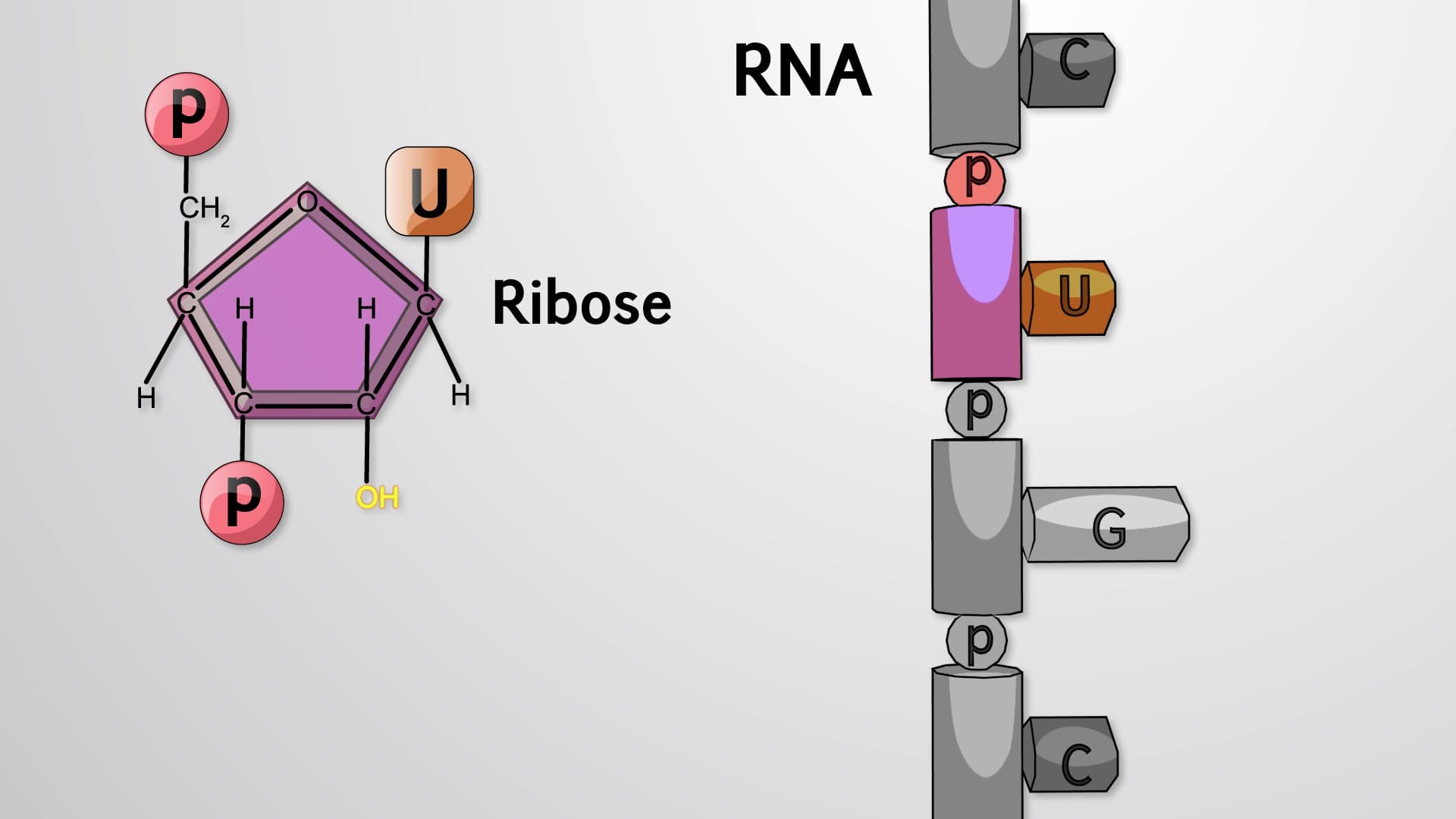
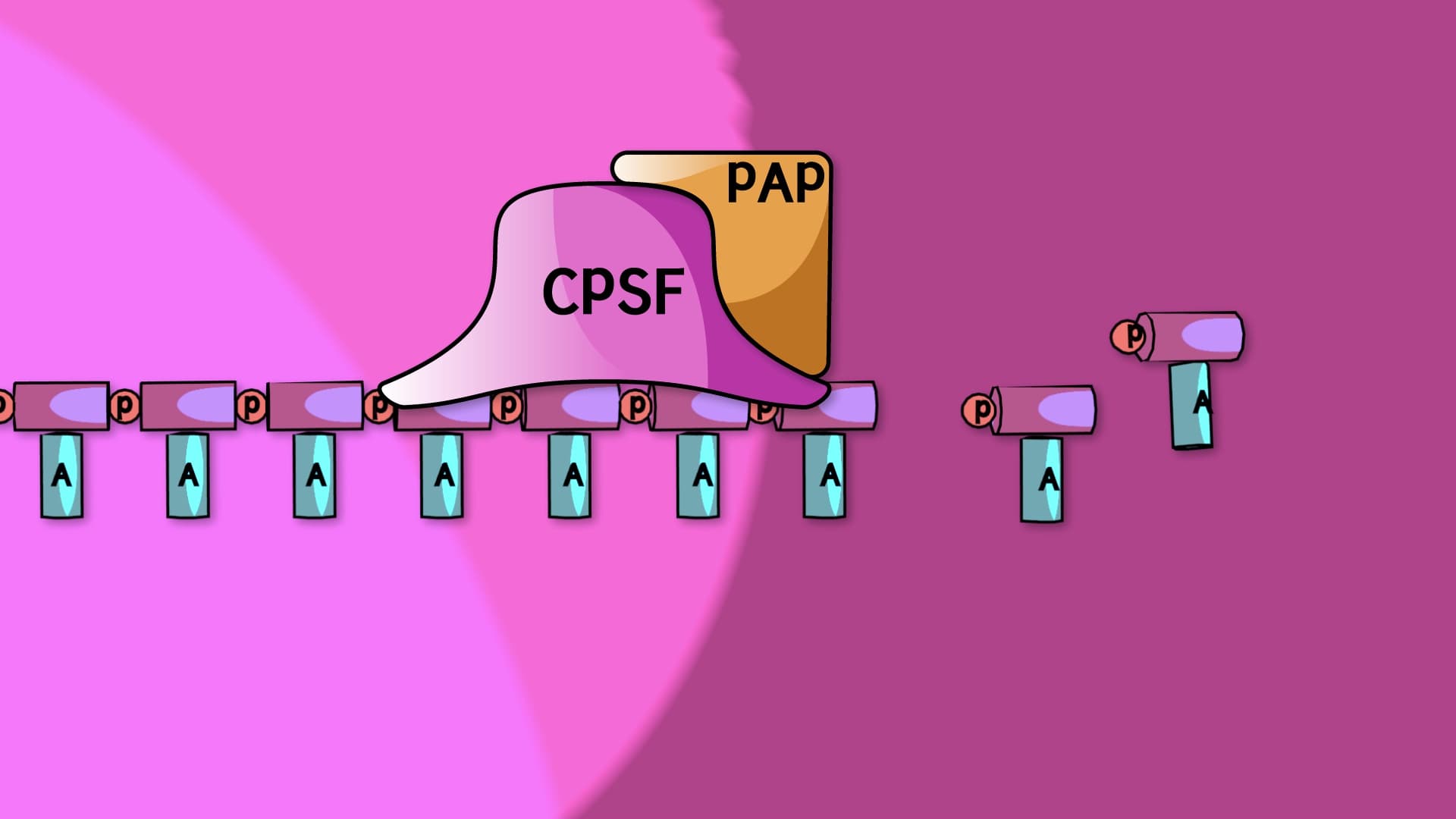
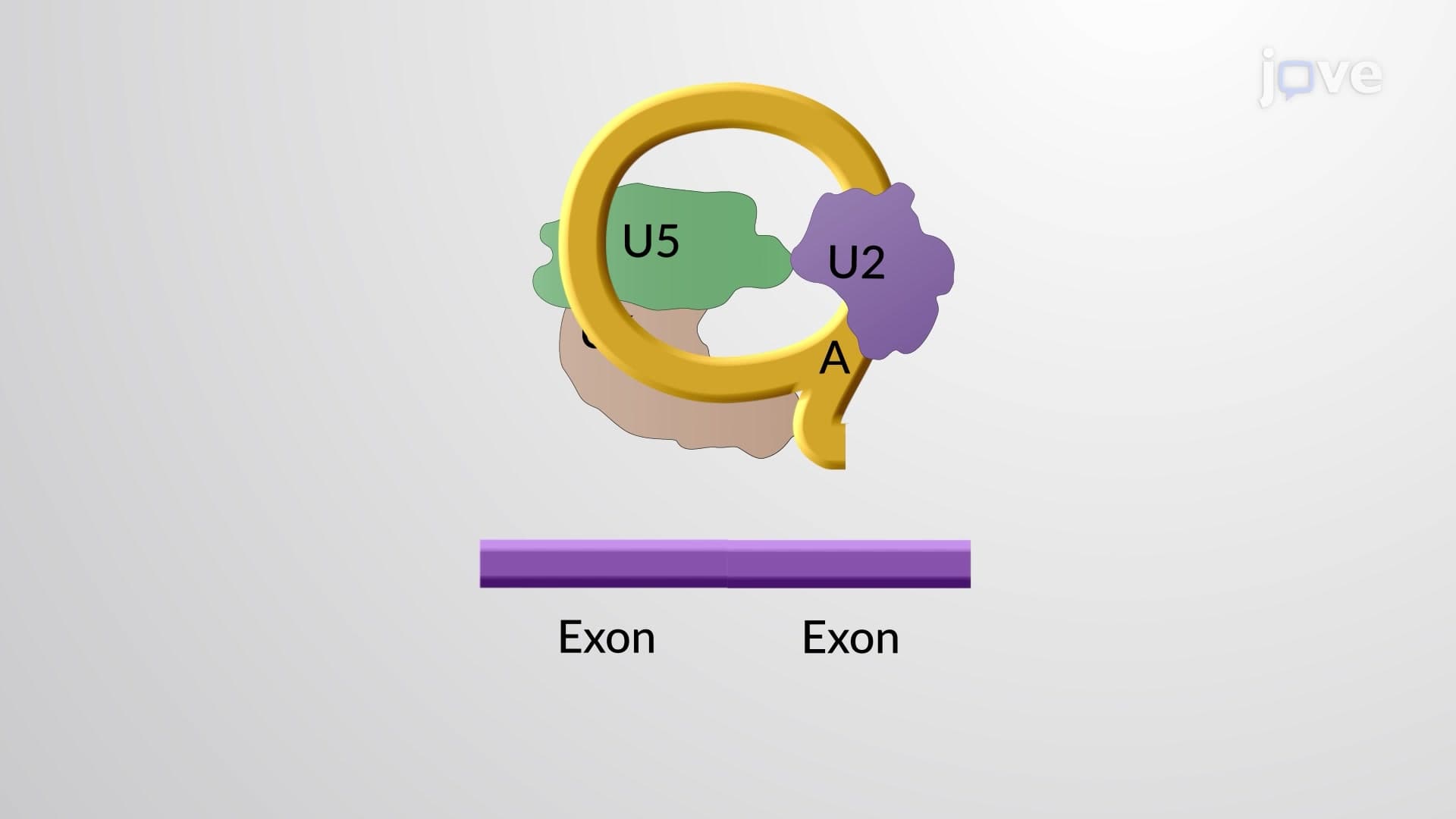
Gene expression follows the central dogma of molecular biology: DNA → RNA → Protein. Transcription occurs in the nucleus, where DNA serves as a template for RNA polymerase to synthesize pre-mRNA. This initial transcript undergoes extensive processing, including the removal of non-coding sequences (introns) and retention of protein-coding sequences (exons) through splicing.
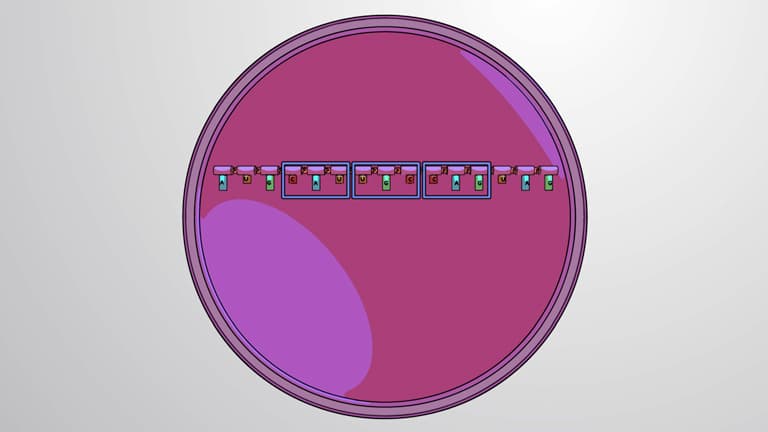
The processed mRNA then travels to ribosomes in the cytoplasm for translation. Transfer RNA (tRNA) molecules read three-nucleotide codons on the mRNA, delivering corresponding amino acids to build polypeptide chains. These chains fold into functional proteins that carry out cellular tasks.
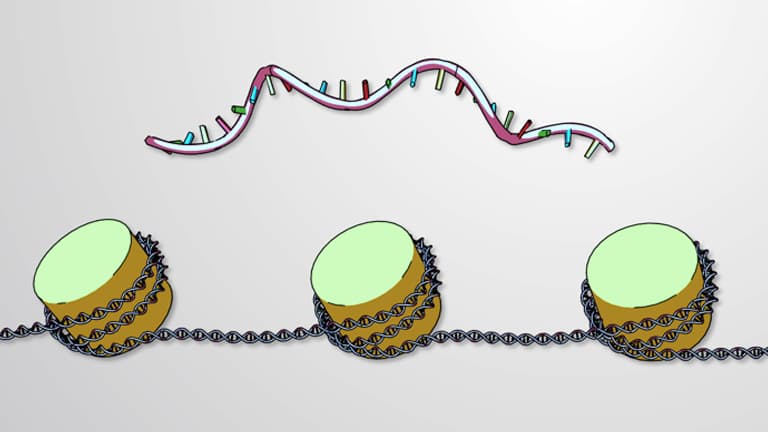
Gene expression regulation occurs at multiple levels, providing cells with precise control over protein production. Epigenetic modifications, such as DNA methylation and histone acetylation, can silence or activate genes without altering the underlying DNA sequence. These modifications are crucial in development-for instance, muscle-specific genes become activated during myoblast differentiation.
Post-transcriptional regulation also plays vital roles. MicroRNAs (miRNAs) can bind to complementary sequences on mRNA molecules, preventing translation or promoting mRNA degradation. This mechanism is particularly important in cancer research, where dysregulated miRNAs contribute to tumor development.
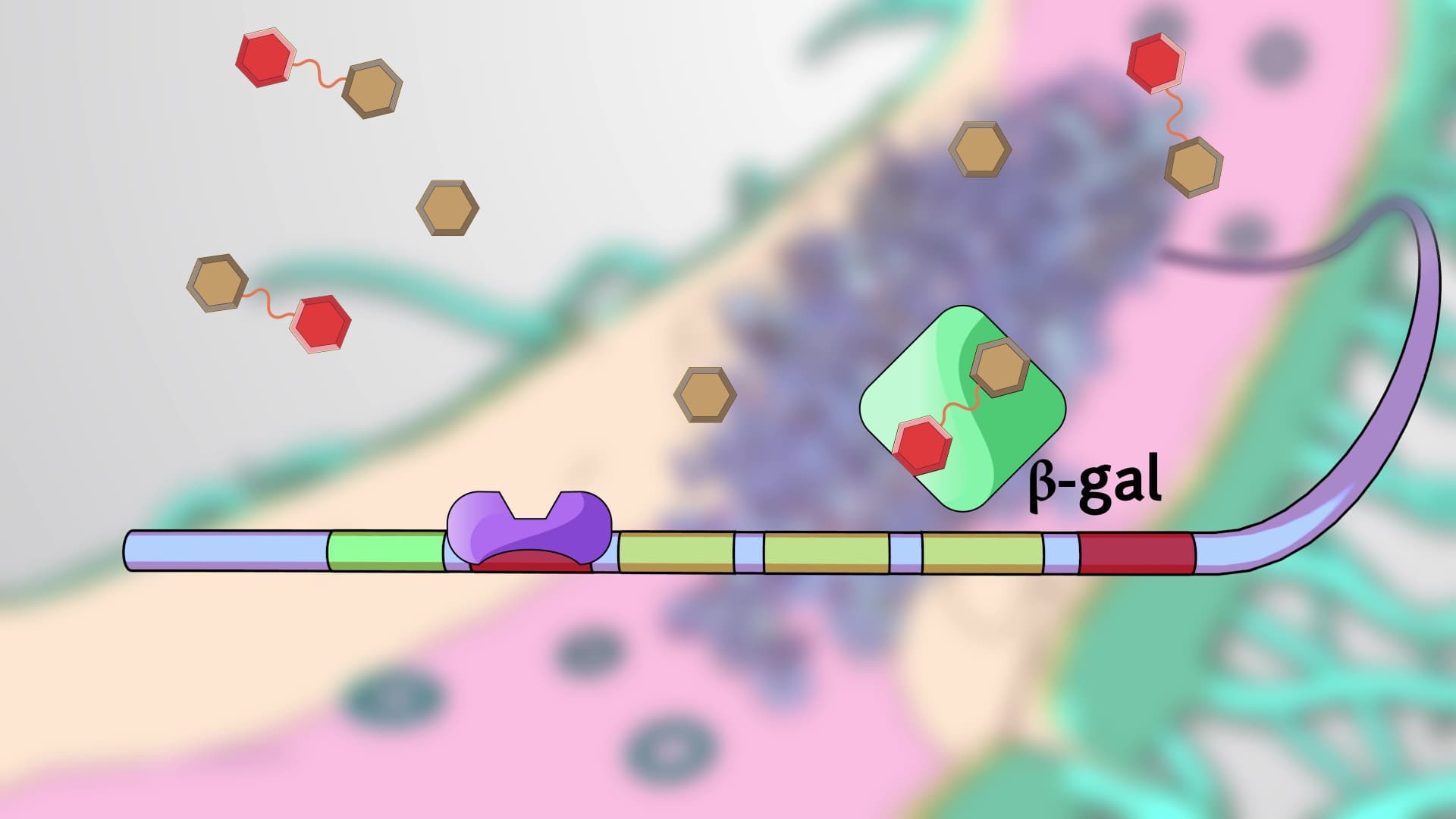
Understanding gene expression is essential for modern medicine and biotechnology. In personalized medicine, gene expression profiling helps oncologists at institutions like MD Anderson Cancer Center select targeted therapies based on tumor-specific expression patterns. Similarly, pharmaceutical companies use gene expression analysis to identify drug targets and assess treatment efficacy.
For students preparing for AP Biology or college-level genetics courses, mastering gene expression concepts is crucial for understanding inheritance patterns, developmental biology, and molecular medicine applications frequently tested on standardized exams.
Related Micro-courses