Loading video…


 12 Concepts
 824.1K views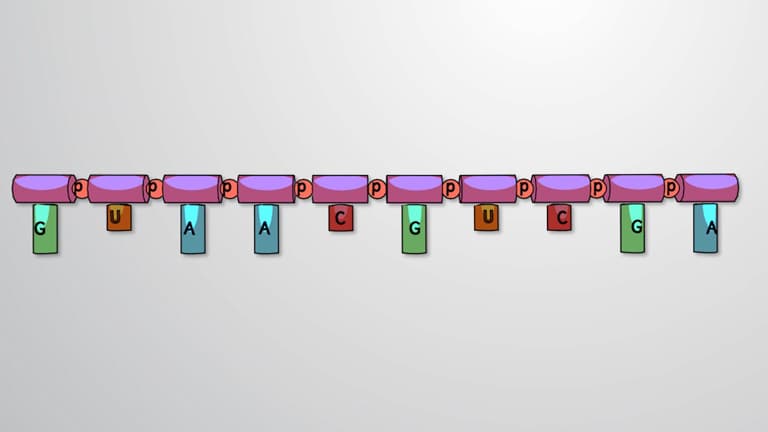

Video Summary: What Is RNA Structure
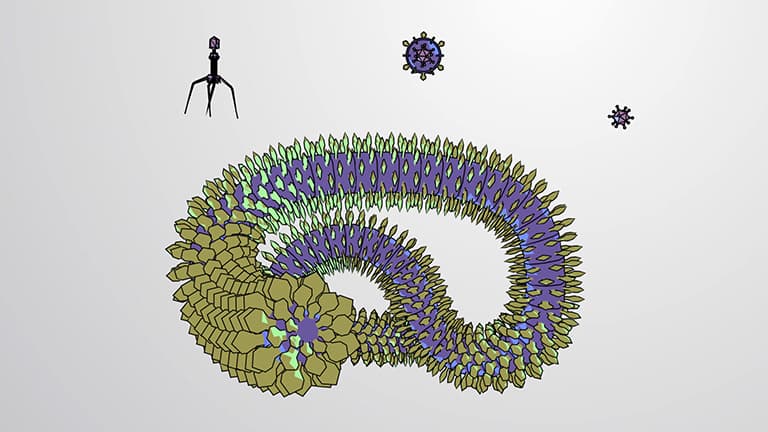
Every time you catch a cold, RNA structure determines how viruses hijack your cells to replicate themselves. RNA structure forms the molecular foundation for protein synthesis, with each nucleotide containing ribose sugar, phosphate groups, and nitrogenous bases that create the blueprint for life. From developing COVID-19 vaccines at Moderna to understanding genetic disorders at Johns Hopkins Medical Center, scientists rely on RNA structure principles daily. Watch the full video on JoVE Coach to master this concept with expert-led visuals and step-by-step explanations.
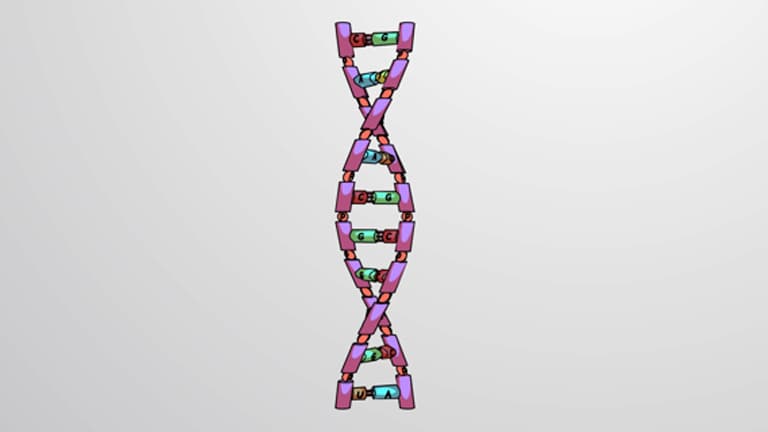
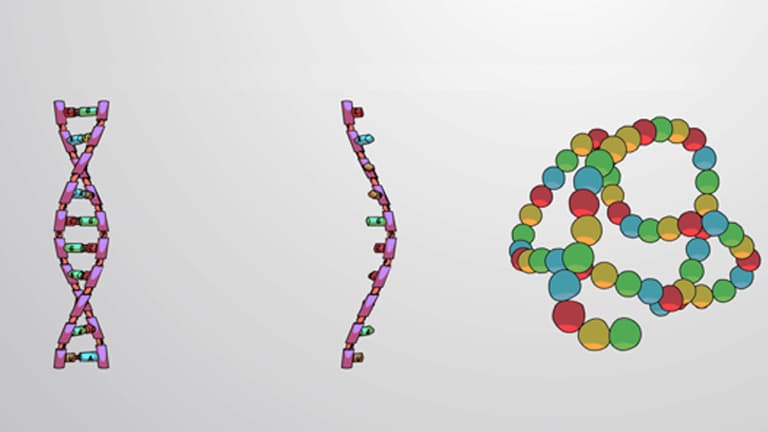
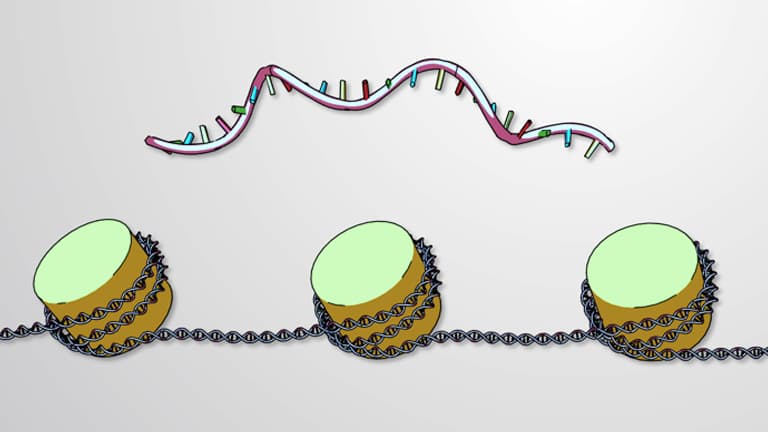
What is RNA structure serves as one of biology's most crucial concepts, forming the basis for protein synthesis and gene expression in every living organism. Unlike DNA's famous double helix, RNA adopts a single-stranded configuration that enables remarkable functional versatility. This structural difference allows RNA molecules to fold into complex three-dimensional shapes, enabling them to serve as enzymes (ribozymes), regulatory molecules, and information carriers.
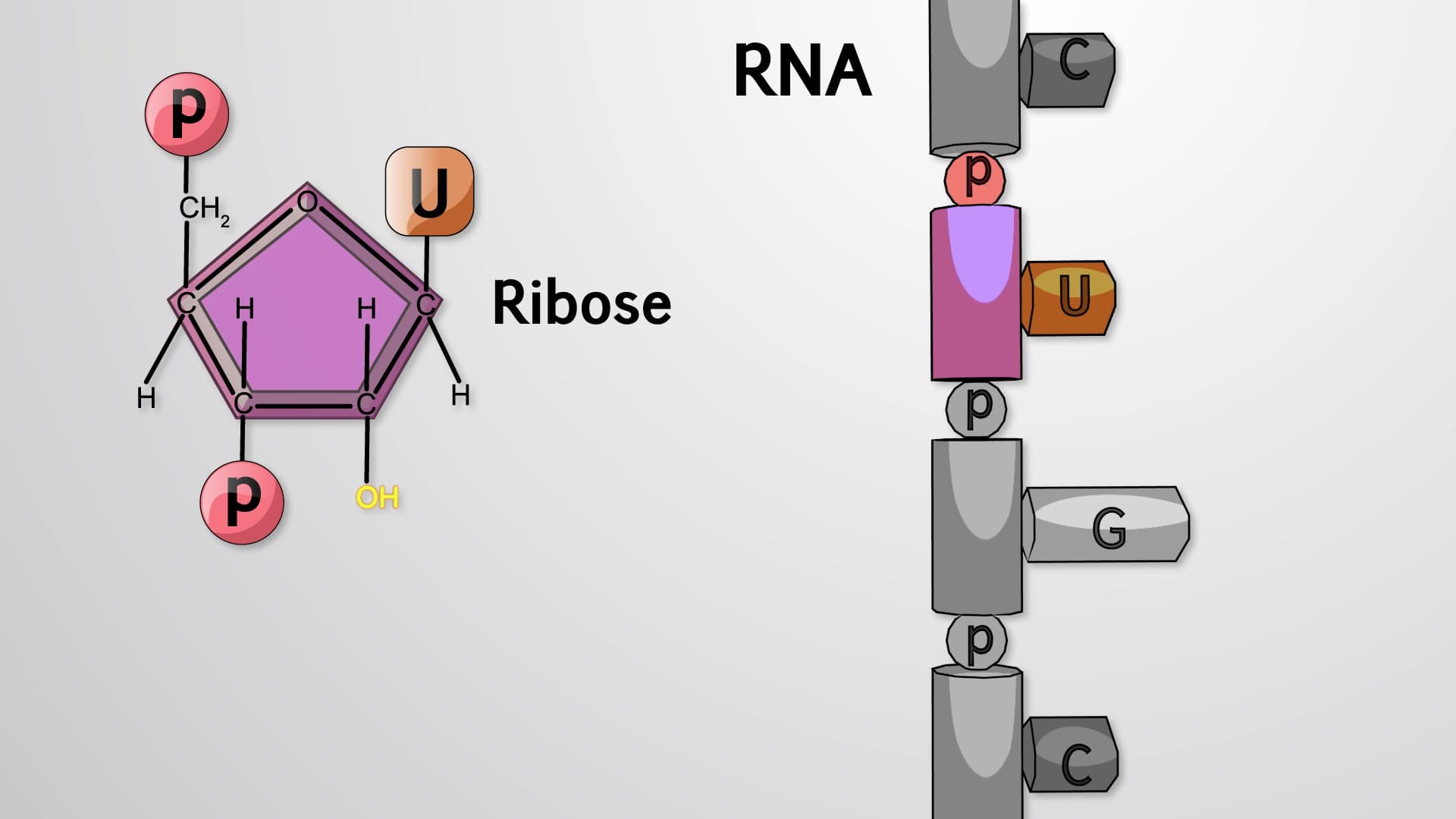
Each RNA nucleotide contains three essential components working in perfect coordination. The ribose sugar provides the structural backbone, featuring a critical hydroxyl group on the 2' carbon that distinguishes RNA from DNA. This seemingly minor difference creates major functional consequences-the extra hydroxyl group makes RNA less chemically stable but more reactive, enabling catalytic activities impossible for DNA.
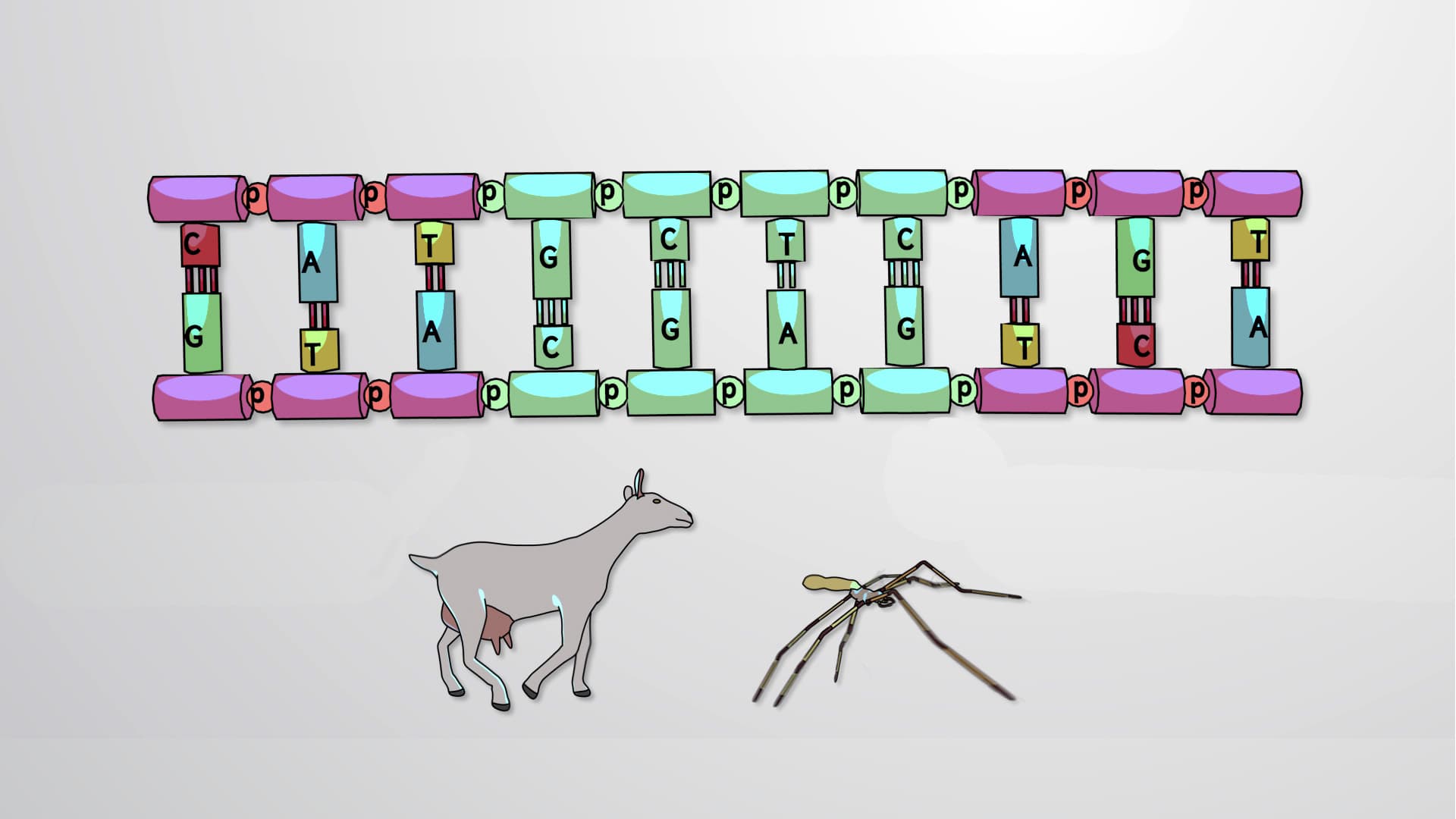
The phosphate group creates the negative charge that gives RNA its acidic properties, while the four nitrogenous bases-adenine (A), guanine (G), cytosine (C), and uracil (U)-carry the genetic information. Students preparing for the MCAT or AP Biology exams should remember that uracil replaces thymine found in DNA, creating unique base-pairing rules during transcription.
During transcription, RNA polymerase reads DNA templates and synthesizes complementary RNA strands following specific pairing rules. Adenine in DNA pairs with uracil in RNA, while guanine pairs with cytosine. This process occurs constantly in human cells-researchers at the National Institutes of Health estimate that each cell transcribes thousands of genes daily to maintain normal function.
The sugar-phosphate backbone forms through phosphodiester bonds connecting the 5' phosphate of one nucleotide to the 3' hydroxyl of the next. This creates RNA's inherent directionality, with synthesis always proceeding 5' to 3'. College students studying biochemistry should understand this directionality explains why genetic codes read in specific directions and why mutations in splice sites cause genetic diseases like sickle cell anemia.
Related Micro-courses