Loading subject page…


824,133 views

Video Summary: What Is Epigenetic Regulation
Did you know that identical twins can develop different diseases despite sharing the same DNA? This happens because of epigenetic regulation, heritable changes in gene expression that don't alter the genetic sequence itself. In the United States, researchers at the National Institutes of Health study how environmental factors like diet and stress can trigger these changes, affecting everything from cancer risk to mental health. Understanding what is epigenetic regulation reveals how our lifestyle choices can literally reprogram our genes. Watch the full video on JoVE Coach to master this concept with expert-led visuals and step-by-step explanations.
Epigenetic regulation represents one of biology's most fascinating discoveries: genes can be turned on or off without changing their underlying DNA sequence. Unlike genetic mutations that permanently alter nucleotide sequences, epigenetic modifications create reversible chemical "tags" that influence gene activity. This regulatory system explains why liver cells and brain cells function so differently despite containing identical genetic information.
The concept gained prominence in US medical research when scientists realized that environmental factors could influence gene expression patterns that persist across generations. For example, studies of survivors from the Dutch Hunger Winter of 1944-1945 revealed that prenatal malnutrition created epigenetic changes affecting metabolism in their children and grandchildren.
DNA methylation involves adding methyl groups (CH3) to cytosine bases, particularly in CpG dinucleotides. When methylation occurs in gene promoter regions, it typically silences transcription by preventing transcription factors from binding to DNA. This mechanism plays crucial roles in genomic imprinting, X-chromosome inactivation, and tumor suppressor gene silencing in cancer.
US clinical laboratories routinely analyze DNA methylation patterns to diagnose certain cancers and predict treatment responses. The FDA has approved several drugs that target DNA methyltransferases, demonstrating the therapeutic importance of understanding these epigenetic mechanisms.
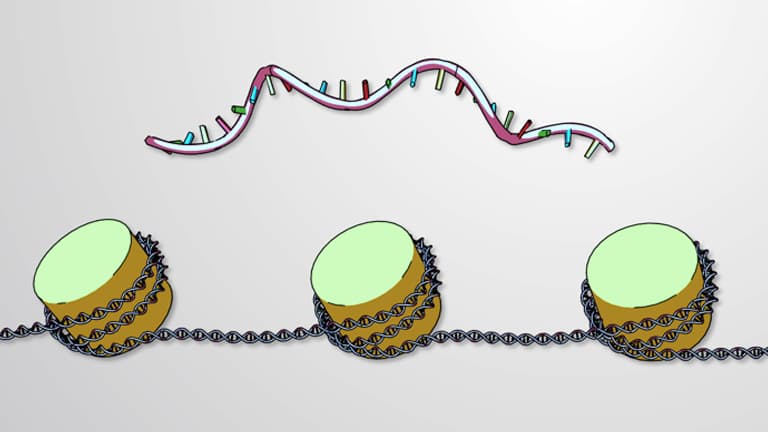
Histone proteins act like spools around which DNA winds to form chromatin. Chemical modifications to these proteins create a complex regulatory code. Histone acetylation generally promotes gene expression by relaxing chromatin structure, while histone methylation can either activate or repress genes depending on the specific amino acid residue modified.
Students preparing for AP Biology or college-level genetics courses should understand that histone deacetylase (HDAC) inhibitors represent an important class of cancer drugs, highlighting the clinical relevance of chromatin modifications.
Non-coding RNAs, including microRNAs (miRNAs) and small interfering RNAs (siRNAs), regulate gene expression post-transcriptionally. These molecules can also influence chromatin structure and DNA methylation patterns, creating feedback loops that maintain epigenetic states across cell divisions.
Recent advances in RNA therapeutics, including FDA-approved siRNA drugs for treating genetic diseases, demonstrate how understanding epigenetic regulation translates into medical breakthroughs that benefit patients across the United States.
Related Micro-courses