Loading video…


 12 Concepts
 824.1K views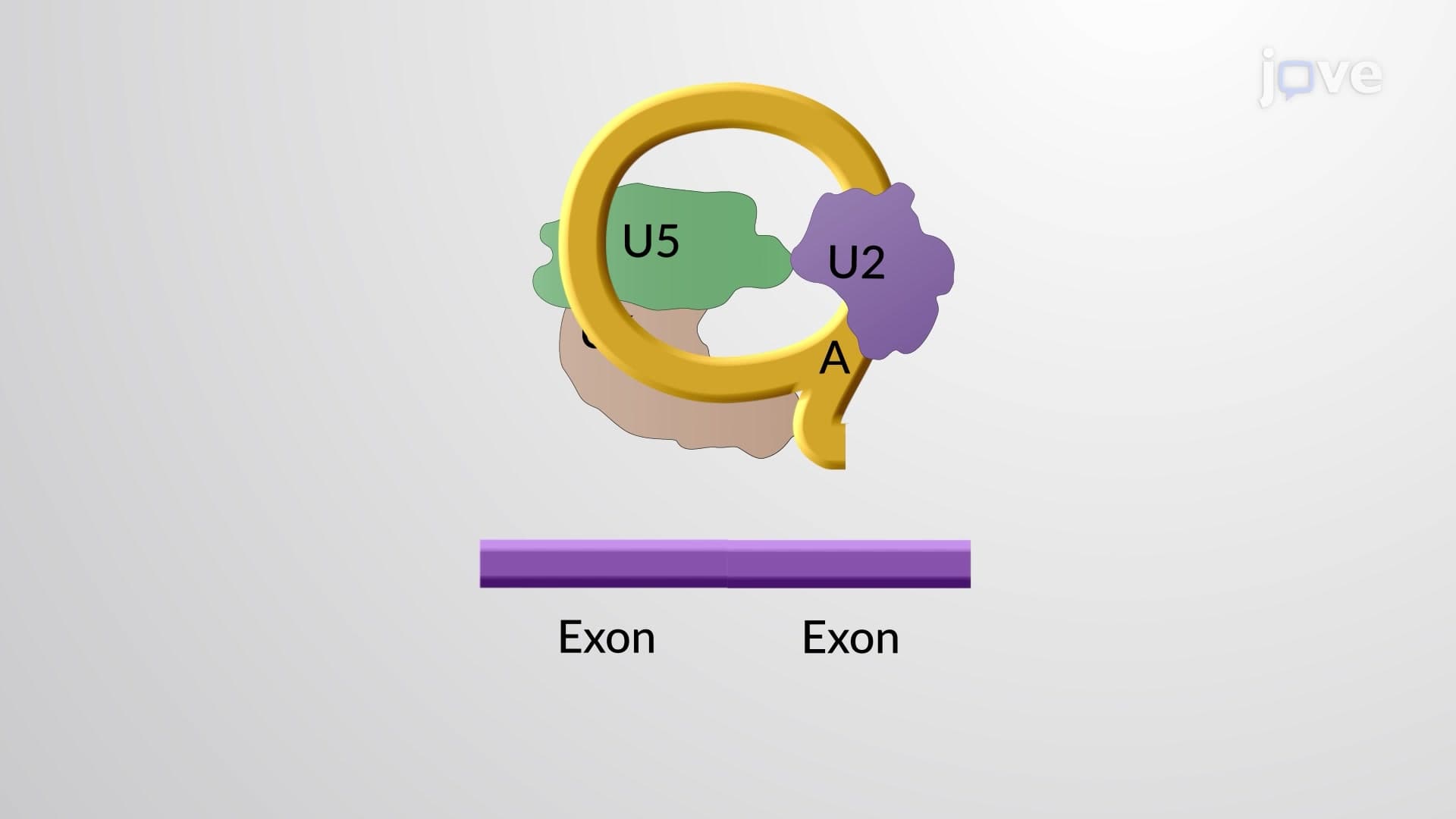

Video Summary: What Is RNA Splicing
Did you know that only about 2% of your DNA actually codes for proteins, yet your cells produce thousands of different proteins? RNA splicing is the cellular process that removes non-coding sequences (introns) from pre-mRNA and joins the protein-coding sequences (exons) together, occurring at specialized complexes called spliceosomes. This essential mechanism allows the Stanford University researchers to study how genetic mutations in splicing sites contribute to diseases like cystic fibrosis. Watch the full video on JoVE Coach to master this concept with expert-led visuals and step-by-step explanations.
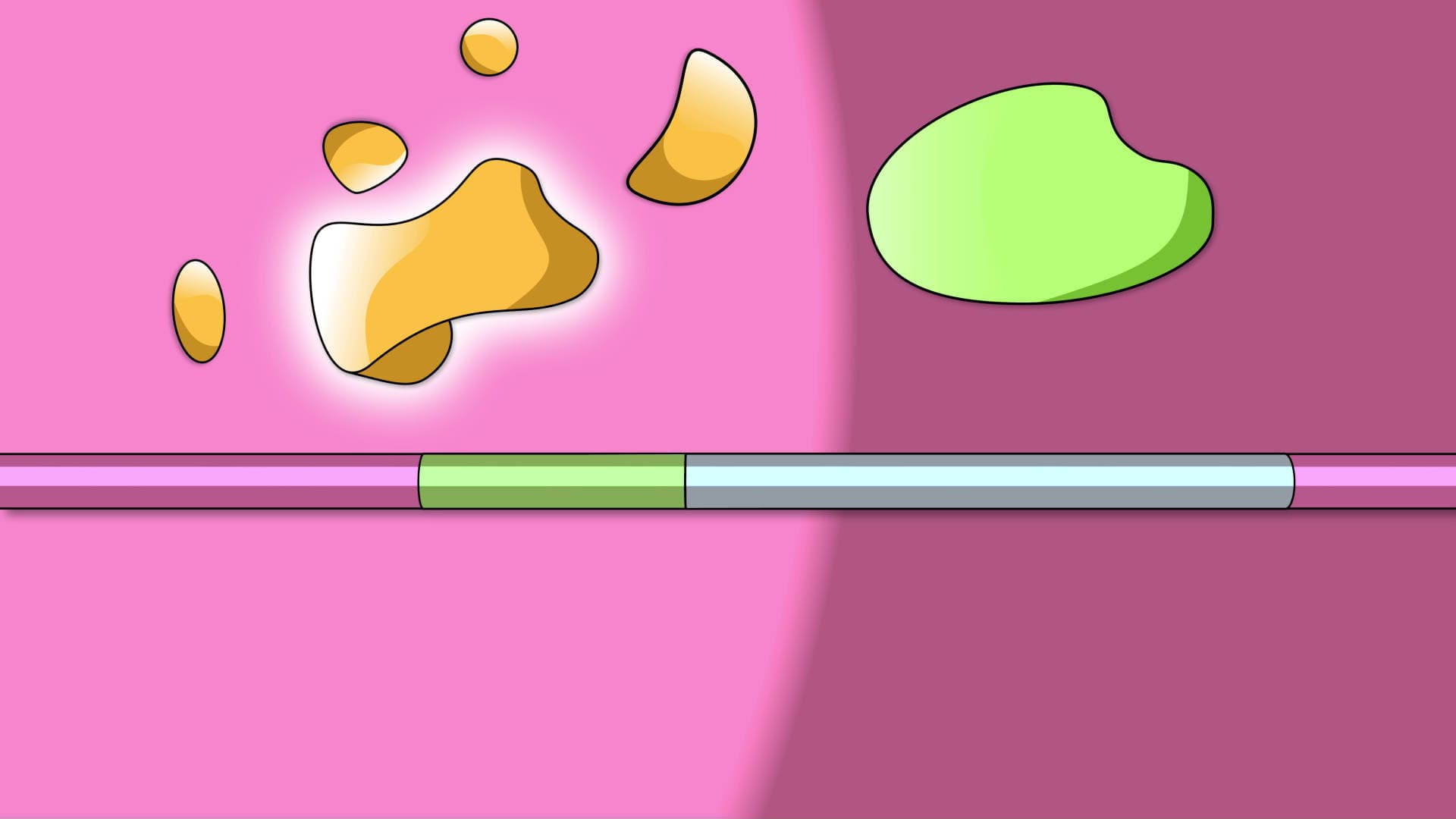
RNA splicing represents one of the most sophisticated molecular processes in eukaryotic cells, transforming the initial transcript (pre-mRNA) into a mature, functional mRNA molecule. This process occurs in the nucleus and is essential for proper gene expression, as the removal of introns and precise joining of exons determines the final protein sequence.
The spliceosome functions as a dynamic ribonucleoprotein complex, assembling anew on each pre-mRNA substrate. The five core snRNPs work in concert: U1 recognizes the 5' splice site through base-pairing interactions, while U2 binds to the branch point sequence containing the critical adenine residue. The tri-snRNP complex (U4/U6•U5) then joins, with U4 and U6 undergoing extensive conformational changes that activate the catalytic center. This assembly process ensures remarkable fidelity, as errors in splicing can lead to genetic diseases-over 15% of human genetic disorders result from splicing mutations.
The splicing reaction proceeds through two coordinated transesterification steps, both catalyzed by the same active site within the spliceosome. In the first step, the 2'-OH group of the branch point adenine attacks the phosphodiester bond at the 5' splice site, creating the characteristic lariat intermediate while releasing the upstream exon. The second transesterification occurs when the 3'-OH of the free upstream exon attacks the 3' splice site, simultaneously joining the exons and releasing the intron lariat for degradation.
Understanding RNA splicing proves crucial for students preparing for advanced coursework and standardized exams. The MCAT frequently tests splicing mechanisms in its biochemistry sections, while AP Biology students encounter this topic when studying gene expression regulation. Medical students studying genetic diseases often examine splicing defects in conditions like β-thalassemia, where mutations in splice sites reduce functional hemoglobin production. Research institutions like the National Institutes of Health actively investigate splicing therapeutics, including antisense oligonucleotides that can correct aberrant splicing patterns in diseases like spinal muscular atrophy.
Related Micro-courses