Loading video…


 12 Concepts
 824.1K views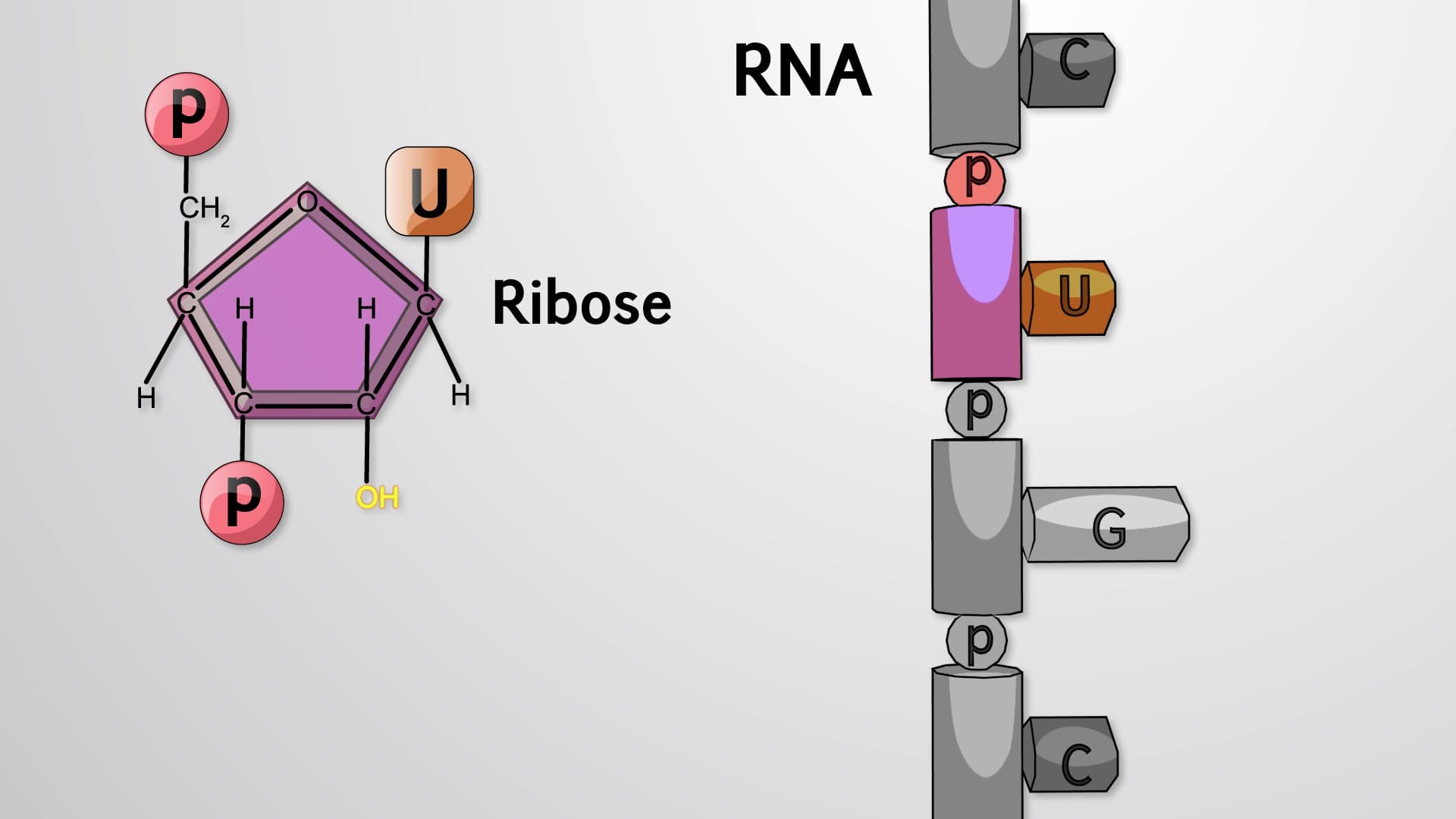

Video Summary: What Is RNA Stability
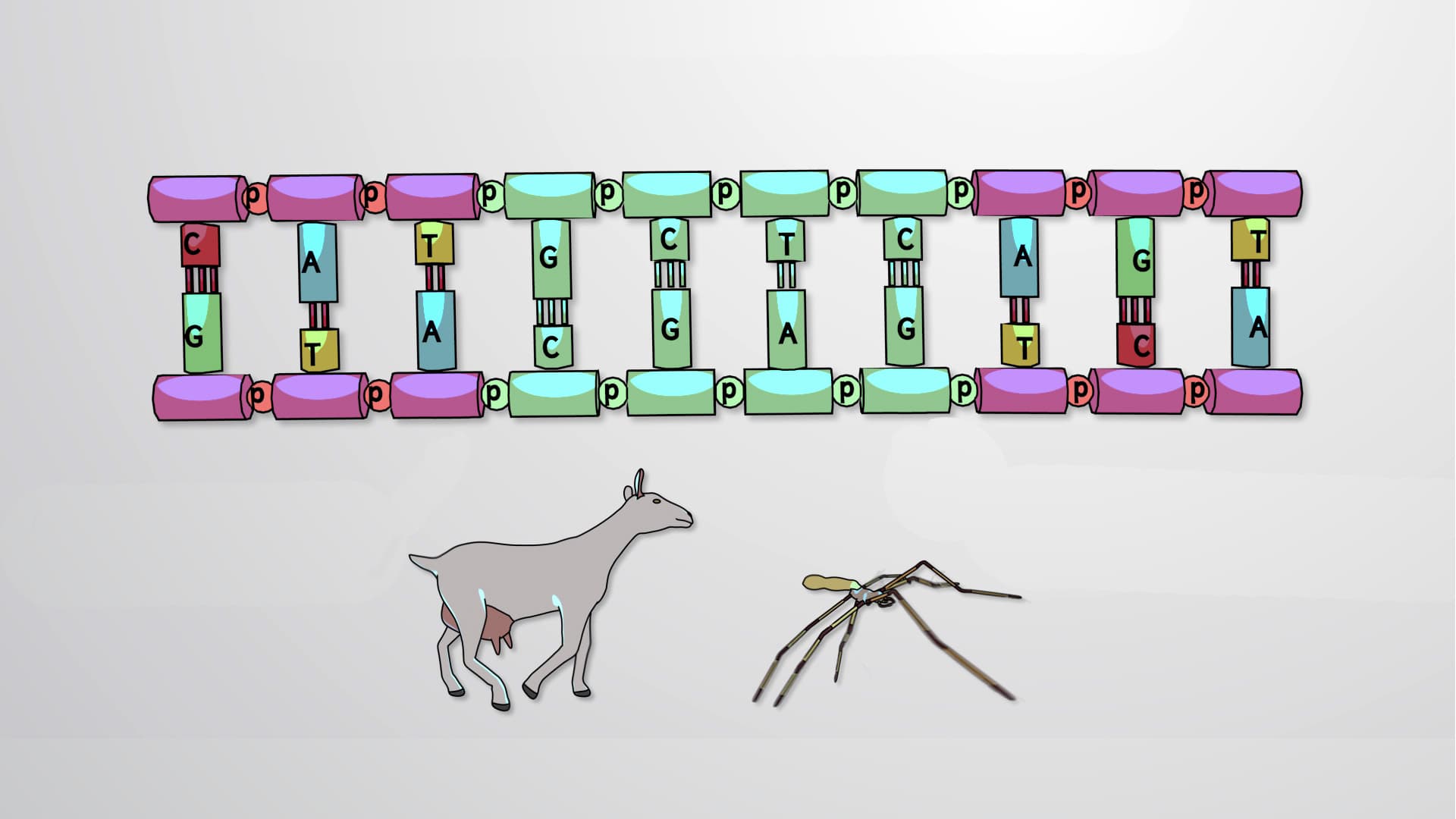
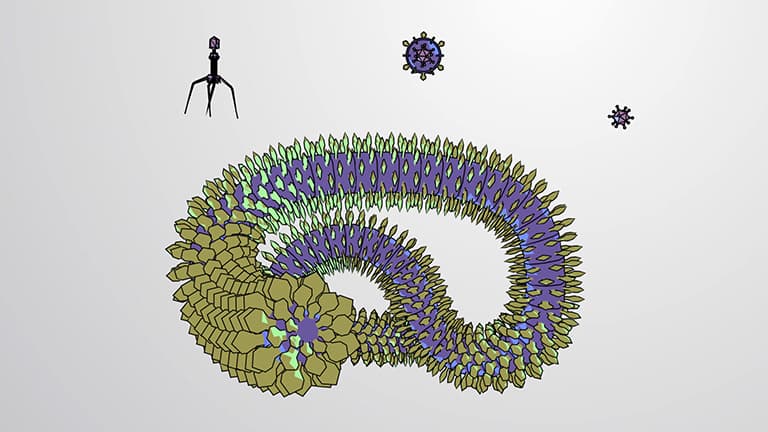
Why do flu vaccines need annual updates while our DNA remains unchanged throughout our lifetime? The answer lies in RNA stability, the inherent fragility that makes RNA molecules far more vulnerable to breakdown than DNA. Unlike the stable double helix storing our genetic blueprint, RNA's single-stranded structure and unique chemical properties make it a temporary messenger in cells. The FDA's ongoing challenges with mRNA vaccine storage temperatures highlight how critical understanding RNA stability is in modern biotechnology. Watch the full video on JoVE Coach to master this concept with expert-led visuals and step-by-step explanations.
RNA stability refers to a molecule's resistance to degradation and structural breakdown over time. This fundamental concept determines how long RNA molecules remain functional in cellular environments. Unlike DNA's remarkable stability that preserves genetic information for decades, RNA serves as a temporary molecular messenger with built-in instability that serves important biological purposes.
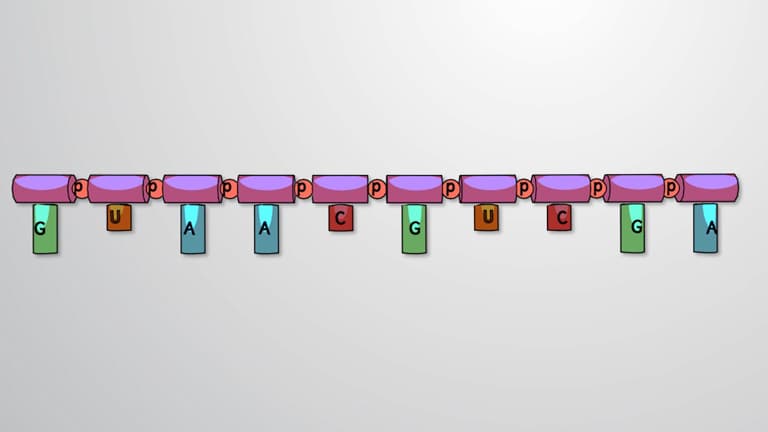
The chemical foundation of RNA's inherent instability lies in its sugar backbone. Ribose, RNA's five-carbon sugar, contains a hydroxyl (-OH) group at the 2' carbon position that DNA's deoxyribose lacks. This seemingly small difference creates a major vulnerability. In basic cellular conditions, this hydroxyl group can lose its hydrogen atom, leaving behind a negatively charged oxygen. This charged oxygen then attacks the adjacent phosphate bond, literally breaking the RNA backbone. This chemical reaction, called alkaline hydrolysis, cannot occur in DNA due to the absence of the 2' hydroxyl group.
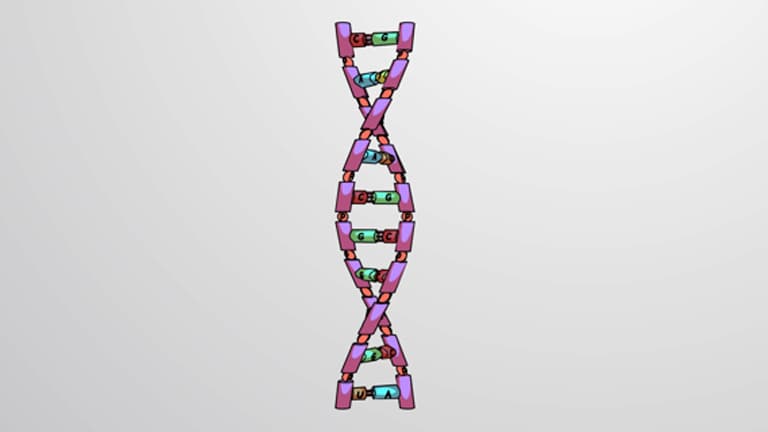
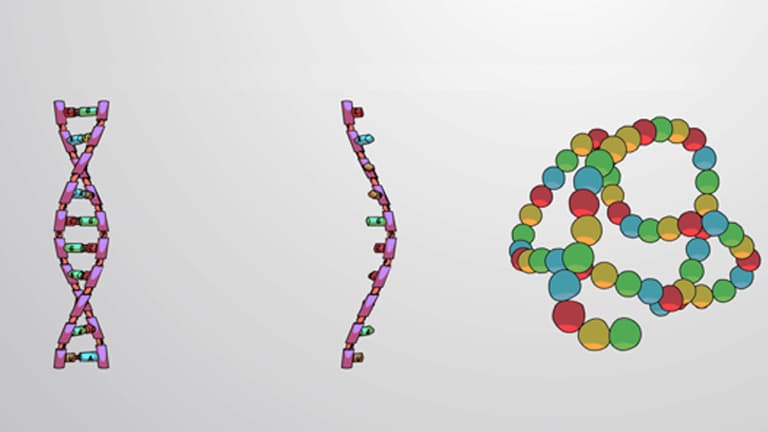
RNA's predominantly single-stranded nature represents another critical stability factor. While DNA forms stable double helices with complementary base pairing providing mutual protection, most RNA molecules exist as single strands. This exposes the vulnerable sugar-phosphate backbone to enzymatic attack and chemical degradation. The shorter length of most RNA molecules compared to chromosomal DNA also increases their vulnerability, with more exposed ends relative to their total length, RNA molecules face greater risks of degradation from both ends simultaneously.
In AP Biology and college biochemistry courses, students often encounter questions comparing DNA and RNA stability. Understanding these molecular differences helps explain why cells must continuously synthesize RNA while DNA replication occurs only during cell division. Medical students preparing for the MCAT frequently see questions testing this concept in the context of gene expression regulation.
Cells actively control RNA stability through sophisticated regulatory mechanisms. RNases, specialized enzymes that cleave RNA, constantly patrol the cytoplasm to degrade RNA molecules no longer needed for protein synthesis. This quality control prevents cellular resource waste and allows rapid responses to changing conditions.
RNA-binding proteins add another layer of regulation by recognizing specific sequence elements. The AU-rich elements (AREs) found in many mRNA 3' untranslated regions serve as binding sites for proteins with opposing functions. Some stabilize the mRNA, extending its functional lifetime, while others recruit degradation machinery for rapid breakdown. This regulatory system allows cells to fine-tune gene expression by controlling mRNA availability for translation.
Understanding RNA stability has profound implications in modern medicine and biotechnology. The development of mRNA vaccines for COVID-19 required solving significant stability challenges through modified nucleotides and specialized storage conditions. Pharmaceutical companies developing RNA therapeutics must engineer increased stability to ensure drug effectiveness. Research laboratories studying gene expression rely on RNA stability principles to design experiments and interpret results accurately.
Related Micro-courses