Loading video…


 12 Concepts
 824.1K views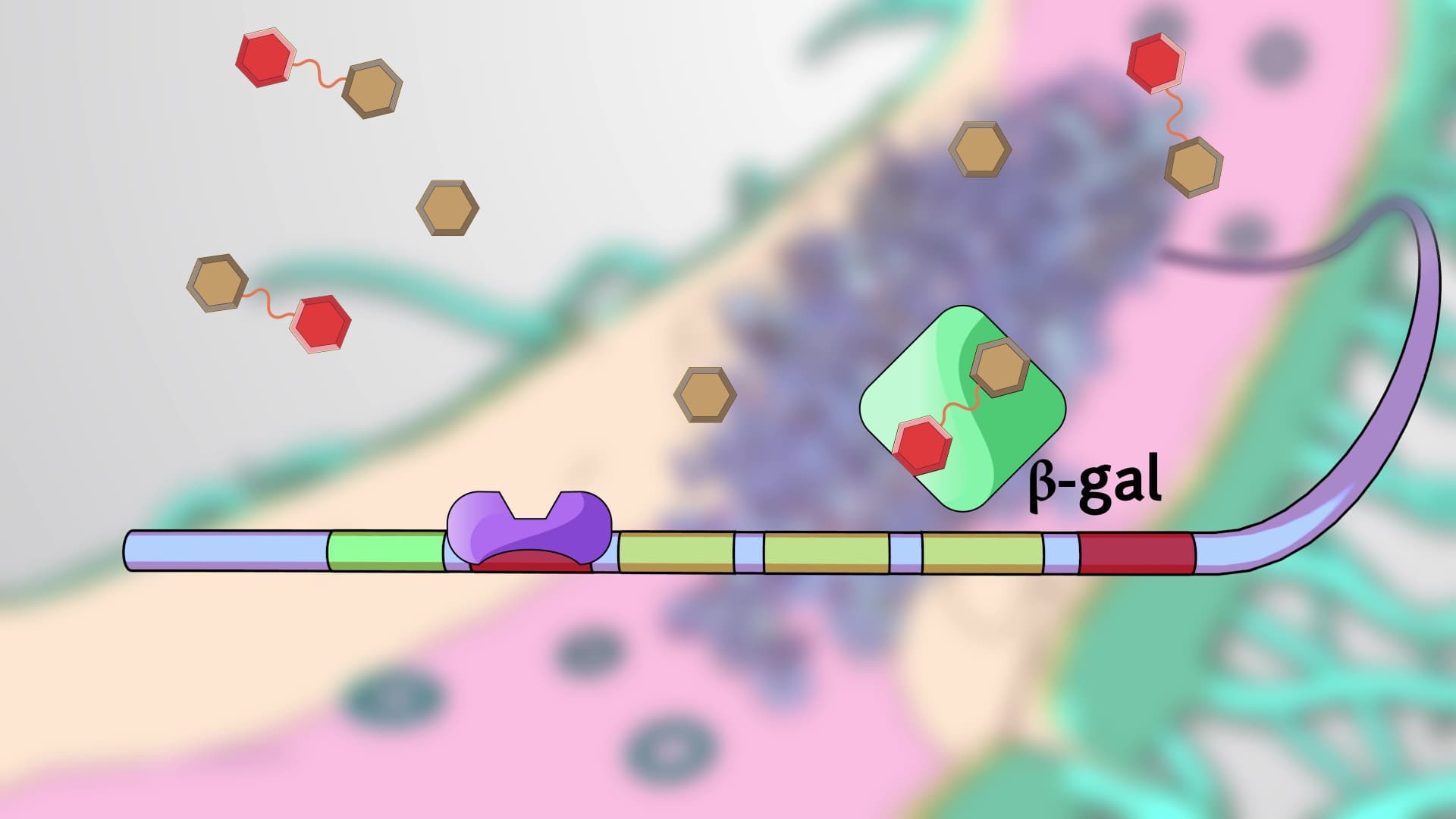

Video Summary: What Is Operons
Ever wondered how bacteria can instantly switch their metabolism when their favorite food source disappears? Operons are the molecular switches that allow bacterial cells to rapidly adapt their gene expression, like how *E. coli* bacteria in the human gut can switch from processing glucose to lactose in minutes. Understanding what is operons reveals one of the most elegant regulatory systems in biology, where multiple genes work together as a coordinated unit to respond to environmental changes. Watch the full video on JoVE Coach to master this concept with expert-led visuals and step-by-step explanations.
Operons represent one of the most fundamental concepts in molecular biology, serving as the primary mechanism by which prokaryotic organisms coordinate gene expression. An operon is essentially a cluster of genes that are transcribed together as a single unit, allowing bacteria to efficiently respond to environmental changes. This coordinated system enables organisms like *Escherichia coli* to rapidly adjust their metabolism when facing different nutrient conditions in environments ranging from laboratory cultures to the human digestive tract.
The operons definition encompasses several critical regulatory elements working in concert. Each operon contains structural genes (the protein-coding sequences), a promoter region where RNA polymerase binds to initiate transcription, an operator sequence that serves as a binding site for regulatory proteins, and terminator sequences that signal the end of transcription. This arrangement allows multiple related genes to be controlled by a single regulatory mechanism, creating an efficient system for coordinating cellular responses.
The lac operon serves as the classic example taught in AP Biology and college-level genetics courses. This system includes three structural genes: *lacZ* (encoding β-galactosidase), *lacY* (encoding permease), and *lacA* (encoding transacetylase). Together, these enzymes enable bacteria to transport and metabolize lactose, demonstrating how operons concept explained reveals the elegant coordination of related metabolic functions.
What makes operons particularly sophisticated is their ability to integrate multiple environmental signals through both negative and positive regulatory mechanisms. The lac operon exemplifies this complexity through its response to both glucose and lactose availability. When glucose is abundant, the lac repressor protein binds to the operator, blocking transcription-this represents negative control. Simultaneously, low glucose levels trigger increased cyclic AMP (cAMP) production, which forms a complex with the catabolite activator protein (CAP) to enhance transcription-this is positive control.
This dual control system appears frequently on standardized tests like the MCAT and AP Biology exam, where students must analyze how bacteria prioritize glucose utilization over lactose metabolism. Understanding this concept is crucial for pre-med students, as similar regulatory principles apply to human metabolic disorders and pharmaceutical interventions.
Operons have profound implications in medical and biotechnology fields. Antibiotic resistance often spreads through horizontal gene transfer of resistance operons, making this concept essential for understanding bacterial pathogenesis. In biotechnology, researchers manipulate operon-like systems to produce recombinant proteins in bacterial hosts, including insulin production for diabetic patients and growth hormone synthesis for treating growth disorders.
Students preparing for health science programs should recognize that while humans lack operons (our genes are individually regulated), understanding bacterial gene regulation remains critical for fields like infectious disease medicine, pharmaceutical development, and microbiome research.
Related Micro-courses