Loading video…

 5 Concepts
 275.9K views

Video Summary: Mutation Gene Flow and Genetic Drift Explained
Why do Darwin's finches in the Galápagos have different beak shapes despite being closely related? The answer lies in how mutation gene flow genetic processes reshape populations over time. Beyond natural selection, three key mechanisms drive evolutionary change: random mutations creating new genetic variants, gene flow mixing populations through migration, and genetic drift randomly altering allele frequencies in small groups. Consider how Hurricane Sandy in 2012 drastically reduced bird populations along the Eastern seaboard, fundamentally changing their genetic makeup through these very processes. Watch the full video on JoVE Coach to master this concept with expert-led visuals and step-by-step explanations.
Evolution isn't just about "survival of the fittest." Three fundamental processes work alongside natural selection to reshape the genetic landscape of populations: mutation, gene flow, and genetic drift. These mechanisms are essential concepts in AP Biology, college genetics courses, and MCAT preparation, forming the foundation of modern evolutionary theory.
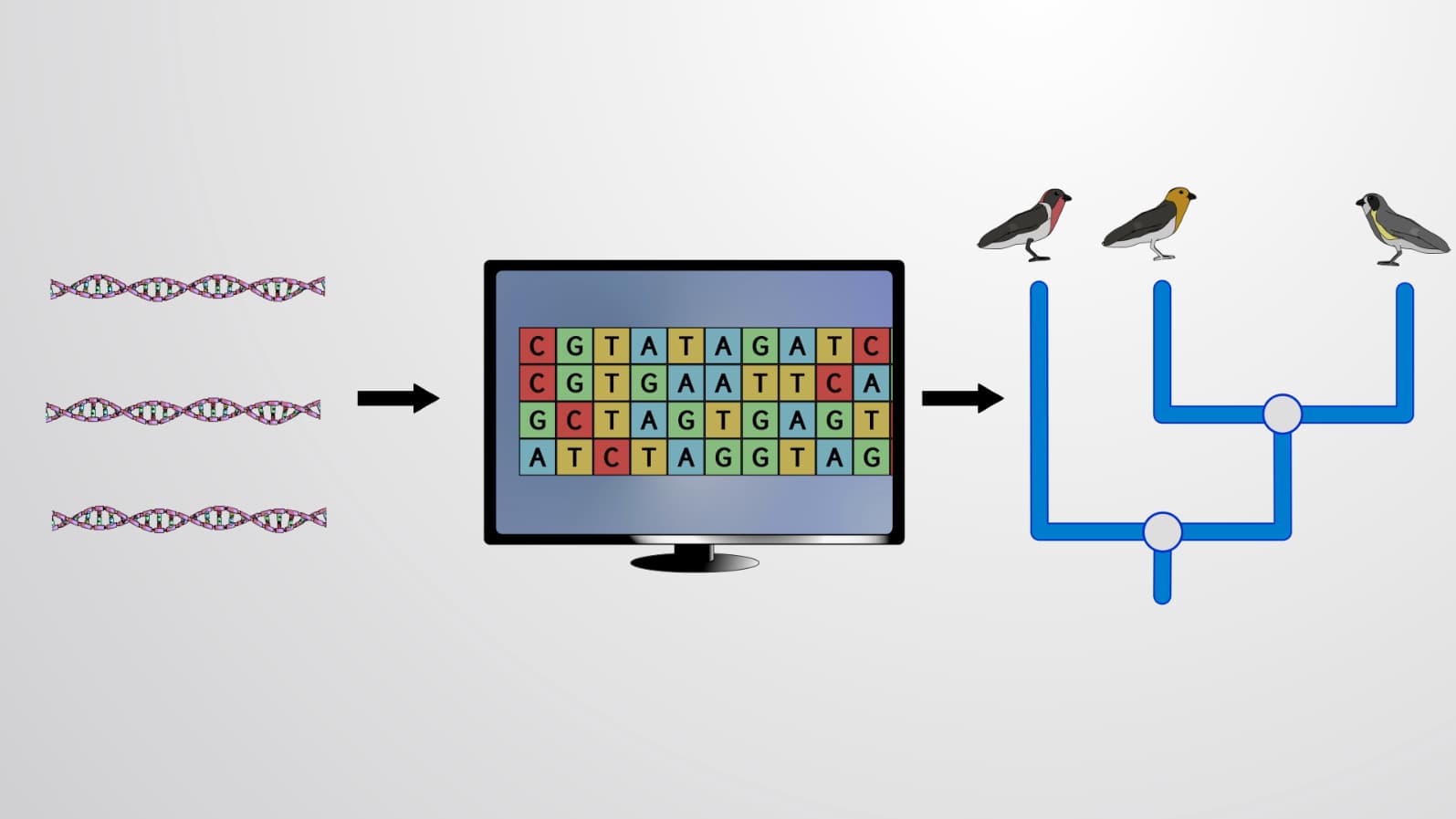
Mutations serve as the ultimate source of all genetic variation. These random changes in DNA sequence occur at predictable rates-approximately 1 in 10 million base pairs per generation in humans. Most mutations are neutral or slightly harmful, but beneficial mutations can spread rapidly through populations. For example, the CCR5-Δ32 mutation, found in about 10% of Northern Europeans, provides resistance to HIV infection. This demonstrates how even recent mutations can have profound impacts on population genetics and public health outcomes.
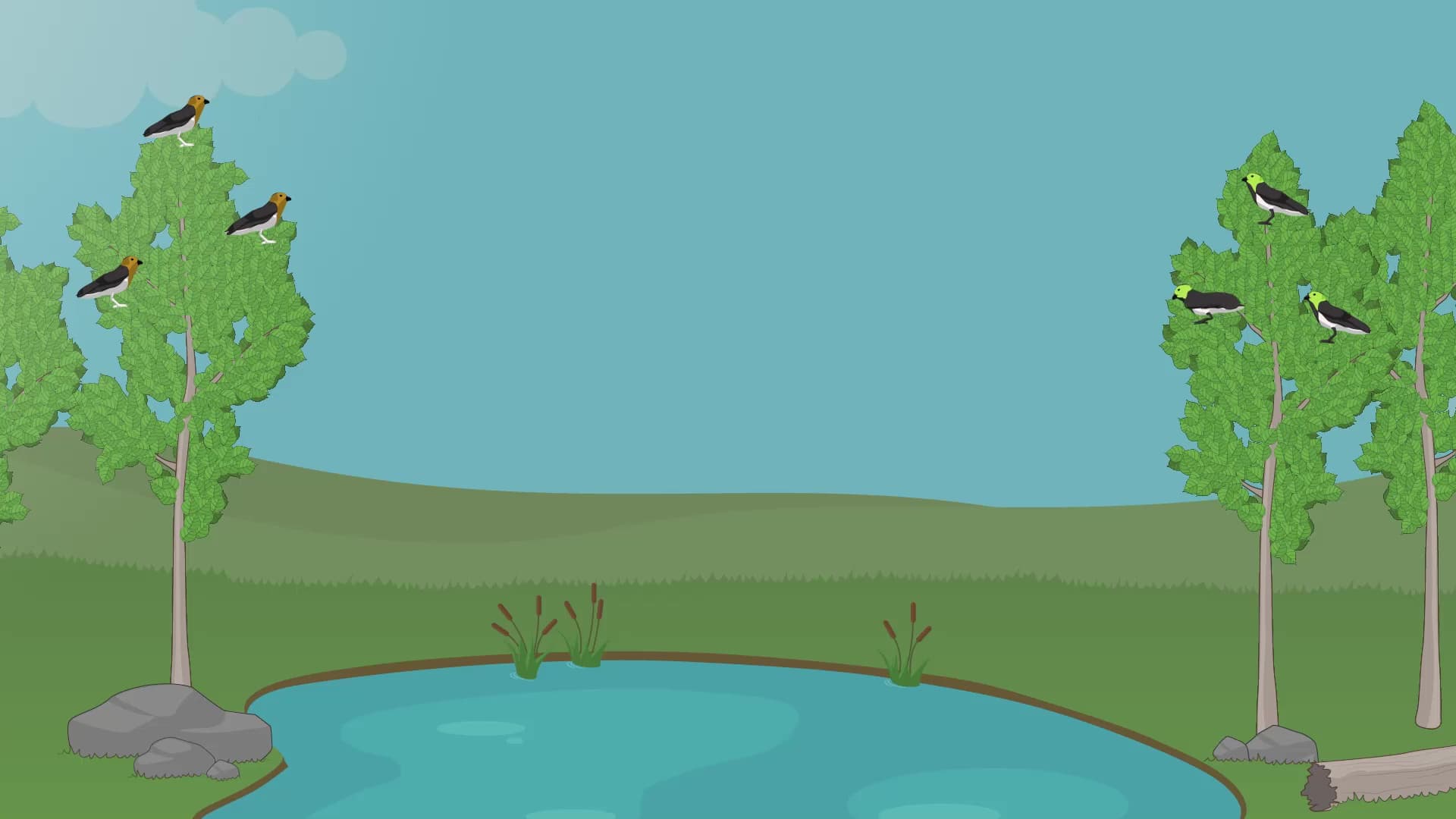
Gene flow occurs when individuals migrate between populations and reproduce, carrying their genes with them. This process homogenizes allele frequencies across connected populations. A classic American example is the reintroduction of wolves to Yellowstone National Park in 1995. Genetic analysis shows that these wolves now exchange genes with Canadian populations, preventing inbreeding and maintaining genetic diversity. Urban environments also facilitate gene flow-studies of house finches show continuous genetic mixing across US cities despite geographic barriers.
Genetic drift becomes pronounced when population sizes shrink, causing random sampling effects that can dramatically alter allele frequencies. The Amish populations of Pennsylvania exemplify this phenomenon. Founded by small groups of European immigrants, these communities exhibit unique genetic profiles due to founder effects and continued small population sizes. Certain genetic disorders, like Ellis-van Creveld syndrome, occur at much higher frequencies in Amish populations than in the general US population.
Understanding these concepts is crucial for MCAT success, where genetic drift problems often appear in biological sciences sections. Students should recognize that drift effects are inversely proportional to population size-smaller populations experience stronger drift effects, while larger populations maintain more stable allele frequencies over time.
Related Micro-courses