Loading video…


 13 Concepts
 1.3M views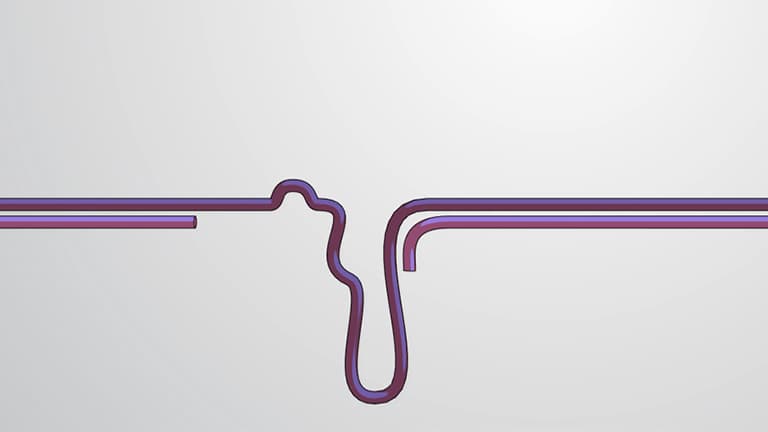

Video Summary: What Is Mismatch Repair
Every time your cells divide, DNA copying errors occur-but your body has a remarkable proofreading system called mismatch repair that catches mistakes DNA polymerase missed. This cellular quality control mechanism prevents mutations that could lead to cancers like colorectal cancer, which affects over 150,000 Americans annually. Mismatch repair proteins act like molecular editors, identifying wrongly paired DNA bases and fixing them before they become permanent errors. Watch the full video on JoVE Coach to master this concept with expert-led visuals and step-by-step explanations.
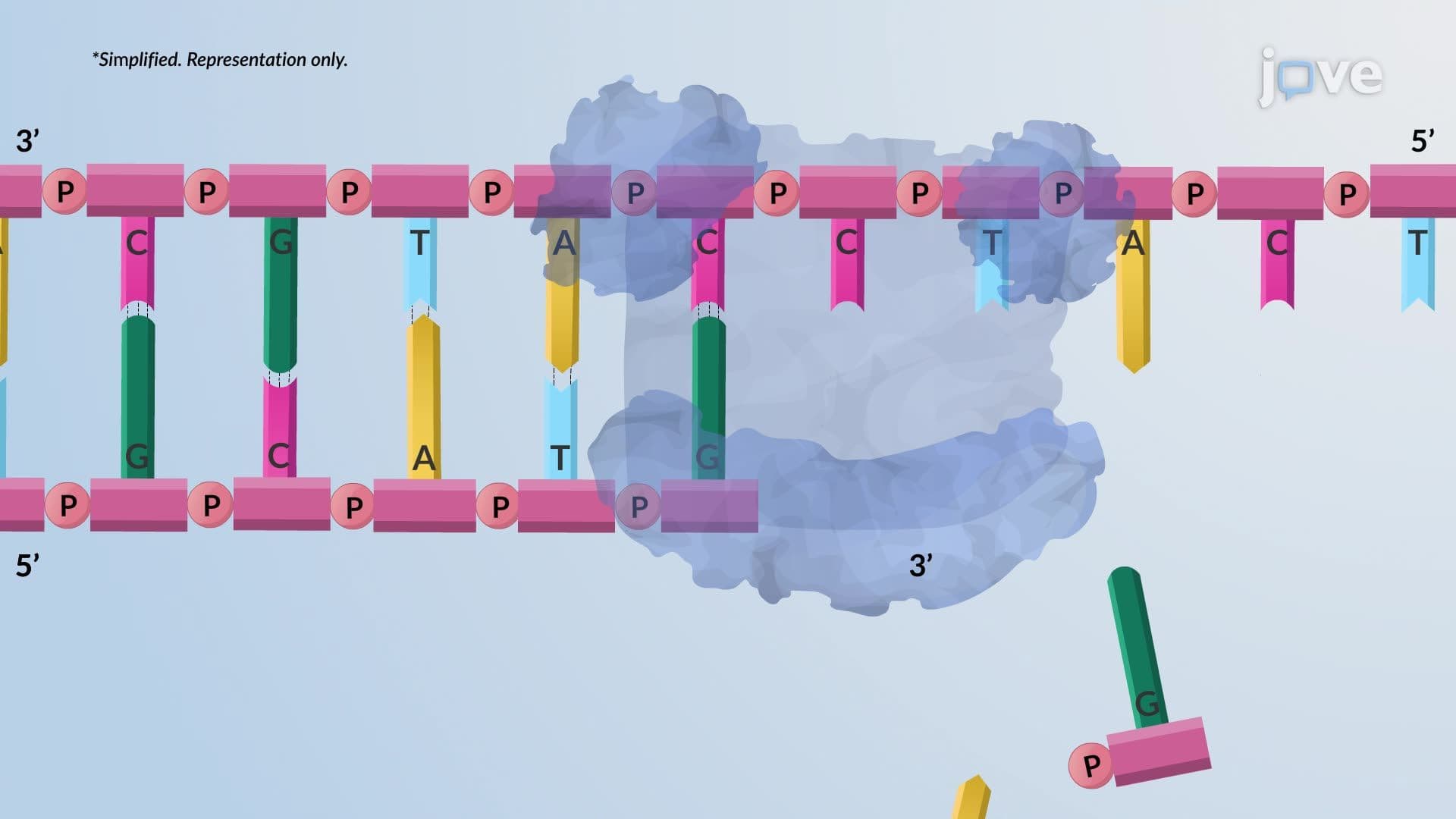
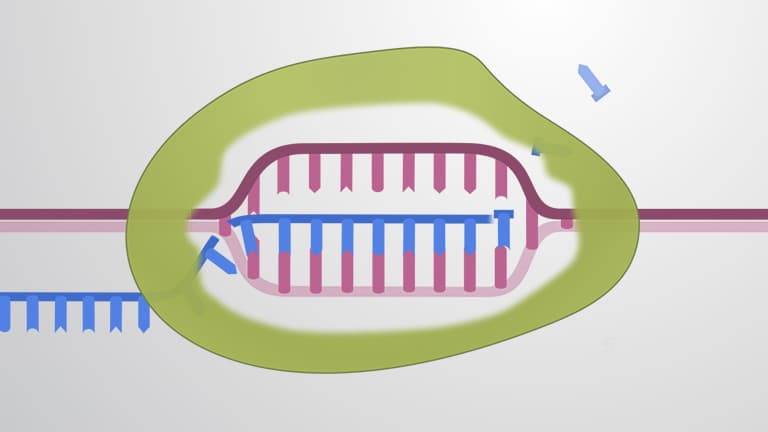
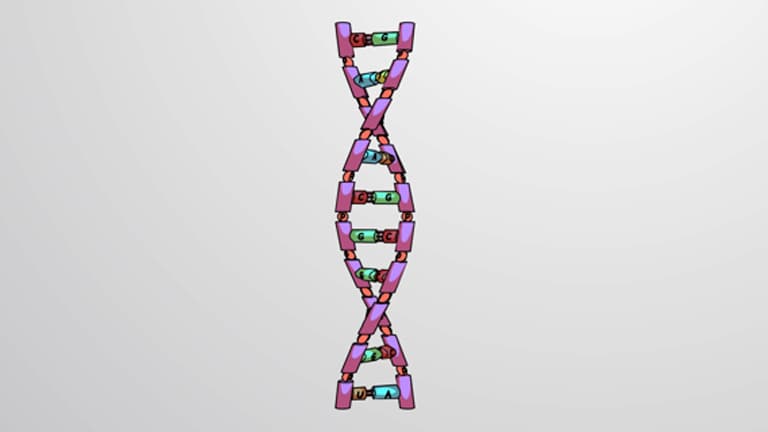
Mismatch repair represents one of biology's most sophisticated proofreading systems, serving as a critical backup when DNA polymerase makes copying errors during replication. While DNA polymerase has its own 3' to 5' exonuclease proofreading activity, it still makes approximately one error per 10,000-100,000 nucleotides. Mismatch repair reduces this error rate by another 100-1000 fold, making it indispensable for genetic stability.
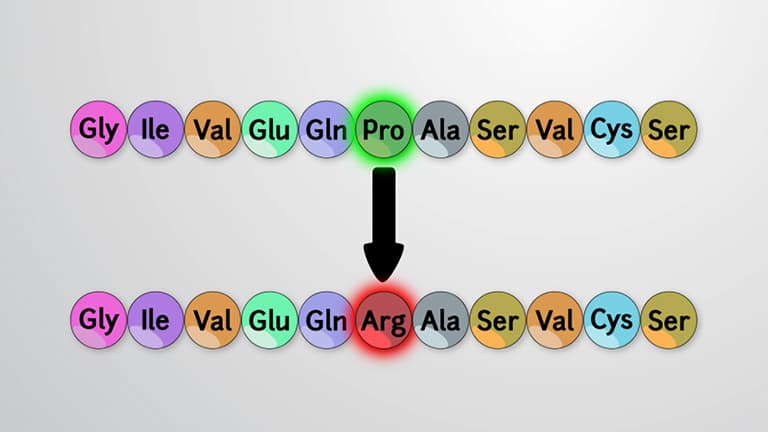
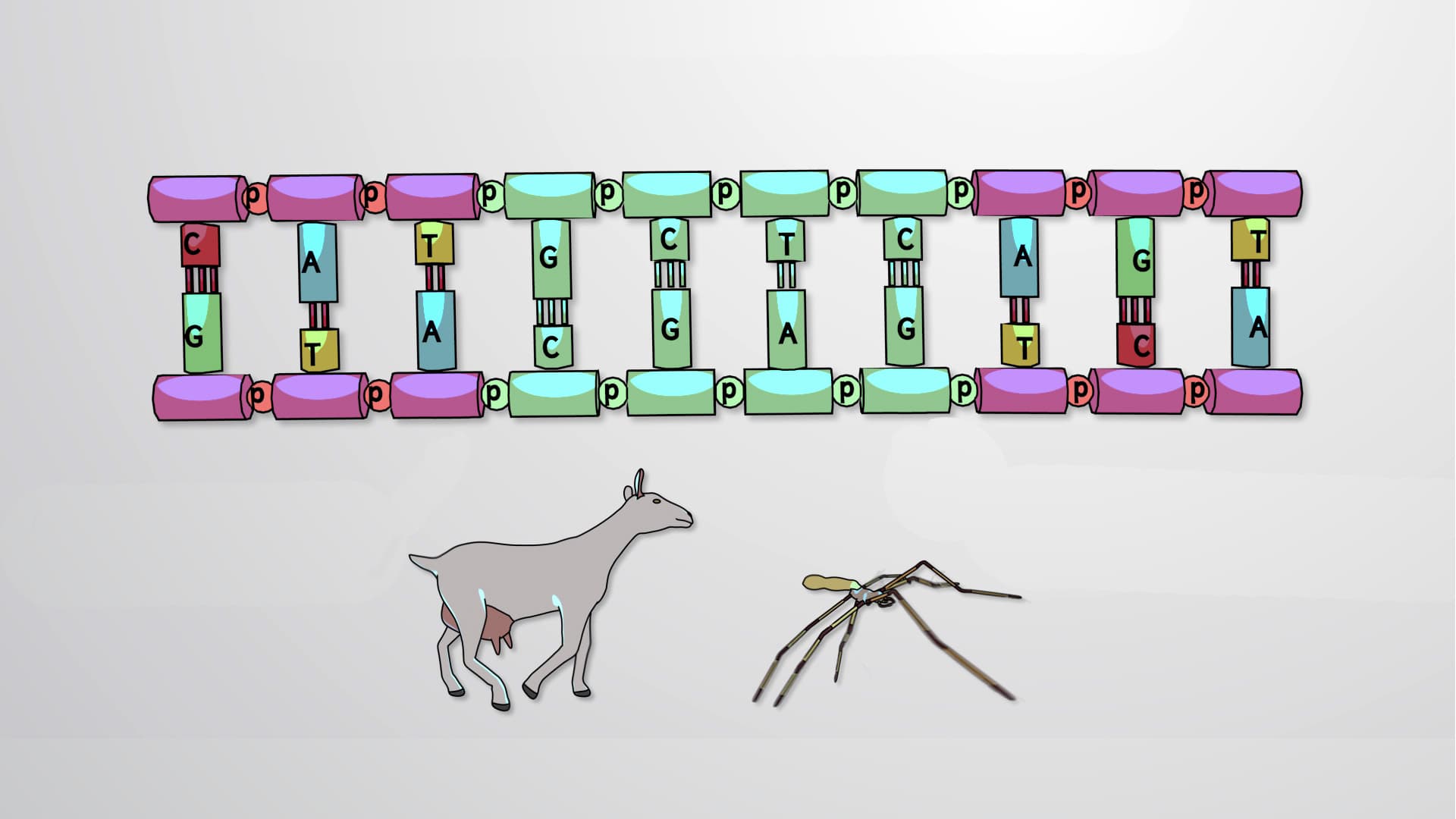
This repair mechanism specifically targets base-base mismatches (like adenine paired with cytosine instead of thymine) and small insertion-deletion loops that escape initial proofreading. Understanding mismatch repair is crucial for AP Biology students and features prominently in college-level molecular biology courses and pre-med requirements.
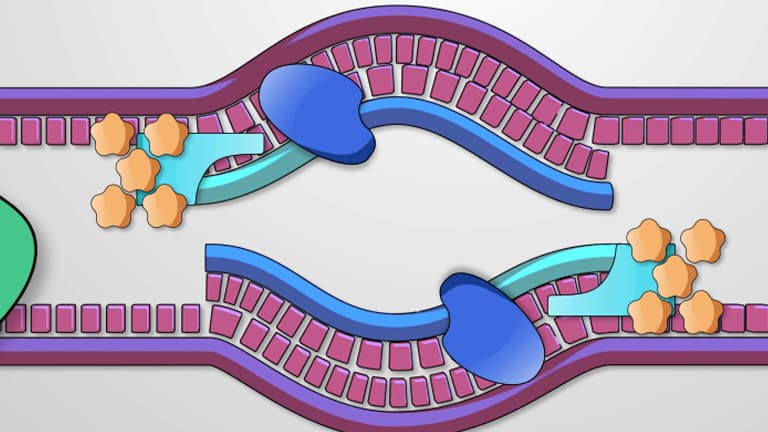
The mismatch repair process involves several key proteins working in coordinated sequence. In prokaryotes like E. coli, MutS protein functions as the primary mismatch recognition factor, binding to distorted DNA structures caused by incorrect base pairing. MutL then serves as a molecular matchmaker, connecting MutS to downstream repair machinery.
In eukaryotes, homologous proteins MSH2, MSH6, MLH1, and PMS2 perform similar functions. Defects in these human proteins cause Lynch syndrome, a hereditary cancer predisposition affecting roughly 1 in 300 Americans. Students preparing for the MCAT should understand these protein functions, as genetics and molecular biology comprise significant portions of the exam.
Perhaps the most elegant aspect of mismatch repair is solving the "strand discrimination problem"-determining which DNA strand contains the error. Both prokaryotes and eukaryotes have evolved distinct solutions.
In E. coli, the system relies on DNA methylation patterns. The bacterial enzyme Dam methylase adds methyl groups to adenine residues in GATC sequences, but this methylation occurs with a slight delay after replication. During this window, the newly synthesized strand remains unmethylated while the template strand carries methyl marks, providing a clear signal for repair machinery.
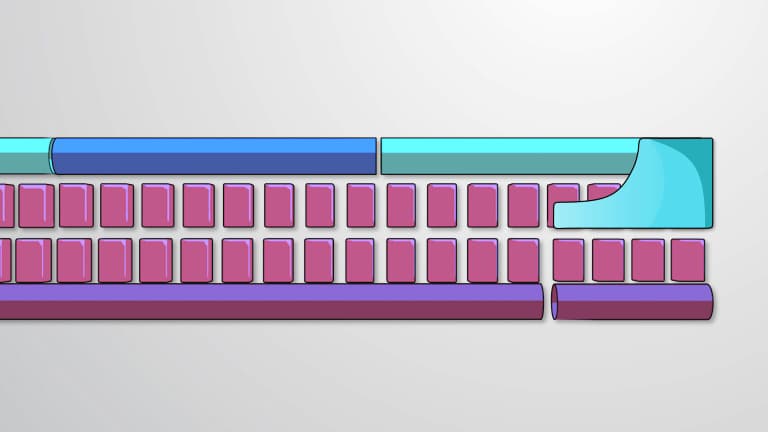
Eukaryotic cells use a different approach, exploiting the fact that newly synthesized DNA contains more nicks and gaps than the established template strand. These structural discontinuities serve as strand-discrimination signals, directing repair efforts to the appropriate strand.
Mismatch repair deficiency has profound clinical implications. Hereditary nonpolyposis colorectal cancer (HNPCC or Lynch syndrome) results from inherited mutations in mismatch repair genes, affecting approximately 200,000 Americans. Patients with Lynch syndrome face dramatically increased risks for colorectal, endometrial, and other cancers.
Understanding mismatch repair mechanisms also informs cancer treatment strategies. Some chemotherapy drugs work specifically because cancer cells have defective DNA repair systems, making this knowledge relevant for students pursuing healthcare careers and essential for USMLE preparation.
Related Micro-courses