Loading video…


 13 Concepts
 1.3M views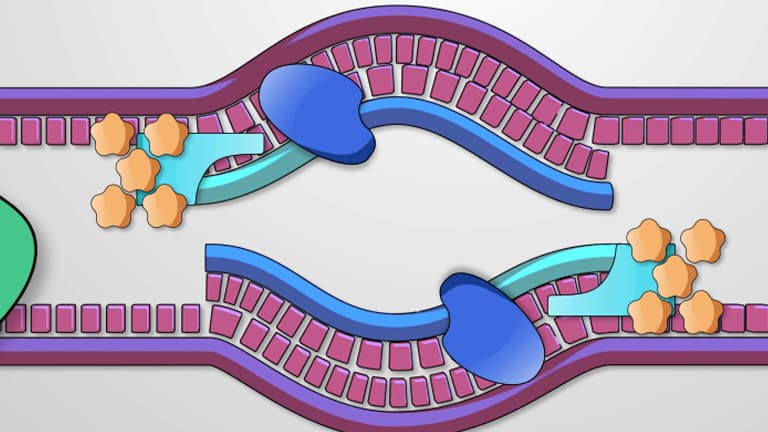

Video Summary: What Is Replication in Prokaryotes
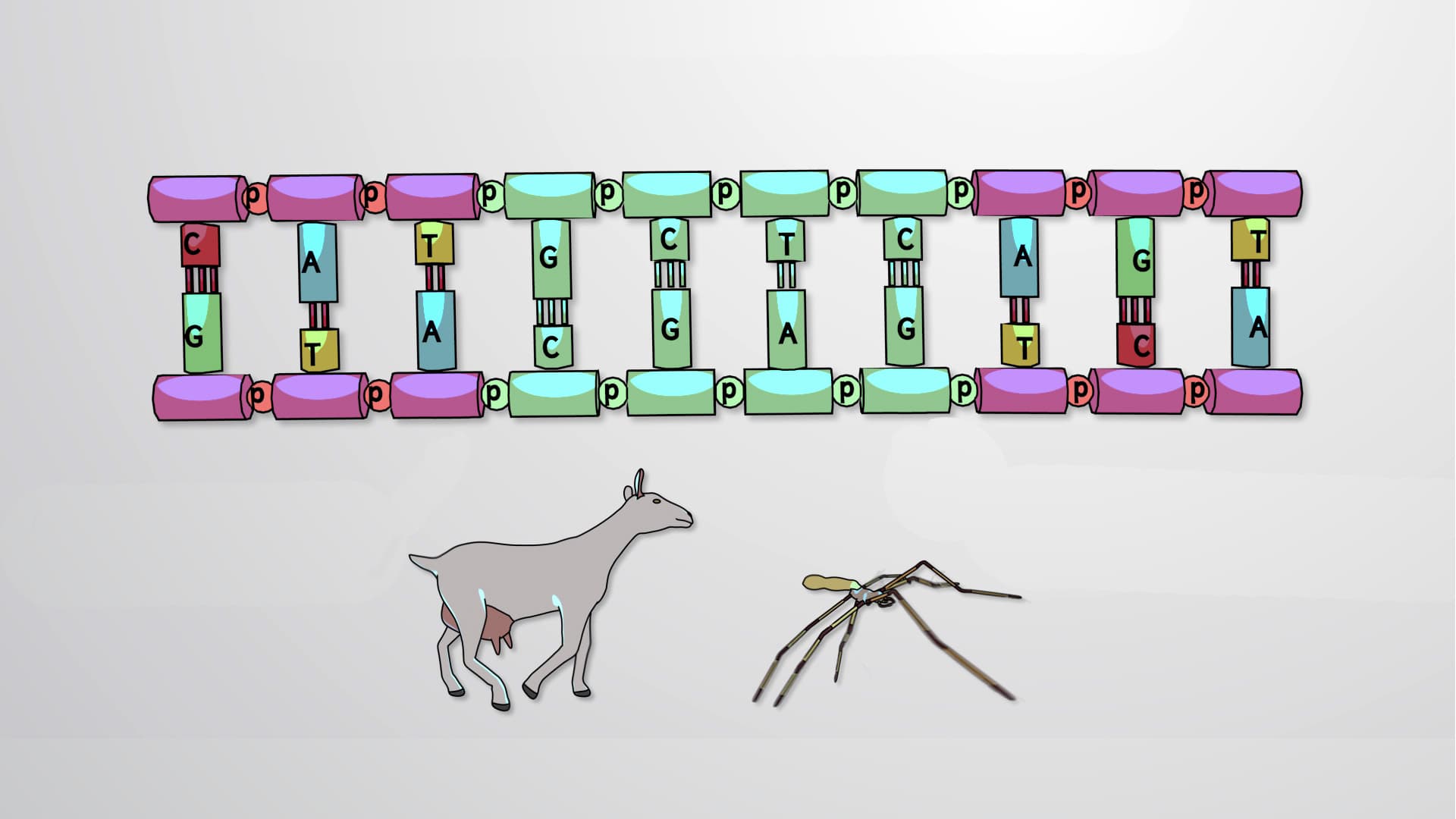
Did you know that E. coli bacteria can completely copy their entire genome in just 40 minutes? Replication in prokaryotes is the remarkable process by which bacterial cells duplicate their circular DNA before cell division. This semiconservative mechanism involves specialized enzymes like DNA helicase, primase, and DNA polymerase working together at replication forks to create two identical DNA molecules from one original strand. Understanding what is replication in prokaryotes is crucial for grasping how bacteria like Staphylococcus aureus rapidly multiply in hospital settings. Watch the full video on JoVE Coach to master this concept with expert-led visuals and step-by-step explanations.
Replication in prokaryotes represents one of biology's most efficient molecular processes. Unlike eukaryotic cells, bacterial DNA replication occurs in the cytoplasm on a single, circular chromosome. This streamlined process allows bacteria like E. coli to reproduce every 20 minutes under optimal conditions, making prokaryotic replication a critical concept for students preparing for the AP Biology exam or college-level microbiology courses.
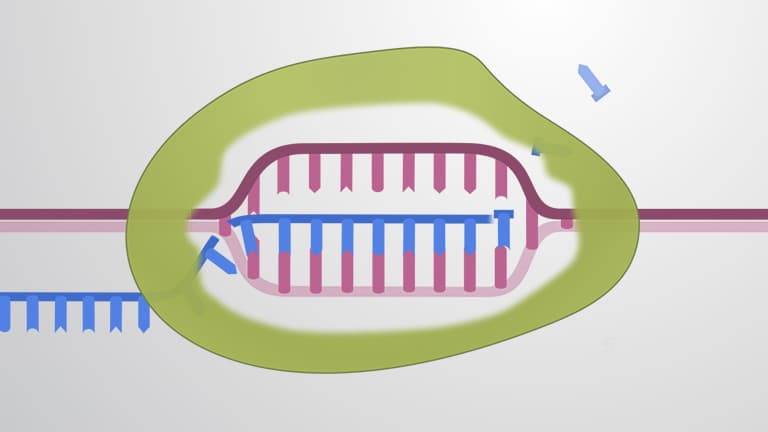
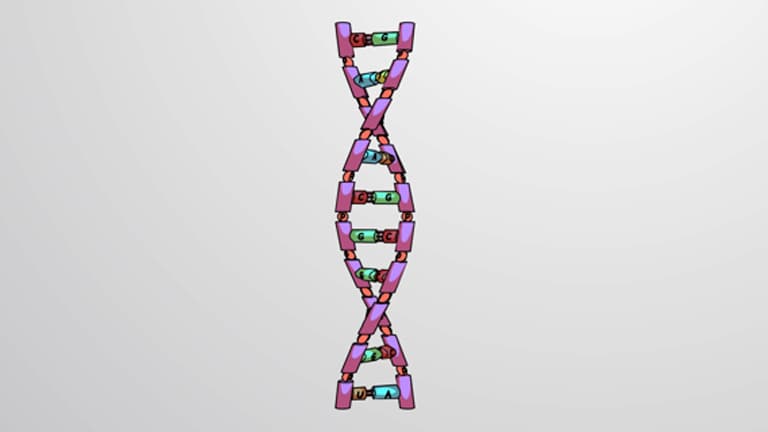
The replication process begins at a specific DNA sequence called the origin of replication (oriC in E. coli). Initiator proteins, particularly DnaA in most bacteria, bind to this origin and cause the DNA double helix to unwind. This creates the replication bubble where DNA helicase continues the unwinding process. Single-strand binding proteins (SSBs) stabilize the separated DNA strands, preventing them from reannealing. Understanding this initiation mechanism is frequently tested on the MCAT, where students must explain how prokaryotic replication differs from the multiple origins found in eukaryotes.
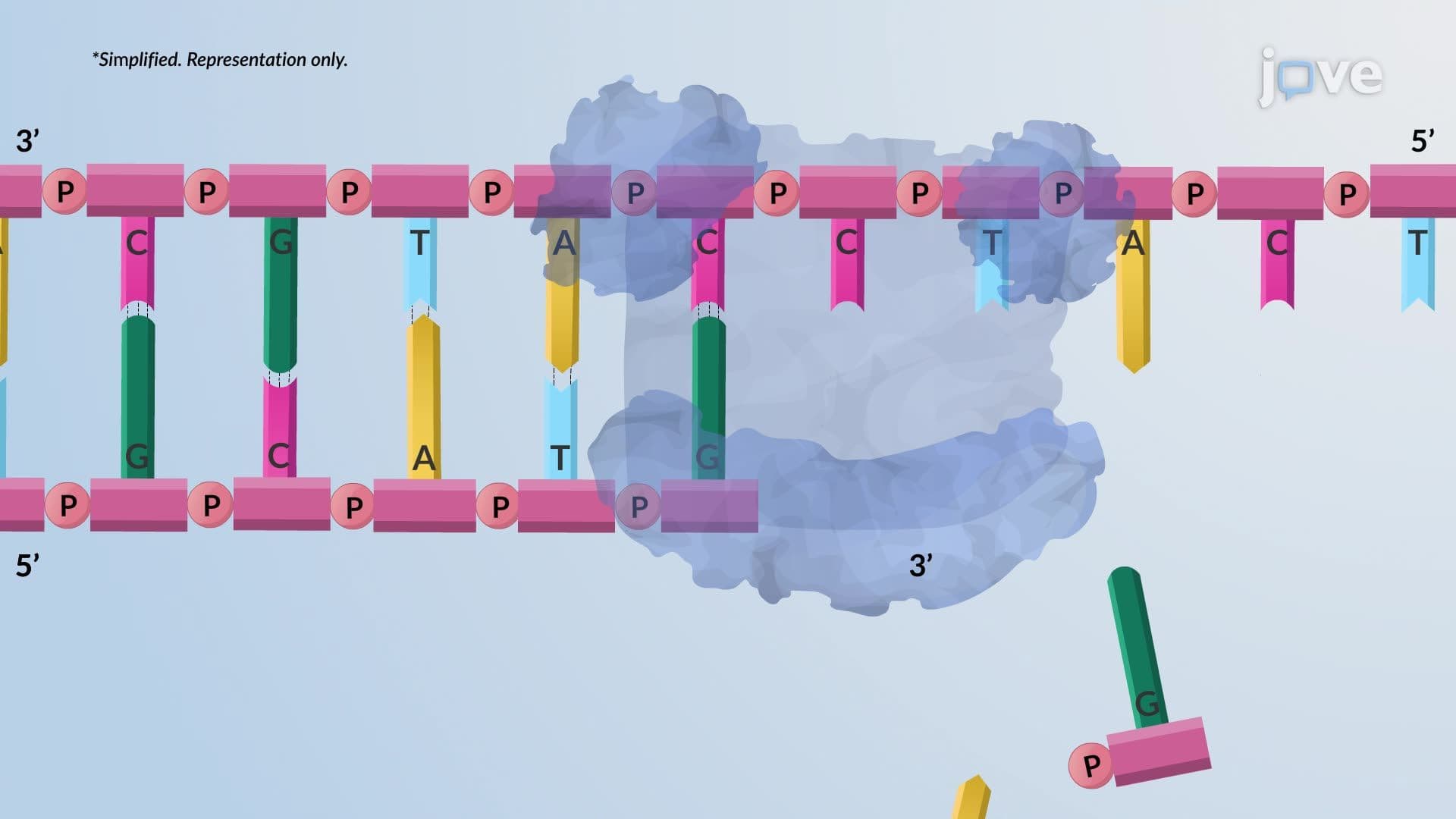
The bidirectional nature of prokaryotic replication creates two replication forks moving in opposite directions. At each fork, DNA polymerase III synthesizes new DNA in the 5' to 3' direction only. The leading strand is synthesized continuously, while the lagging strand requires discontinuous synthesis in short segments called Okazaki fragments (typically 1,000-2,000 nucleotides in prokaryotes). This asymmetric replication pattern is a cornerstone concept in molecular biology courses and appears regularly on college biochemistry exams.
Multiple enzymes coordinate during prokaryotic replication. Topoisomerase (DNA gyrase in bacteria) relieves supercoiling tension ahead of the replication fork. Primase synthesizes RNA primers necessary for DNA polymerase initiation. DNA polymerase I removes RNA primers and fills gaps with DNA, while DNA ligase seals the remaining nicks. This enzyme coordination exemplifies the precision of bacterial replication, achieving error rates as low as 1 in 10 billion nucleotides-a fact often highlighted in genetics coursework and pre-med studies.
Related Micro-courses