Loading video…


 13 Concepts
 1.3M views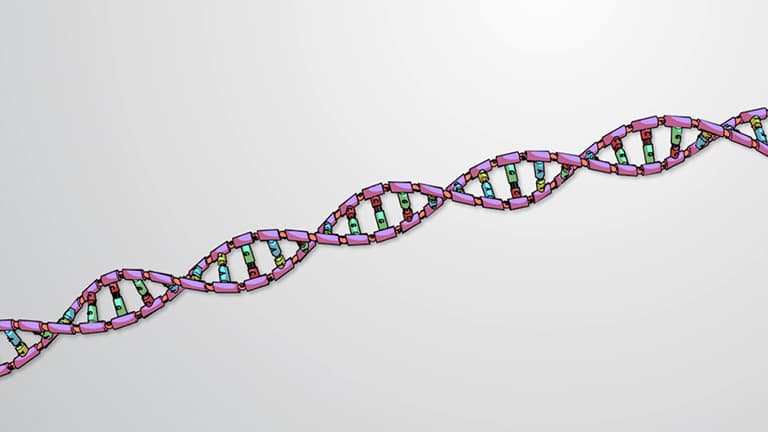

Video Summary: What Is the DNA Helix
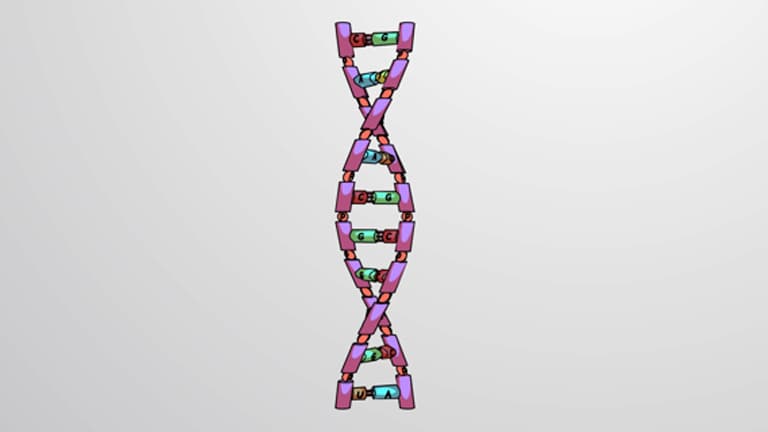
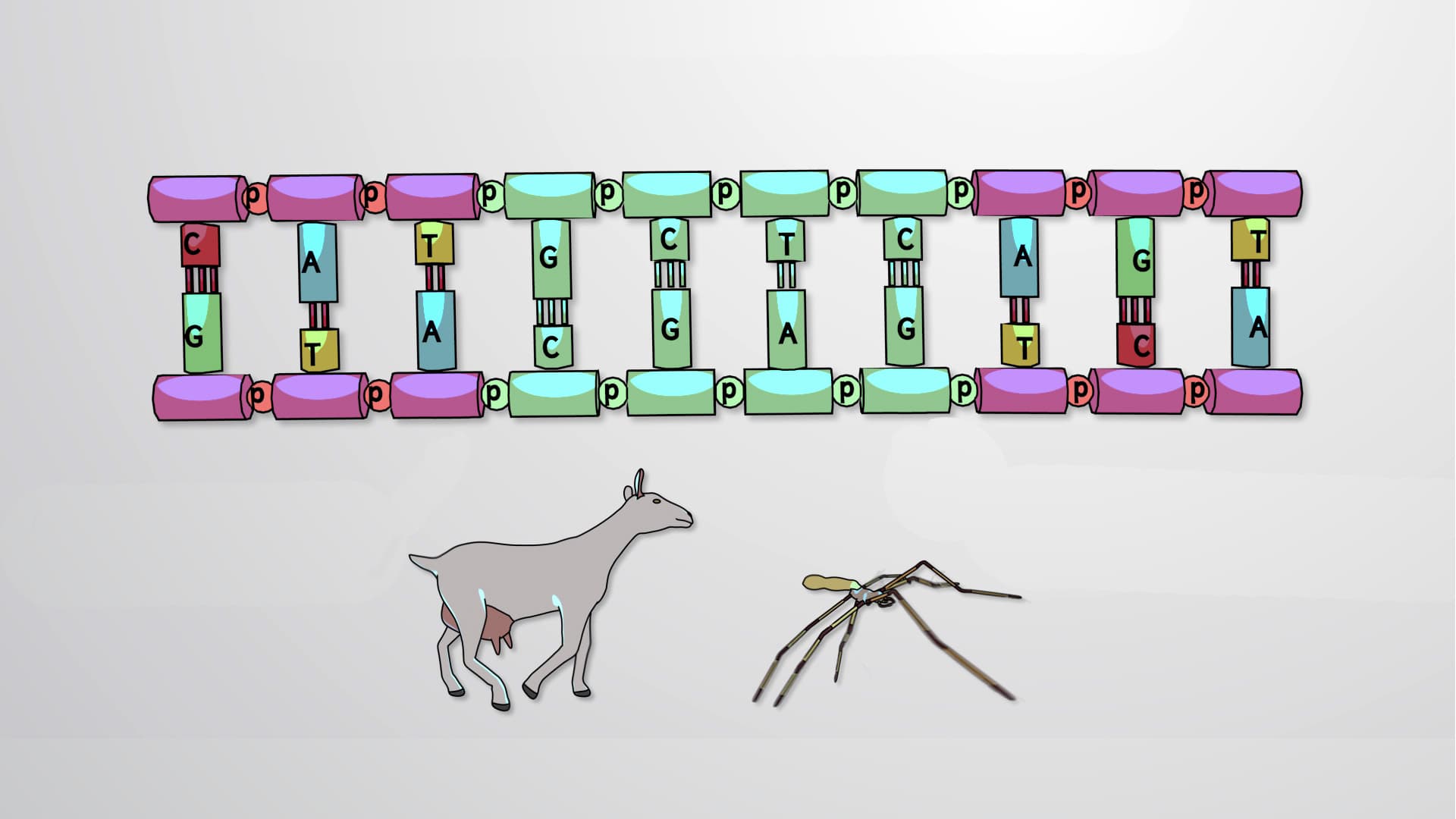
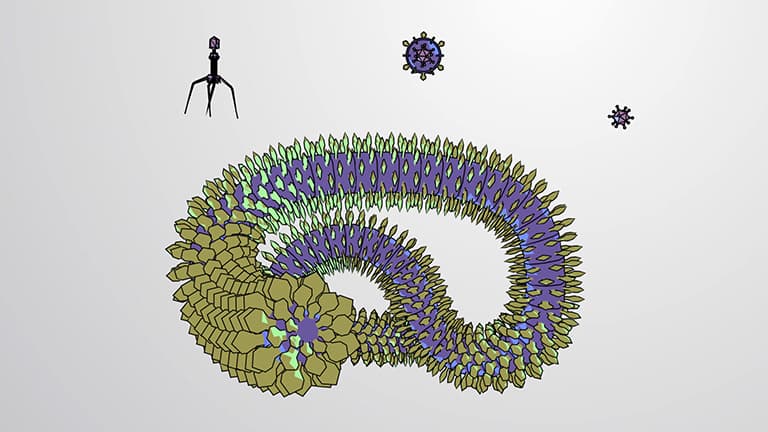
Every human cell contains approximately 6 billion DNA base pairs arranged in the iconic DNA helix structure that serves as life's blueprint. The DNA helix consists of two antiparallel polynucleotide chains wound together, with complementary base pairing (A-T and C-G) creating the stable double helix formation. This molecular architecture enables efficient genetic information storage and replication in organisms from bacteria to humans, including breakthrough discoveries at institutions like Cold Spring Harbor Laboratory. Watch the full video on JoVE Coach to master this concept with expert-led visuals and step-by-step explanations.
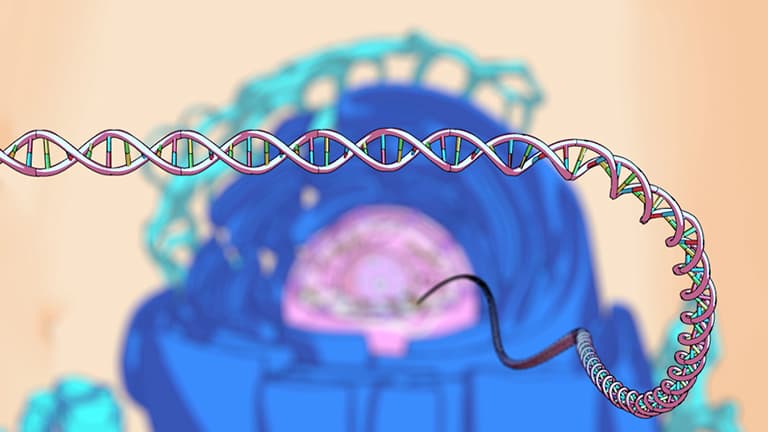
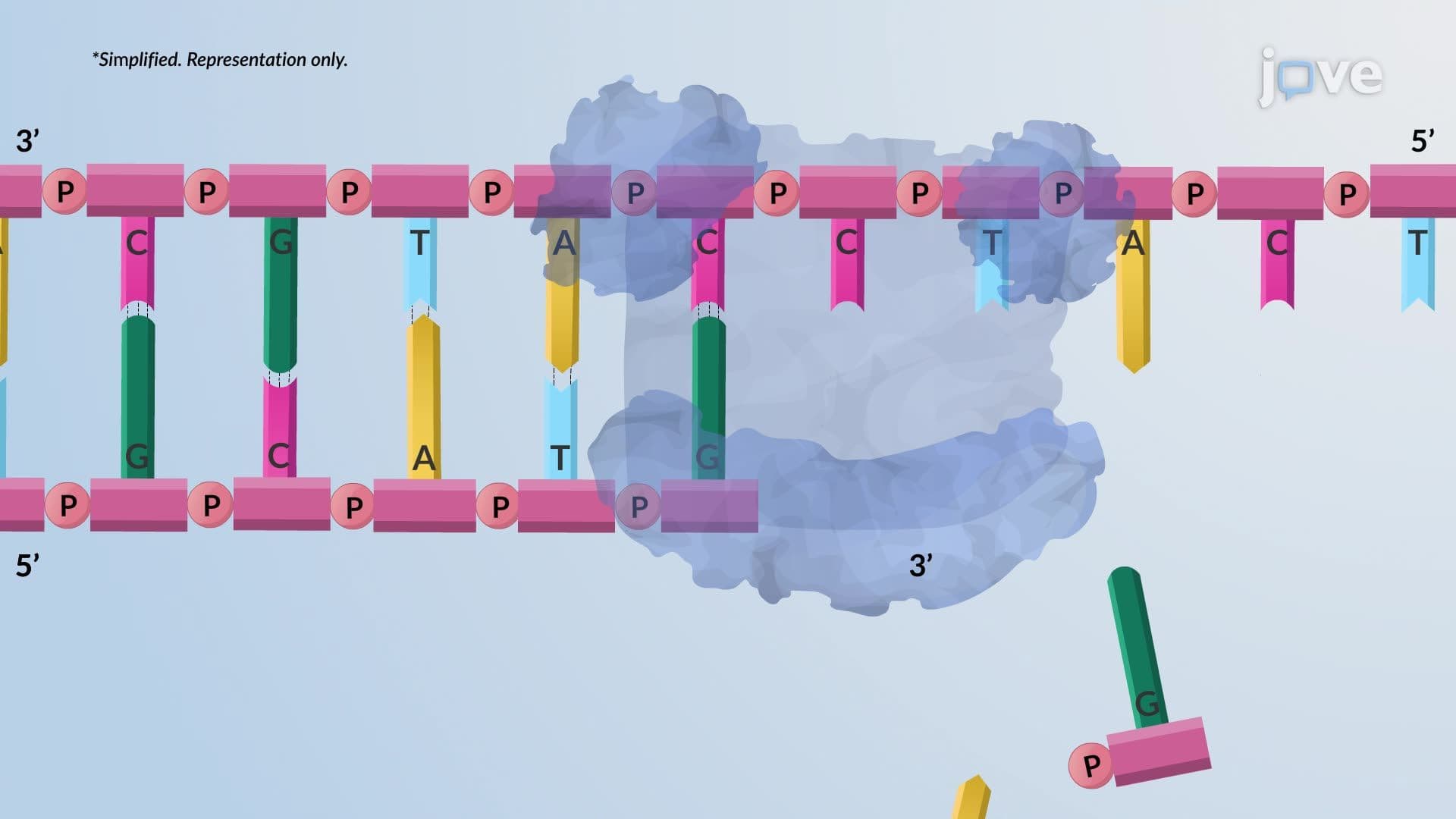
The DNA helix represents one of biology's most elegant molecular structures, discovered through the groundbreaking X-ray crystallography work at institutions like Columbia University and confirmed by Watson and Crick's model. This double helix consists of two polynucleotide strands that spiral around each other in a right-handed helical formation. Each strand contains a backbone made of alternating sugar (deoxyribose) and phosphate groups, with nitrogenous bases extending inward toward the center of the helix.
The DNA helix derives its stability from four distinct nucleotides: adenine (A), thymine (T), guanine (G), and cytosine (C). These nucleotides follow strict complementary base-pairing rules discovered through biochemical analysis at research centers like the National Institutes of Health. Adenine always pairs with thymine through two hydrogen bonds, while guanine pairs with cytosine through three hydrogen bonds. This complementary pairing ensures that the two strands fit together perfectly, like matching puzzle pieces, maintaining consistent helix width throughout the entire structure.
A crucial feature of the DNA helix involves the antiparallel orientation of its two strands. One strand runs in the 5' to 3' direction, while its complement runs 3' to 5'. This directionality refers to the carbon numbering in the deoxyribose sugar molecule, where the 5' end has an exposed phosphate group and the 3' end has a free hydroxyl group. This antiparallel arrangement is essential for DNA replication and transcription processes, concepts frequently tested on AP Biology exams and college biochemistry courses.
The DNA helix maintains specific geometric parameters that enable its biological functions. The double helix completes one full turn every 10 base pairs, creating a major groove and minor groove that serve as binding sites for regulatory proteins. This precise geometry, measuring approximately 2 nanometers in width, allows DNA to pack efficiently into cell nuclei while remaining accessible for cellular processes. Understanding these structural details proves crucial for students preparing for the MCAT or advanced placement biology examinations, where DNA structure questions frequently appear.
Related Micro-courses