Loading video…


 13 Concepts
 1.3M views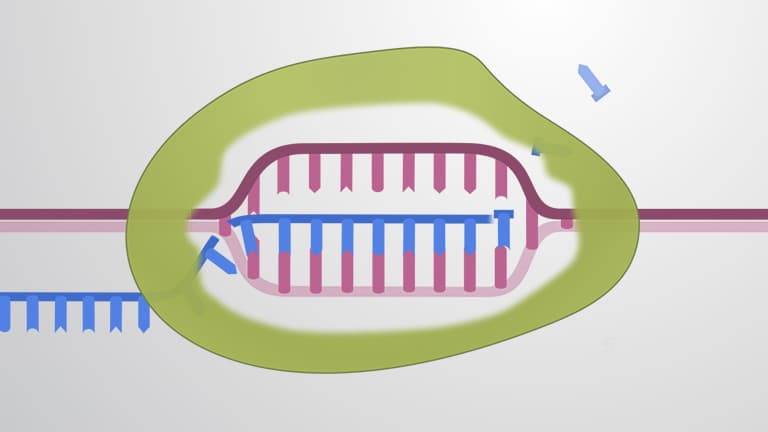

Video Summary: What Is Transcription
Every second, your cells read genetic instructions to create thousands of proteins essential for life-but how does this molecular reading process actually work? Transcription explained biology reveals the fascinating mechanism where DNA serves as a template to synthesize RNA, much like how architects create blueprints from master plans. In research labs at Harvard Medical School, scientists study transcription to understand diseases like cancer, where this process goes awry. What is transcription becomes clear when we examine how RNA polymerase machinery transforms genetic code into functional molecules. Watch the full video on JoVE Coach to master this concept with expert-led visuals and step-by-step explanations.
DNA transcription process biology represents one of the most critical cellular processes, where genetic information stored in DNA is converted into RNA molecules. This process occurs within the nucleus of eukaryotic cells and serves as the first step in gene expression. Unlike DNA replication, which creates identical DNA copies, transcription produces RNA molecules that carry genetic instructions to ribosomes for protein synthesis.
The significance of transcription extends far beyond basic biology. Medical schools across the United States, from Johns Hopkins to Stanford, emphasize transcription's role in understanding genetic diseases. Students preparing for the MCAT encounter transcription questions that require deep understanding of molecular mechanisms, making this concept essential for pre-med success.
What is transcription in molecular biology becomes clearer when examining the sophisticated machinery involved. The process begins with the assembly of the pre-initiation complex at gene promoters. In human cells, promoters contain regulatory sequences like TATA boxes, typically located 25-30 base pairs upstream from the transcription start site. These sequences serve as binding platforms for general transcription factors, which recruit RNA polymerase II-the enzyme responsible for mRNA synthesis.
RNA polymerase transcription initiation requires multiple protein factors working in concert. TFIID, containing the TATA-binding protein, recognizes and binds to the TATA box. Subsequently, TFIIA, TFIIB, TFIIE, TFIIF, and TFIIH join the complex, creating a stable platform for RNA polymerase II recruitment. This intricate assembly process ensures transcription occurs at the correct genomic location with proper timing.
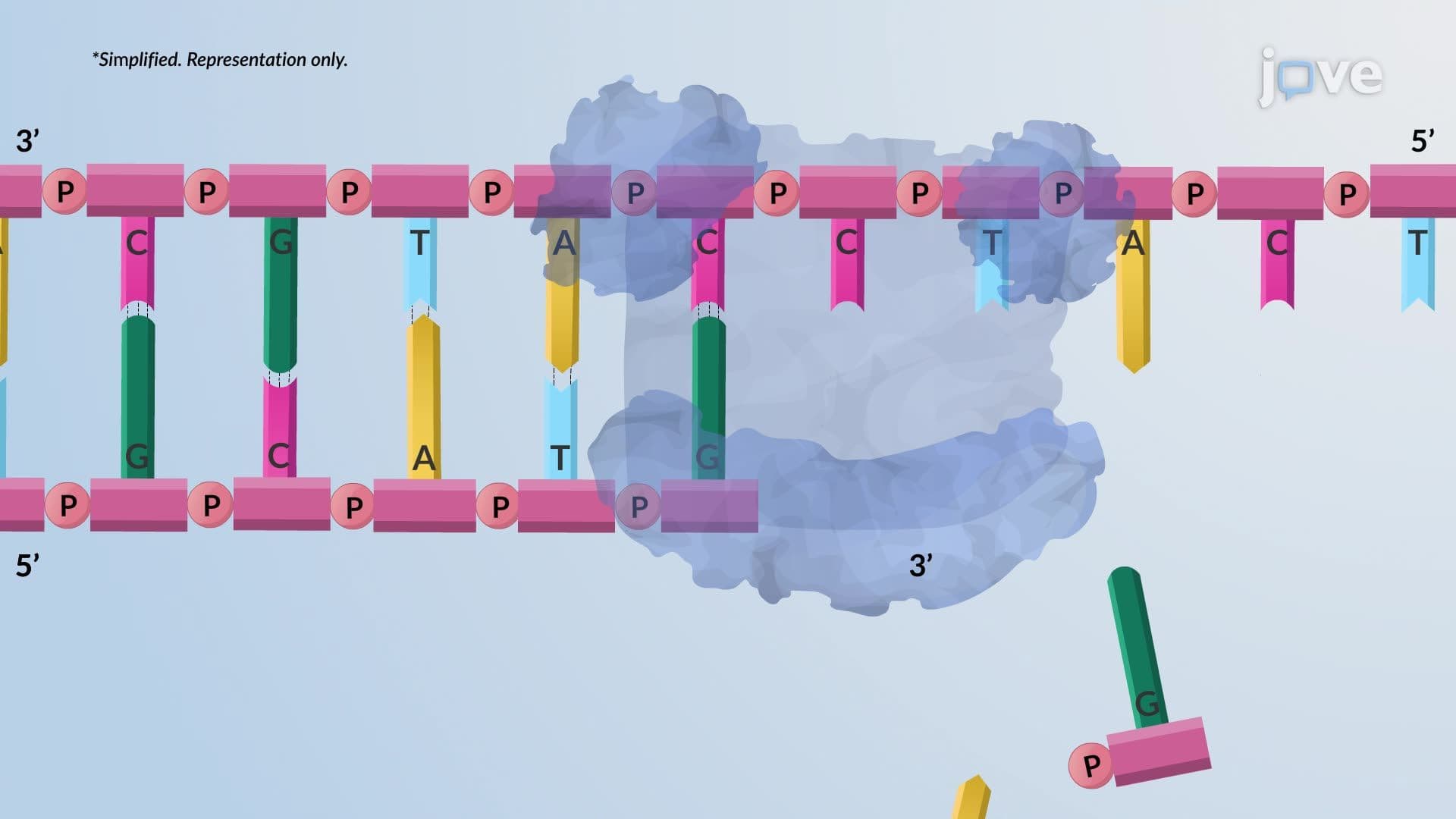
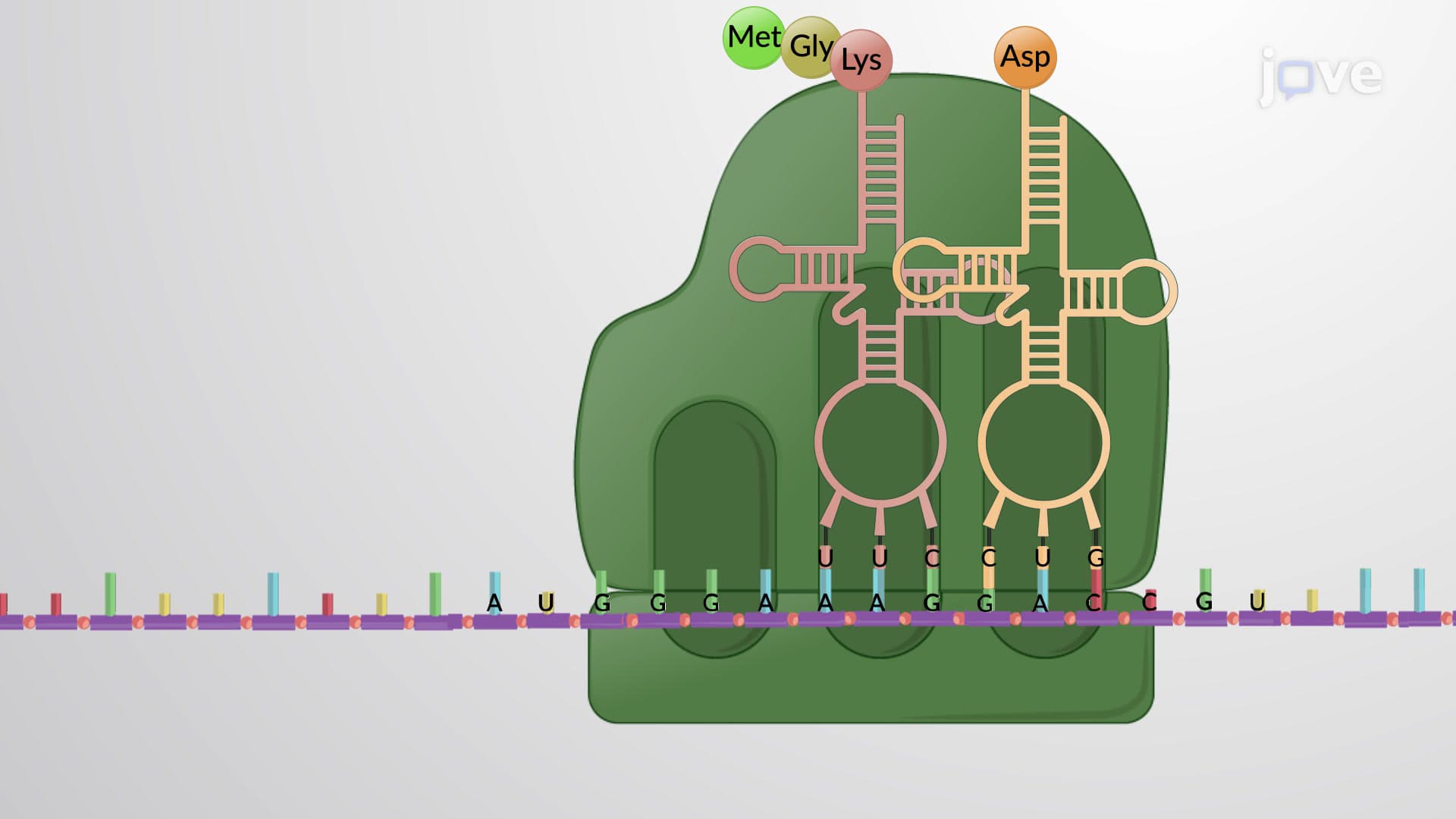
Once initiation occurs, mRNA synthesis transcription proceeds through the elongation phase. RNA polymerase II moves along the DNA template strand, unwinding the double helix and synthesizing RNA in the 5' to 3' direction. The growing mRNA chain is complementary to the template strand, with uracil replacing thymine found in DNA.
Transcription elongation termination involves specific signal sequences that cause RNA polymerase to dissociate from DNA. In eukaryotes, this process is more complex than in prokaryotes, involving polyadenylation signals and cleavage factors that ensure proper mRNA 3' end formation.
College students studying for AP Biology exams often struggle with transcription directionality. Remember that while RNA synthesis occurs 5' to 3', the RNA polymerase reads the template strand 3' to 5'. This concept frequently appears on standardized tests, including SAT Subject Tests and college biochemistry midterms.
Understanding transcription has profound implications for medical research and treatment. At institutions like the National Institutes of Health in Bethesda, Maryland, researchers study how transcriptional dysregulation contributes to cancer development. Many oncogenes and tumor suppressors function as transcriptional regulators, highlighting transcription's role in disease pathogenesis.
Gene expression transcription regulation also impacts pharmaceutical development. Companies like Genentech and Amgen design drugs targeting transcriptional machinery to treat various conditions, from cancer to autoimmune disorders. This real-world application makes transcription knowledge invaluable for students pursuing careers in biotechnology, medicine, or pharmaceutical research.
Related Micro-courses