Loading video…

 13 Concepts
 1.3M views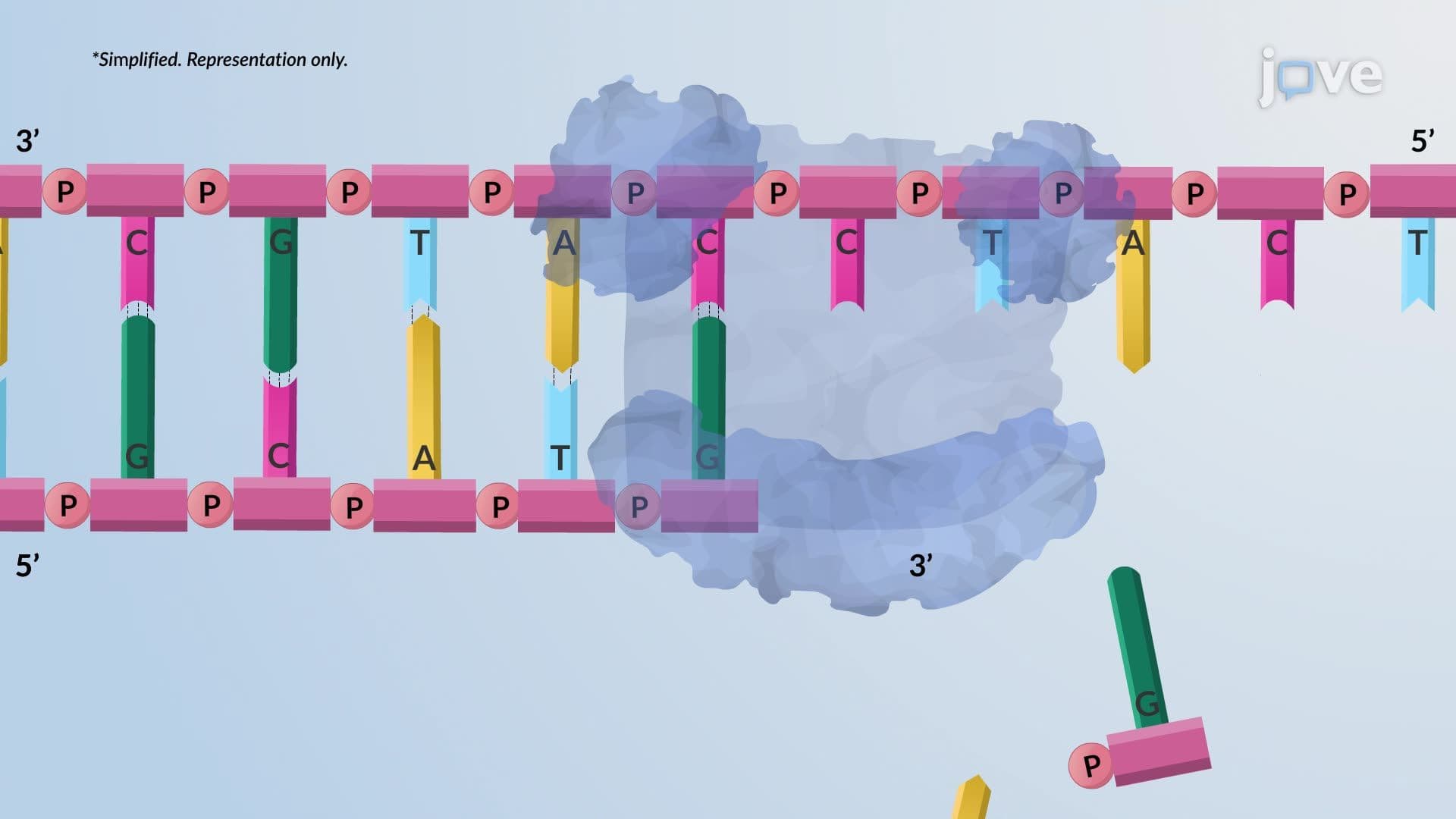

Video Summary: What Is Proofreading
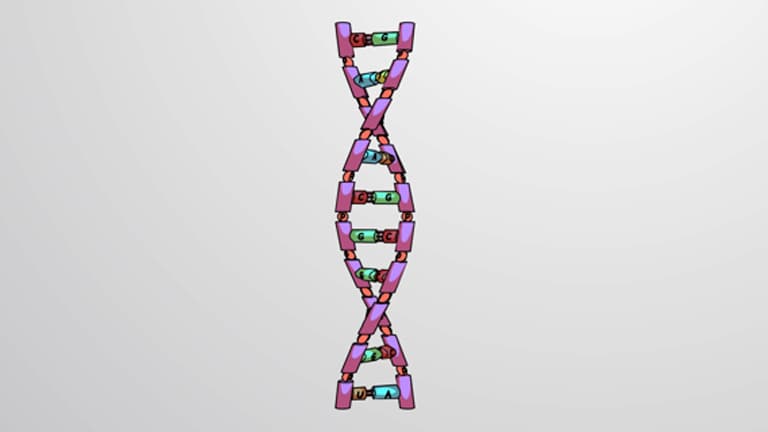
Every time your cells divide, your DNA must be copied with extraordinary precision-just one error in a billion base pairs could lead to cancer or genetic disorders. Proofreading is the cellular quality control mechanism that ensures DNA replication accuracy through multiple checkpoint systems. During replication at places like the NIH Clinical Center, researchers study how DNA polymerase enzymes use structural changes and exonuclease activity to catch and correct mismatched nucleotides before they become permanent mutations. What is proofreading becomes crucial when understanding how cells maintain genetic integrity across trillions of cell divisions throughout your lifetime. Watch the full video on JoVE Coach to master this concept with expert-led visuals and step-by-step explanations.
Proofreading represents one of biology's most sophisticated quality control systems, operating during every DNA replication event in your body. This molecular editing process ensures genetic information transfers accurately from parent to daughter cells, maintaining the integrity of your genome across approximately 37 trillion cells. The proofreading definition explained encompasses multiple enzymatic mechanisms working together to achieve error rates as low as one mistake per billion base pairs-far more accurate than any human editor could achieve.
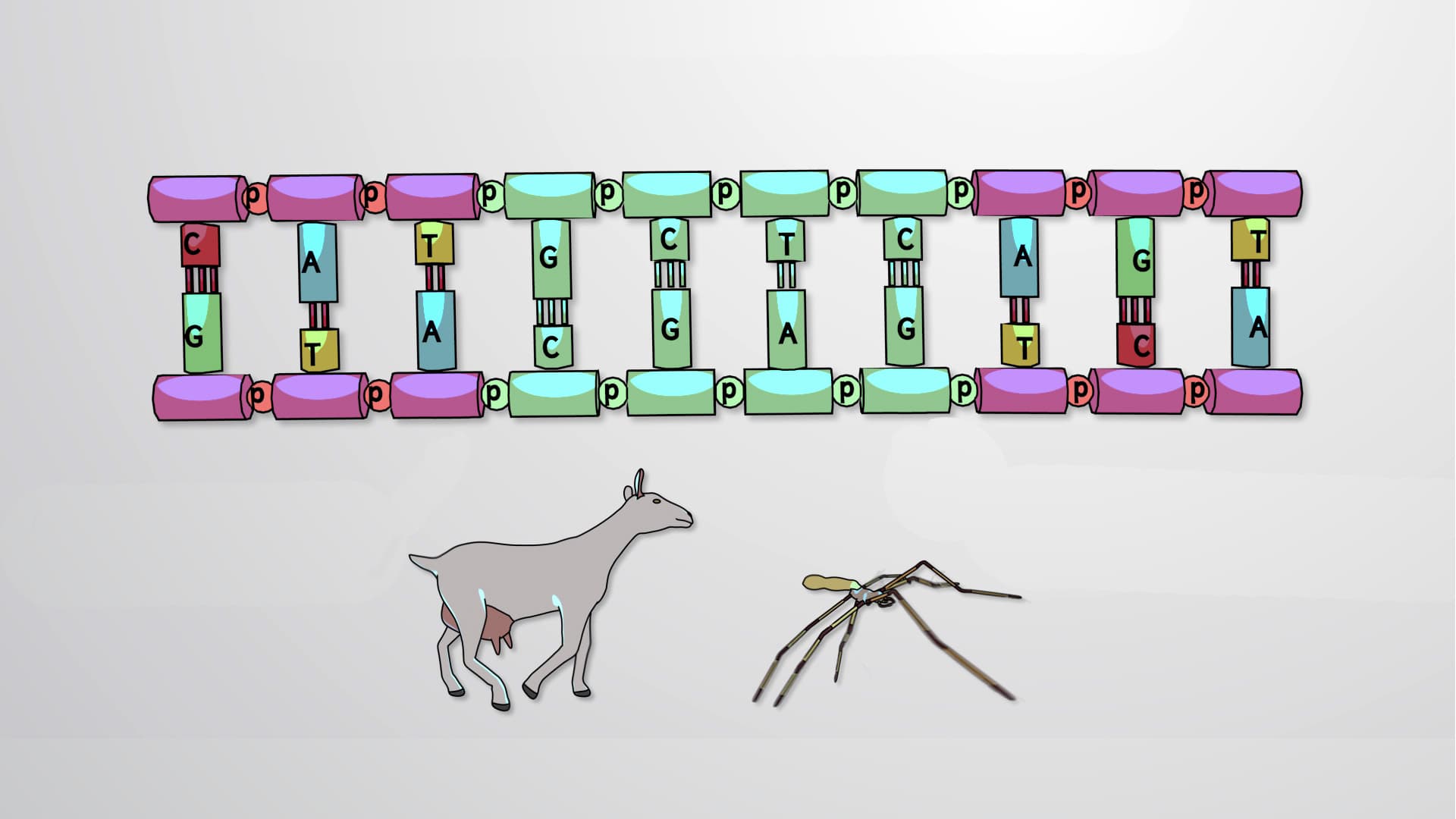
DNA polymerase orchestrates proofreading through three sequential checkpoints. First, the enzyme exhibits preferential binding affinity for correctly paired nucleotides, making proper Watson-Crick base pairs (A-T and G-C) thermodynamically favored over mismatches. This selectivity reduces initial error incorporation by approximately 100-fold compared to random pairing.
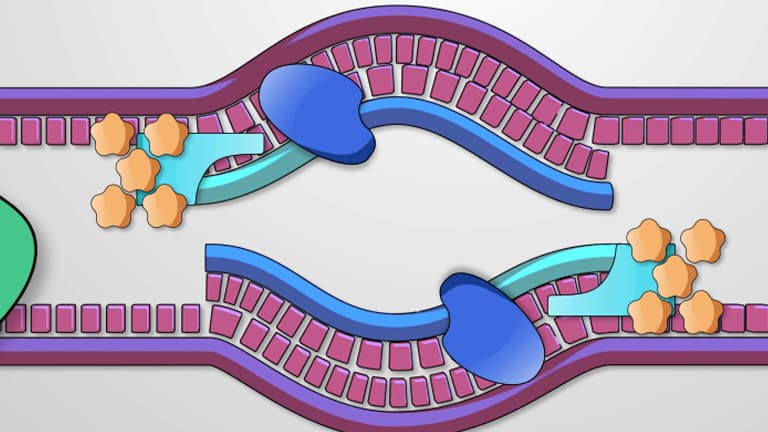
The second checkpoint involves conformational proofreading, where DNA polymerase undergoes structural changes as it incorporates each nucleotide. Correctly paired bases stabilize the enzyme's active conformation, while mismatched nucleotides create structural distortions that promote dissociation. This geometric screening adds another layer of fidelity to replication.
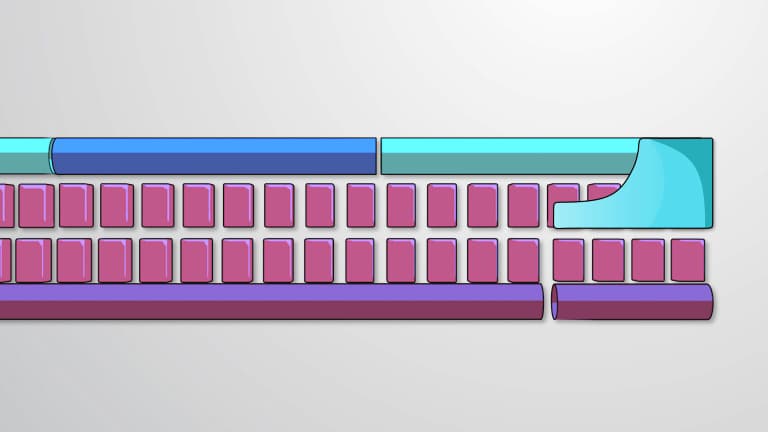
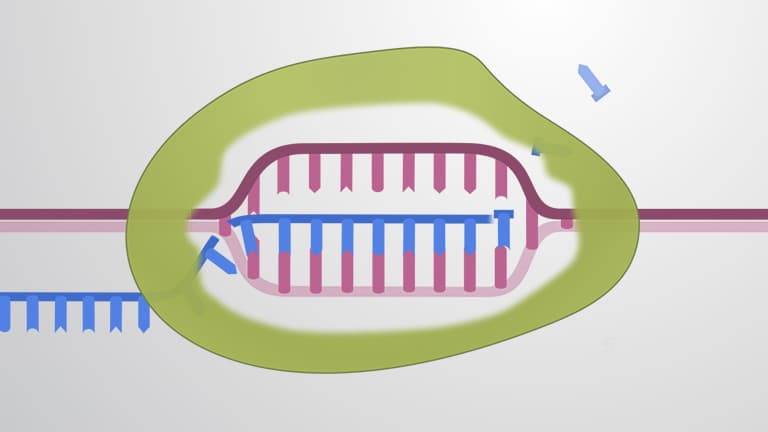
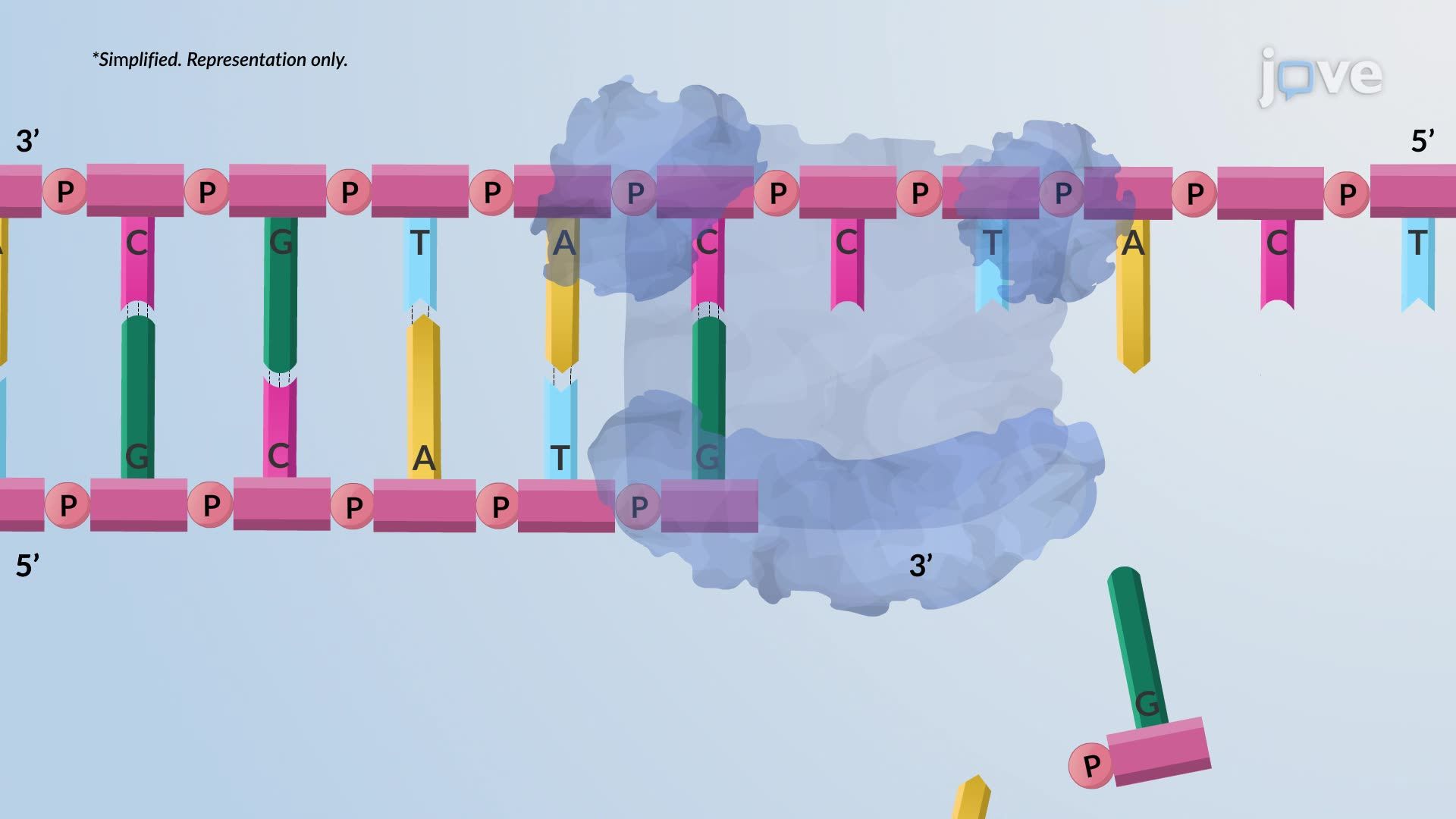
When mismatched nucleotides escape initial detection, the third proofreading mechanism activates. Incorrectly paired bases at the growing 3' end create structural abnormalities that pause DNA synthesis. This pause triggers translocation of the primer terminus to the polymerase's 3' to 5' exonuclease active site, which excises the mismatched nucleotide. Following removal, the polymerase resumes synthesis with the correct nucleotide.
This exonucleolytic proofreading proves especially critical in clinical contexts. At research institutions like Johns Hopkins and Mayo Clinic, scientists study how proofreading defects contribute to colorectal cancers and Lynch syndrome. Understanding these mechanisms helps explain why certain DNA polymerase mutations increase cancer susceptibility in American populations.
Proofreading concepts frequently appear on standardized exams including AP Biology, MCAT, and college-level molecular biology courses. Students should focus on the sequential nature of error correction and the relationship between enzyme structure and function. Practice questions often test understanding of base-pairing rules, enzyme kinetics, and clinical correlations with genetic diseases. Success requires connecting molecular mechanisms to broader themes of genetic stability and cellular quality control.
Related Micro-courses