Loading video…


 9 Concepts
 1M views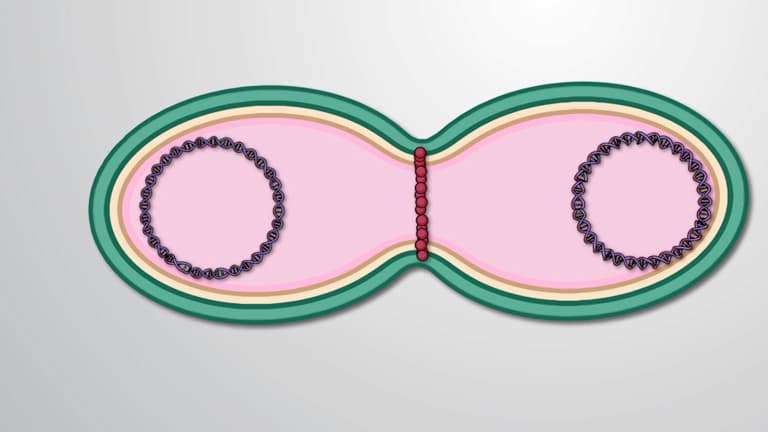

Video Summary: What Is Binary Fission
Ever wonder how bacteria like *E. coli* multiply so rapidly during food poisoning outbreaks? Binary fission enables prokaryotic cells to reproduce asexually, creating two genetically identical daughter cells through a precise division process. Unlike the complex mitosis seen in human cells, this streamlined mechanism allows bacteria in contaminated lettuce to double their population every 20 minutes under ideal conditions. Watch the full video on JoVE Coach to master this concept with expert-led visuals and step-by-step explanations.
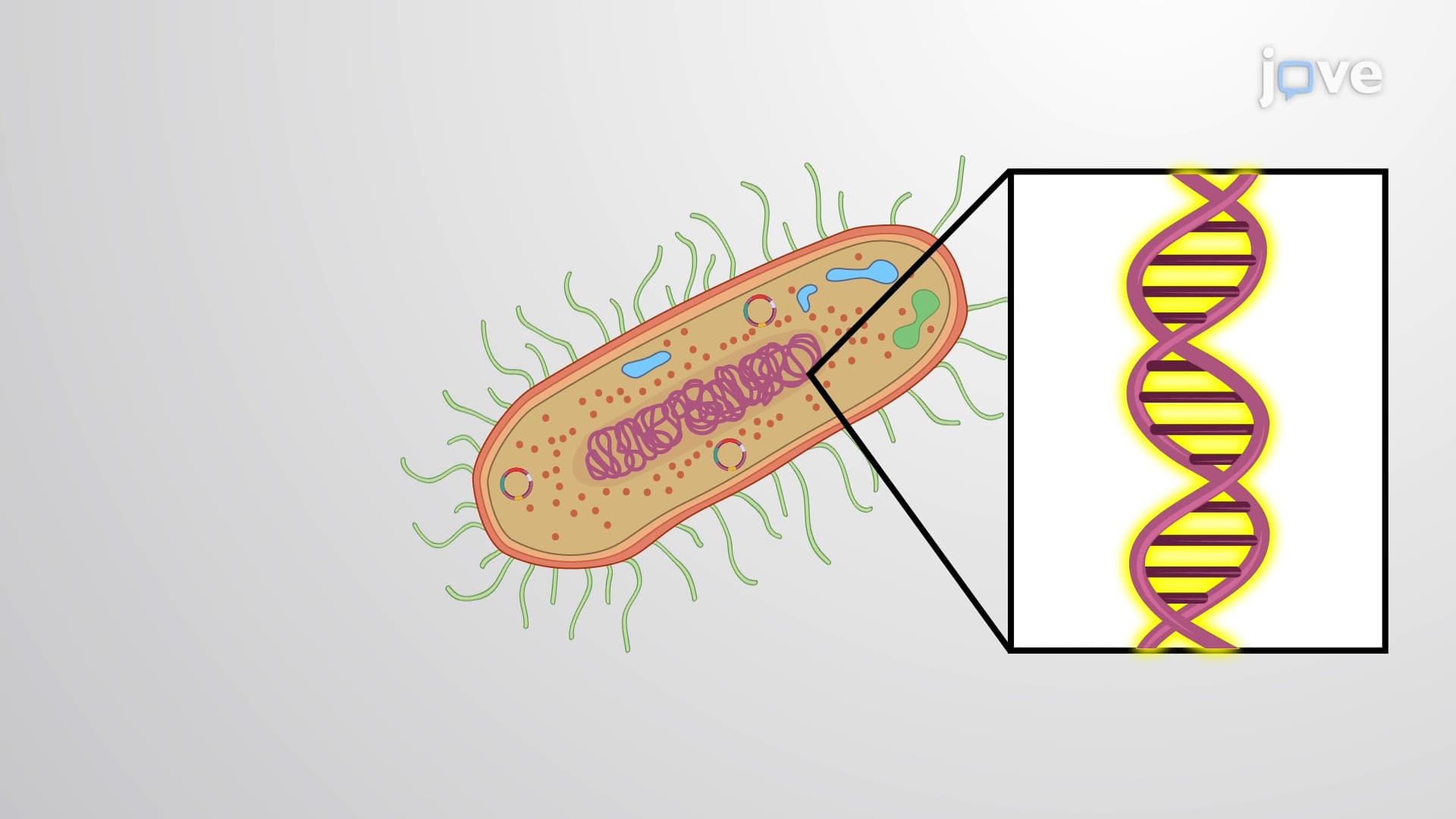
Binary fission definition explained as the primary reproductive mechanism for bacteria and archaea-single-celled organisms lacking membrane-bound nuclei. This asexual reproduction strategy enables prokaryotes to rapidly colonize environments, from the human gut microbiome to Yellowstone's hot springs. Unlike eukaryotic cells that undergo mitosis with complex chromosome alignment and spindle formation, binary fission represents an elegant, streamlined approach to cellular reproduction.
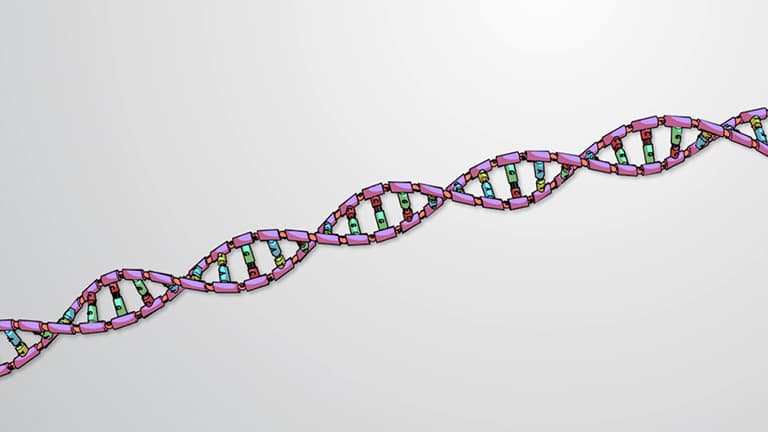
The binary fission overview reveals a precisely orchestrated sequence beginning with DNA replication at the origin of replication (oriC). Specialized enzymes like DNA helicase and DNA polymerase work bidirectionally, copying the single circular chromosome in both directions simultaneously. This differs markedly from eukaryotic replication, which occurs at multiple origins across linear chromosomes.
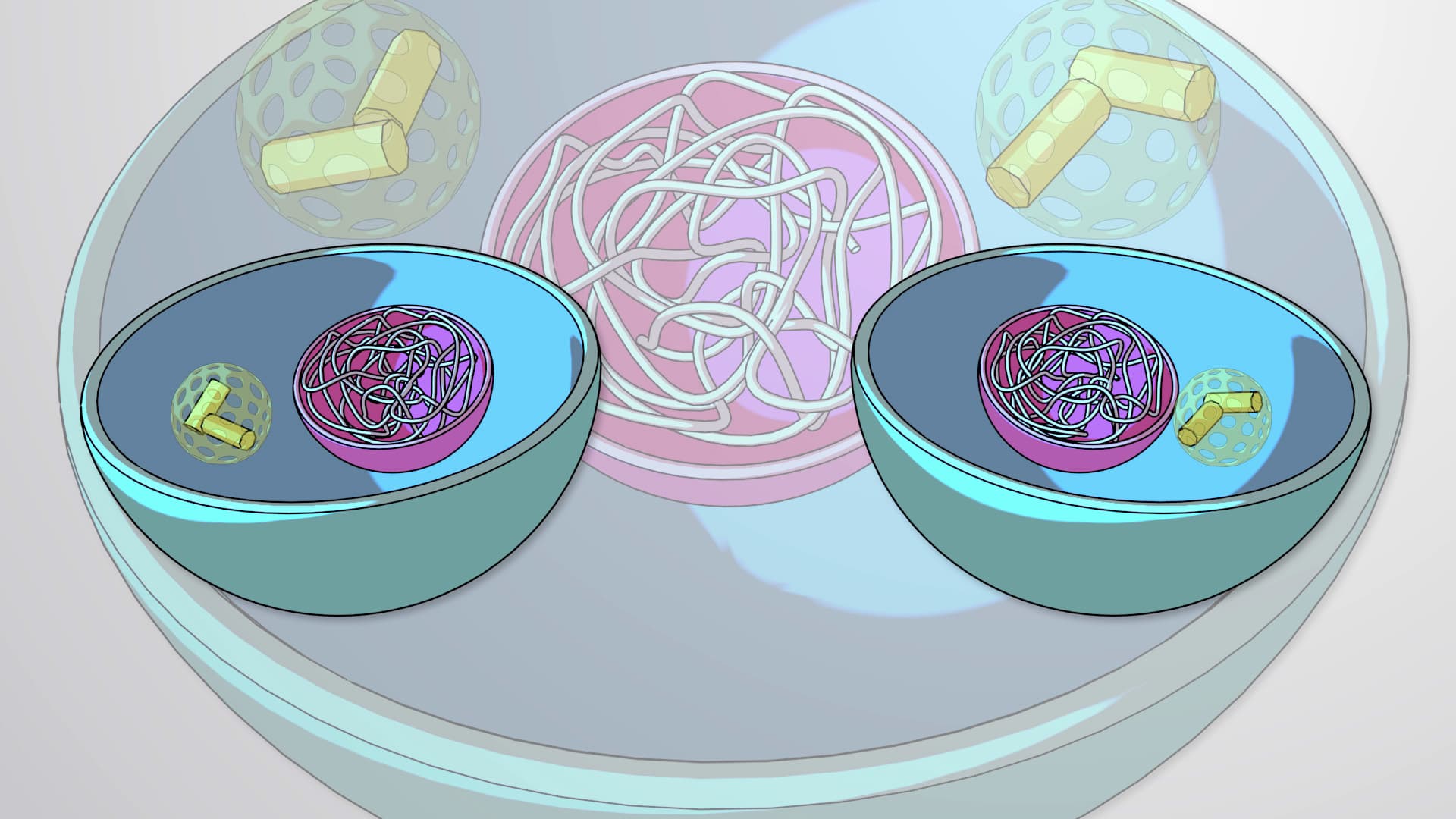
As replication progresses, the newly synthesized chromosomes migrate toward opposite cell poles-a process facilitated by proteins like MreB, which forms cytoskeletal filaments. The cell elongates significantly, ensuring adequate separation before division. Students preparing for the AP Biology exam should note this spatial organization prevents chromosome entanglement during separation.
The final phase involves cytokinesis, where a contractile ring composed primarily of FtsZ protein assembles at the cell's midpoint. This binary fission concept explained through the formation of the septum-a new cell wall that gradually constricts inward from the cell's periphery. Think of it like tying off a balloon in the middle until it separates into two distinct compartments.
Understanding binary fission proves crucial for MCAT preparation and medical school coursework. Pathogenic bacteria like *Streptococcus pyogenes* (causing strep throat) can double every 20-30 minutes under optimal conditions, explaining why bacterial infections can rapidly overwhelm immune responses. This knowledge also underlies antibiotic development strategies and hospital infection control protocols used across US healthcare systems.
Related Micro-courses