Loading video…


 9 Concepts
 1M views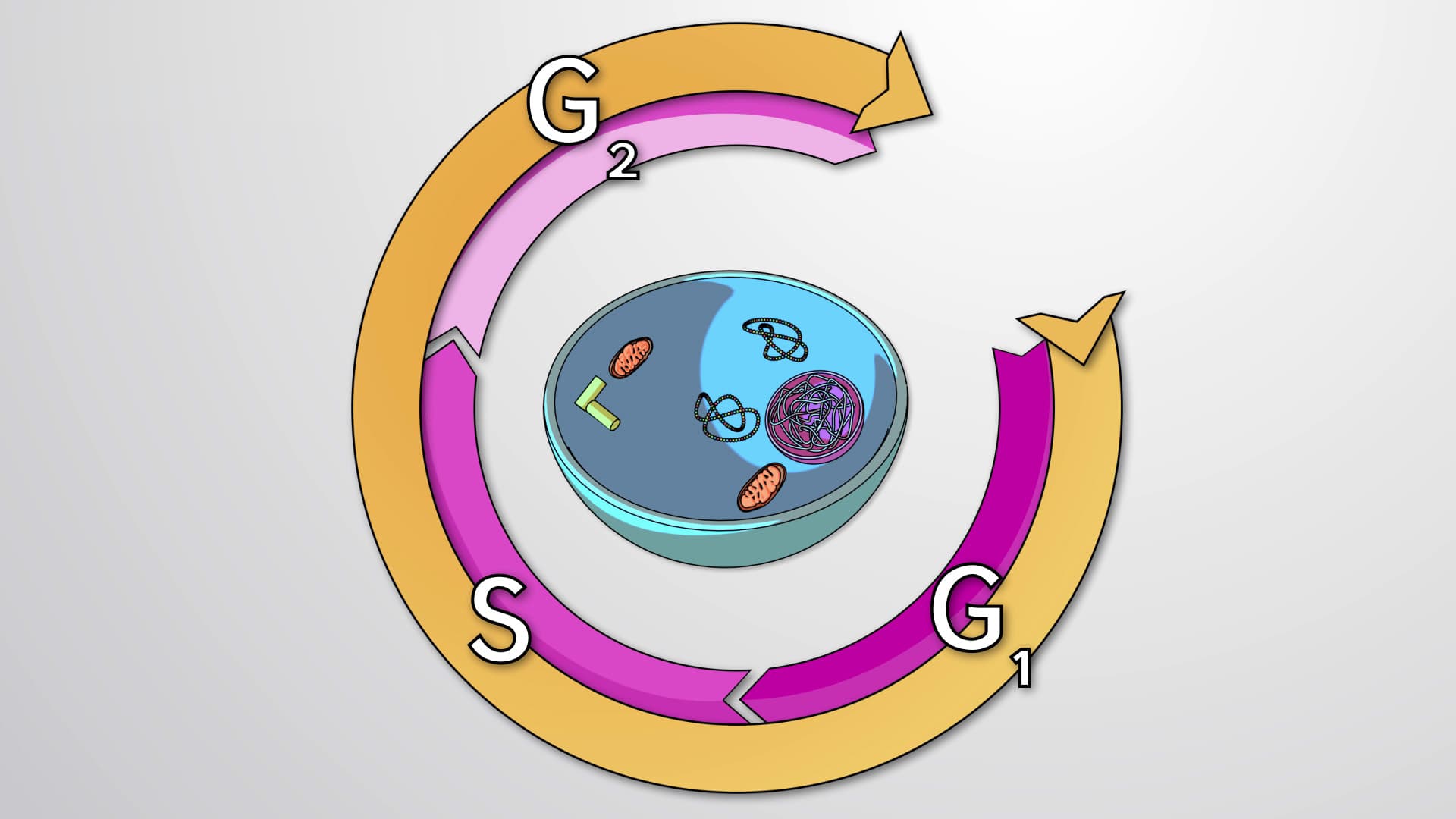

Video Summary: What Is Interphase
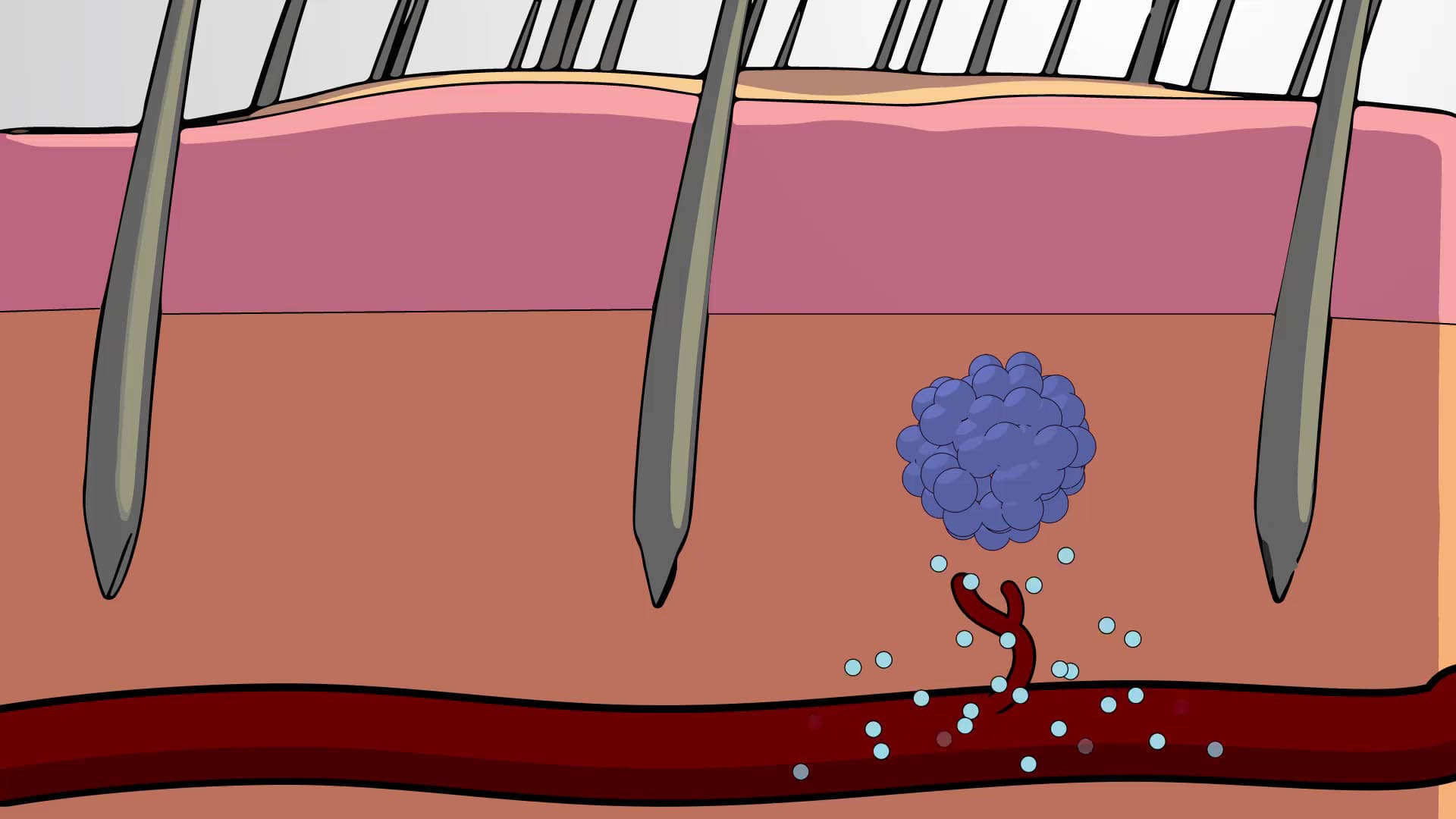
Did you know your skin cells spend about 22 hours of each day preparing for just 2 hours of actual division? Interphase explained biology reveals this fascinating preparation phase where cells grow, duplicate DNA, and stockpile resources. Consider a rapidly healing wound at Johns Hopkins Hospital-each replacement skin cell must complete what is interphase before dividing to repair tissue damage. Watch the full video on JoVE Coach to master this concept with expert-led visuals and step-by-step explanations.
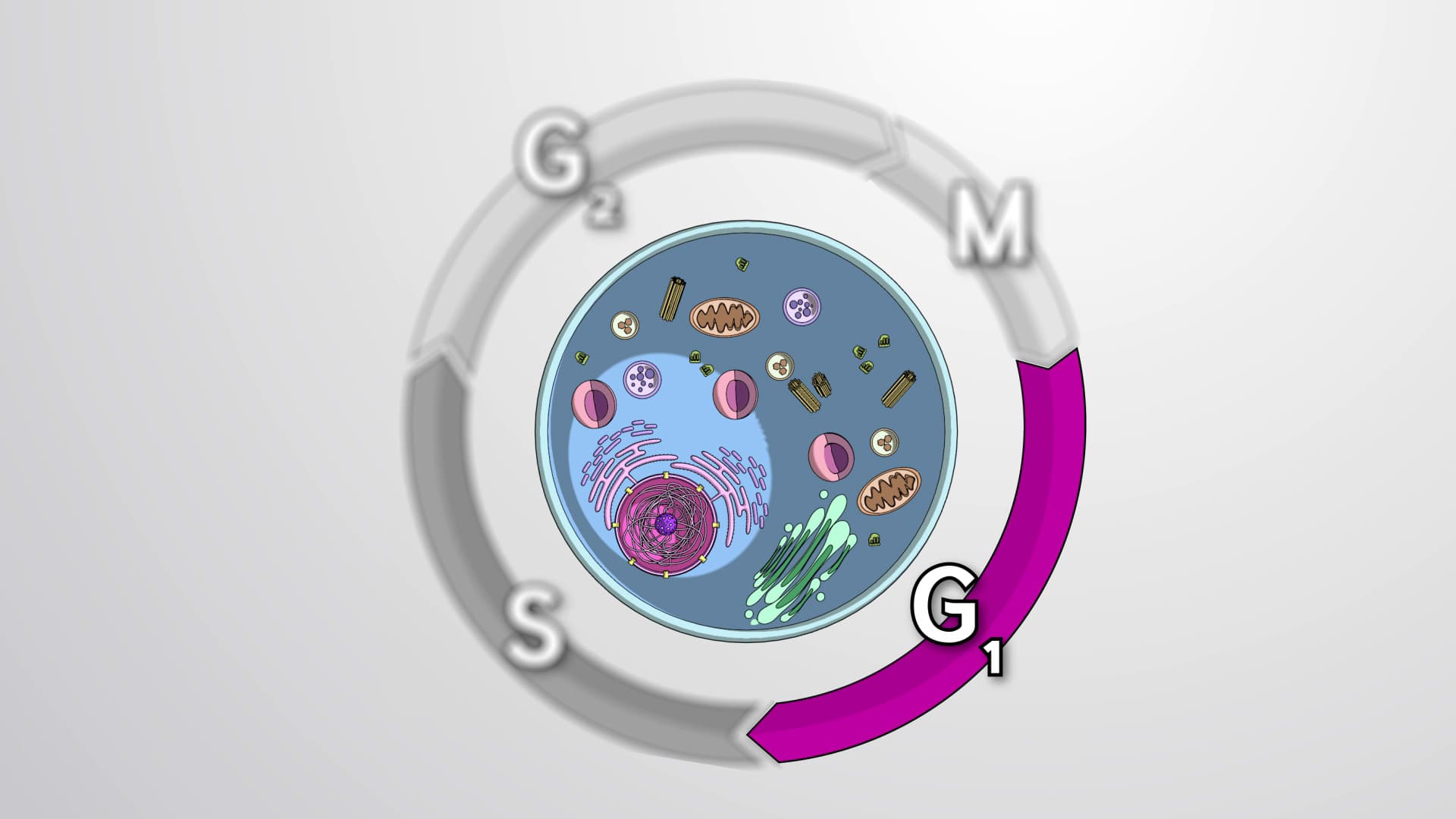
What is interphase represents the longest phase of the cell cycle, occupying approximately 90% of a cell's life in actively dividing tissues. Unlike the dramatic chromosome movements visible during mitosis, interphase appears deceptively quiet under a microscope. However, this phase involves intensive molecular activity as cells grow, replicate their genetic material, and prepare for division.
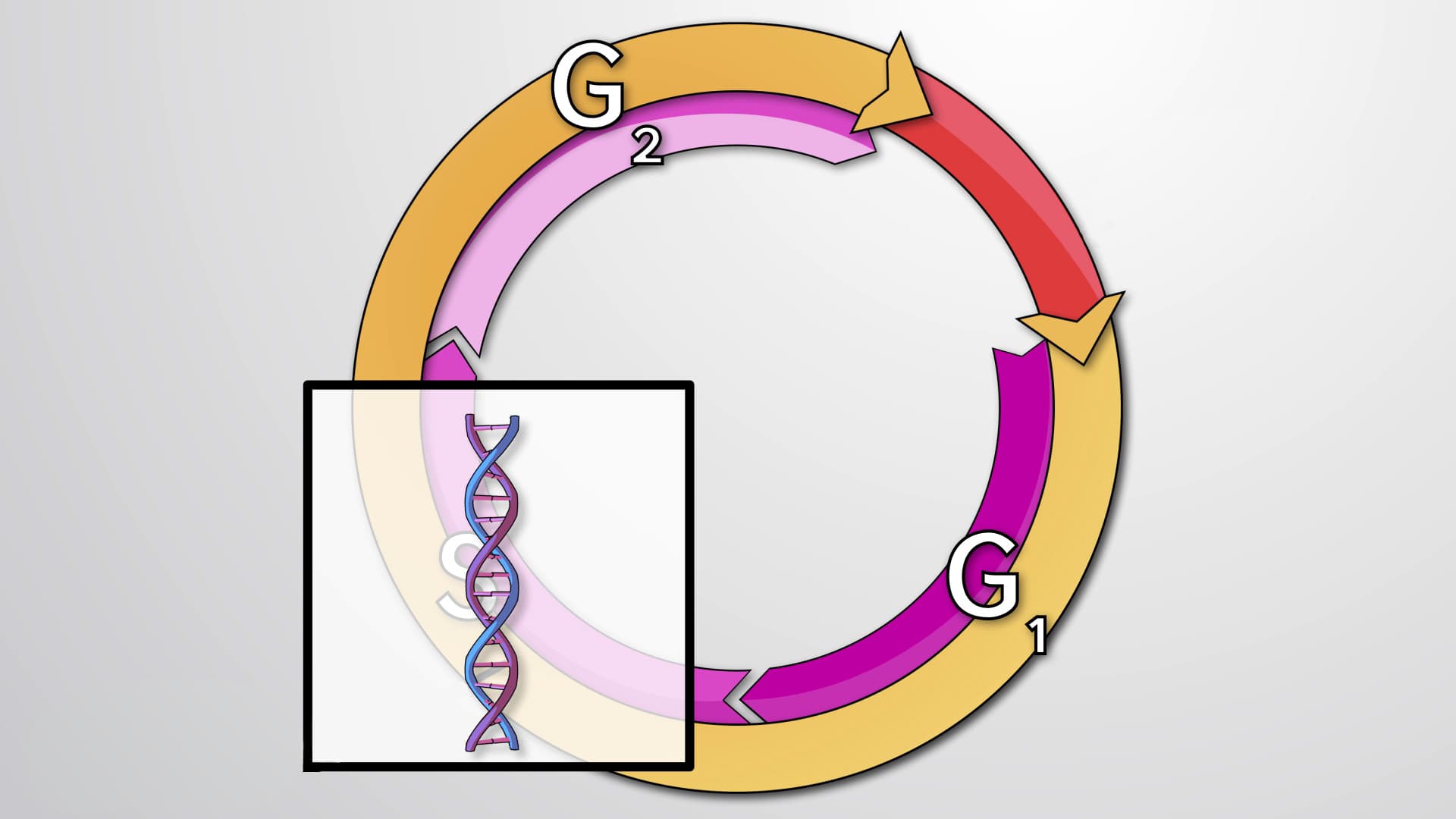
Interphase cell cycle biology consists of three sequential phases, each with distinct molecular signatures. During G1 (Gap 1), newly formed daughter cells increase in size and accumulate the enzymes, proteins, and organelles necessary for DNA synthesis. This phase varies dramatically in duration-while embryonic cells may spend only minutes in G1, adult liver cells can remain here for months.
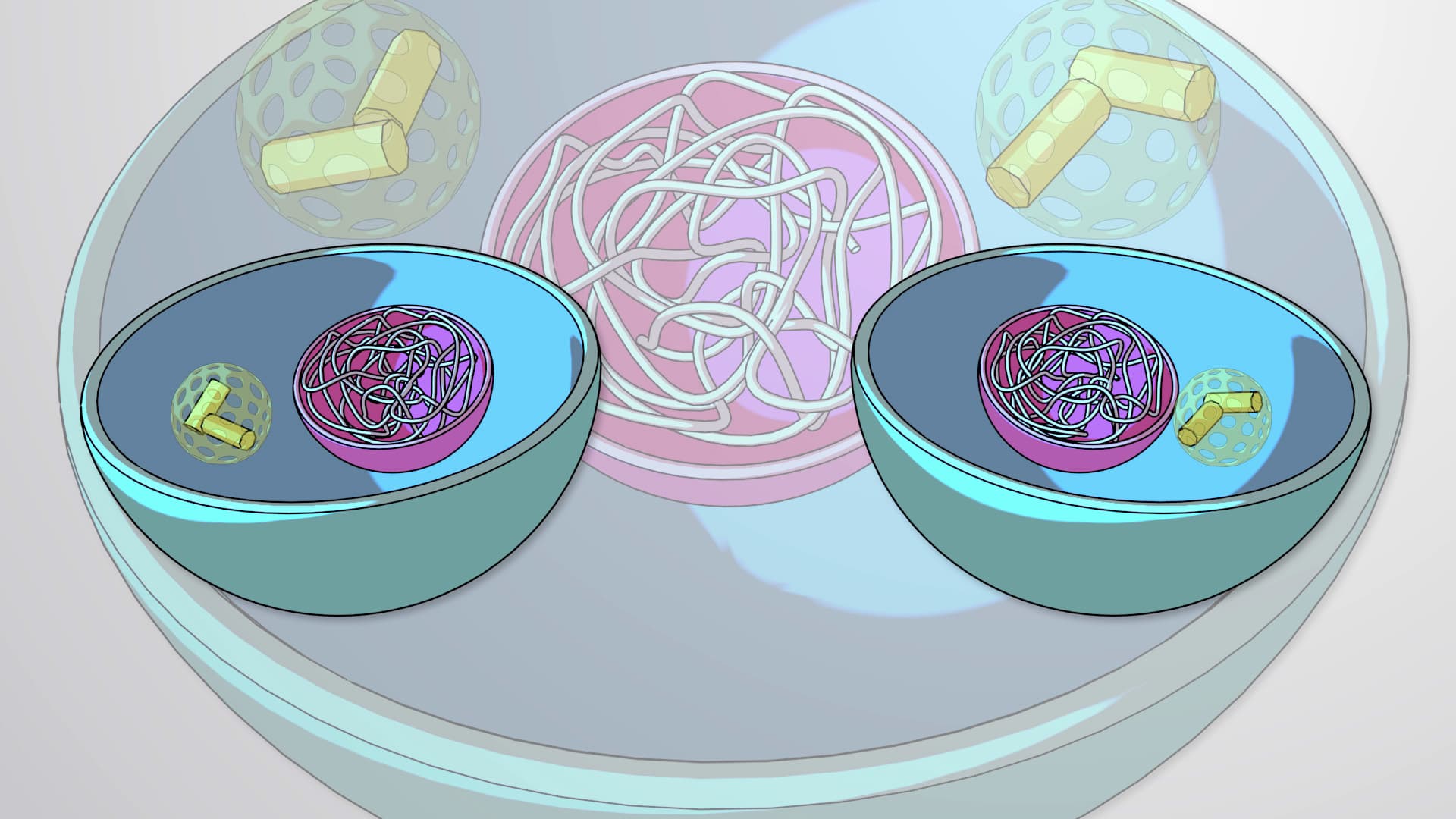
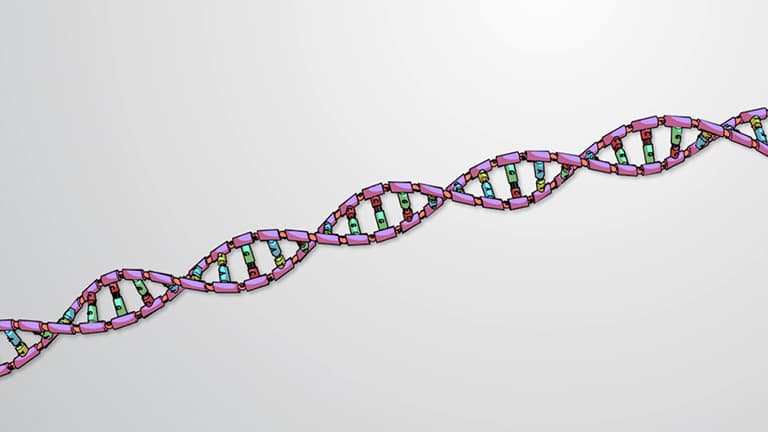
The S (Synthesis) phase represents the most critical period when DNA replication interphase occurs. Human cells must accurately duplicate 3.2 billion base pairs of DNA while maintaining chromatin organization. Simultaneously, centrosome duplication begins, creating the cellular machinery required for chromosome separation during mitosis. Students preparing for AP Biology exams should note that DNA polymerase, helicase, and ligase coordinate this complex process.
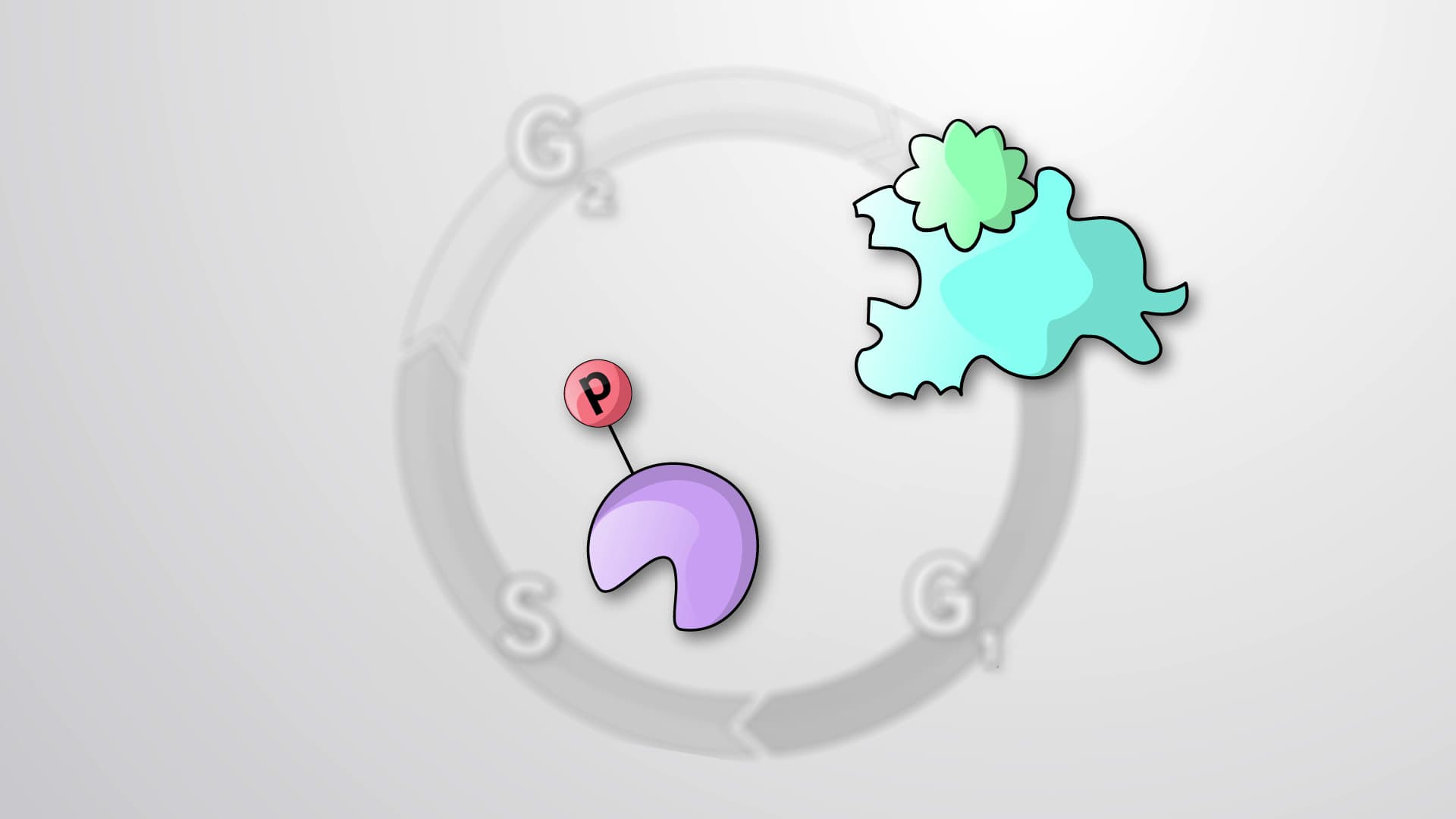
Cell growth interphase continues during G2 (Gap 2), where cells double their protein content and organelle numbers. This interphase preparation mitosis phase includes critical quality control checkpoints. Cells verify DNA replication accuracy and ensure adequate cytoplasmic volume to support two daughter cells. Cancer research at institutions like MD Anderson Cancer Center focuses heavily on G2 checkpoint failures that allow damaged cells to divide.
Understanding G1 S G2 interphase proves essential for MCAT preparation and undergraduate cell biology courses. Medical students studying oncology learn how chemotherapy drugs like hydroxyurea specifically target S-phase cells, while radiation therapy exploits G2 checkpoint deficiencies in tumor cells. In academic settings, professors often use HeLa cells (originally from Henrietta Lacks) to demonstrate interphase duration variations under different growth conditions.
Related Micro-courses