Loading subject page…


440,300 views
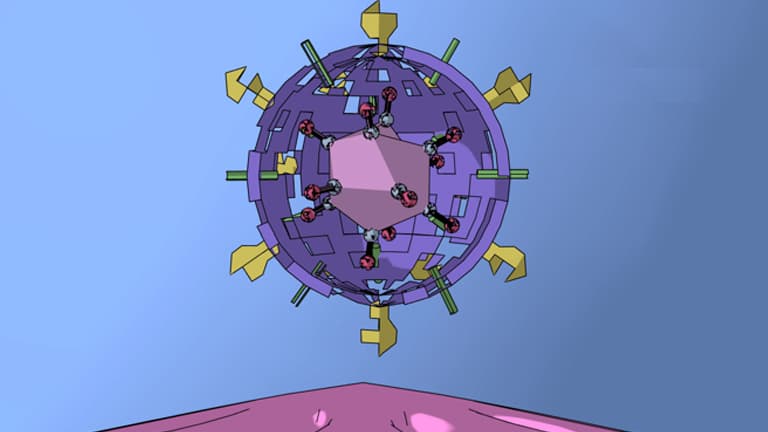

Video Summary: What are Viral Mutations
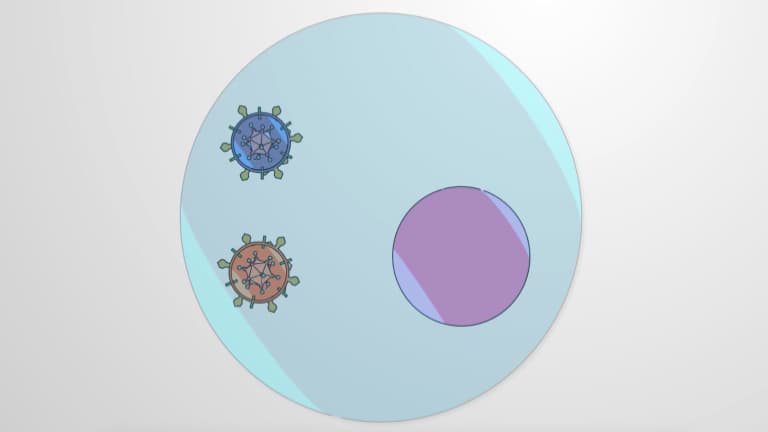
Why do flu vaccines need updating every year while measles vaccines last decades? Viral mutations are permanent genetic changes that occur during virus replication, causing some viruses to evolve rapidly. HIV exemplifies this challenge in the US healthcare system, where constant genetic changes make developing effective treatments incredibly difficult. Understanding what are viral mutations reveals why certain viral diseases remain persistent global health threats. Watch the full video on JoVE Coach to master this concept with expert-led visuals and step-by-step explanations.
Viral mutations represent permanent alterations in a virus's genetic material that occur during replication. These changes can range from single nucleotide substitutions to larger insertions or deletions, fundamentally altering viral proteins and behavior. Unlike cellular organisms with sophisticated DNA repair mechanisms, viruses often lack these quality control systems, leading to higher mutation rates that drive rapid evolution.
RNA viruses demonstrate particularly high mutation rates due to their replication machinery. The enzyme reverse transcriptase, used by retroviruses like HIV, lacks 3' to 5' exonuclease activity-the proofreading function that corrects errors during DNA synthesis. This absence results in approximately one error per 10,000 nucleotides copied, compared to one error per 10 million for DNA polymerases with proofreading capability.
The influenza virus exemplifies rapid RNA virus evolution. Each year, the Centers for Disease Control and Prevention (CDC) updates flu vaccine formulations because antigenic drift-gradual mutations in surface proteins-allows viruses to evade previous immune responses. This phenomenon explains why students studying for AP Biology or college microbiology courses encounter questions about viral evolution and vaccine development strategies.
HIV provides the most studied example of viral mutations leading to treatment challenges. The virus's high mutation rate generates approximately 10 billion new variants daily in an infected individual. This genetic diversity enables rapid development of drug resistance, requiring combination antiretroviral therapy (cART) to suppress viral replication effectively.
Students preparing for the MCAT or medical school coursework should understand that viral mutations drive several key clinical phenomena: vaccine escape variants, antiviral drug resistance, and emergence of new pathogenic strains. The recent COVID-19 pandemic demonstrated these principles in real-time, as variants like Alpha, Delta, and Omicron emerged through accumulated mutations affecting transmissibility and immune evasion.
Viral mutations occur randomly, but natural selection determines which variants persist. Mutations conferring advantages-increased transmissibility, immune evasion, or drug resistance-become more prevalent in viral populations. This process, called genetic drift and selection, shapes viral evolution patterns that epidemiologists and virologists study to predict future outbreaks and inform public health responses.
Related Micro-courses