Loading video…


 7 Concepts
 440.3K views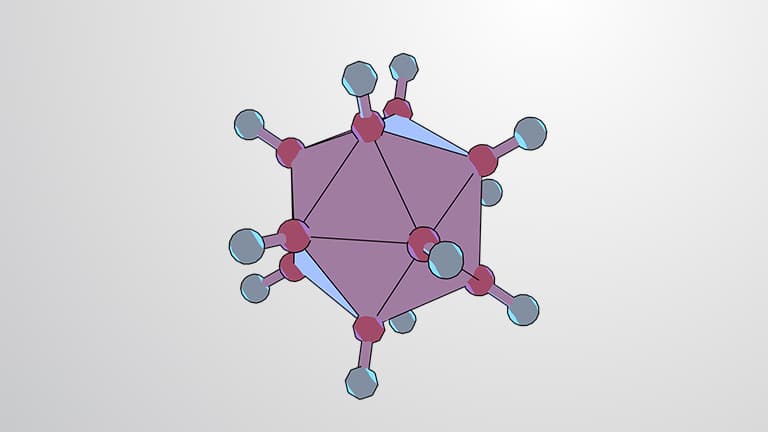

Video Summary: What Is Viral Structure
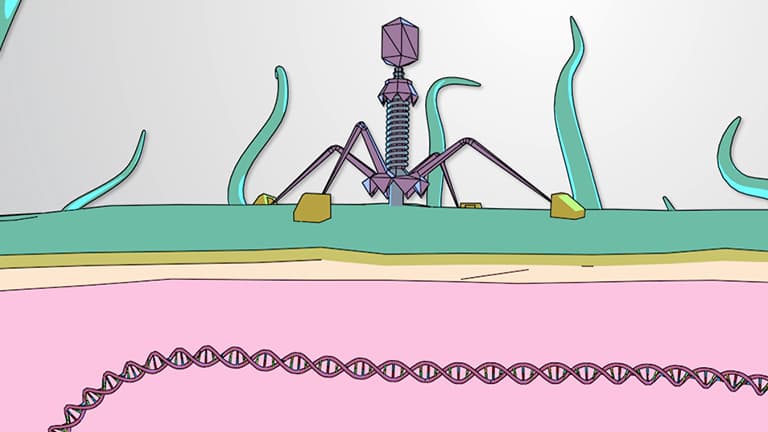
Did you know that the COVID-19 virus that disrupted American schools and universities has the same basic structural blueprint as every other virus on Earth? Viral structure follows universal principles despite incredible diversity in size and shape. From the influenza viruses circulating through US college dormitories to the bacteriophages used in cutting-edge medical research at Johns Hopkins University, all viruses share core structural components that enable their remarkable ability to hijack host cells. Watch the full video on JoVE Coach to master this concept with expert-led visuals and step-by-step explanations.
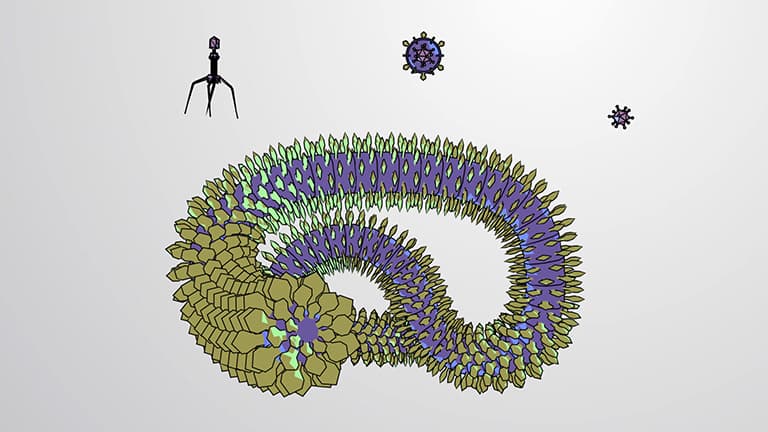
Viral structure represents one of biology's most elegant examples of form following function. Despite their microscopic size-ranging from 20 nanometers to 400 nanometers-viruses maintain consistent structural organization that enables their survival and replication. This structural consistency becomes particularly important when studying viral pathogenesis in US medical schools and understanding how viruses like SARS-CoV-2 can rapidly spread through American communities.
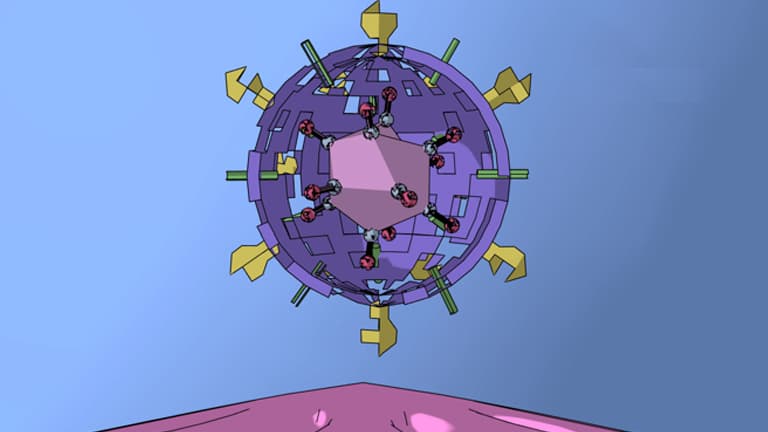
At the heart of every virus lies the genome, containing either DNA or RNA that carries the genetic instructions for viral replication. This genetic material remains protected by the capsid, a protein shell constructed from repeating subunits called capsomeres. The capsid's architecture directly influences viral stability-a critical factor when considering how viruses survive on surfaces in US hospitals or schools. For instance, non-enveloped viruses like norovirus (responsible for cruise ship outbreaks) possess robust capsids that withstand harsh environmental conditions, while enveloped viruses like influenza require more protected transmission routes.
The capsomeres themselves demonstrate remarkable precision in assembly, forming geometric patterns that maximize genetic material protection while minimizing protein requirements. This efficiency proves crucial for viral success, as viruses must hijack host cellular machinery for reproduction rather than maintaining their own metabolic systems.
The combination of genome and capsid creates the nucleocapsid, representing the complete infectious unit in non-enveloped viruses. This structure becomes the virion-the mature, extracellular form capable of infecting new host cells. Understanding nucleocapsid organization proves essential for AP Biology students and pre-med undergraduates, as this knowledge directly relates to antiviral drug mechanisms and vaccine development strategies employed by pharmaceutical companies like Pfizer and Moderna.
Viral structure knowledge directly impacts US healthcare and academic assessments. MCAT questions frequently test understanding of structural-functional relationships in viruses, while medical students must grasp these concepts for USMLE Step 1 success. Additionally, pharmaceutical research at institutions like the CDC and NIH relies heavily on structural virology principles when developing therapeutic interventions against emerging viral threats.
Related Micro-courses