Loading video…


 7 Concepts
 440.3K views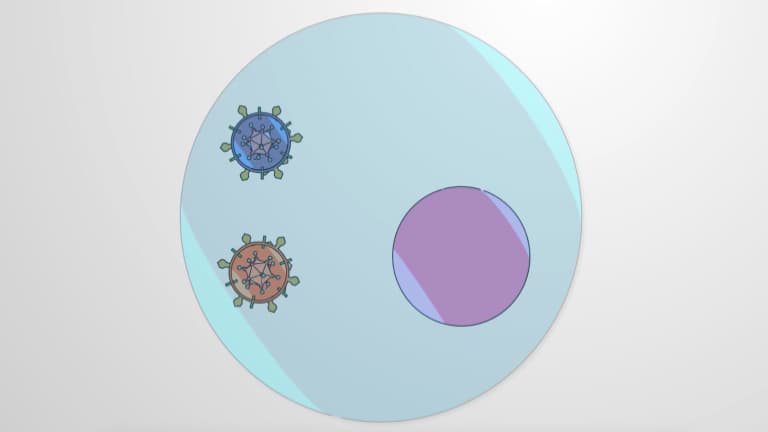

Video Summary: What Is Viral Recombination
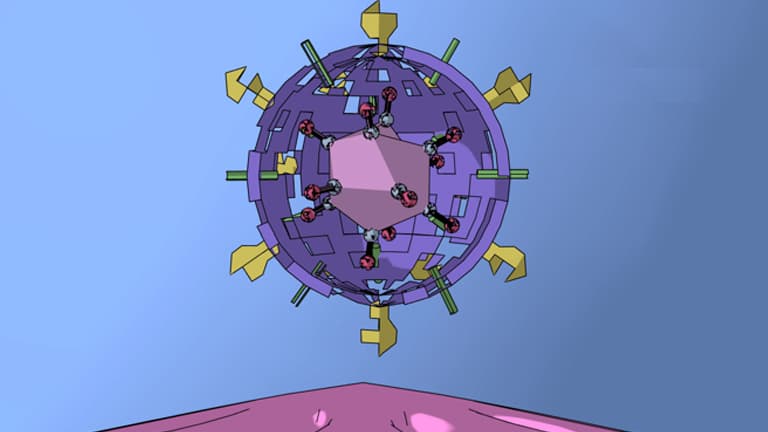
Ever wonder how the flu virus changes so rapidly each year, requiring new vaccines? Viral recombination occurs when a single cell becomes infected with two different viral strains simultaneously, allowing genetic material to mix and create entirely new viral variants. The 2009 H1N1 pandemic influenza strain emerged through this exact process, combining genetic segments from human, swine, and avian flu viruses. Understanding what is viral recombination reveals how viruses evolve and adapt so quickly in nature. Watch the full video on JoVE Coach to master this concept with expert-led visuals and step-by-step explanations.
Viral recombination represents one of nature's most powerful mechanisms for viral evolution and adaptation. This process occurs when a single host cell becomes simultaneously infected with two or more different viral strains, creating opportunities for genetic material exchange. Unlike sexual reproduction in higher organisms, viral recombination happens entirely within the confines of an infected cell's cytoplasm, where viral genomes can interact and reorganize.
The significance of this process extends far beyond academic curiosity. Viral recombination directly impacts public health by generating new viral variants that may escape immune recognition, resist antiviral drugs, or exhibit altered pathogenicity. Students preparing for AP Biology, college microbiology courses, or pre-health programs must understand this concept as it frequently appears in exam questions about viral genetics and evolution.
Two distinct mechanisms drive viral genetic mixing during co-infection. Homologous recombination occurs when similar DNA or RNA sequences from different viral strains physically align and exchange segments through crossing over events. This process resembles chromosomal crossing over during meiosis but happens much more rapidly and frequently in viral systems.
Reassortment represents the second major mechanism, particularly important in segmented viruses like influenza. During reassortment, entire genome segments shuffle between viral strains like cards being dealt from different decks. A newly formed virus might inherit segments 1, 3, and 5 from strain A while receiving segments 2, 4, 6, 7, and 8 from strain B. This wholesale exchange of functional units creates dramatic genetic diversity quickly.
The 2009 H1N1 influenza pandemic provides a compelling example of viral recombination's real-world consequences. This "swine flu" virus contained genetic segments from four different sources: North American swine influenza, North American avian influenza, human influenza, and Eurasian swine influenza. The resulting recombinant virus possessed novel antigenic properties that bypassed existing population immunity, enabling global spread.
Similarly, HIV demonstrates ongoing recombination between different viral subtypes in co-infected patients. The Centers for Disease Control and Prevention (CDC) tracks these recombinant forms because they may exhibit different drug resistance profiles or transmission characteristics. Understanding viral recombination helps healthcare providers anticipate treatment challenges and guides public health surveillance strategies.
Related Micro-courses