Loading subject page…


440,300 views

Video Summary: What are Lytic Cycle of Bacteriophages
Did you know that some viruses can completely hijack bacterial cells and turn them into virus-making factories? The lytic cycle bacteriophages demonstrates nature's most efficient cellular takeover strategy, where specialized viruses called bacteriophages inject their DNA into bacteria and commandeer the host's machinery. This process is crucial for understanding antibiotic-resistant infections like MRSA in US hospitals, where researchers study phage therapy as an alternative treatment. Watch the full video on JoVE Coach to master this concept with expert-led visuals and step-by-step explanations.
The lytic cycle of bacteriophages represents one of nature's most efficient viral replication strategies, where bacteriophages (literally "bacteria eaters") completely destroy their bacterial hosts to produce new viral particles. This process is fundamental to microbiology and appears frequently on AP Biology exams, MCAT questions, and college microbiology courses across US universities.
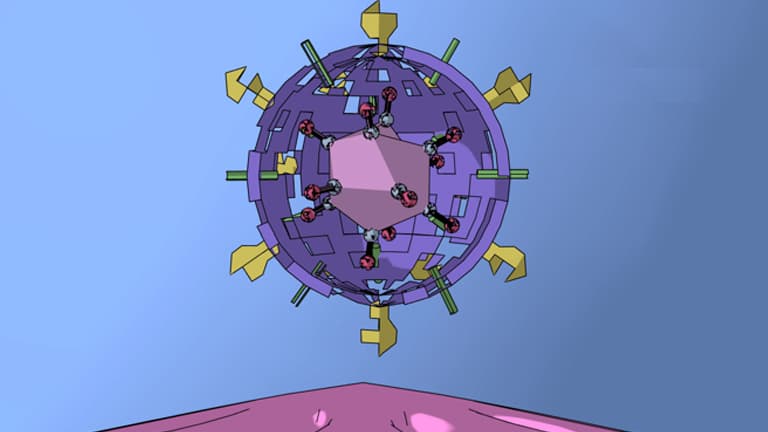
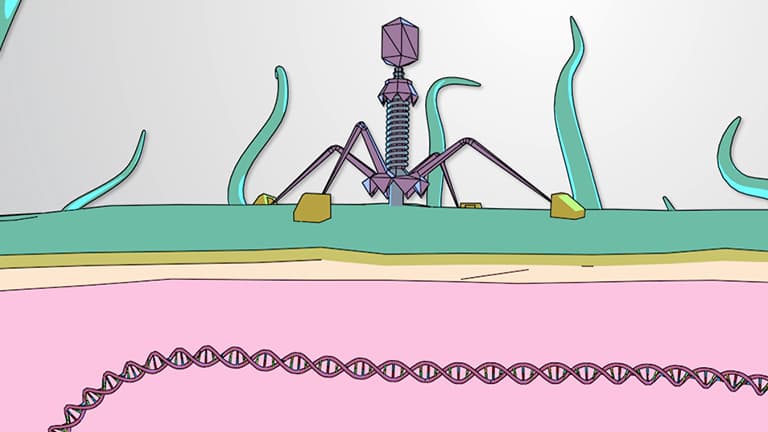
The lytic cycle occurs through five distinct phases. Attachment begins when tail fiber proteins on the bacteriophage recognize and bind to specific receptor molecules on the bacterial cell surface-this specificity explains why certain phages only infect particular bacterial species. During penetration, the phage's tail contracts like a molecular syringe, injecting viral DNA through the bacterial cell wall while leaving the empty protein capsid outside.
The biosynthesis phase showcases the virus's cellular hijacking abilities. The injected viral DNA immediately begins redirecting the bacterium's ribosomes, enzymes, and metabolic resources toward viral component production. The host's own DNA is typically degraded to provide raw materials, effectively signing the cell's death warrant. This phase is crucial for understanding viral pathogenesis in medical contexts-US medical schools frequently test students on these mechanisms during USMLE Step 1 preparation.
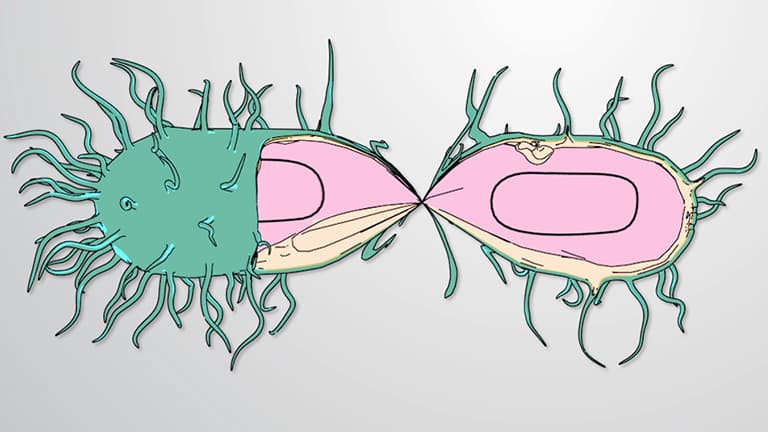
Maturation and lysis complete the cycle with devastating efficiency. New viral components self-assemble into hundreds of progeny viruses inside the doomed bacterium. The phage then produces enzymes that weaken the bacterial cell wall, causing osmotic pressure to burst the cell and release the viral offspring to infect nearby bacteria.
This process has profound implications for US healthcare. Researchers at institutions like the University of California San Francisco are investigating phage therapy to combat antibiotic-resistant infections like methicillin-resistant Staphylococcus aureus (MRSA), which affects over 80,000 Americans annually. The lytic cycle's precision-targeting specific bacterial species while leaving human cells unharmed-makes it a promising alternative to traditional antibiotics.
Understanding lytic cycles also explains bacterial population dynamics in environments from Yellowstone's hot springs to agricultural soils across the Midwest, where phages regulate bacterial communities and influence ecosystem stability.
Related Micro-courses