Loading subject page…


440,300 views

Video Summary: What are Lysogenic Cycle of Bacteriophages
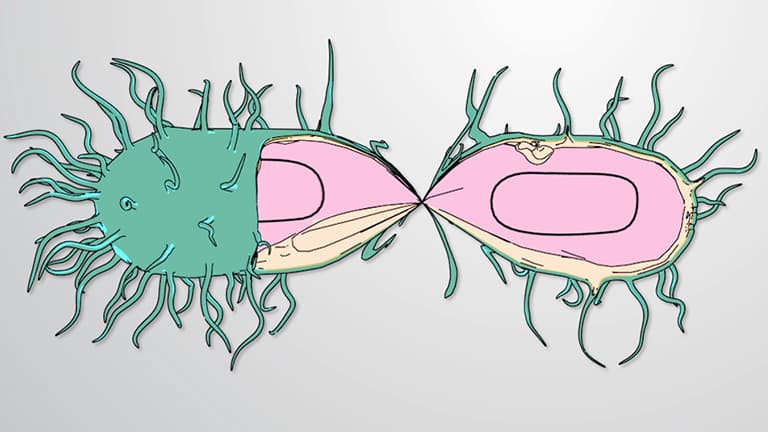
Did you know that viruses can hide dormant inside bacterial cells for months without killing them? The lysogenic cycle bacteriophages follows a stealth strategy where viral DNA integrates into the host's chromosome, creating a prophage that replicates alongside normal cell division. Unlike the destructive lytic cycle, this process allows viruses like lambda phage in *E. coli* to maintain a low-profile presence until environmental stress triggers activation. Understanding what are lysogenic cycle of bacteriophages reveals how some viruses prioritize long-term survival over immediate reproduction. Watch the full video on JoVE Coach to master this concept with expert-led visuals and step-by-step explanations.
The lysogenic cycle of bacteriophages represents one of nature's most sophisticated survival strategies, where viruses essentially "go underground" to ensure long-term persistence. This process contrasts sharply with the immediate destruction seen in lytic cycles, instead favoring a patient approach that can last for generations.
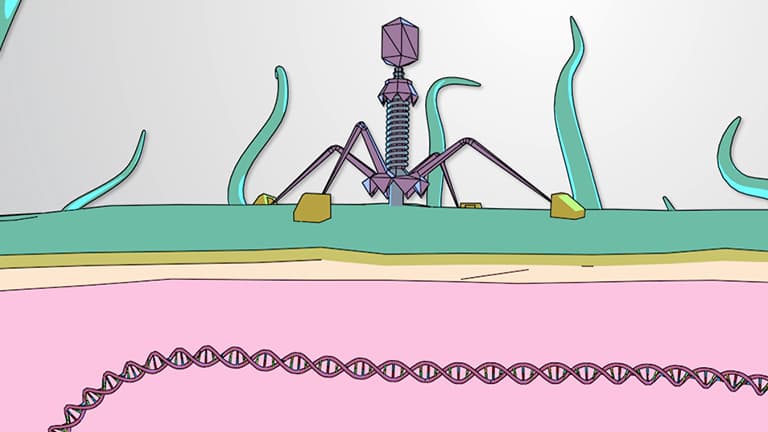
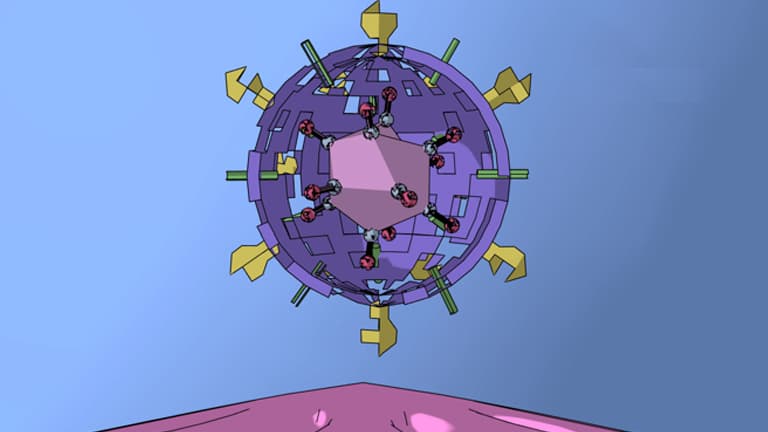
When bacteriophages enter the lysogenic pathway, they follow a carefully orchestrated molecular dance. After initial attachment and DNA injection, the viral genome undergoes site-specific recombination with the bacterial chromosome. This integration is facilitated by specialized enzymes like integrase, which recognize specific attachment sites (attP on phage DNA and attB on bacterial DNA). The resulting prophage becomes a permanent resident of the bacterial genome, inherited by all daughter cells during normal DNA replication. Famous examples include lambda phage integration into *Escherichia coli* at specific chromosomal locations.
The decision between lytic and lysogenic cycles depends on sophisticated regulatory circuits that sense environmental conditions. When nutrients are abundant and bacterial populations are dense, phages often choose lysogeny to avoid depleting their host reservoir. However, stress conditions like UV radiation, chemical exposure, or nutrient depletion can trigger prophage induction, causing a switch to lytic replication. This mechanism explains why certain bacterial infections can suddenly worsen when patients undergo treatments that stress bacterial communities.
Understanding lysogeny proves crucial for students preparing for AP Biology exams, college microbiology courses, and pre-med requirements. The MCAT frequently tests viral replication mechanisms, while nursing students encounter lysogenic concepts when studying antibiotic resistance and healthcare-associated infections. Real-world applications include biotechnology research at institutions like MIT and Stanford, where scientists engineer temperate phages for gene delivery systems. Additionally, the recent surge in phage therapy research at companies like Adaptive Phage Therapeutics relies heavily on understanding lysogenic-lytic switches to develop targeted bacterial treatments that avoid beneficial microbiome disruption.
Related Micro-courses