Loading video…


 7 Concepts
 440.3K views

Video Summary: What are Viruses Structure Replication and Classification
Did you know that a single flu virus can hijack one human cell to produce over 10,000 new viral particles in just 8 hours? Understanding what are viruses? structure, replication, and classification reveals how these microscopic invaders operate at the cellular level. From COVID-19 outbreaks to seasonal influenza that affects millions of Americans annually, viruses demonstrate remarkable efficiency in cellular invasion and replication. Watch the full video on JoVE Coach to master this concept with expert-led visuals and step-by-step explanations.
Viruses represent one of biology's most fascinating paradoxes: they exist at the boundary between living and non-living entities. These obligate intracellular parasites consist of genetic material (DNA or RNA) surrounded by a protective protein coat called a capsid. Unlike bacteria or eukaryotic cells, viruses lack the cellular machinery necessary for independent metabolism or reproduction, making them entirely dependent on host cells for survival and replication.
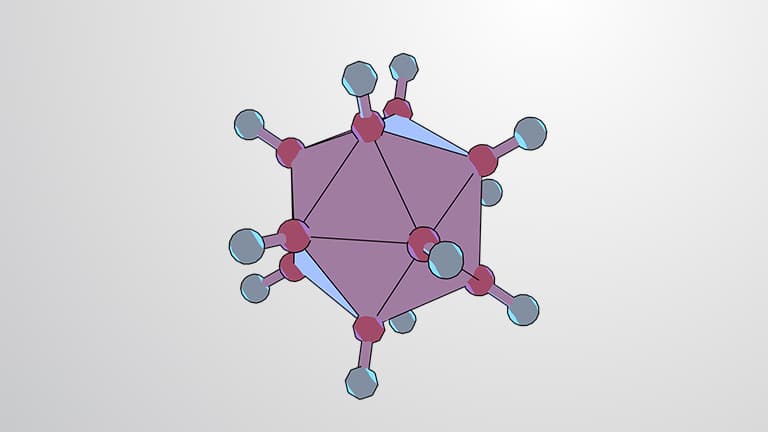
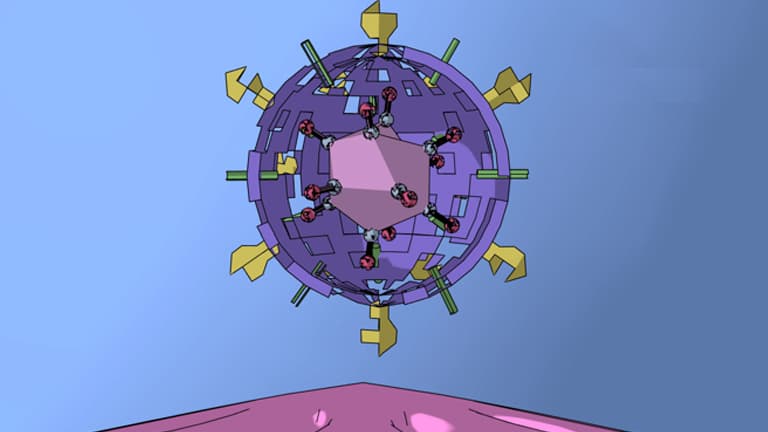
The basic viral structure includes several key components that determine infectivity and host specificity. The nucleic acid core contains the viral genome, which may be single or double-stranded DNA or RNA. The capsid, composed of repeating protein subunits called capsomeres, protects the genetic material and facilitates cellular entry. Many viruses also possess an envelope derived from host cell membranes, studded with viral proteins that function as attachment and fusion proteins. For example, the SARS-CoV-2 virus responsible for COVID-19 uses its characteristic spike proteins to bind human ACE2 receptors.
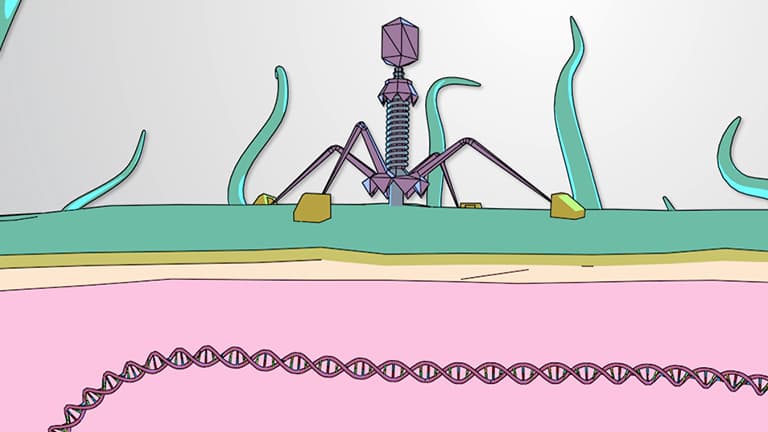
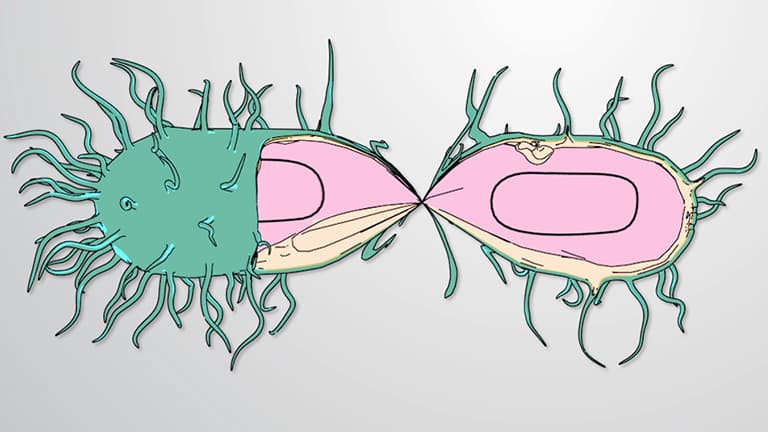
The viral replication process follows a predictable sequence regardless of virus type. First, attachment occurs when viral surface proteins bind to specific cellular receptors. Penetration follows, either through direct membrane fusion or endocytosis. Once inside, the virus undergoes uncoating, releasing its genetic material into the host cell's cytoplasm or nucleus. The replication phase varies significantly between DNA and RNA viruses, but both hijack cellular machinery to produce viral components. Finally, assembly and release create new infectious particles, often destroying the host cell in the process.
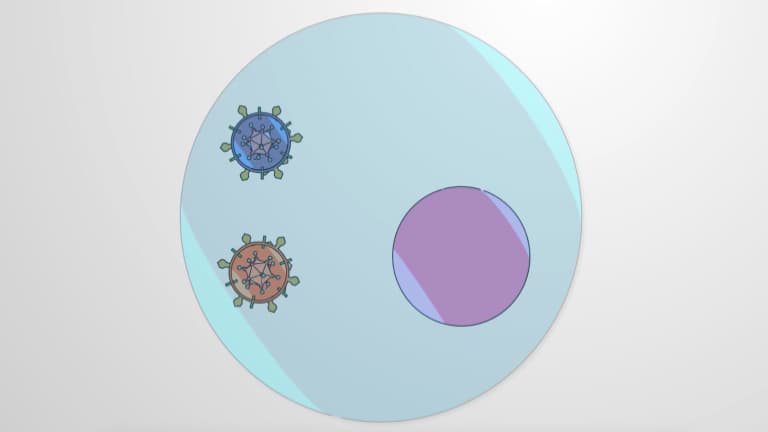
Virologists classify viruses using multiple criteria including genome type, capsid symmetry, presence of envelopes, and replication strategies. The Baltimore classification system, widely used in academic settings, categorizes viruses into seven groups based on their nucleic acid type and replication method. This knowledge proves essential for students preparing for the MCAT or AP Biology exams, where viral classification questions frequently appear. Understanding these systems also helps explain why certain antiviral drugs target specific virus families, for instance, why nucleoside analogs like AZT effectively treat HIV but not influenza.
Related Micro-courses