Loading subject page…


1,097,517 views

Video Summary: What are Cofactors and Coenzymes
Did you know that many life-saving medications in US hospitals work by targeting the same molecular helpers that keep your cells running? Cofactors coenzymes are essential molecular assistants that make enzymes work properly in your body. For example, the magnesium in your multivitamin helps break down glucose for energy, while vitamin C from orange juice helps build the collagen that keeps your skin strong. Understanding what are cofactors and coenzymes reveals how these tiny molecules power everything from wound healing to energy production. Watch the full video on JoVE Coach to master this concept with expert-led visuals and step-by-step explanations.
Cofactors coenzymes represent two distinct categories of non-protein molecules that are absolutely essential for enzyme function. Think of enzymes as highly skilled workers in a factory-they're incredibly talented, but they often need specific tools and helpers to complete their jobs effectively. Without these molecular assistants, many of the biochemical reactions that keep us alive would slow down dramatically or stop entirely.
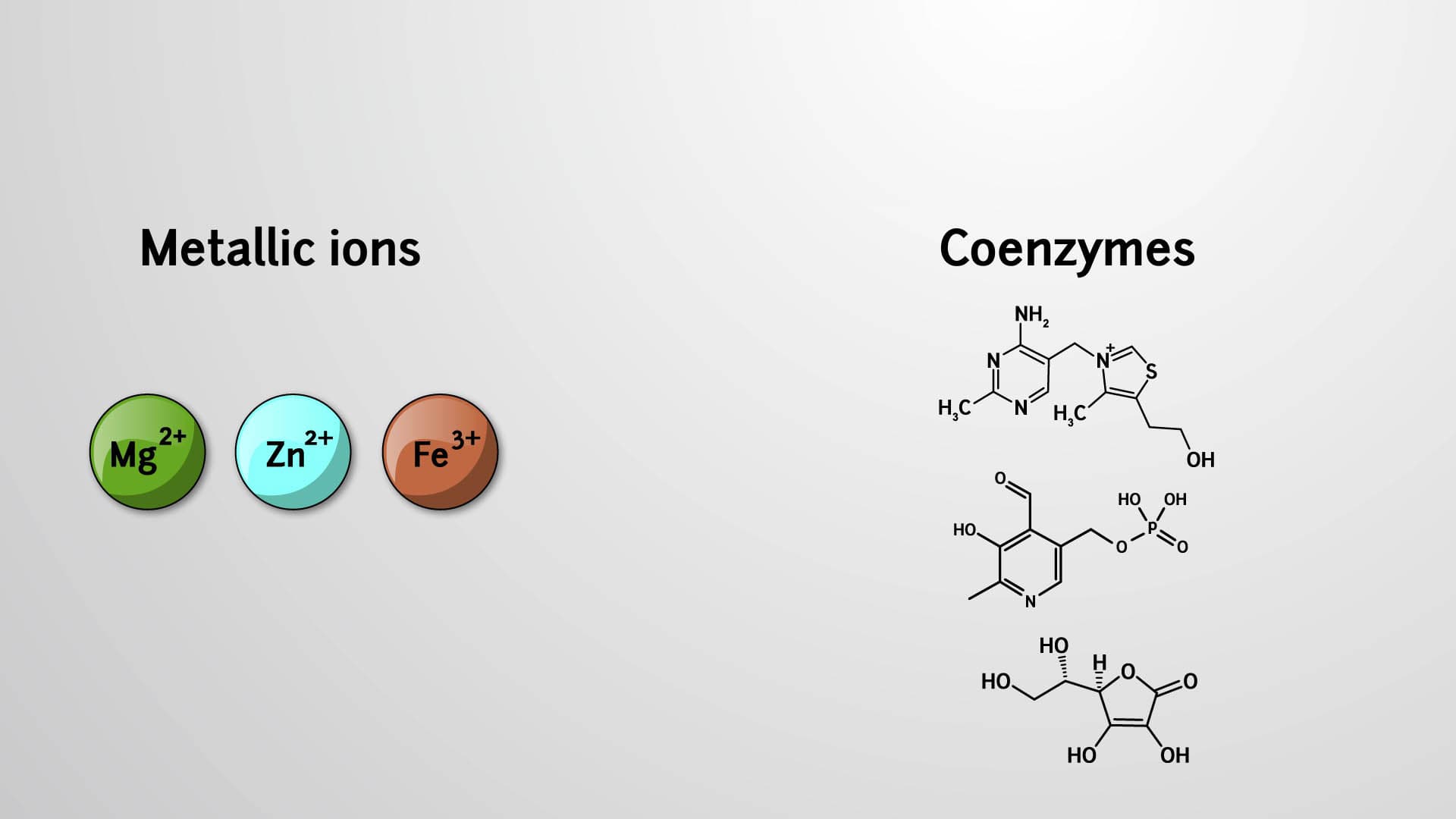
The distinction between cofactors and coenzymes lies primarily in their chemical nature and origin. Cofactors are typically inorganic ions-usually metals like magnesium, zinc, iron, or copper. These metallic helpers often serve as structural supports or participate directly in chemical reactions by providing or accepting electrons.
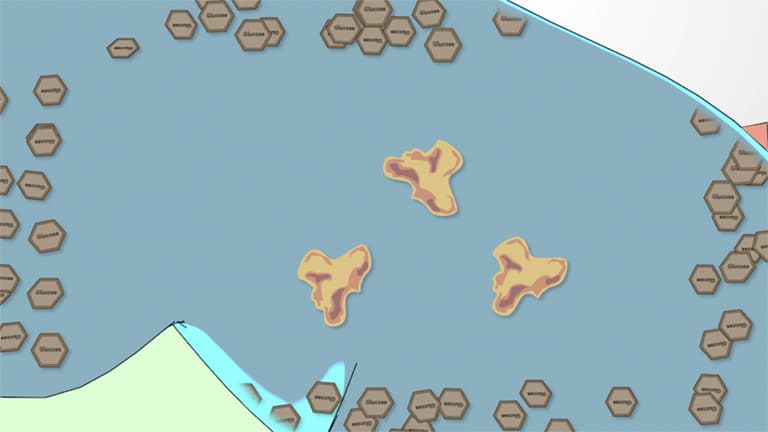
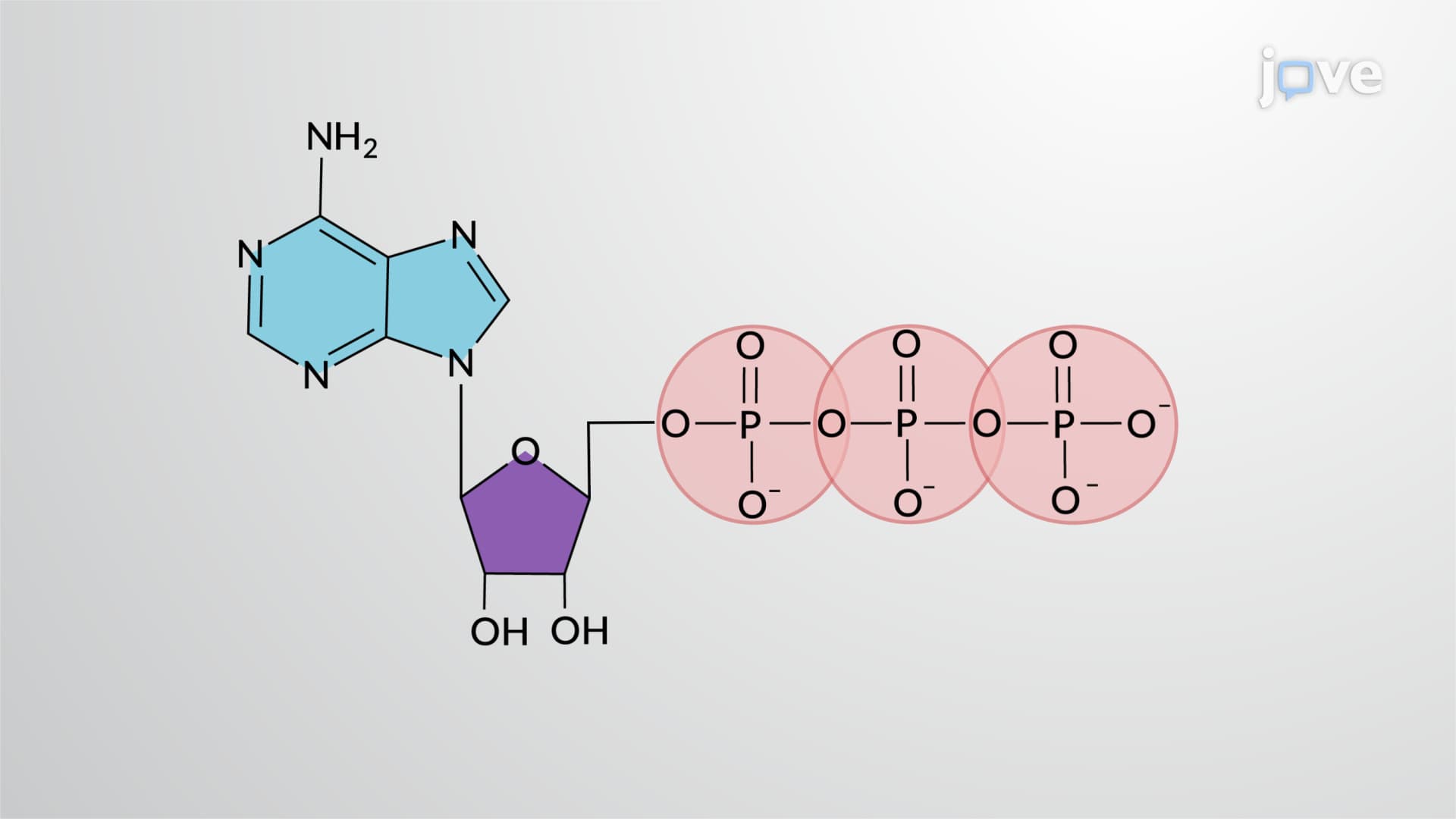
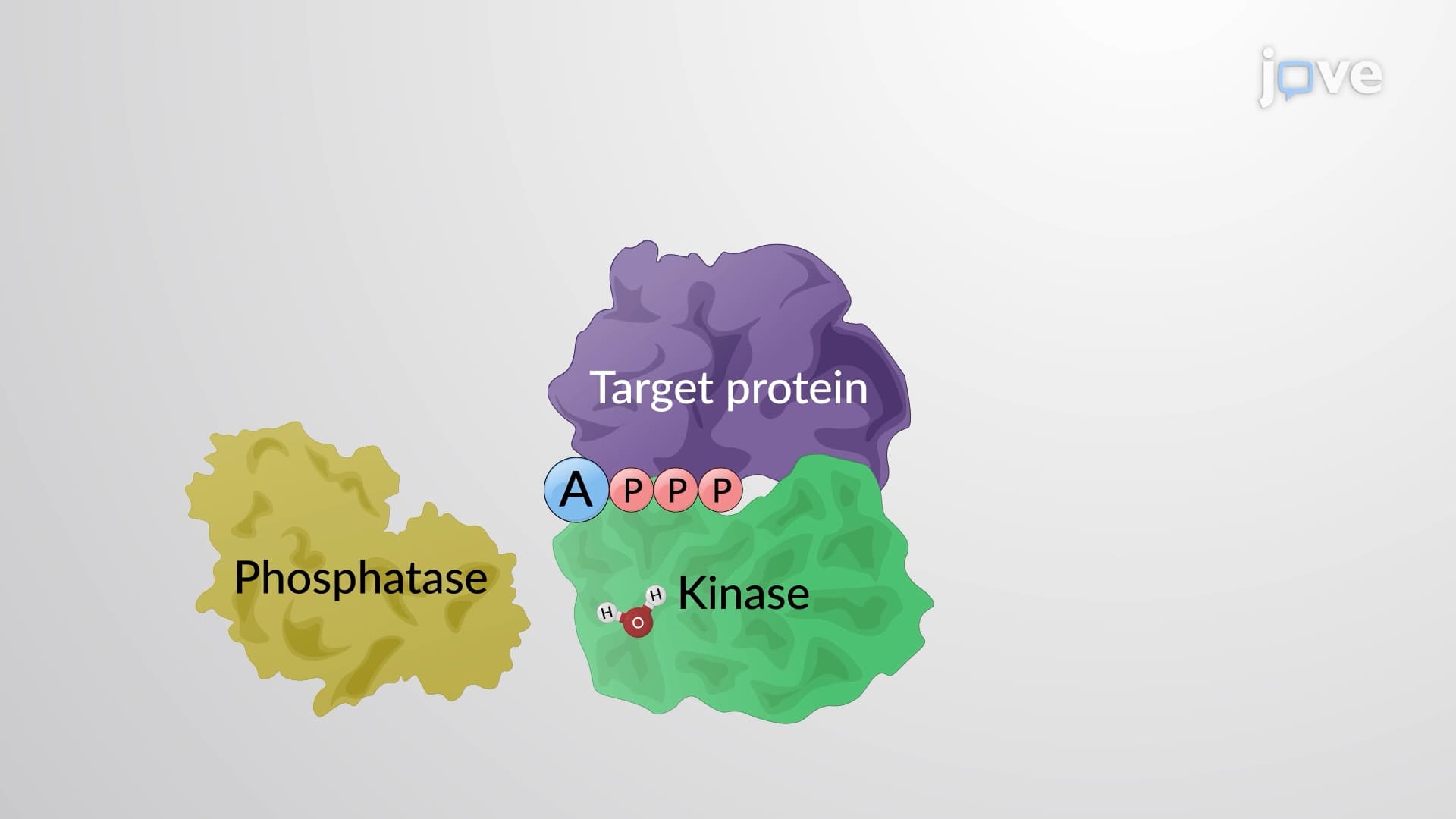
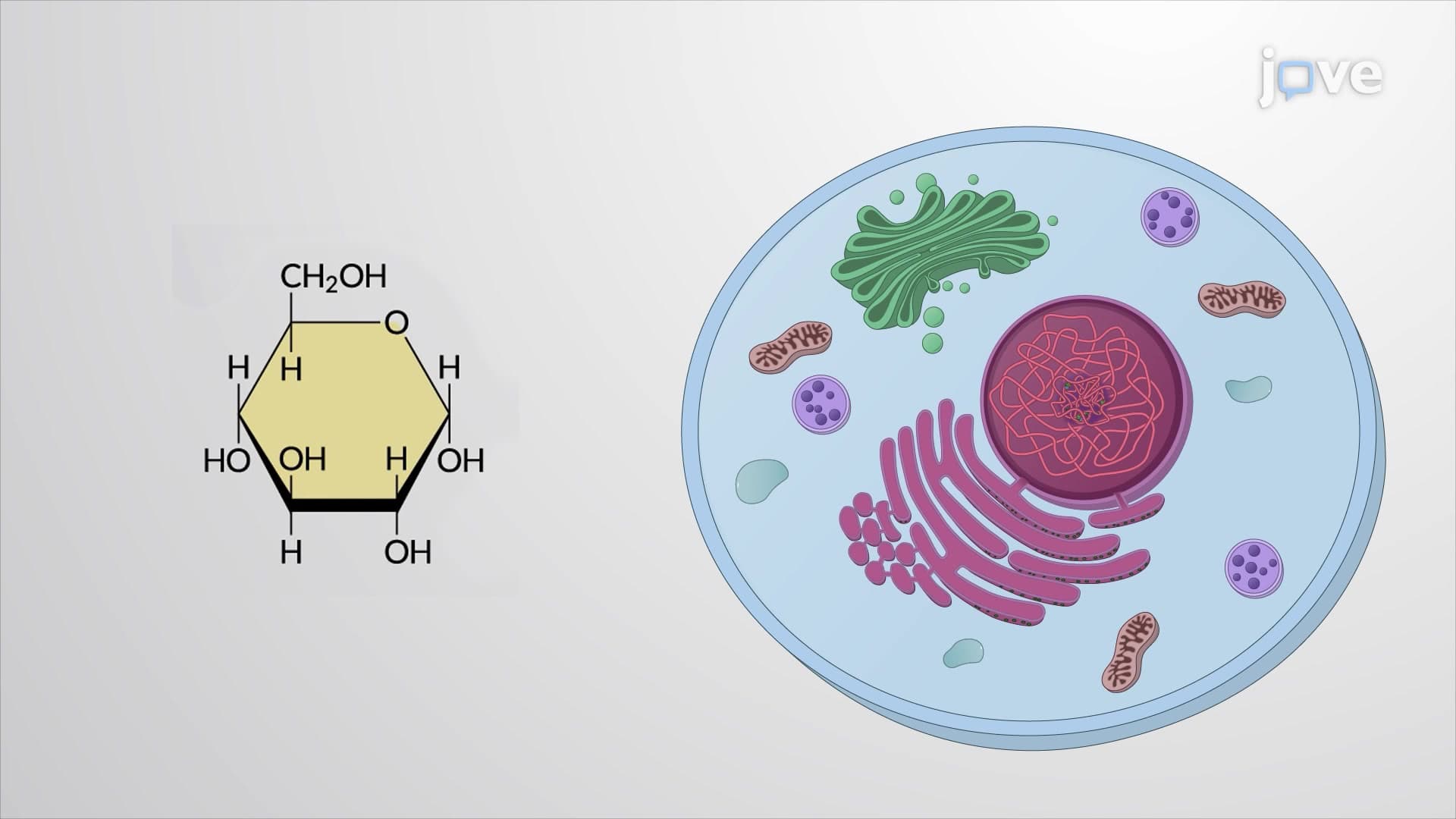
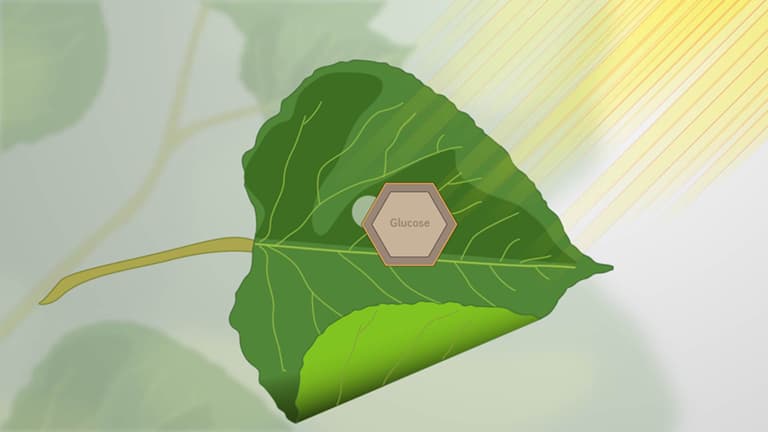
Metal cofactors play crucial roles throughout human metabolism. Magnesium, for instance, is required for over 300 enzymatic reactions in the human body. In the glycolysis example from cellular respiration, magnesium ions bind to ATP molecules, creating a more favorable geometric arrangement that allows hexokinase to efficiently transfer a phosphate group to glucose. This process is fundamental to how your muscles generate energy during exercise.
Iron serves as another vital cofactor, particularly in hemoglobin and cytochrome enzymes involved in cellular respiration. Students preparing for the MCAT often encounter questions about iron's role in oxygen transport and electron transport chains. Zinc cofactors are essential for DNA polymerase function, making them critical for cell division and growth-concepts frequently tested on AP Biology exams.
Cofactors and coenzymes biology explained becomes particularly interesting when examining organic coenzymes, most of which derive from vitamins in our diet. Unlike cofactors, coenzymes are complex organic molecules that often participate directly in reactions by carrying chemical groups between different enzymes.
Vitamin C (ascorbic acid) serves as a coenzyme for enzymes involved in collagen synthesis, as mentioned in the transcript. This process is essential for wound healing, which explains why sailors historically developed scurvy during long voyages without fresh fruits and vegetables. The hydroxylation reactions facilitated by vitamin C are crucial for forming the stable triple-helix structure of collagen that provides strength to skin, blood vessels, and connective tissues.
Other important coenzymes include NAD+ (derived from niacin/vitamin B3), which plays essential roles in cellular respiration and appears frequently on college biochemistry exams. FAD (from riboflavin/vitamin B2) participates in the citric acid cycle, while coenzyme A (from pantothenic acid/vitamin B5) is vital for fatty acid metabolism.
Understanding cofactors coenzymes overview has practical implications for healthcare and nutrition. In US hospitals, doctors regularly monitor patients for deficiencies that can affect enzyme function. For example, zinc deficiency can impair wound healing and immune function, while B-vitamin deficiencies can lead to serious neurological problems.
This knowledge also appears in various standardized tests. The MCAT frequently includes questions about coenzyme function in metabolic pathways, while nursing exams like the NCLEX may test understanding of vitamin deficiencies and their biochemical consequences.
Related Micro-courses