Loading video…


 8 Concepts
 201.3K views

Video Summary: Photoreceptors and Plant Responses to Light Explained
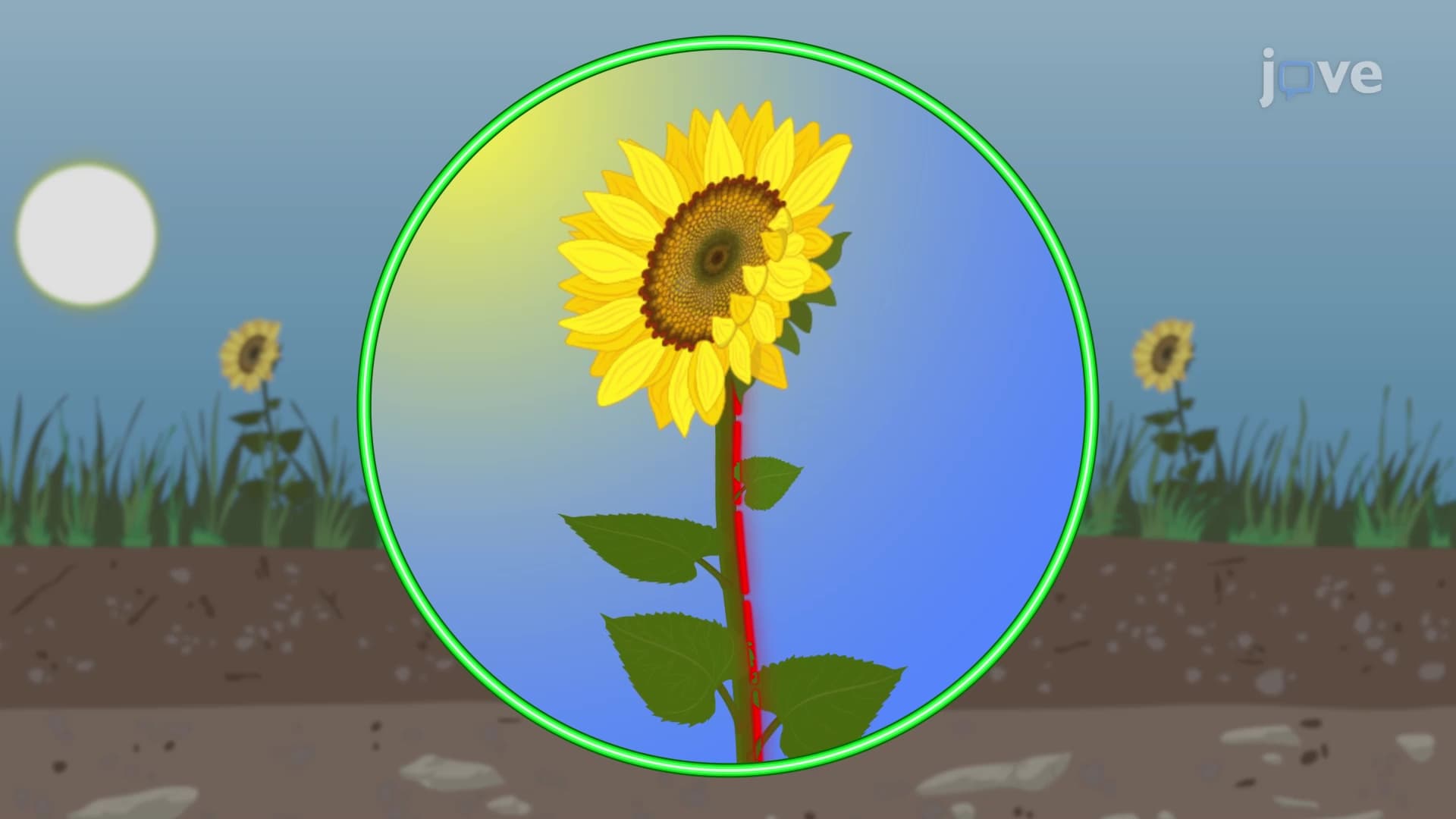
Ever wonder why plants always grow toward windows? Photoreceptors plant responses light mechanisms enable plants to detect and respond to their light environment with remarkable precision. Consider how California's giant sequoias can sense light filtering through forest canopies hundreds of feet above, adjusting their growth accordingly. These sophisticated biological systems allow plants to maximize photosynthesis and survive in competitive environments through specialized light-sensing proteins. Photoreceptors And Plant Responses To Light Explained reveals the molecular machinery behind these adaptive behaviors. Watch the full video on JoVE Coach to master this concept with expert-led visuals and step-by-step explanations.
Plants have evolved sophisticated sensory systems to detect and respond to light, their primary energy source. Unlike animals that can move toward favorable conditions, plants must adapt their growth patterns to optimize light capture. This adaptation occurs through specialized proteins called photoreceptors that function as biological light sensors.
Each photoreceptor consists of two essential components: a protein scaffold and a chromophore pigment. The chromophore acts as the light-detecting antenna, absorbing photons of specific wavelengths and undergoing conformational changes. These structural modifications trigger cascading molecular events throughout the plant cell. Plants possess multiple photoreceptor families, each specialized for different light conditions and developmental stages.
For students preparing for AP Biology or college botany courses, understanding this structure-function relationship proves crucial for exam success. The modular design allows plants to fine-tune their responses to complex light environments, similar to how modern solar panels optimize energy capture.
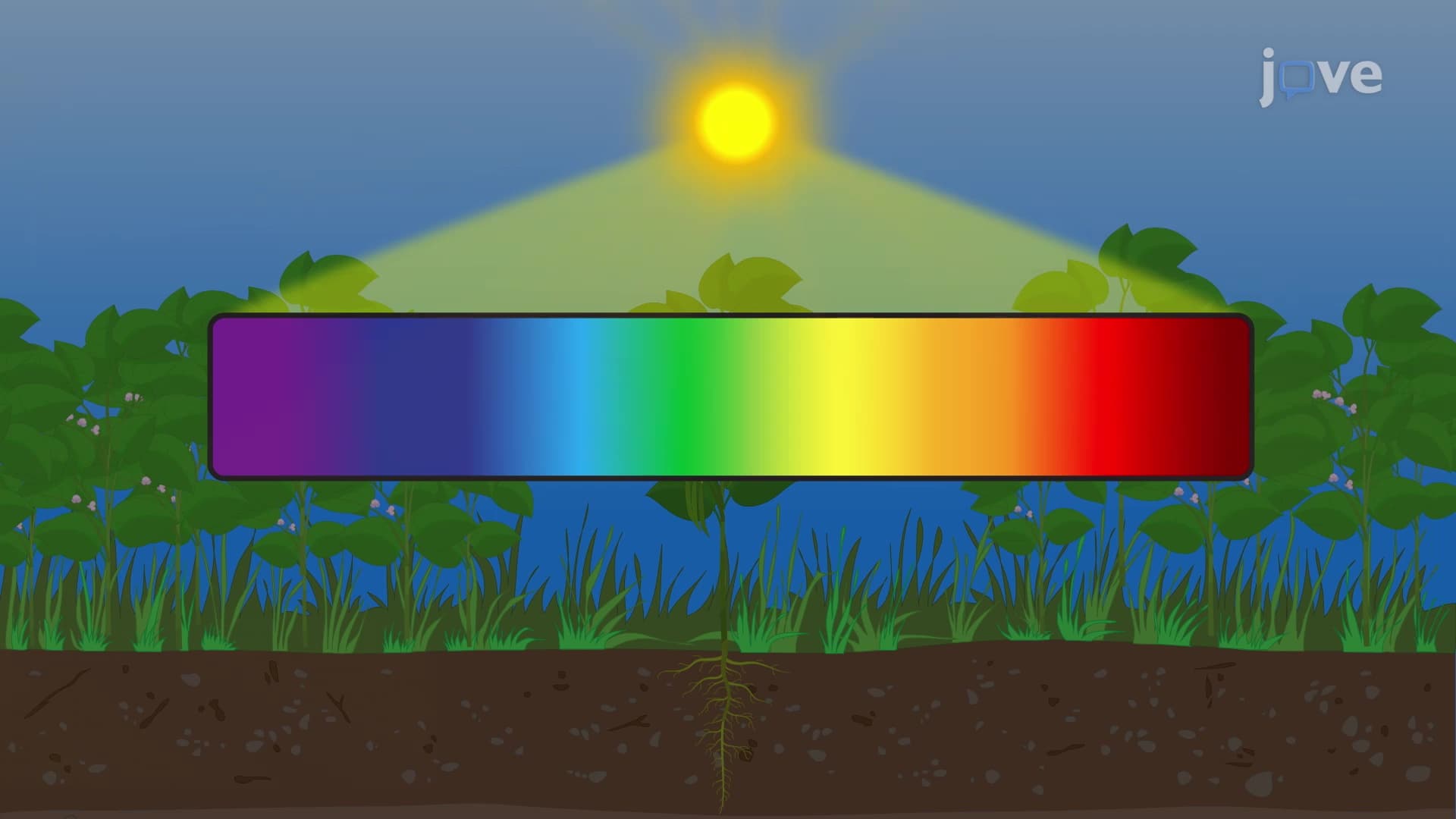
Phytochromes represent one of the most studied photoreceptor families, particularly important for shade detection. These proteins exist in two interconvertible forms: Pr (red-light absorbing, inactive) and Pfr (far-red absorbing, active). Under direct sunlight, both forms reach dynamic equilibrium. However, when taller plants filter red light from the spectrum, understory plants receive proportionally more far-red light.
This shift favors Pr formation, reducing Pfr levels and triggering shade avoidance responses. Plants elongate stems, expand leaves, and redirect growth toward available light sources. Agriculture students at institutions like UC Davis study these responses to optimize crop spacing and greenhouse lighting conditions.
Understanding photoreceptor biology extends beyond basic plant science. Agricultural engineers use this knowledge to design LED growing systems for vertical farms, while pharmaceutical researchers investigate plant-derived compounds whose production varies with light conditions. Medical students studying circadian biology encounter similar photoreceptor principles in human vision and sleep regulation, making this concept valuable for MCAT preparation.
Related Micro-courses