Loading subject page…


201,300 views


Video Summary: Responses to Heat and Cold Stress Explained
Ever wonder how desert cacti survive scorching Arizona summers while pine trees endure Alaska's frozen winters? Responses to heat and cold stress represent sophisticated cellular mechanisms that allow plants to maintain homeostasis under extreme temperature conditions. From heat shock proteins in drought-stressed California crops to membrane lipid adjustments in frost-resistant Maine blueberries, these adaptive strategies determine plant survival and agricultural productivity. Watch the full video on JoVE Coach to master this concept with expert-led visuals and step-by-step explanations.
Plant survival under temperature extremes depends on sophisticated cellular responses that maintain homeostasis when environmental conditions threaten normal metabolism. These adaptive mechanisms operate at multiple biological levels, from molecular protein interactions to whole-organism physiological adjustments, making this concept essential for students studying plant biology, ecology, and agricultural sciences.
When temperatures soar above optimal ranges, plants face dual challenges: preventing protein denaturation and managing water loss. Heat shock proteins (HSPs) serve as cellular first responders, functioning as molecular chaperones that assist proper protein folding and protect existing enzymes from thermal damage. These specialized proteins increase dramatically during heat stress, similar to how emergency response teams mobilize during natural disasters.
Simultaneously, plants modify their membrane composition by increasing saturated fatty acid content. This biochemical adjustment prevents excessive membrane fluidization that would otherwise cause cellular contents to leak uncontrollably. Think of this like adjusting recipe ingredients to maintain proper consistency-too much fluidity creates structural instability, while optimal saturation maintains cellular integrity.
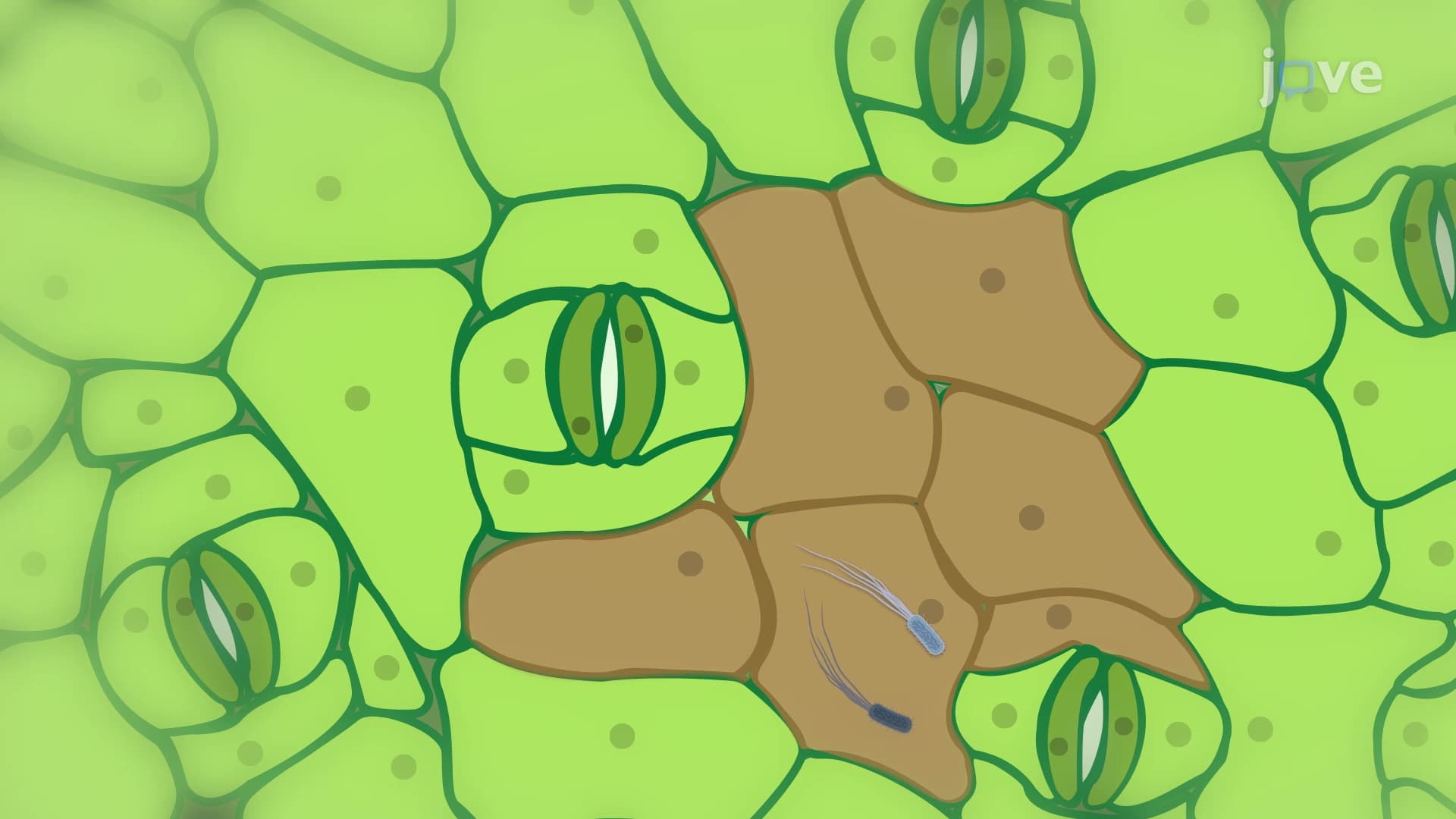
Students preparing for AP Biology exams should understand that stomatal closure during heat stress represents a crucial survival trade-off. While closing stomata reduces water loss through transpiration, it simultaneously limits carbon dioxide uptake necessary for photosynthesis, creating metabolic constraints that affect plant growth and productivity.
Cold temperatures present opposite challenges, causing membrane rigidification and ice crystal formation that can rupture cellular structures. Plants respond by increasing unsaturated fatty acid proportions in membrane lipids, maintaining flexibility necessary for normal cellular function. This adaptation resembles how antifreeze prevents car radiators from freezing-chemical modifications prevent structural damage under extreme conditions.
Frost-tolerant species employ osmotic regulation by accumulating compatible solutes like sugars and glycols in their cytoplasm. These compounds lower the freezing point of cellular water while maintaining osmotic balance, preventing dehydration when ice formation draws water from living tissues. This mechanism proves particularly important for understanding crop cold tolerance in agricultural regions like Minnesota and North Dakota.
Students tackling MCAT biology sections will benefit from recognizing how these temperature stress responses illustrate fundamental principles of protein structure, membrane biology, and cellular homeostasis that appear frequently in standardized exam questions.
Related Micro-courses