Loading video…


 8 Concepts
 201.3K views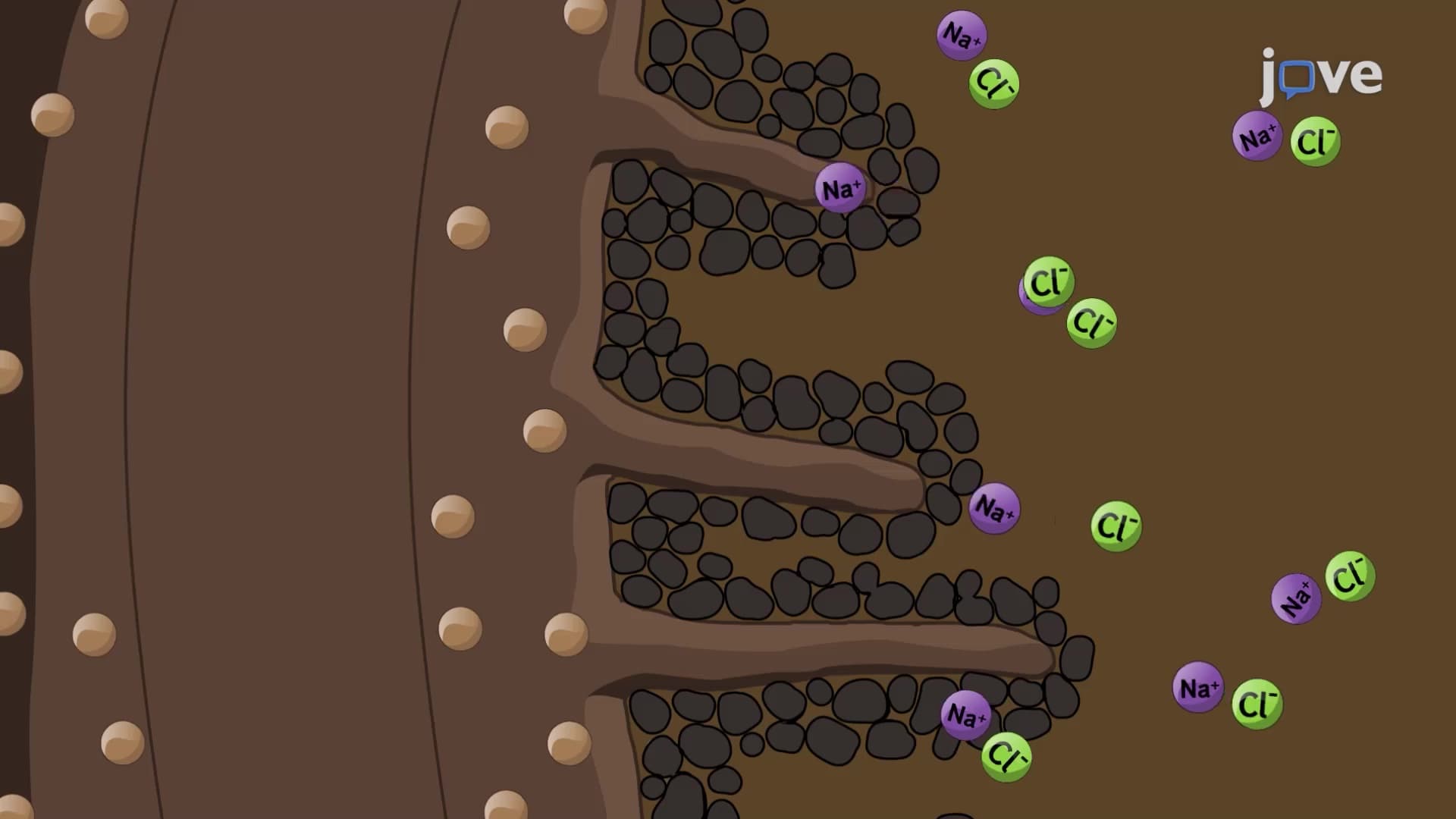

Video Summary: What are Responses to Salt Stress
Ever wonder why California's Central Valley farmers struggle with crop yields despite abundant irrigation? Responses to salt stress reveal how plants battle the silent threat of soil salinity, which affects over 45 million acres of US farmland annually. When excessive salt accumulates in soil, plants activate sophisticated survival mechanisms to maintain water uptake and cellular function. From producing protective solutes to specialized salt-excreting glands, these responses to salt stress determine whether crops like tomatoes and lettuce thrive or fail in America's agricultural regions. Watch the full video on JoVE Coach to master this concept with expert-led visuals and step-by-step explanations.
Responses to salt stress represent critical survival mechanisms that determine plant success in saline environments. When soil salinity rises above optimal levels, plants face a dual challenge: maintaining adequate water uptake while preventing toxic ion accumulation. This physiological crisis occurs because plant cells typically maintain higher solute concentrations than surrounding soil, creating the osmotic gradient necessary for water absorption. However, salt accumulation disrupts this delicate balance, forcing plants to activate complex defensive strategies.
The responses to salt stress definition explained involves two primary stress components. Osmotic stress occurs when high soil salinity reduces the water potential gradient, making water uptake energetically expensive even in well-watered soils. This phenomenon commonly affects crops in California's San Joaquin Valley, where irrigation practices have concentrated salts over decades. Simultaneously, ionic stress develops as sodium and chloride ions accumulate to toxic levels within plant tissues, disrupting enzyme function and cellular membranes. Understanding these dual stressors helps explain why plants in Nebraska's saline-affected soils often show stunted growth despite adequate moisture.
Plants employ several strategies when responding to salt stress. Compatible solute accumulation represents the most widespread response, where plants synthesize organic compounds like proline, glycine betaine, and sugars that maintain cellular osmotic balance without toxicity. These molecules allow plants to maintain turgor pressure while excluding harmful ions. Additionally, plants activate selective ion transport systems that preferentially uptake potassium while restricting sodium entry. The hormone abscisic acid plays a crucial role by triggering stomatal closure, reducing water loss but also limiting photosynthesis-a classic physiological trade-off.
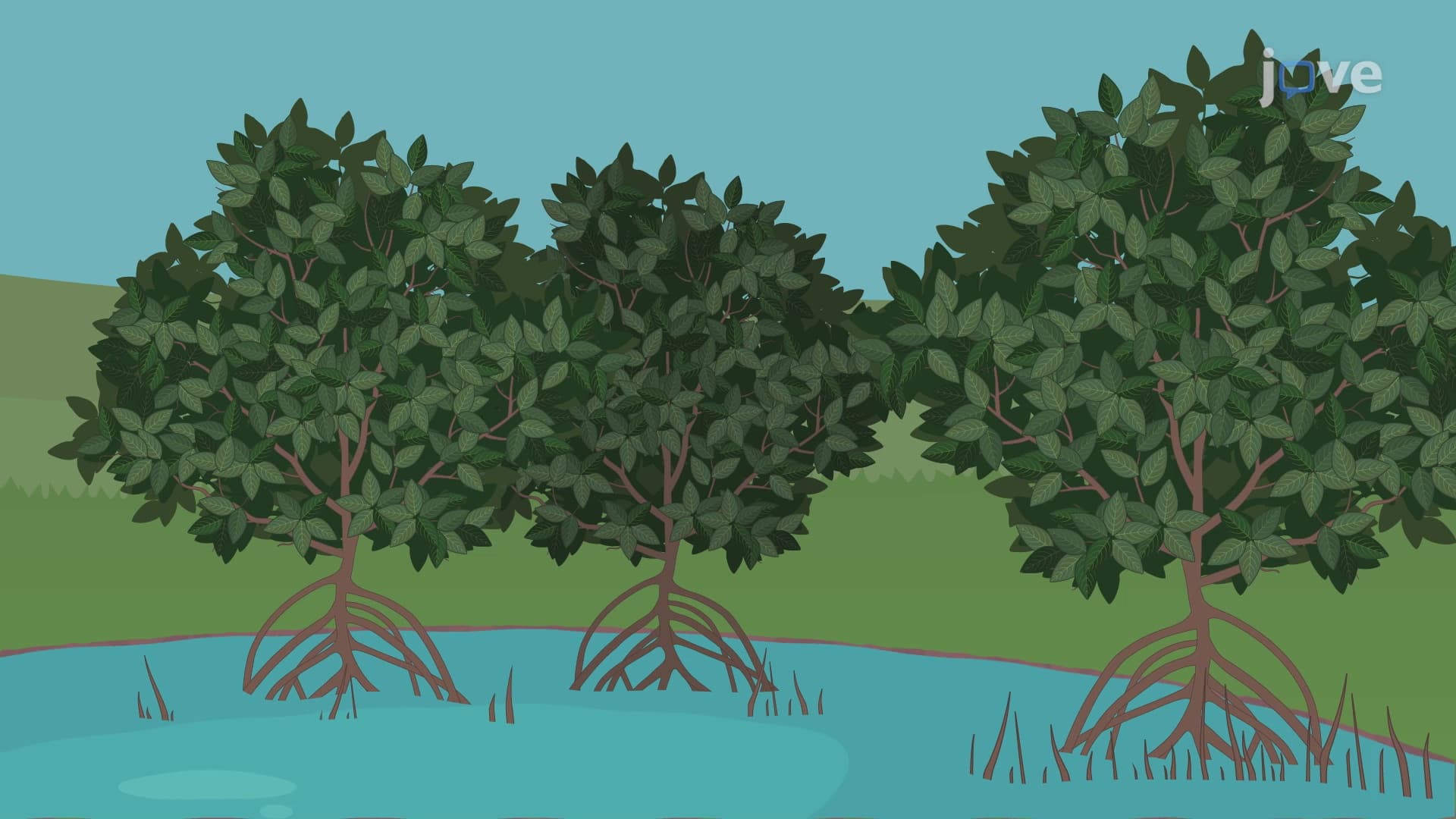
Halophytes showcase the most sophisticated responses to salt stress through specialized anatomical and physiological adaptations. These salt-tolerant species, including certain varieties grown in Hawaii's coastal farms, possess salt glands that actively excrete excess sodium onto leaf surfaces. Some halophytes also develop succulence, storing salt solutions in specialized tissues away from metabolically active cells. Modern agricultural research increasingly focuses on transferring these adaptive traits to crop species, potentially revolutionizing farming in salt-affected regions. Students preparing for AP Biology or college botany courses should recognize how these responses to salt stress concepts connect to broader themes of plant adaptation and agricultural sustainability.
Related Micro-courses