Loading subject page…


14,312 views

Video Summary: Nf Kb Dependent Signaling Pathway Explained
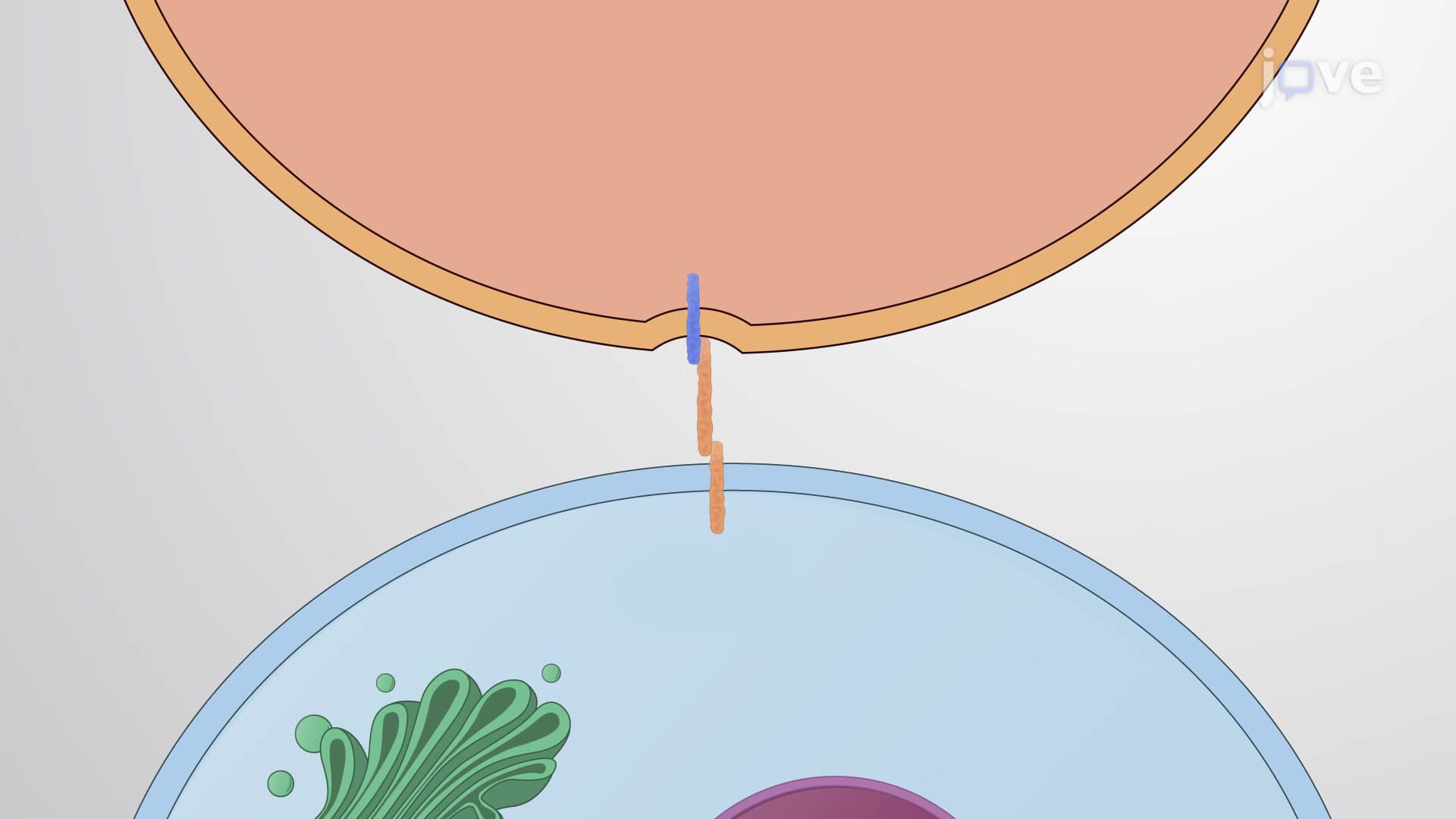
When your body detects a bacterial infection or injury, how do your cells instantly coordinate an immune response? The nf-kb dependent signaling pathway acts like a cellular alarm system, rapidly activating genes needed for inflammation and immunity. For instance, when patients with rheumatoid arthritis experience joint inflammation, this pathway is often hyperactive, driving chronic tissue damage. This NF-kB Dependent Signaling Pathway Explained tutorial reveals how cells translate external threats into precise genetic responses. Watch the full video on JoVE Coach to master this concept with expert-led visuals and step-by-step explanations.
The Nuclear Factor kappa B (NF-κB) signaling cascade represents one of biology's most sophisticated molecular switches, transforming external cellular threats into precise genetic responses. This pathway operates through a carefully orchestrated series of protein interactions that ensure immune responses activate only when truly needed, preventing harmful autoimmunity while maintaining robust pathogen defense.
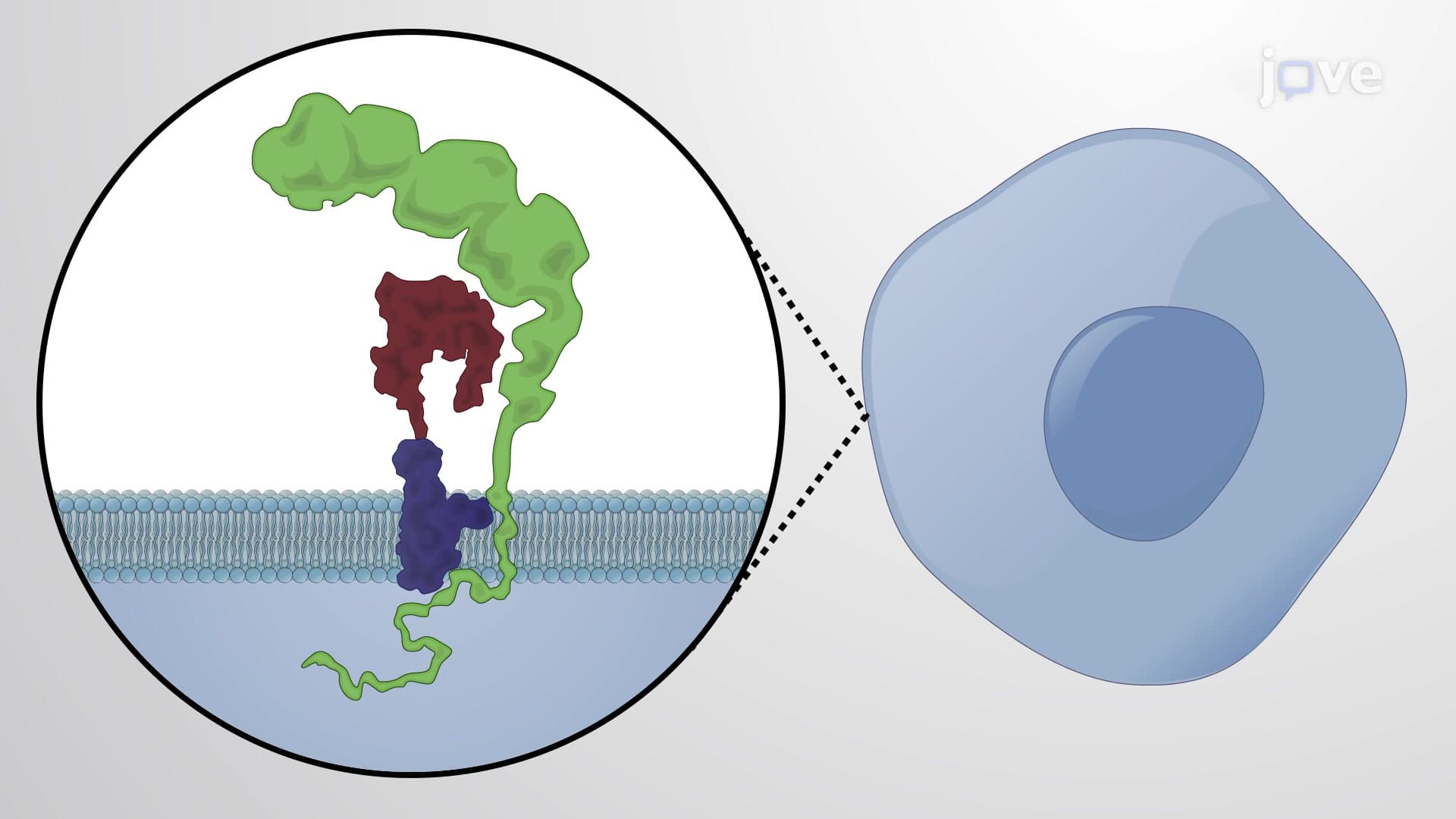
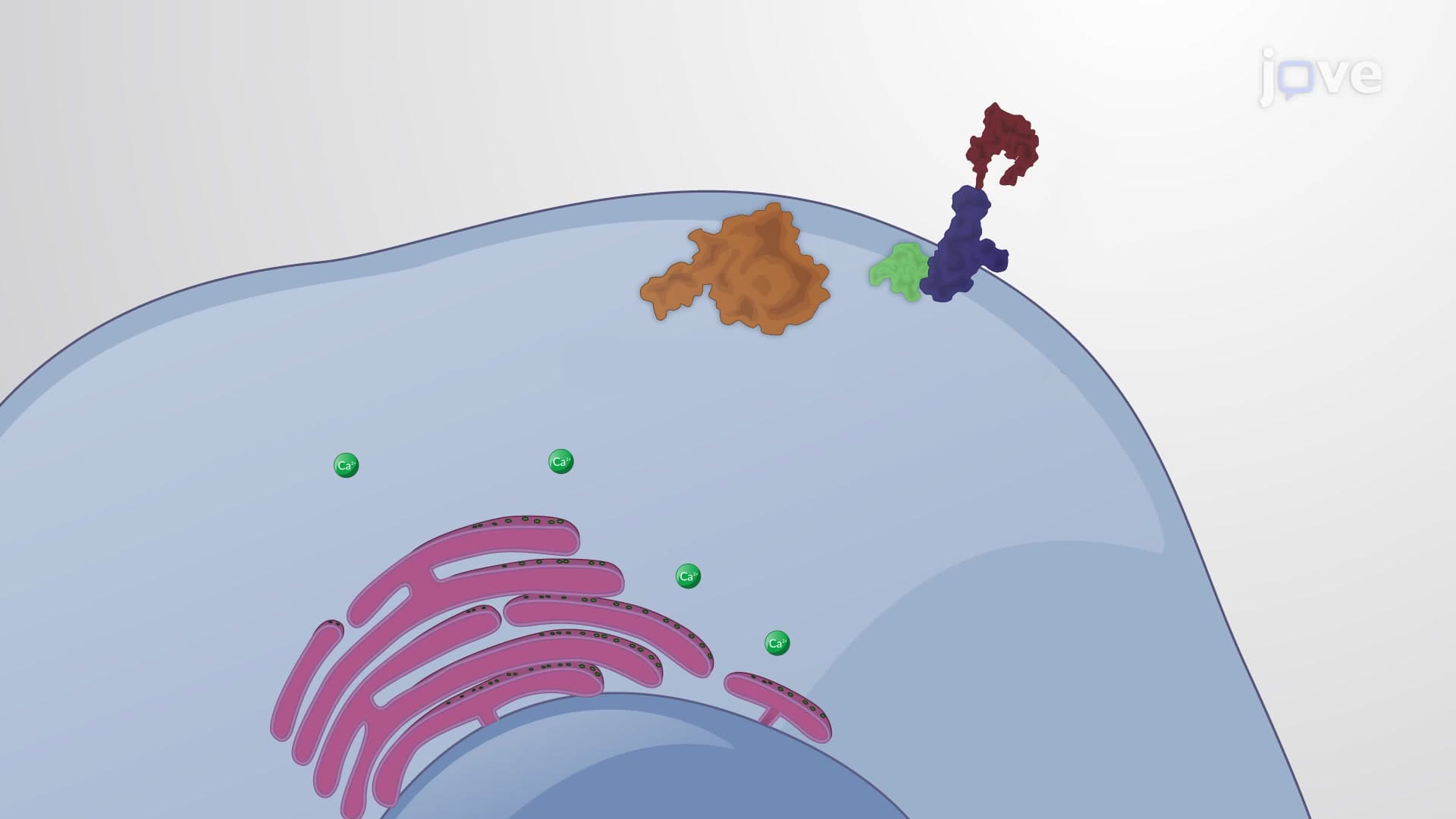
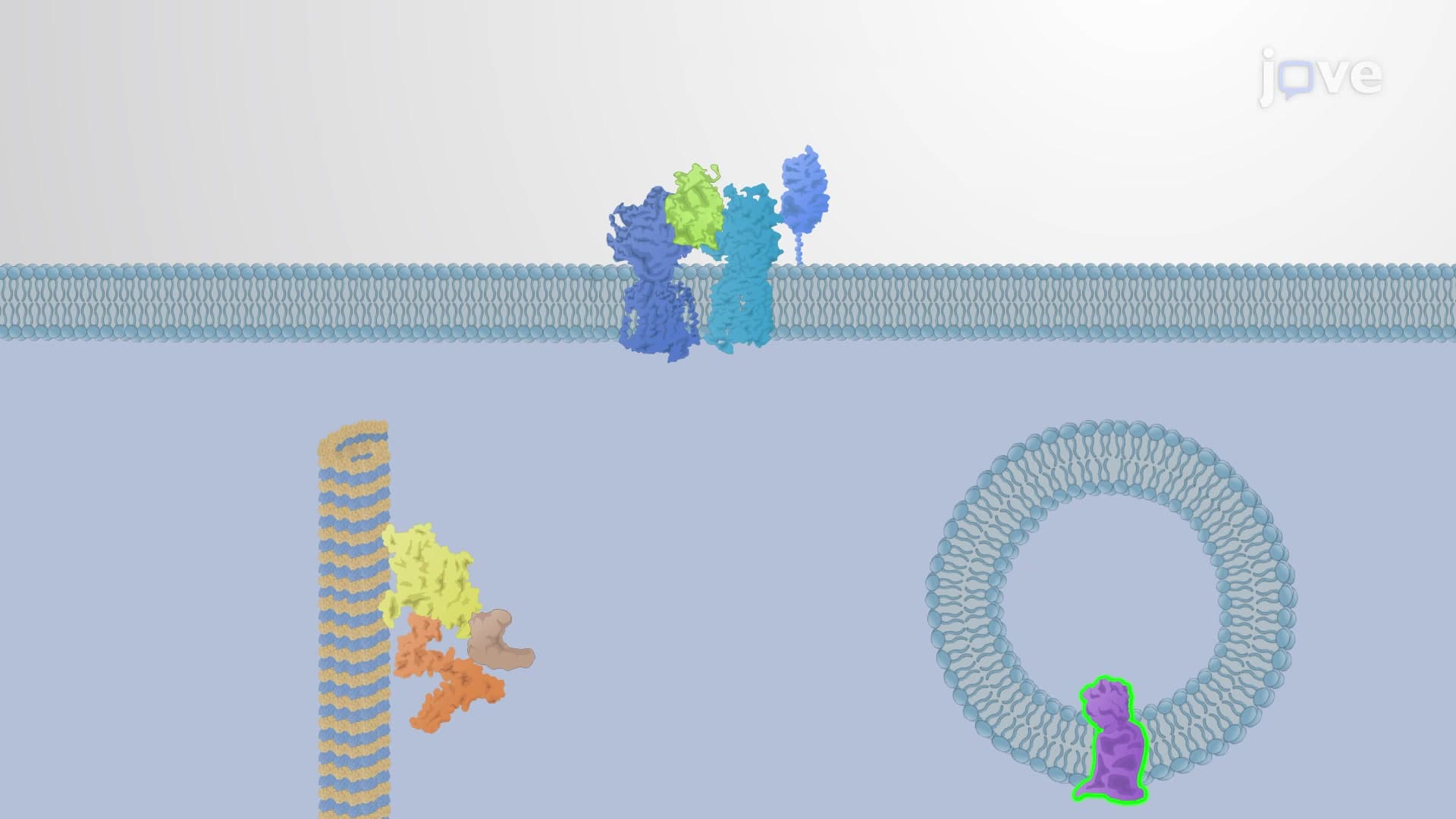
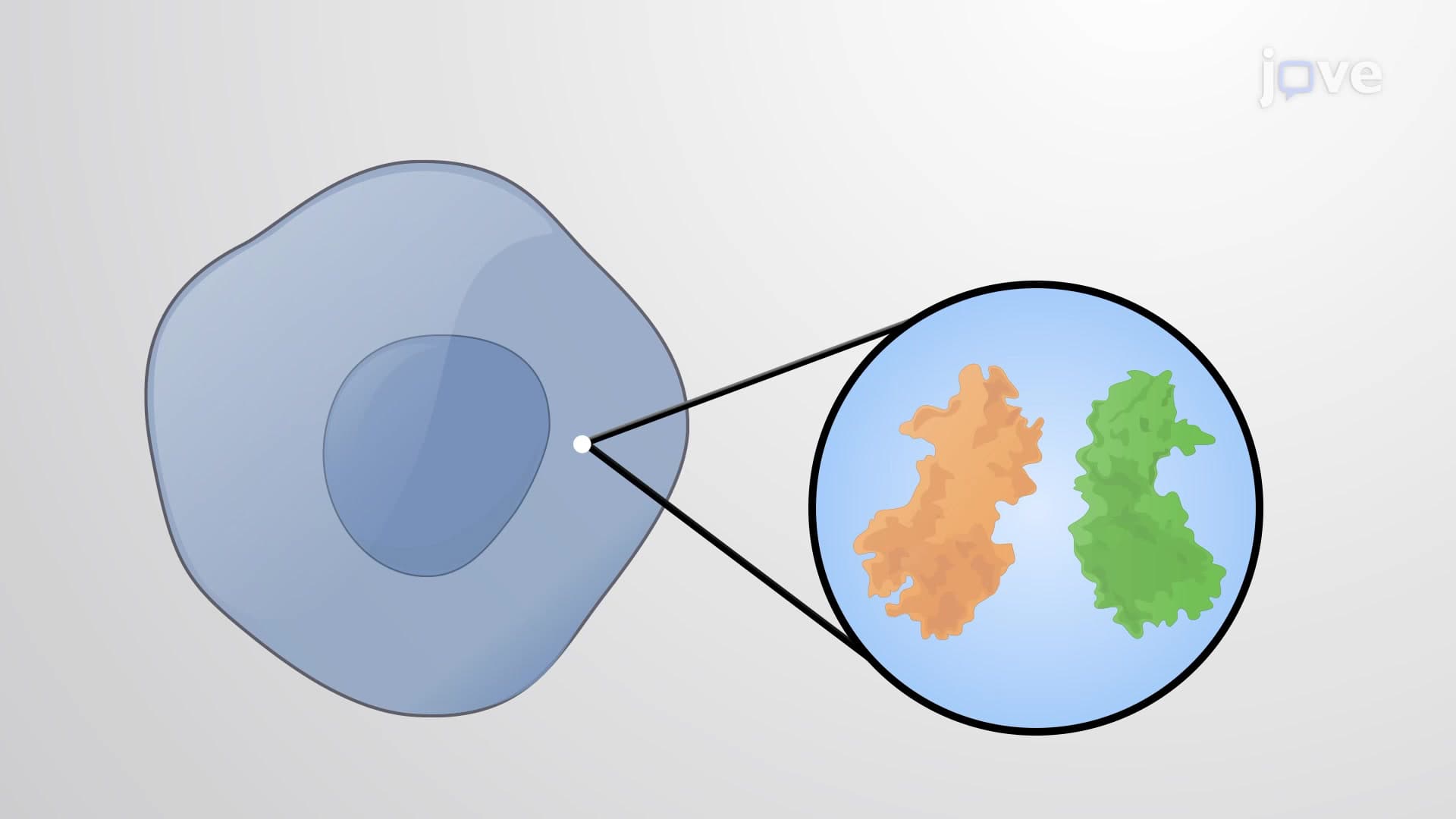
In unstimulated cells, NF-κB transcription factor complexes remain sequestered in the cytoplasm, bound to inhibitory IκB proteins that mask their nuclear localization signals. This represents a classic example of negative regulation-the default state is "off" until specific danger signals arrive. The IκB kinase (IKK) complex serves as the pathway's central control point, containing three subunits: IKKα, IKKβ, and the regulatory subunit NEMO (IKKγ). When activated by upstream signals, IKK phosphorylates specific serine residues on IκB proteins, creating recognition sites for ubiquitin ligases that tag IκB for proteasomal degradation.
This mechanism exemplifies concepts frequently tested on the MCAT and AP Biology exams, particularly protein modification cascades and transcriptional regulation. Students should understand how phosphorylation serves as a molecular "on switch" that triggers subsequent degradation events.
Once freed from IκB inhibition, NF-κB dimers rapidly translocate to the nucleus where they bind κB sites in target gene promoters. These target genes include inflammatory cytokines (TNF-α, IL-1β), chemokines, adhesion molecules, and anti-apoptotic proteins. The pathway exhibits remarkable specificity-different NF-κB dimer combinations (p50/p65, p52/RelB) preferentially activate distinct gene sets, allowing cells to fine-tune responses based on the initial stimulus.
For college-level cell biology courses, this pathway illustrates key principles including signal transduction, post-translational modifications, and combinatorial gene regulation. The canonical pathway (activated by most inflammatory stimuli) differs from the non-canonical pathway (activated during lymphoid organ development), demonstrating how cells use similar molecular machinery for distinct biological processes.
Dysregulated NF-κB signaling underlies numerous human diseases studied in medical school curricula. Chronic activation contributes to inflammatory bowel disease, rheumatoid arthritis, and certain cancers, while insufficient activation may compromise immune responses. Major pharmaceutical companies have developed NF-κB inhibitors, including compounds targeting IKK activity or nuclear translocation steps, representing promising therapeutic strategies taught in pharmacology courses.
Related Micro-courses