Loading subject page…


14,314 views

Video Summary: Non Canonical Wnt Signaling Pathways Explained
Did you know that while studying for the MCAT, many students focus on canonical Wnt signaling but miss the crucial non canonical wnt signaling pathways that control how cells move and organize during development? These β-catenin-independent pathways regulate everything from neural tube formation in human embryos to cancer cell migration in metastasis. Unlike their well-known canonical counterpart, Non Canonical Wnt Signaling Pathways Explained reveals how cells coordinate movement and polarity through planar cell polarity and calcium signaling mechanisms. Watch the full video on JoVE Coach to master this concept with expert-led visuals and step-by-step explanations.
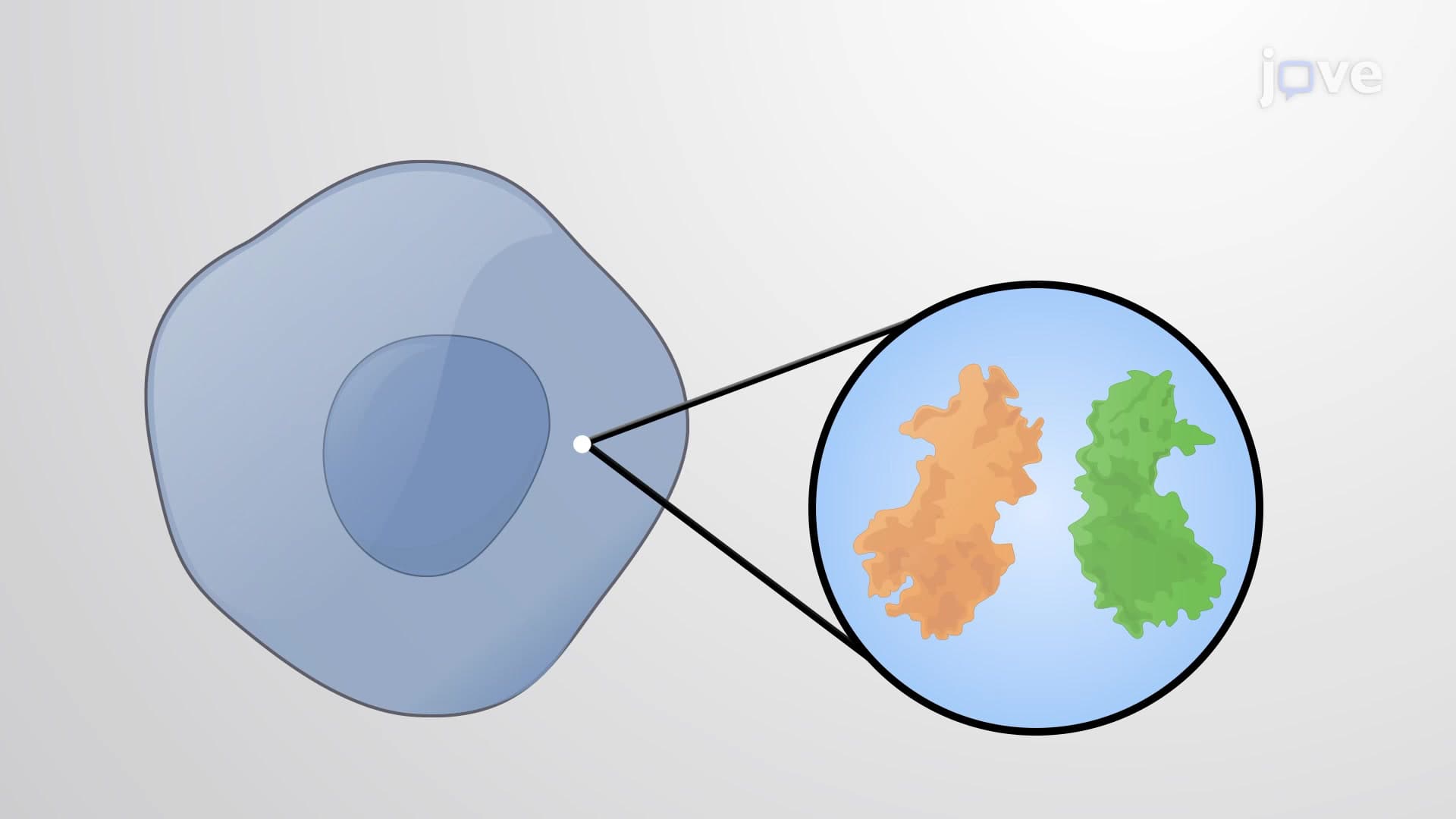
Non canonical wnt signaling pathways represent a fascinating deviation from the well-studied β-catenin-dependent canonical route. While canonical Wnt signaling focuses on gene transcription regulation, these alternative pathways control immediate cellular behaviors like movement, orientation, and calcium homeostasis. Students preparing for AP Biology or college cell biology courses often encounter these pathways when studying embryonic development and cancer biology, making them essential for MCAT preparation.
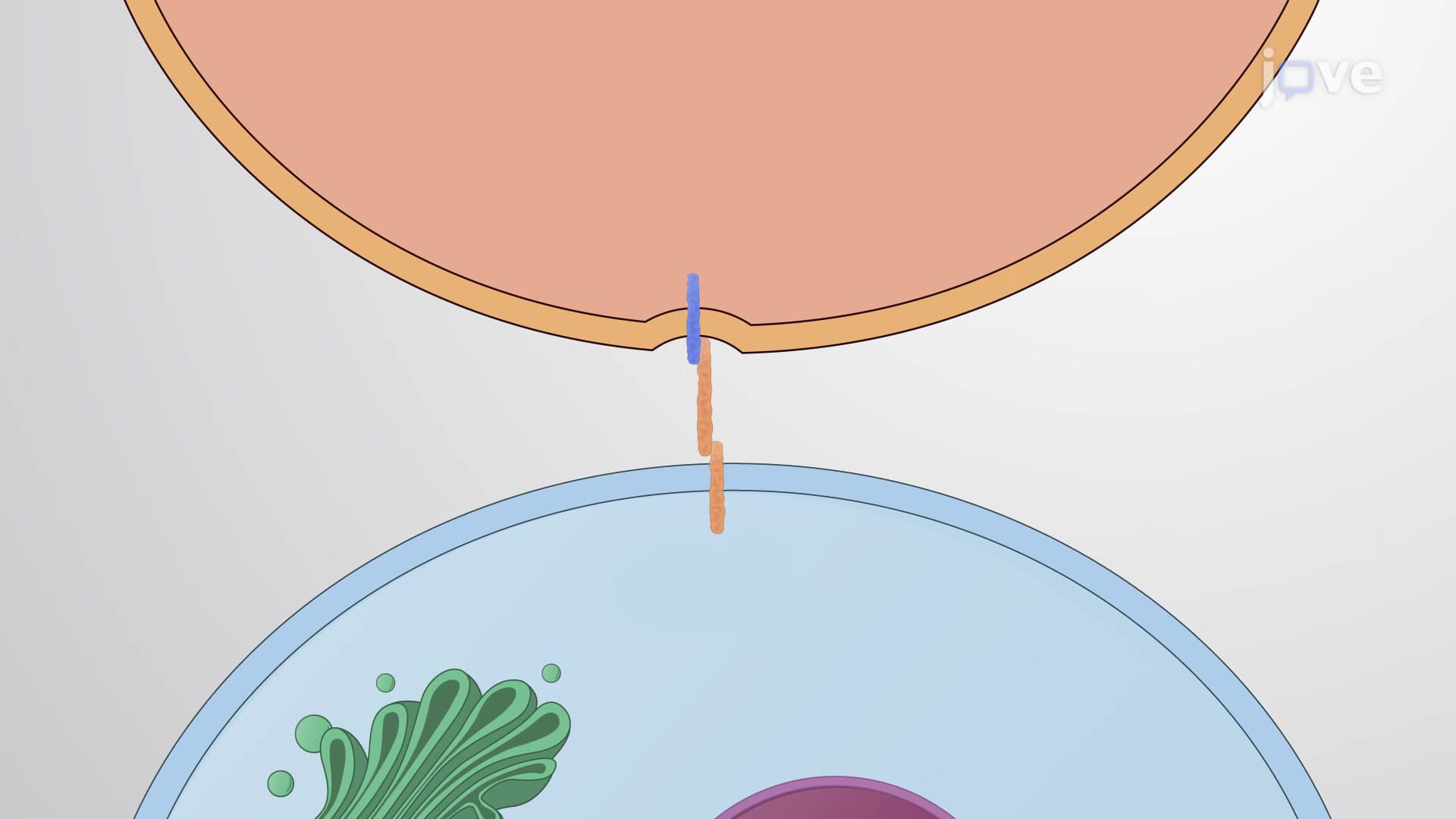
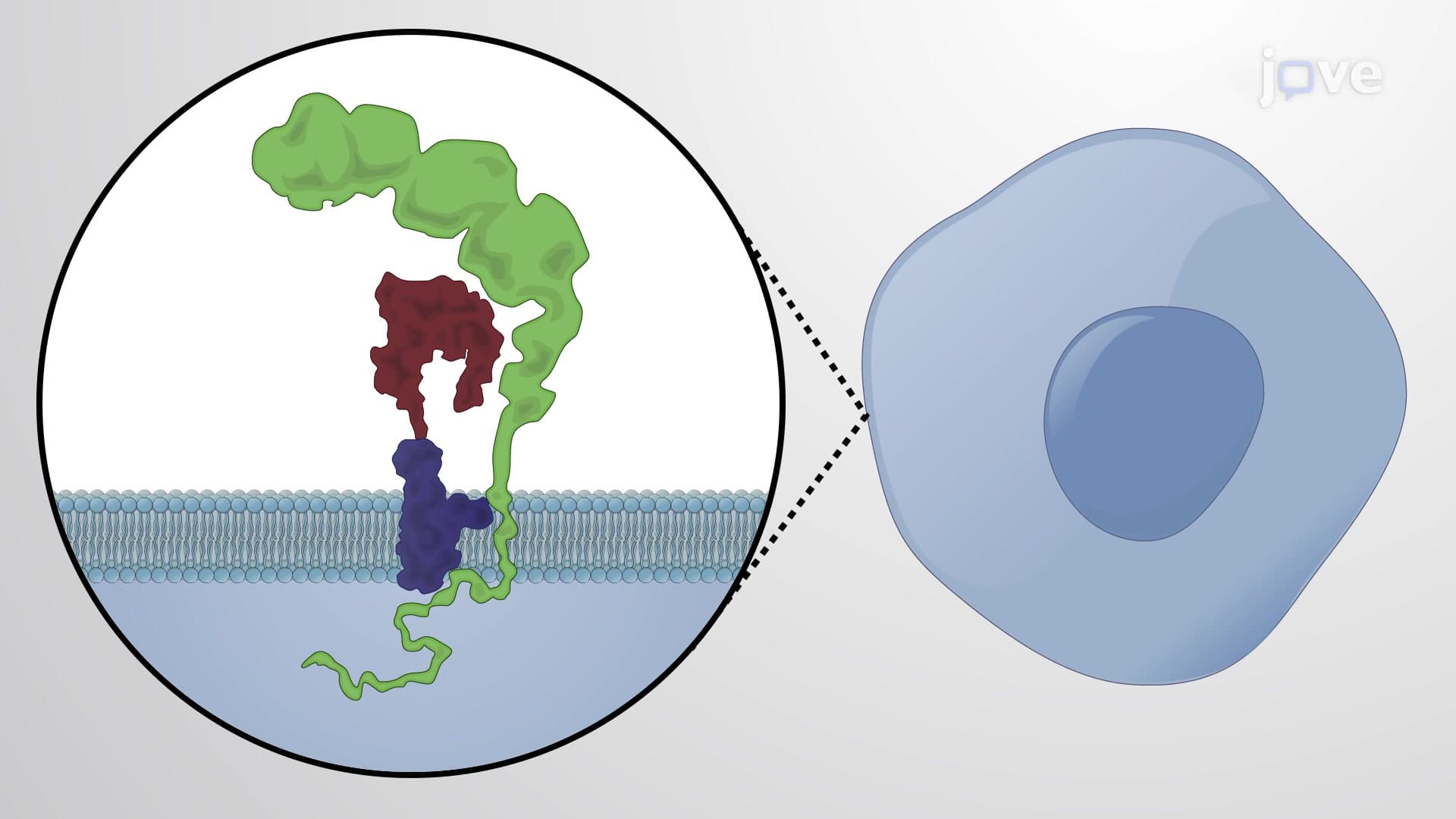
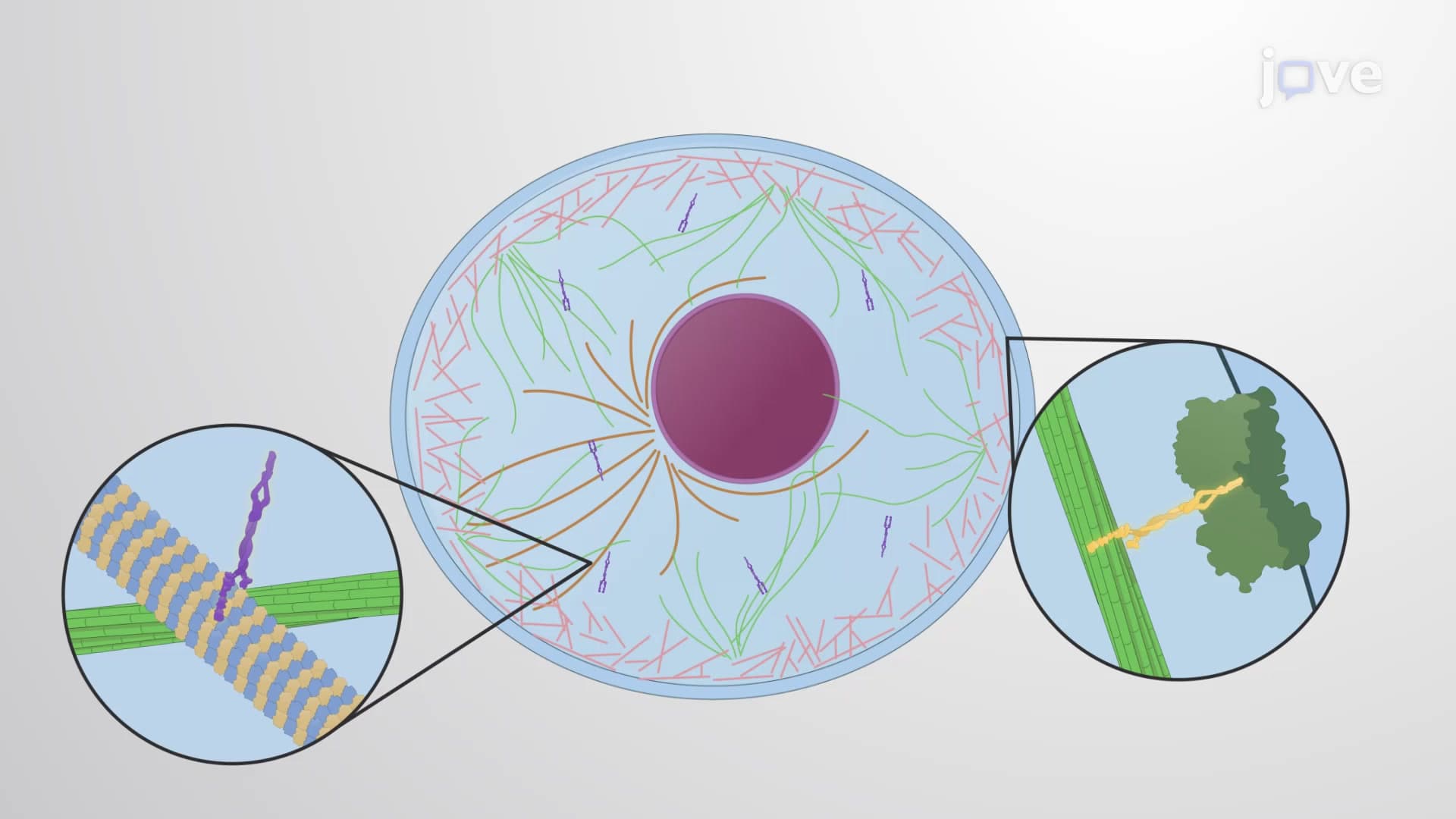
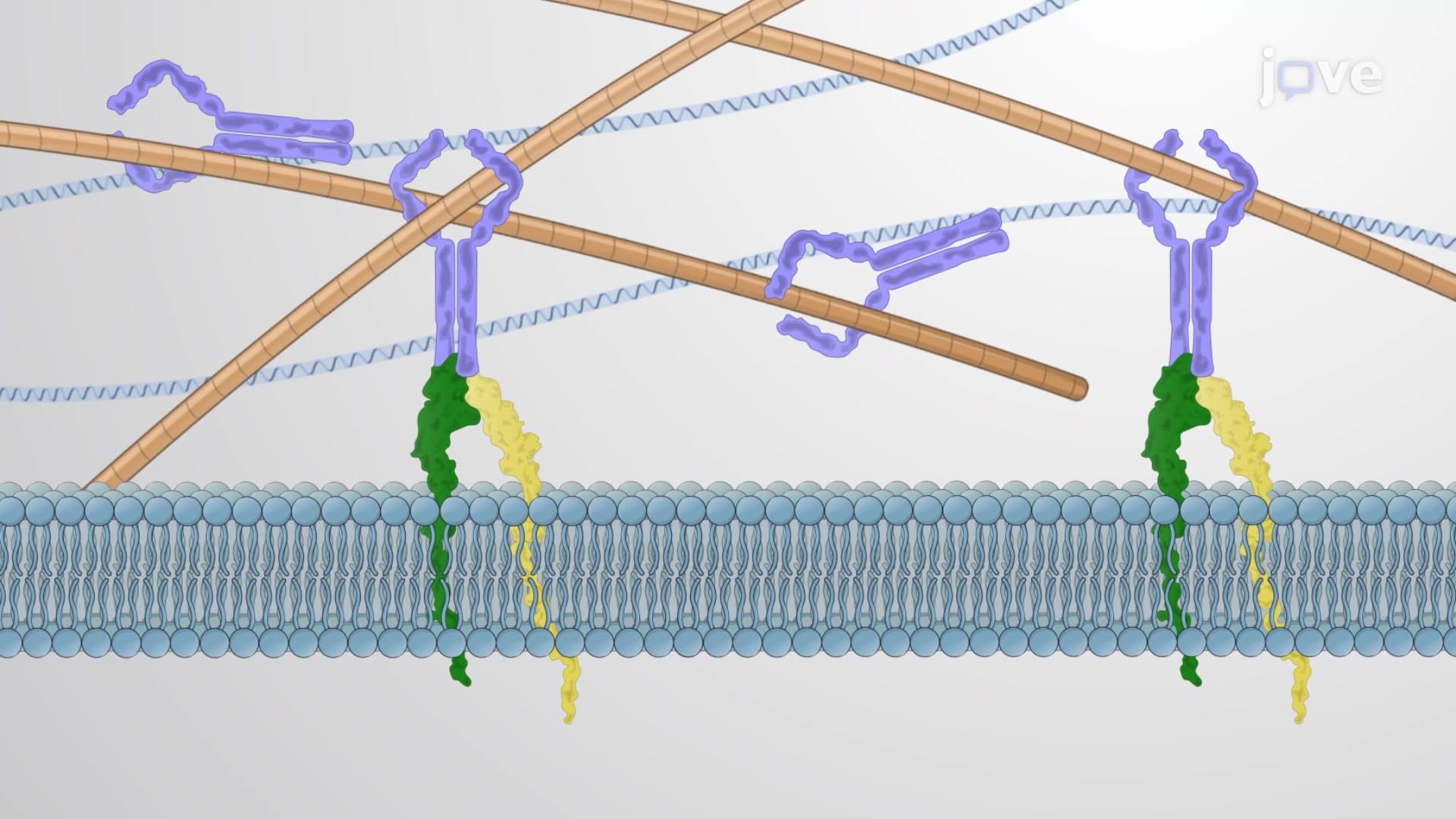
The planar cell polarity pathway exemplifies how non canonical wnt signaling pathways tutorial concepts apply to real developmental processes. During neural tube closure in human embryos, PCP signaling ensures proper cell alignment and coordinated movement through convergent extension. This process involves Wnt ligands activating Frizzled receptors, which then recruit proteins like Dishevelled and activate small GTPases including RhoA and Rac1. When PCP signaling fails, devastating birth defects like spina bifida can occur, affecting approximately 1,500 pregnancies annually in the United States.
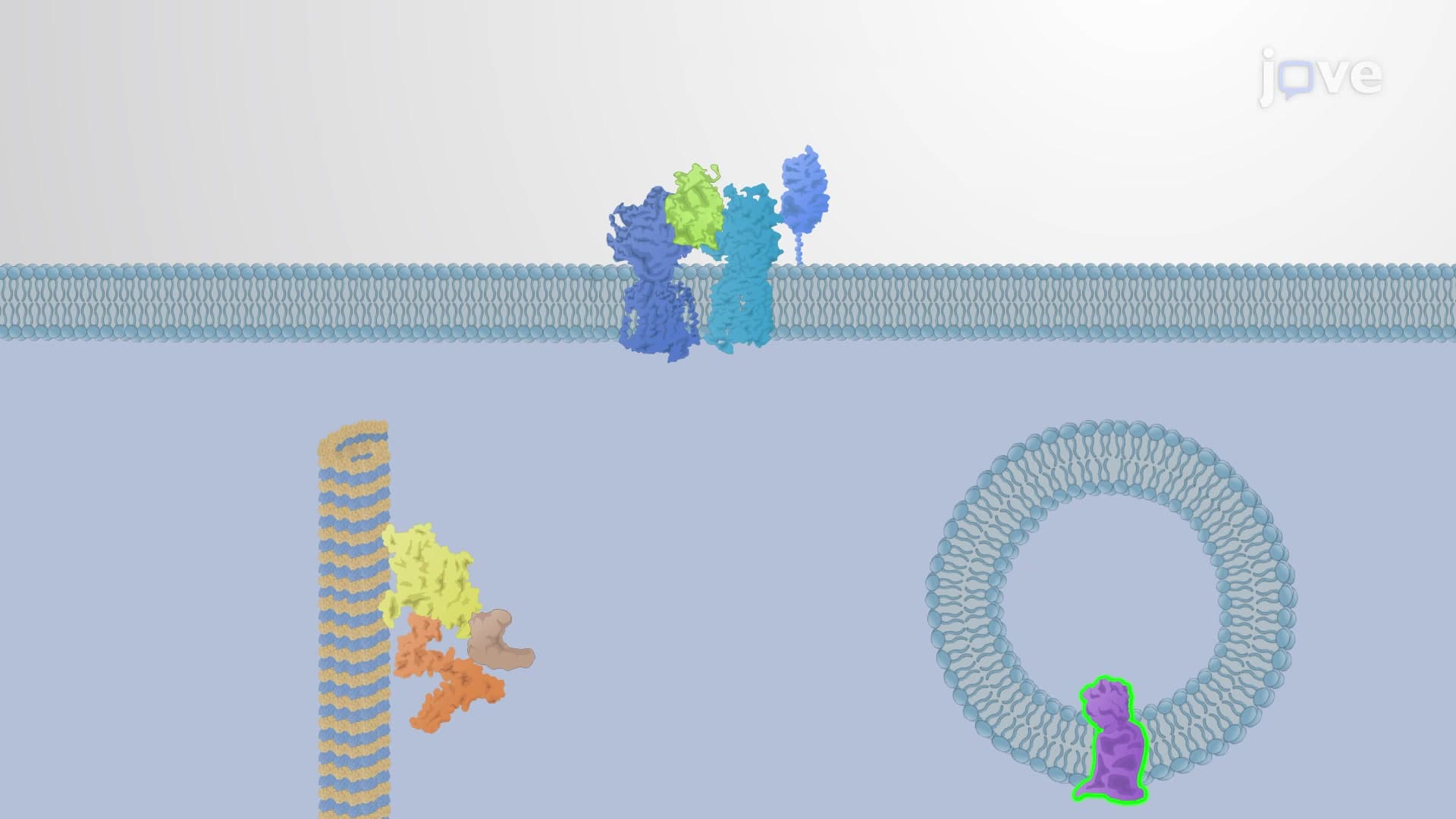
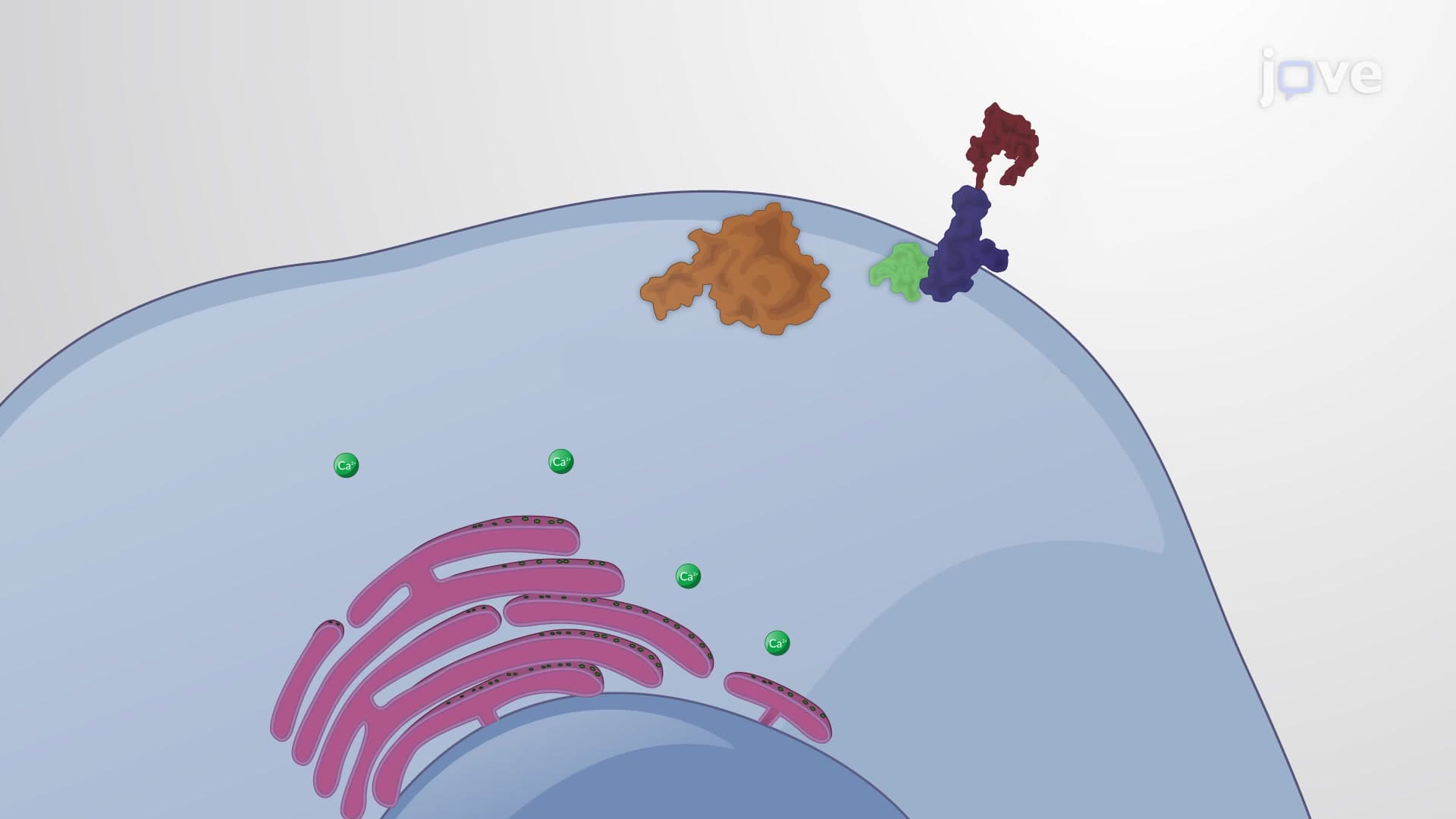
Understanding how non canonical wnt signaling pathways works requires grasping the Wnt/Ca2+ branch, which modulates intracellular calcium levels through phospholipase C activation. This pathway influences cell adhesion and migration by activating calcium-sensitive enzymes like protein kinase C and calmodulin-dependent kinase II. In cancer research at institutions like MD Anderson Cancer Center, scientists study how dysregulated Wnt/Ca2+ signaling promotes metastasis in breast and colon cancers.
The non canonical wnt signaling pathways concept extends beyond academic study into practical medical applications. Pharmaceutical companies like Genentech are developing targeted therapies that modulate these pathways for treating cancer and regenerative medicine applications. Students studying for the USMLE Step 1 should recognize how these pathways contribute to wound healing, tissue repair, and cancer progression, as these topics frequently appear in clinical vignettes about developmental biology and oncology.
Related Micro-courses