Loading video…


 6 Concepts
 14.3K views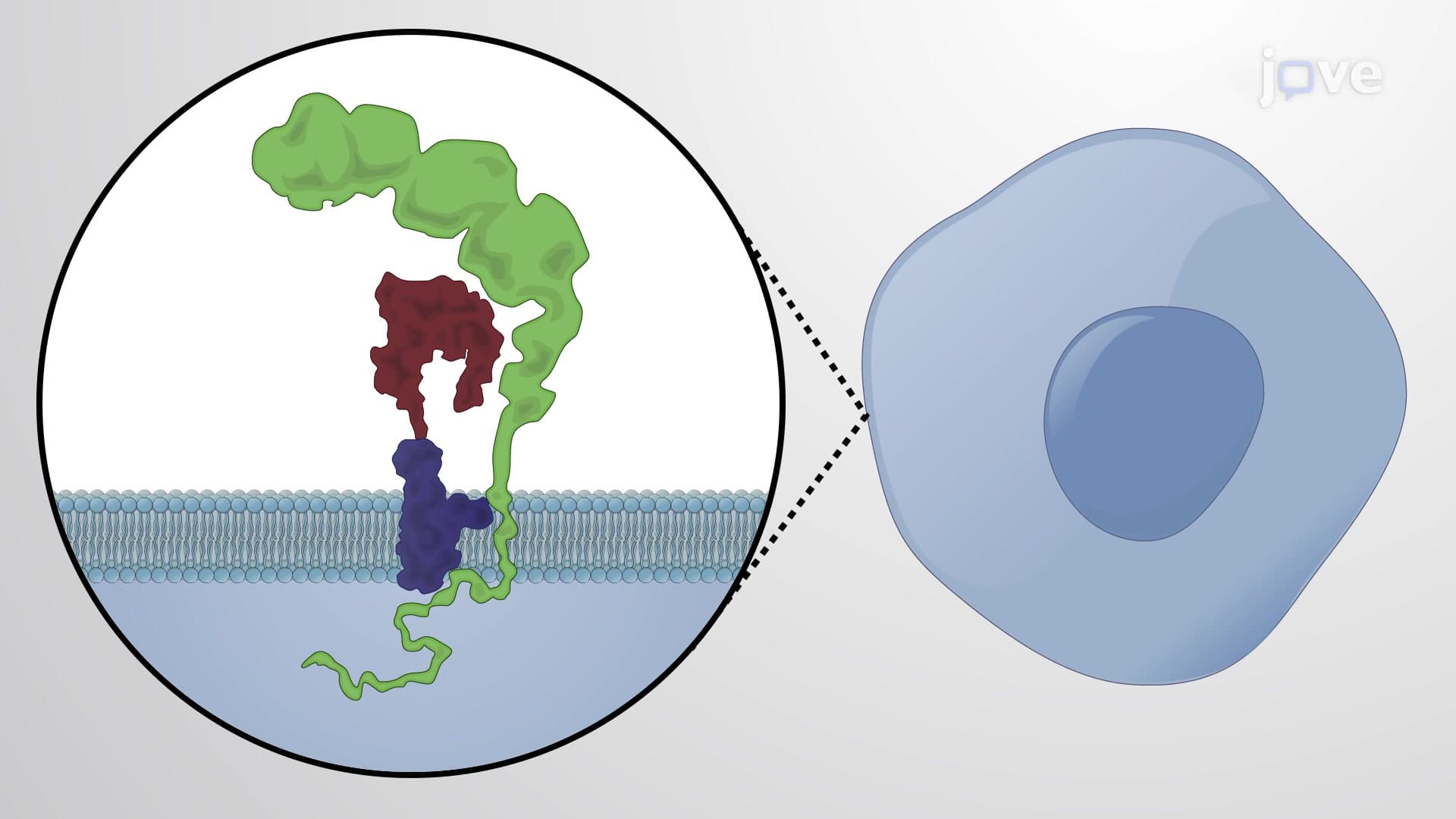

Video Summary: What Is Canonical Wnt Signaling Pathway
Did you know that disruptions in the canonical Wnt signaling pathway cause over 90% of colorectal cancers in the United States? This fundamental cellular communication system controls everything from how your limbs formed during embryonic development to how your intestinal lining regenerates every few days. Understanding what is canonical Wnt signaling pathway reveals how cells decide when to divide, differentiate, or die throughout your lifetime. Watch the full video on JoVE Coach to master this concept with expert-led visuals and step-by-step explanations.
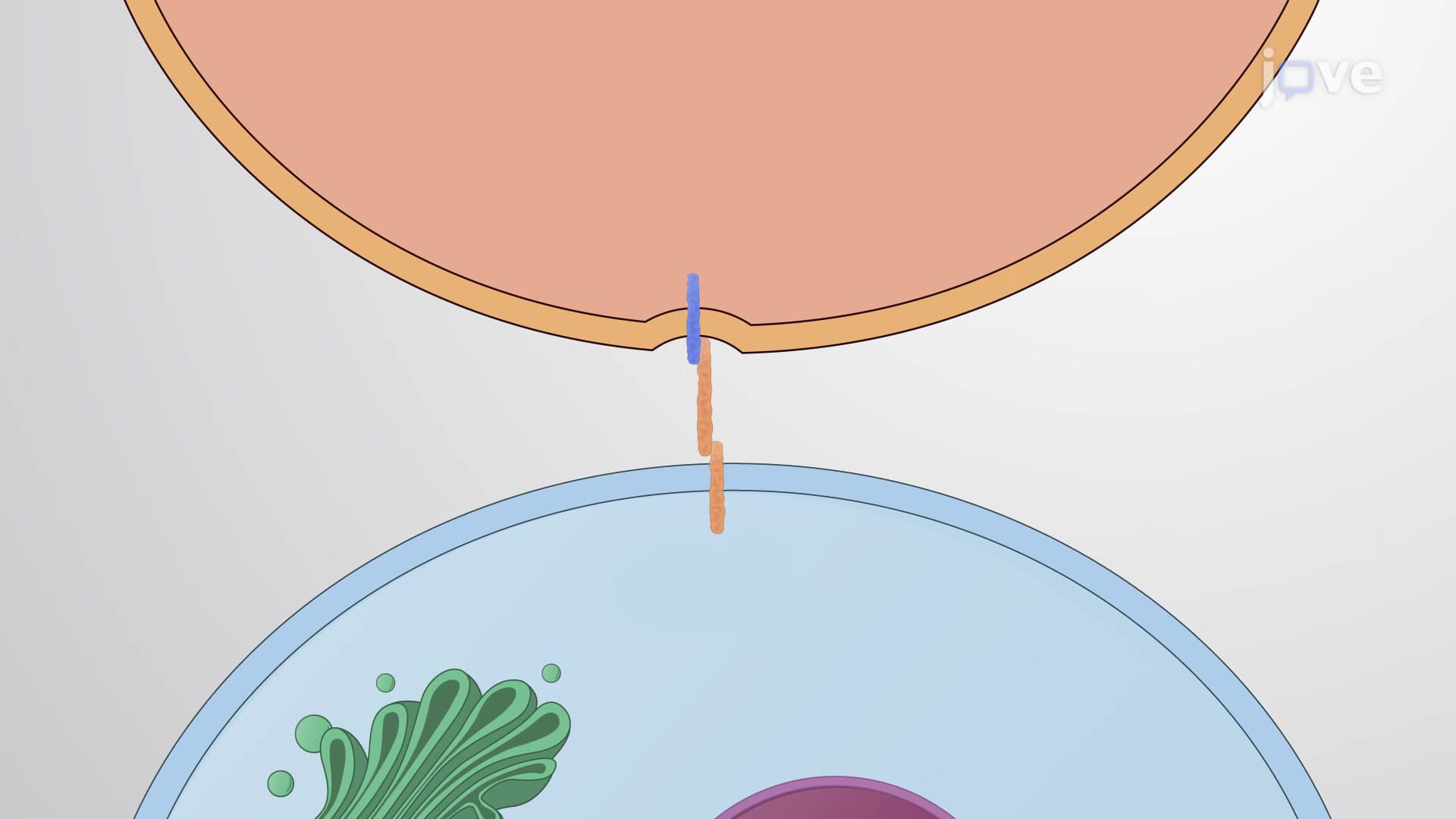
The canonical Wnt signaling pathway represents one of biology's most evolutionarily conserved communication systems, discovered through pioneering genetic research at institutions like Caltech and Harvard Medical School. This pathway functions as a molecular switch that determines whether cells proliferate, differentiate, or undergo programmed death. Unlike simpler signaling mechanisms, the canonical Wnt pathway involves a sophisticated relay system where extracellular signals ultimately control which genes get activated in the nucleus.
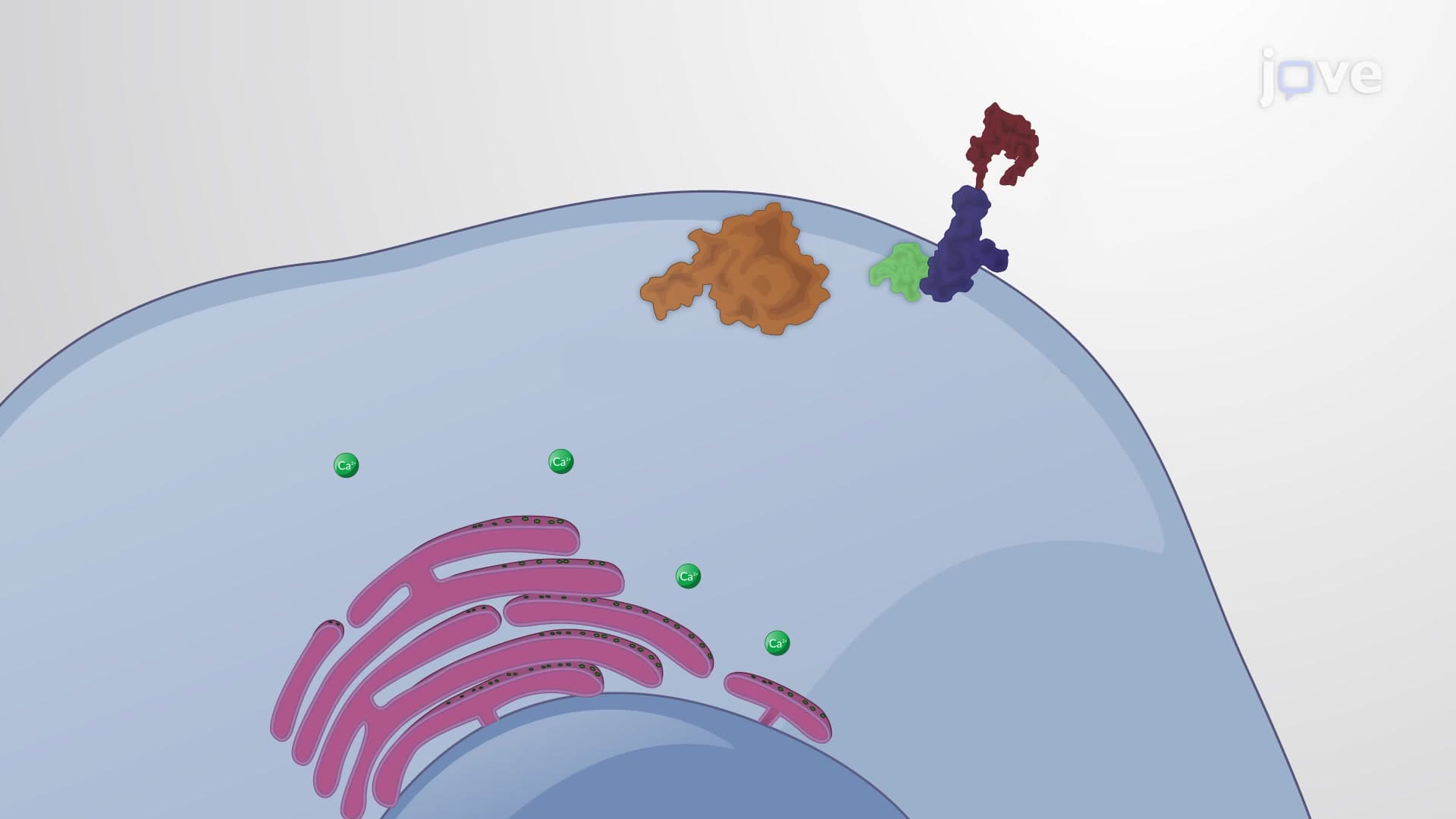
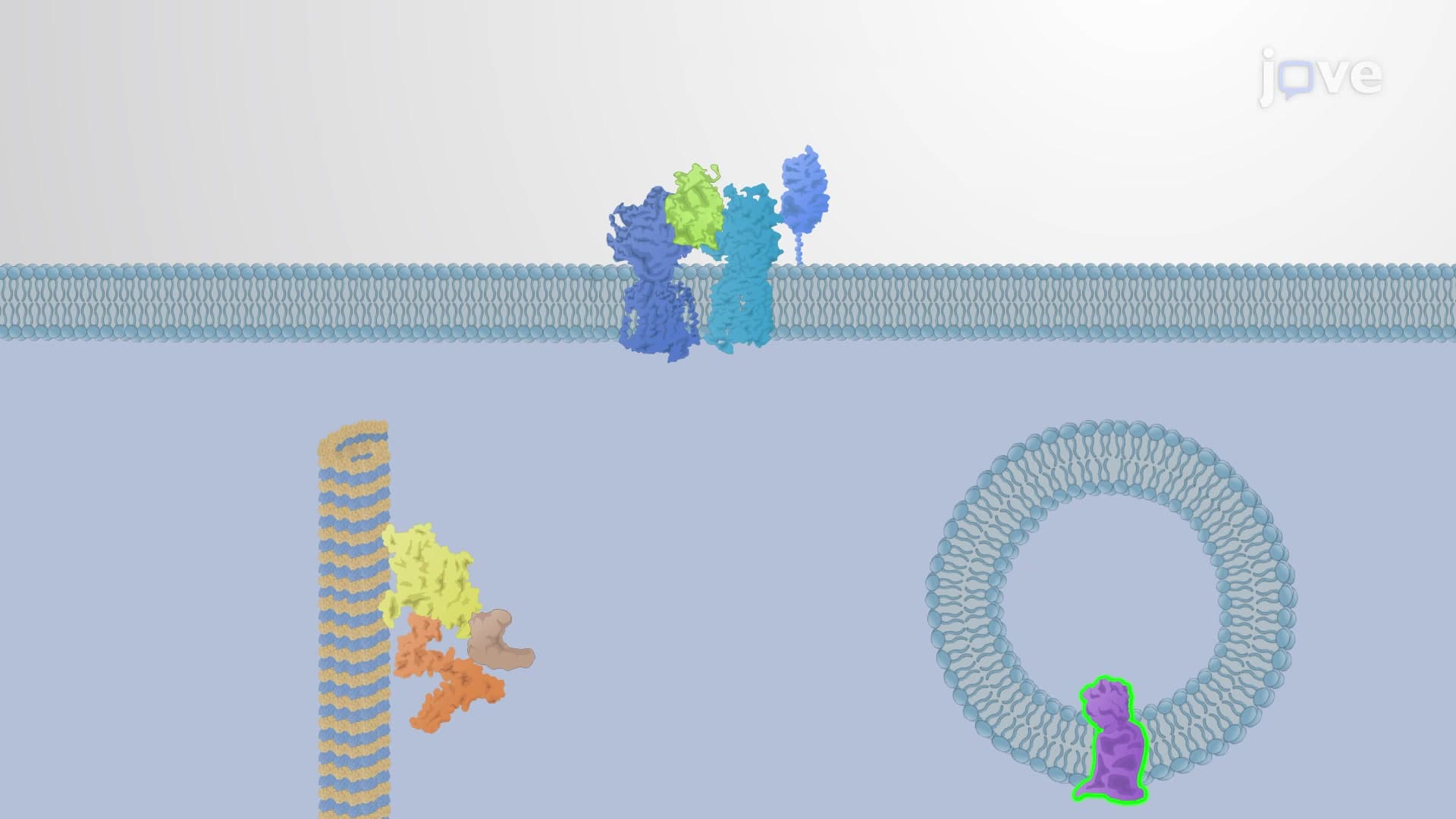
The pathway's elegance lies in its double-negative regulation system. In the "off" state, a destruction complex containing APC (Adenomatous Polyposis Coli), Axin, and GSK-3β continuously degrades β-catenin, preventing gene activation. When Wnt ligands bind to Frizzled receptors and LRP5/6 co-receptors, this destruction complex becomes inhibited through Dishevelled protein activation. Consequently, β-catenin accumulates in the cytoplasm and translocates to the nucleus, where it partners with TCF/LEF transcription factors to activate target genes controlling cell fate decisions.
Understanding canonical Wnt signaling proves essential for students pursuing healthcare careers, as pathway dysregulation underlies numerous human diseases. Familial Adenomatous Polyposis (FAP), caused by APC gene mutations, affects approximately 1 in 10,000 Americans and demonstrates how Wnt pathway disruption leads to early-onset colorectal cancer. Students preparing for the MCAT frequently encounter questions about how β-catenin mutations contribute to Wilms tumor development in children, while nursing students studying for NCLEX examinations must understand how Wnt signaling affects wound healing and tissue repair.
For AP Biology students, the canonical Wnt pathway exemplifies signal transduction complexity tested on College Board examinations. The pathway illustrates key concepts including protein-protein interactions, positive and negative feedback loops, and transcriptional regulation. College undergraduates in molecular biology courses often analyze Wnt signaling through laboratory exercises using model organisms like zebrafish, where pathway manipulation demonstrates its roles in axis formation and organ development. This hands-on approach reinforces theoretical knowledge while preparing students for advanced coursework in developmental biology, cancer research, and regenerative medicine.
Related Micro-courses