Loading subject page…


14,314 views

Video Summary: What Is Hedgehog Signaling Pathway
Did you know that a single molecular pathway controls everything from your fingertips forming correctly in the womb to preventing brain tumors later in life? The hedgehog signaling pathway is a master regulator that orchestrates embryonic development and maintains tissue health throughout your lifetime. At Johns Hopkins Medical School, researchers study how disruptions in this pathway lead to birth defects and cancers like medulloepithelioma. Watch the full video on JoVE Coach to master this concept with expert-led visuals and step-by-step explanations.
The hedgehog signaling pathway represents one of biology's most elegant communication systems, governing how cells receive and respond to developmental instructions. This pathway operates like a molecular relay race, where each component passes signals along until genes receive the message to turn on or off. Students preparing for the MCAT or AP Biology exams frequently encounter this pathway as a prime example of signal transduction and developmental biology principles.
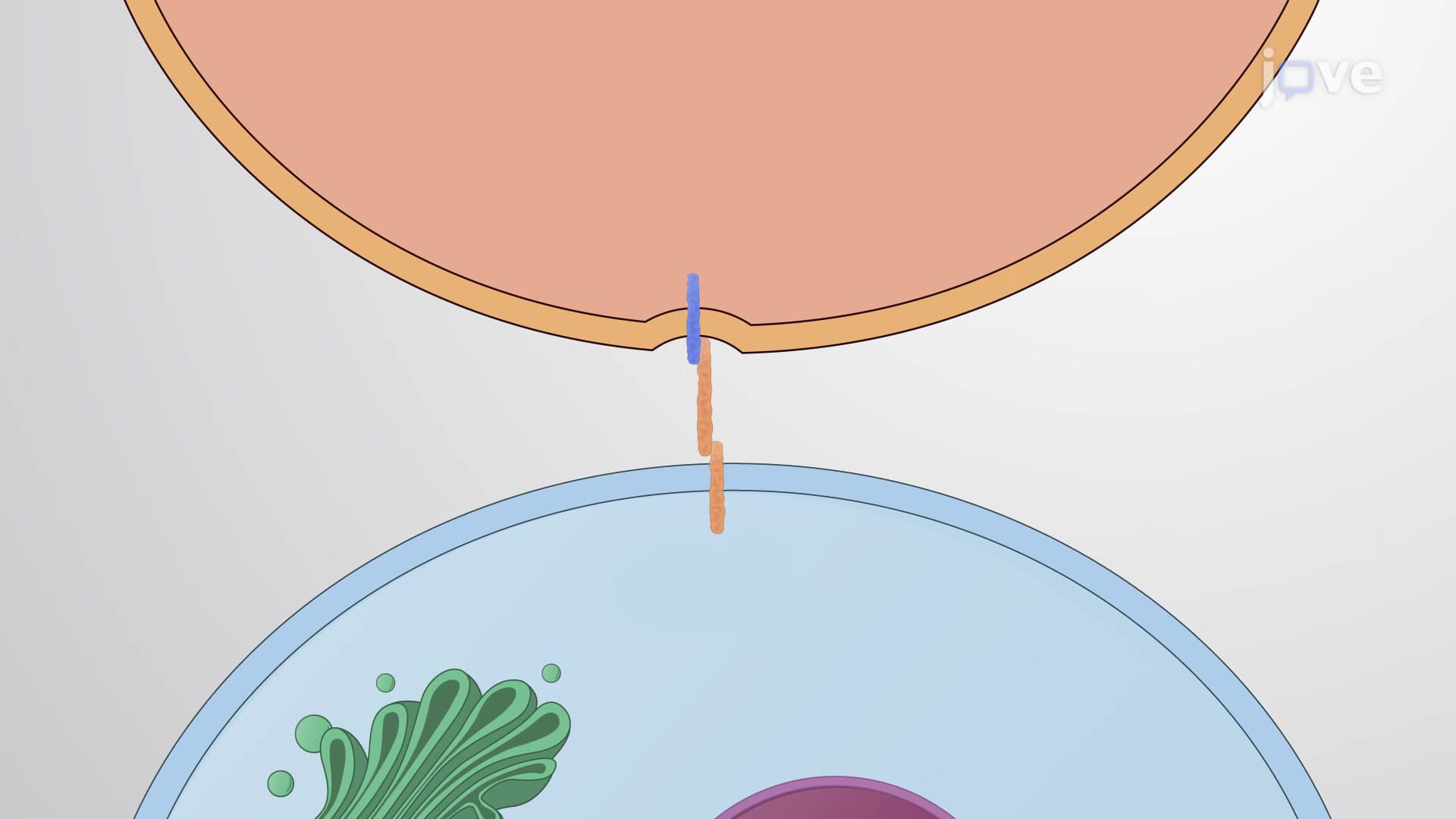
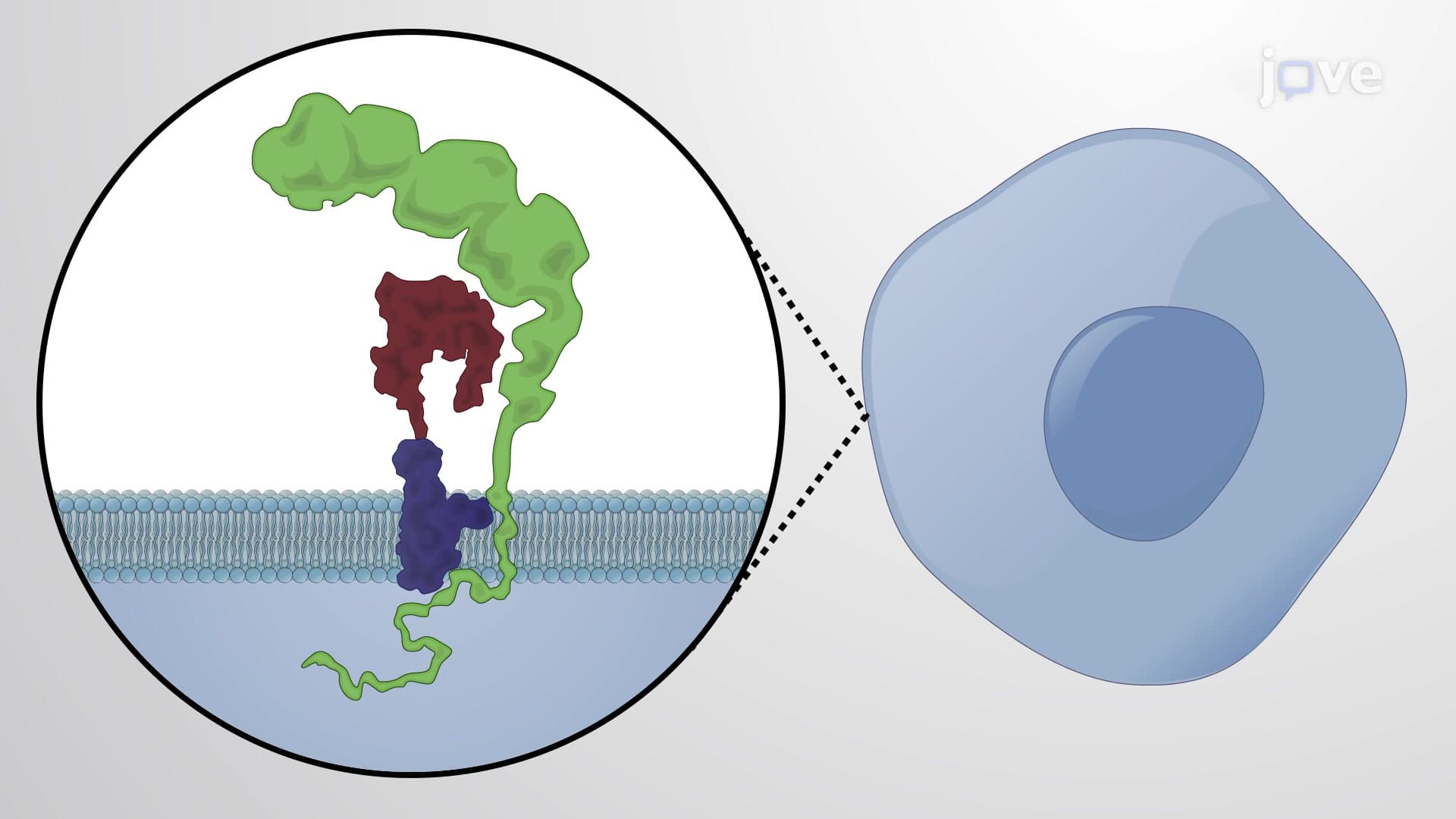
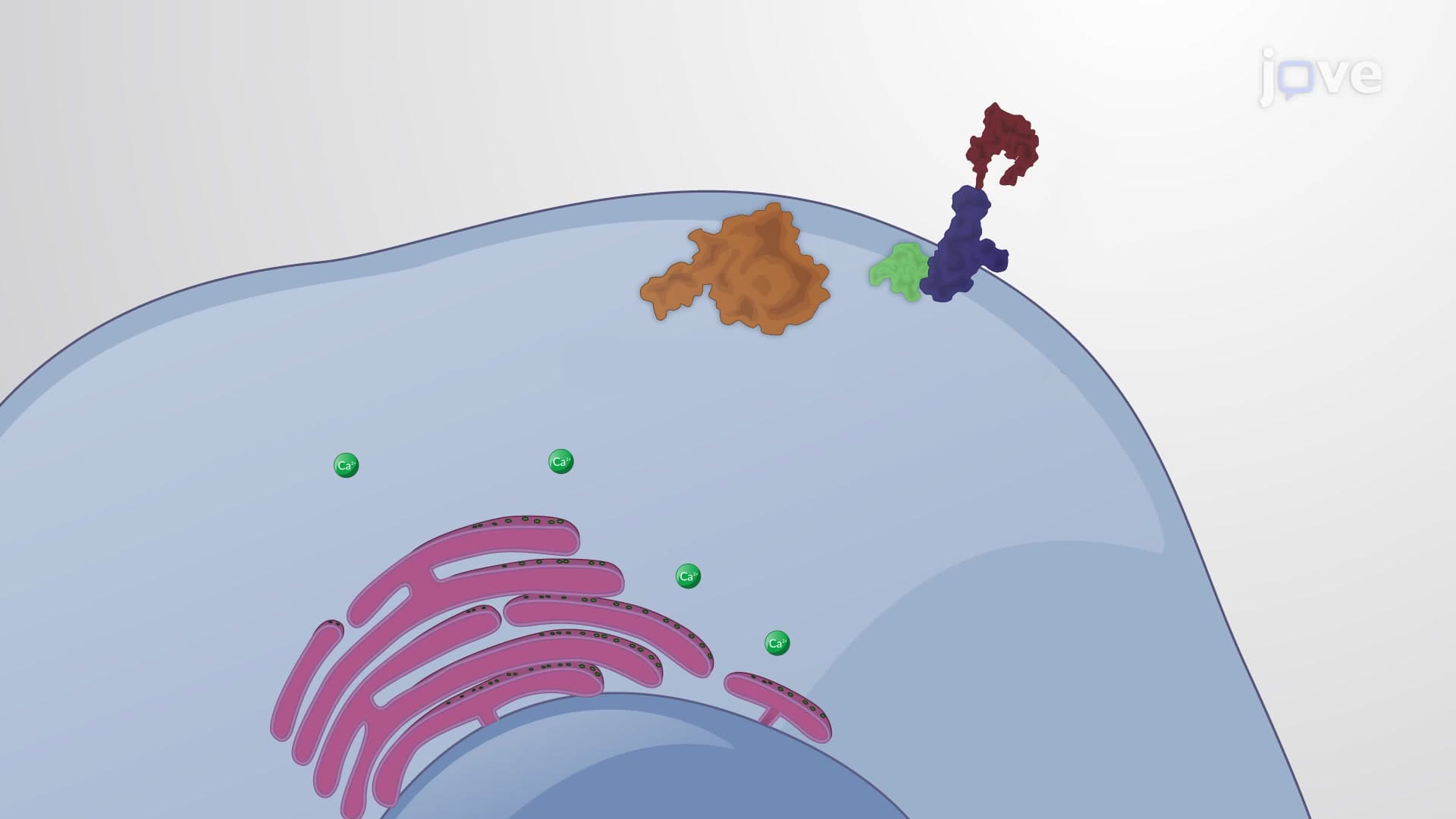
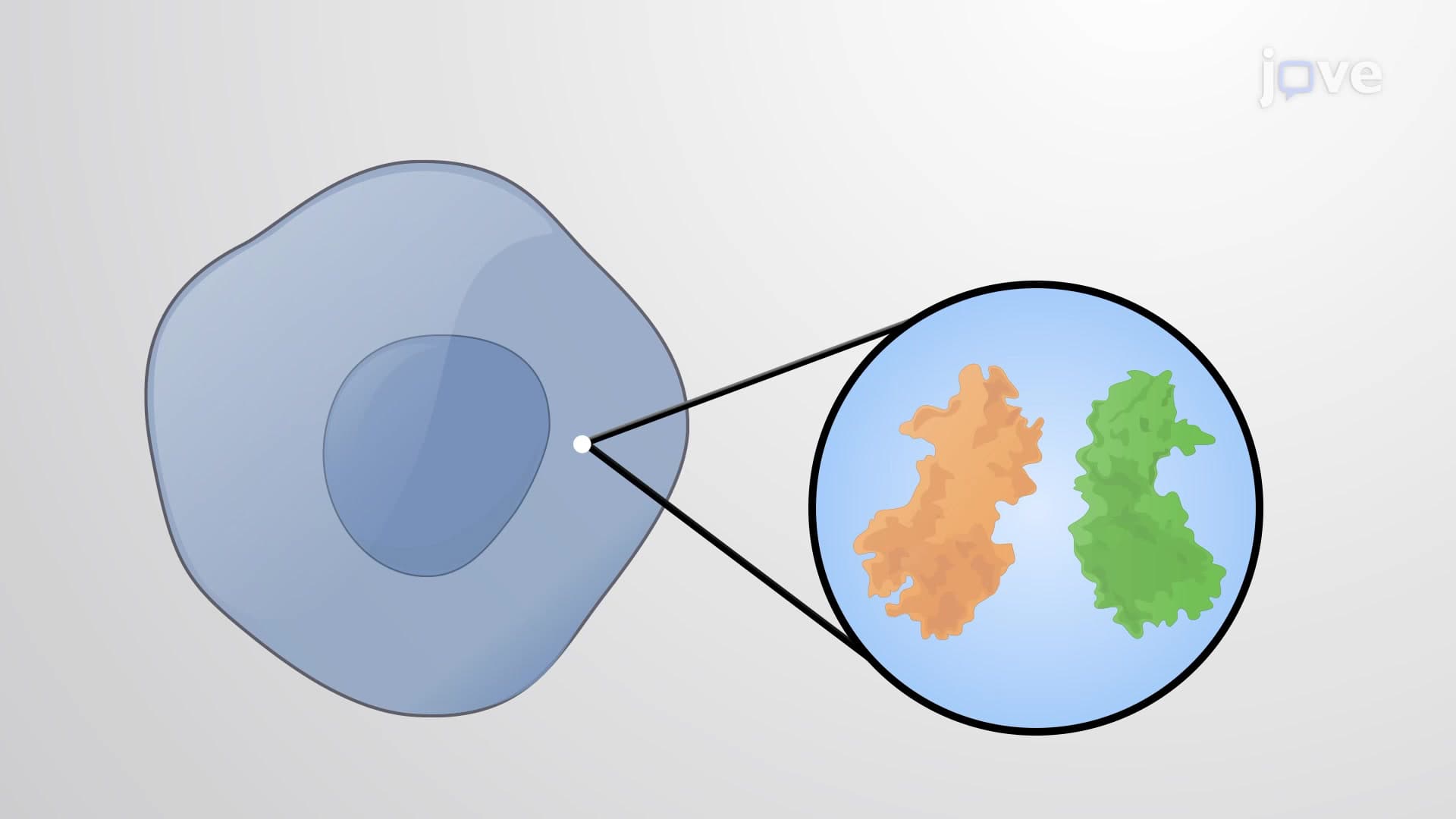
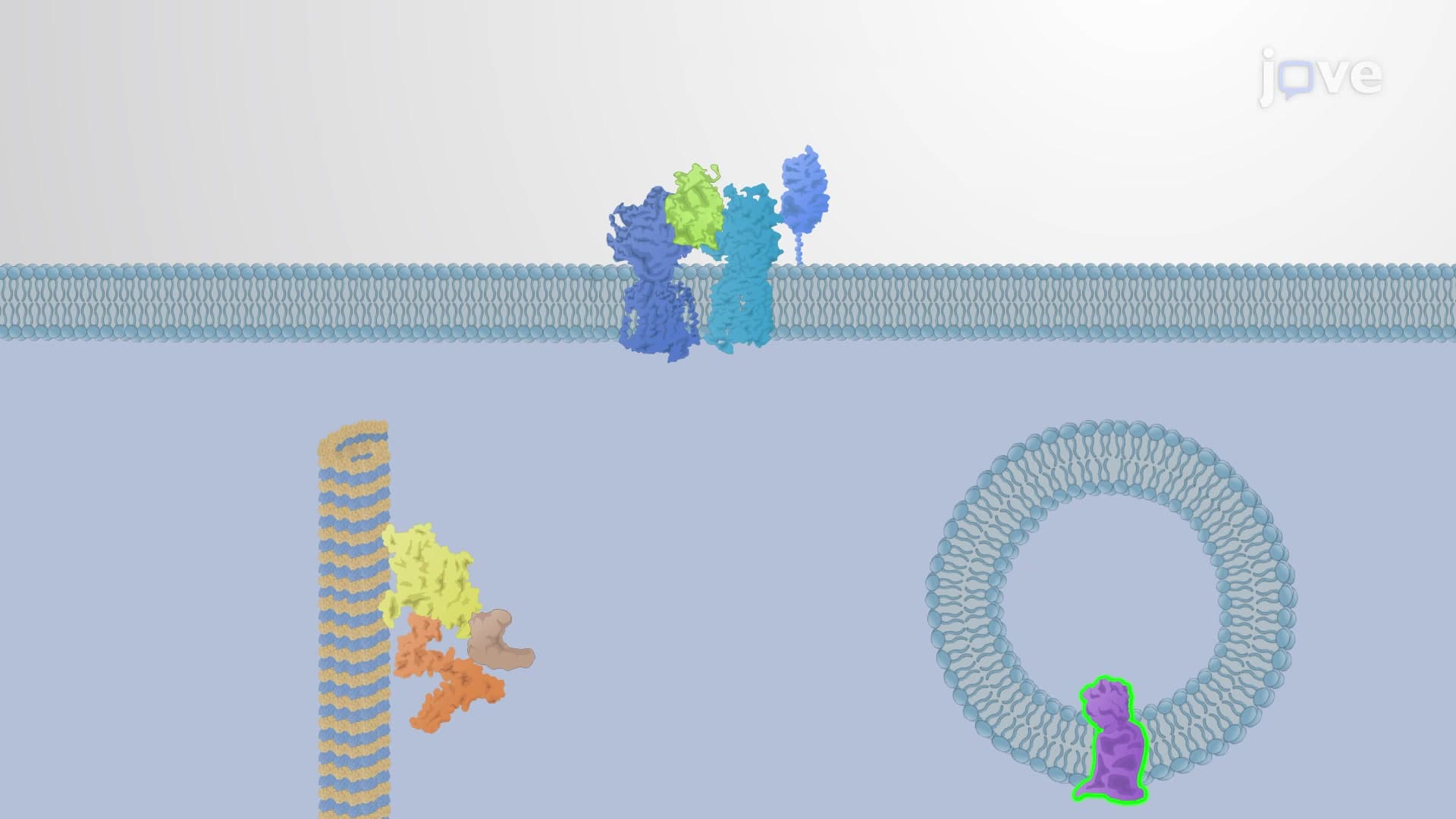
At its core, the pathway involves four essential players working in concert. Hedgehog ligands-Sonic, Indian, and Desert Hedgehog-serve as the initial messengers. When these proteins bind to Patched receptors on target cells, they unleash a cascade of events. Patched normally acts like a molecular brake on Smoothened protein, but ligand binding releases this inhibition. Activated Smoothened then triggers intracellular signaling that culminates in GLI transcription factors entering the nucleus to regulate gene expression. The primary cilium functions as the pathway's command center, concentrating these signaling components in a specialized cellular compartment.
Understanding this pathway proves crucial for medical students studying developmental disorders and cancer biology. At institutions like Harvard Medical School and Stanford University School of Medicine, researchers have identified how pathway mutations cause conditions ranging from holoprosencephaly (failure of brain hemispheres to separate) to Gorlin syndrome (predisposition to skin cancers). The FDA has approved Hedgehog pathway inhibitors like vismodegib for treating advanced basal cell carcinomas, demonstrating the pathway's therapeutic significance.
The Hedgehog pathway exemplifies how morphogen gradients establish cellular identity during embryogenesis. Different concentrations of Hedgehog proteins create positional information that tells cells whether to become neurons, muscle, or other tissue types. This concept appears prominently in college developmental biology courses and helps explain fundamental questions about how complex organisms arise from single fertilized eggs.
Related Micro-courses