Loading subject page…


14,314 views

Video Summary: What Is Notch Signaling Pathway
Did you know that every time your skin heals from a cut, cells are making split-second decisions about whether to become new skin cells or blood vessel cells? The notch signaling pathway orchestrates these critical cellular fate decisions through direct cell-to-cell communication. This highly conserved mechanism controls everything from embryonic development to adult tissue maintenance, and when it malfunctions, it can lead to diseases like T-cell acute lymphoblastic leukemia commonly diagnosed in pediatric oncology centers across the United States. Watch the full video on JoVE Coach to master this concept with expert-led visuals and step-by-step explanations.
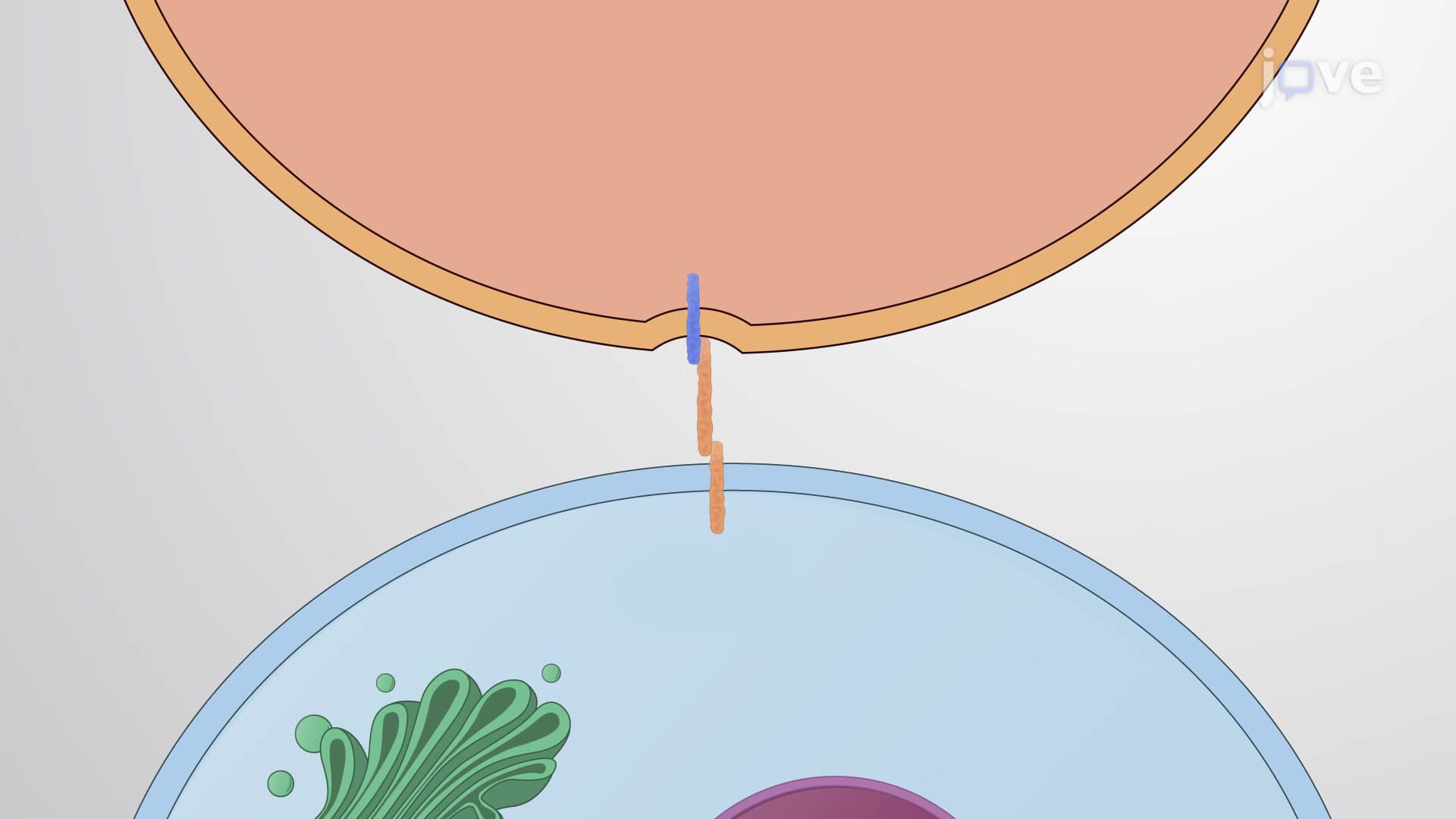
The What is Notch Signaling Pathway represents one of biology's most elegant communication systems, where neighboring cells engage in molecular conversations that determine their ultimate cellular identities. Unlike hormonal signaling that works across long distances, Notch signaling requires direct physical contact between cells, making it a prime example of juxtacrine signaling. This pathway's discovery in fruit flies over a century ago has revolutionized our understanding of how complex multicellular organisms develop from a single fertilized egg.
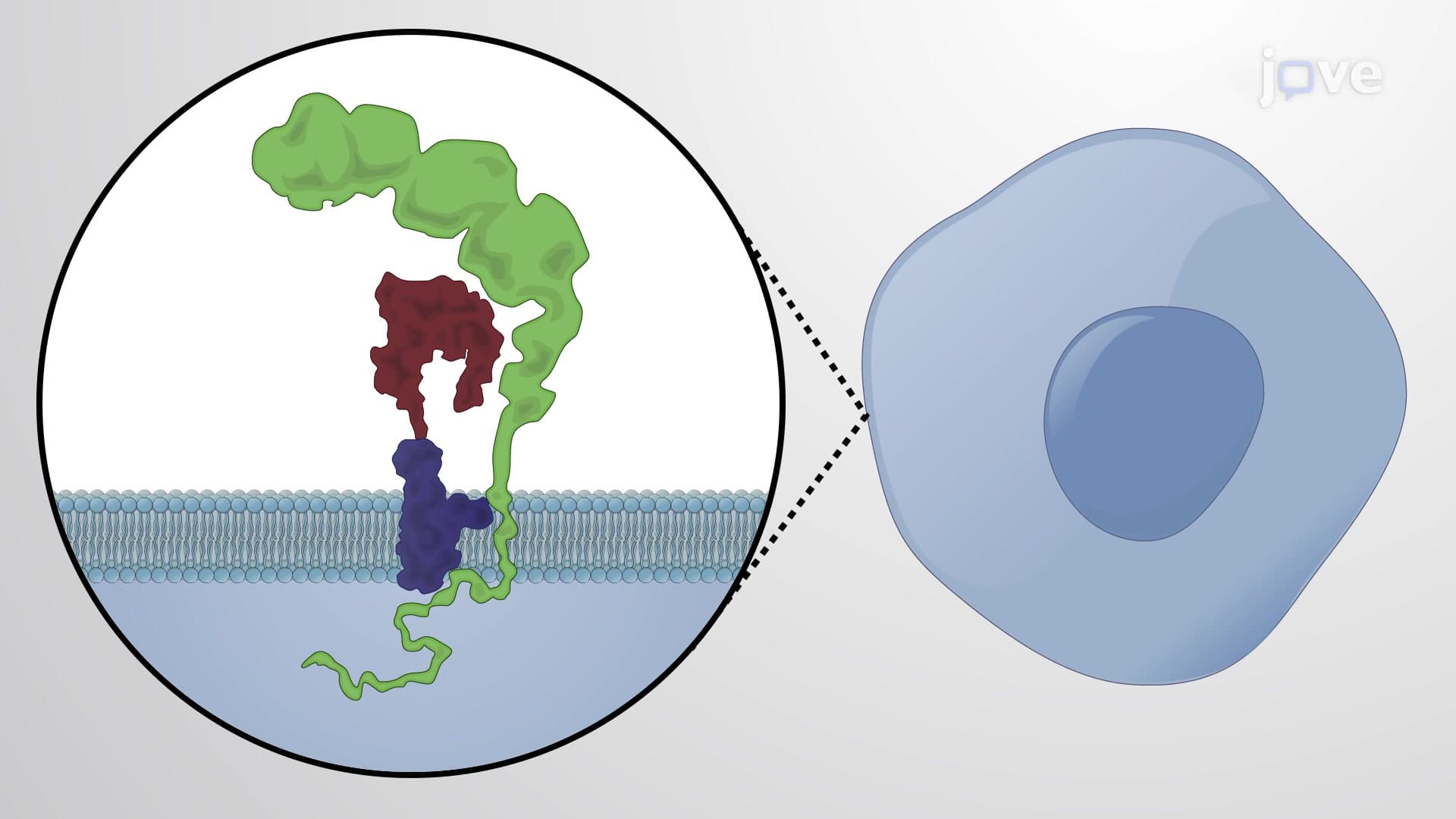
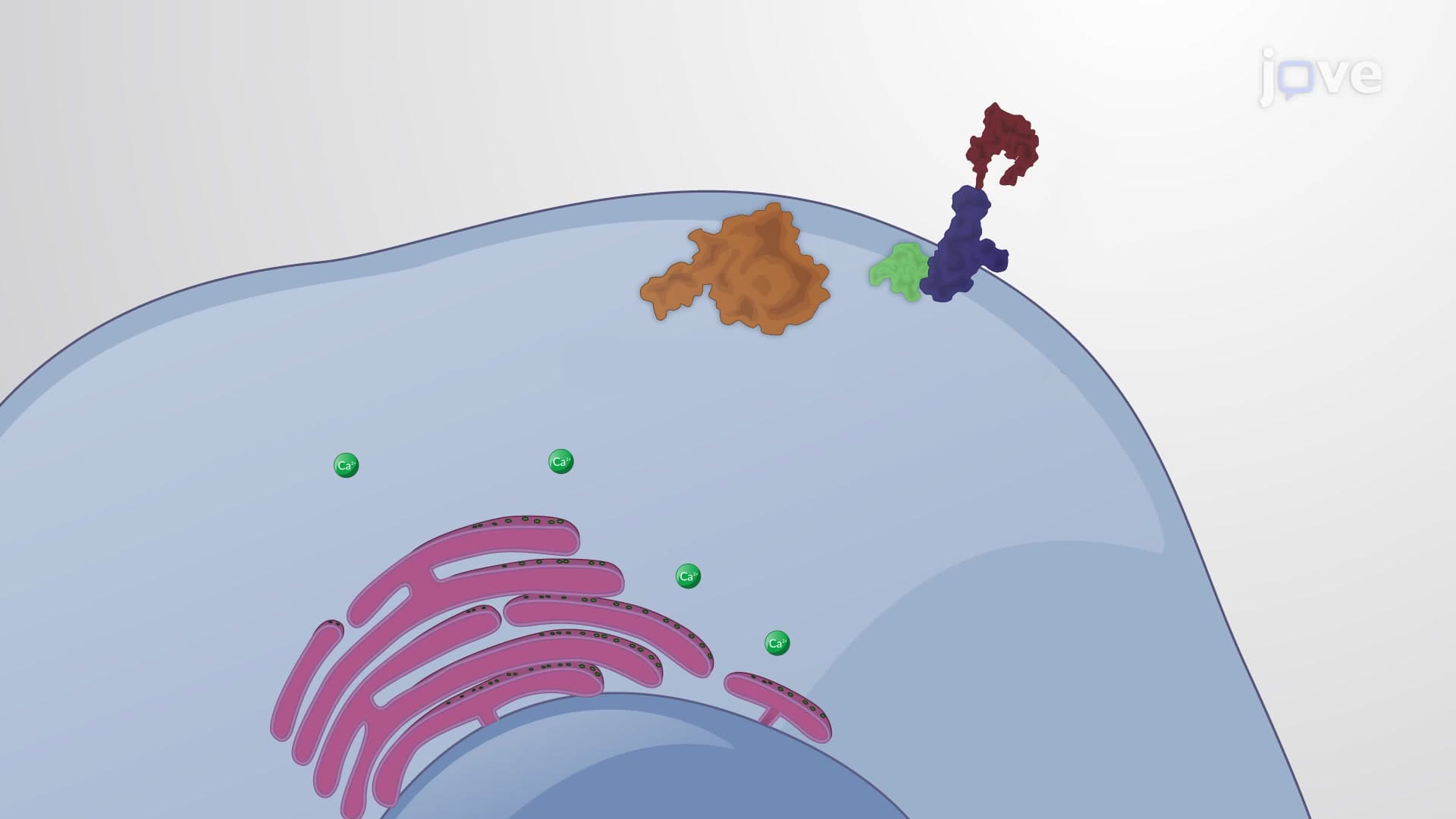
The pathway operates through a sophisticated molecular relay system. When a Delta or Jagged ligand on one cell's surface binds to a Notch receptor on an adjacent cell, it triggers a cascade of proteolytic cleavages. The critical step involves γ-secretase, the same enzyme implicated in Alzheimer's disease, which releases the Notch intracellular domain (NICD) from the cell membrane. This NICD fragment then travels to the nucleus where it acts as a transcriptional activator, turning on genes like those in the HES and HEY families that ultimately determine what type of cell the recipient will become.
Notch signaling dysfunction underlies numerous human diseases treated in American hospitals daily. T-cell acute lymphoblastic leukemia (T-ALL), which accounts for about 15% of childhood leukemias, often results from Notch pathway overactivation. Conversely, Notch deficiency can cause Alagille syndrome, a genetic disorder affecting liver and heart development. Cancer researchers at institutions like MD Anderson and Memorial Sloan Kettering are actively developing Notch-targeted therapies, including γ-secretase inhibitors that could revolutionize cancer treatment.
Modern regenerative medicine heavily relies on understanding Notch signaling to control stem cell fate decisions. Researchers at Stanford and Harvard use Notch pathway manipulation to direct stem cells toward specific lineages for tissue engineering applications. For students preparing for the MCAT or advanced AP Biology exams, understanding Notch signaling provides crucial insights into developmental biology principles that frequently appear in test questions about cell differentiation and embryonic development.
Related Micro-courses