Loading video…


 9 Concepts
 39.6K views

Video Summary: Differentiation of Common Myeloid Progenitor Cells Explained
When you get a cut or catch the flu, your body deploys different immune cells to fight specific threats-but how does your bone marrow know which defenders to produce? The differentiation of common myeloid progenitor cells is the crucial process that transforms stem cells into specialized immune warriors like neutrophils and macrophages. During the 2020 COVID-19 pandemic, understanding this cellular differentiation helped researchers track immune responses in hospitalized patients across major US medical centers like Johns Hopkins and Mayo Clinic. Watch the full video on JoVE Coach to master this concept with expert-led visuals and step-by-step explanations.
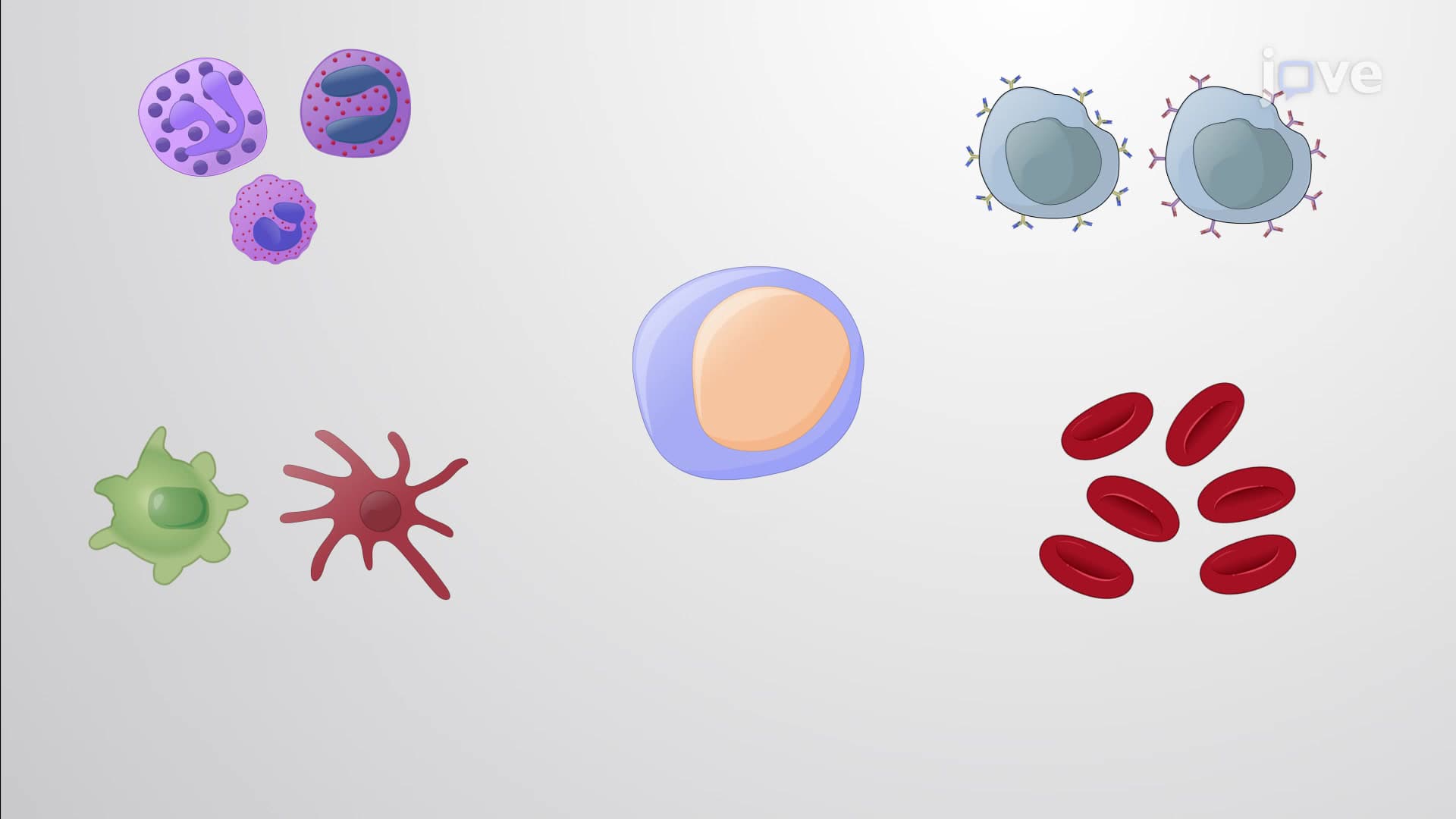
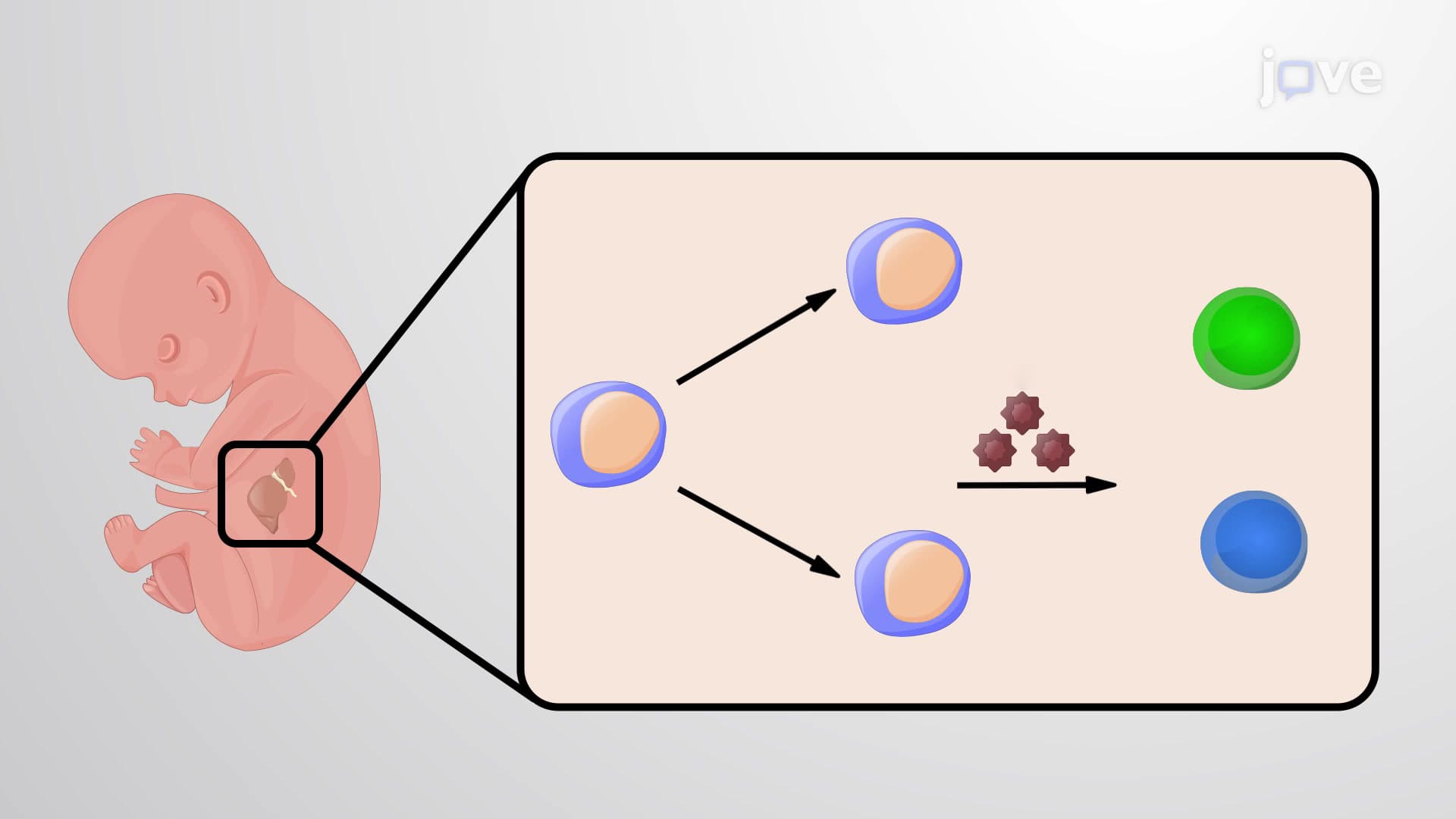
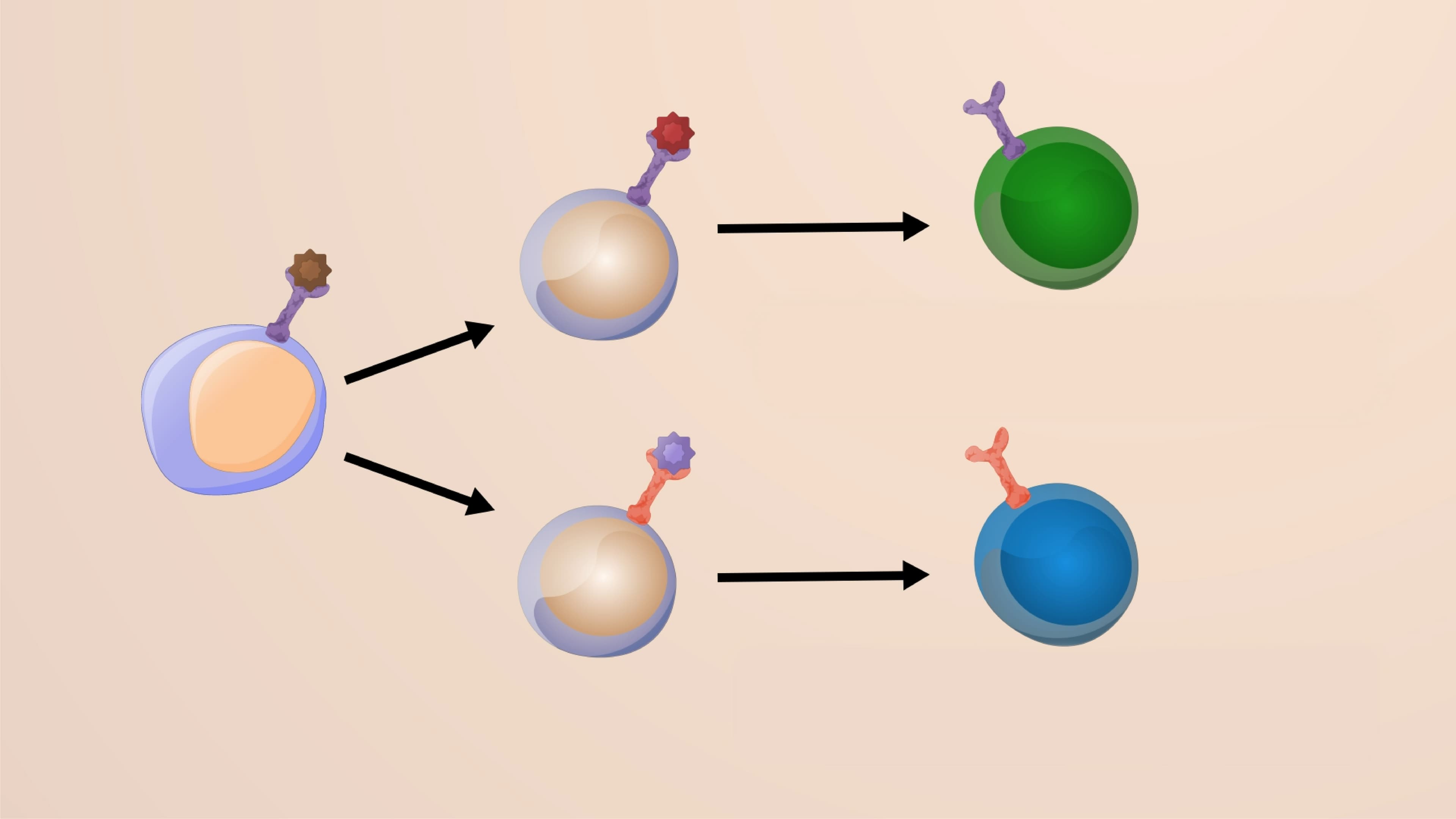
Common myeloid progenitor (CMP) cells represent a critical branch point in hematopoiesis, where multipotent stem cells commit to becoming either granulocytes or mononuclear phagocytes. This differentiation of common myeloid progenitor cells occurs in the bone marrow and responds dynamically to the body's immune needs. Unlike lymphoid progenitors that generate T and B cells, CMPs specifically produce the innate immune system's first responders.
Four major colony-stimulating factors orchestrate CMP differentiation with remarkable precision. Granulocyte-CSF (G-CSF) primarily drives neutrophil production, while macrophage-CSF (M-CSF) promotes monocyte development. Granulocyte-macrophage CSF (GM-CSF) can stimulate both pathways, and interleukin-3 (IL-3) acts as a multi-lineage growth factor. During the 2009 H1N1 influenza pandemic, researchers at the CDC documented how elevated G-CSF levels correlated with neutrophil surges in infected patients, demonstrating this system's clinical relevance.
The beauty of CMP differentiation lies in its pathogen-specific responses. Parasitic infections trigger IL-3 and GM-CSF release, promoting eosinophil production-cells specialized for combating helminth parasites through degranulation and extracellular trap formation. Conversely, bacterial infections stimulate G-CSF and M-CSF release, generating neutrophils for rapid bacterial killing and monocytes that mature into tissue-resident macrophages. This targeted response explains why complete blood counts (CBCs) ordered by physicians can indicate infection types.
Understanding CMP differentiation proves essential for MCAT Cell Biology sections and AP Biology Unit 3 (Cellular Energetics). Medical students encounter this concept extensively in USMLE Step 1 hematology questions, particularly regarding leukemoid reactions and hematologic malignancies. Nursing students studying for NCLEX exams must understand how chemotherapy affects myeloid differentiation, as many cancer treatments target rapidly dividing progenitor cells. The concept also appears in college-level immunology courses when discussing innate immunity and inflammatory responses.
Related Micro-courses