Loading video…


 9 Concepts
 39.6K views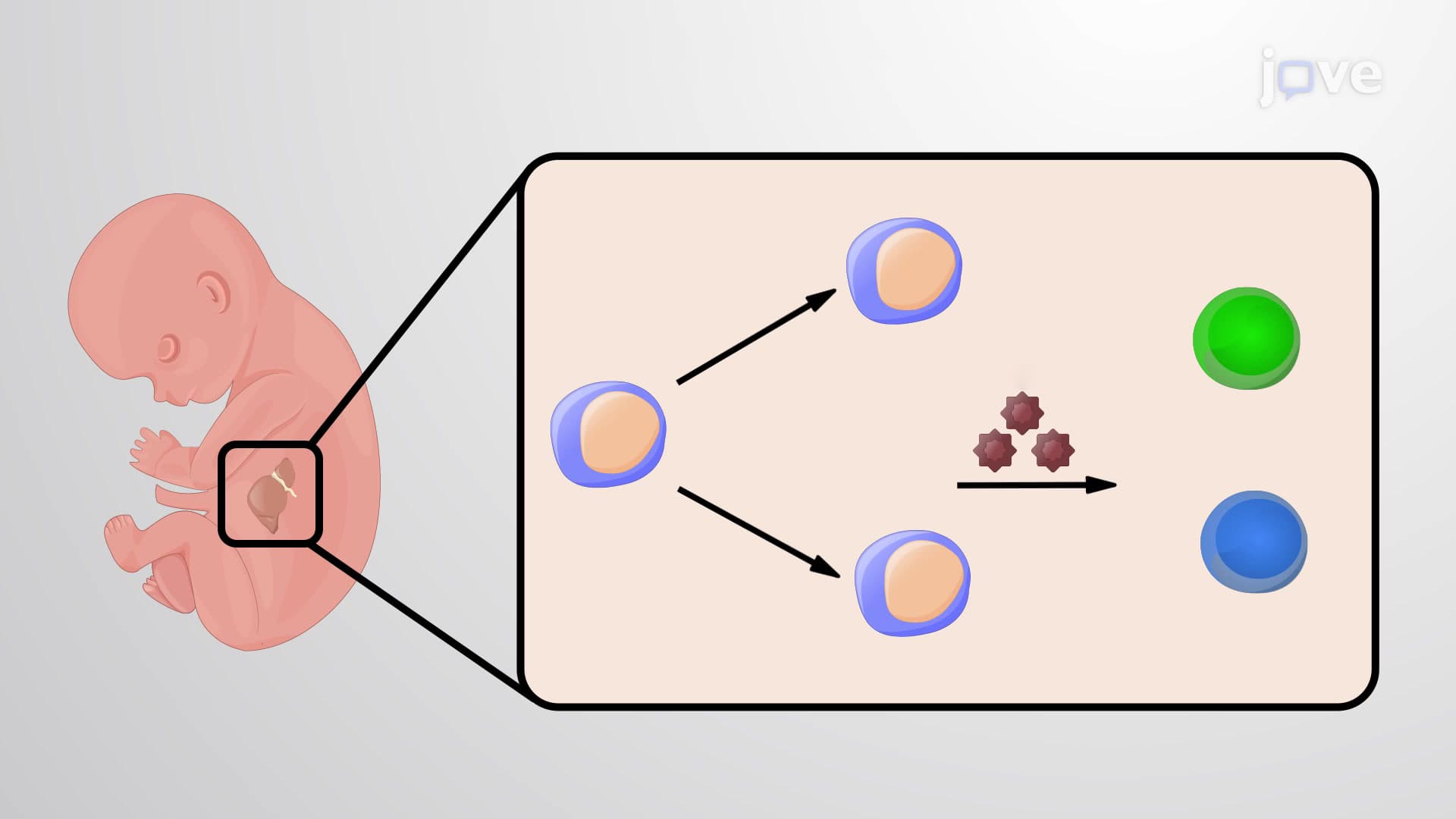

Video Summary: Multipotency of Hematopoietic Stem Cells Explained
Did you know that every drop of your blood-from infection-fighting white blood cells to oxygen-carrying red blood cells-originates from the same remarkable source? The multipotency of hematopoietic stem cells represents nature's ultimate cellular factory, where single stem cells possess the extraordinary ability to generate all blood cell types your body needs. Consider bone marrow transplants at leading US medical centers like Johns Hopkins, where donated HSCs rebuild entire blood systems in leukemia patients. Watch the full video on JoVE Coach to master this concept with expert-led visuals and step-by-step explanations.
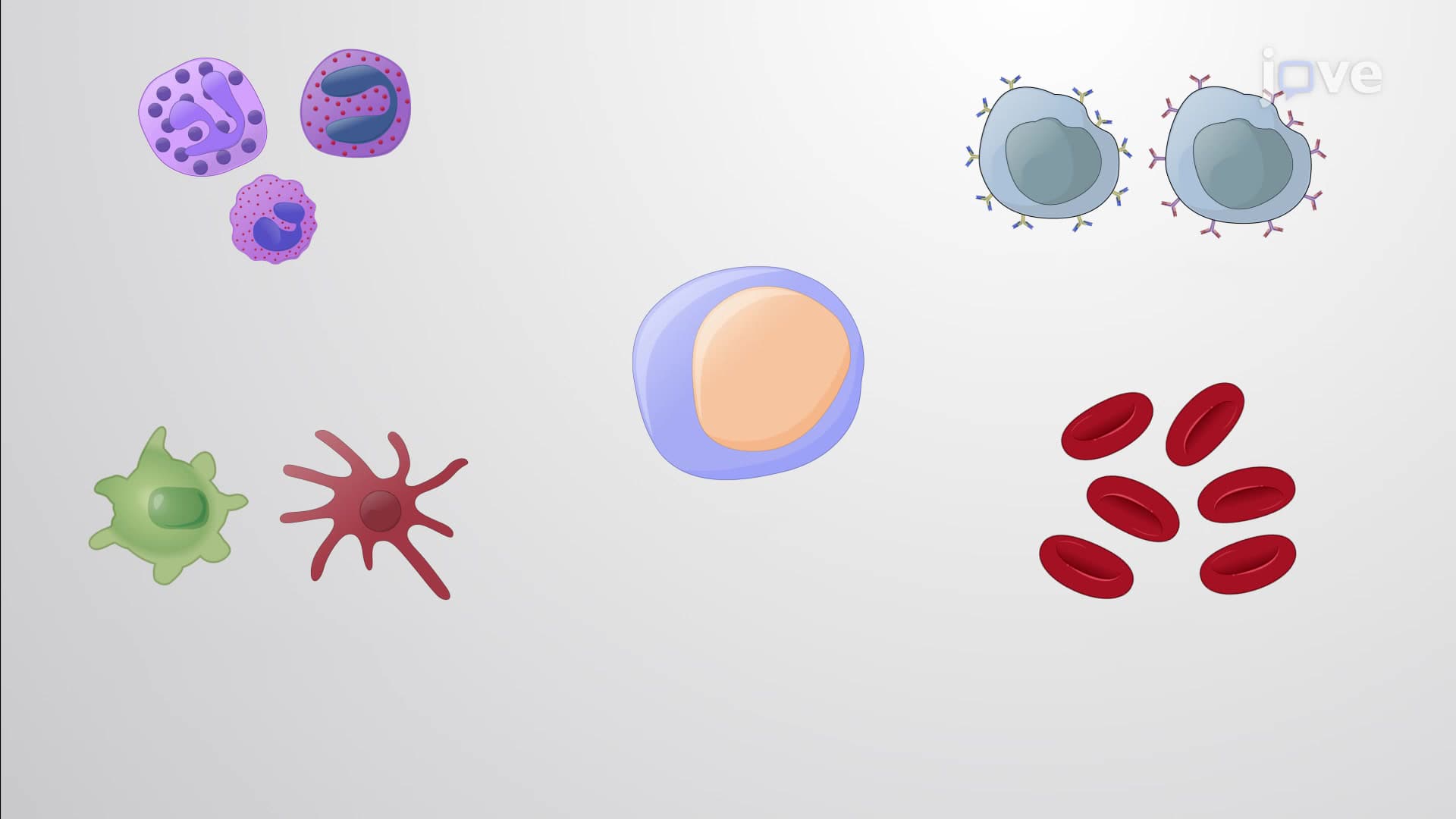
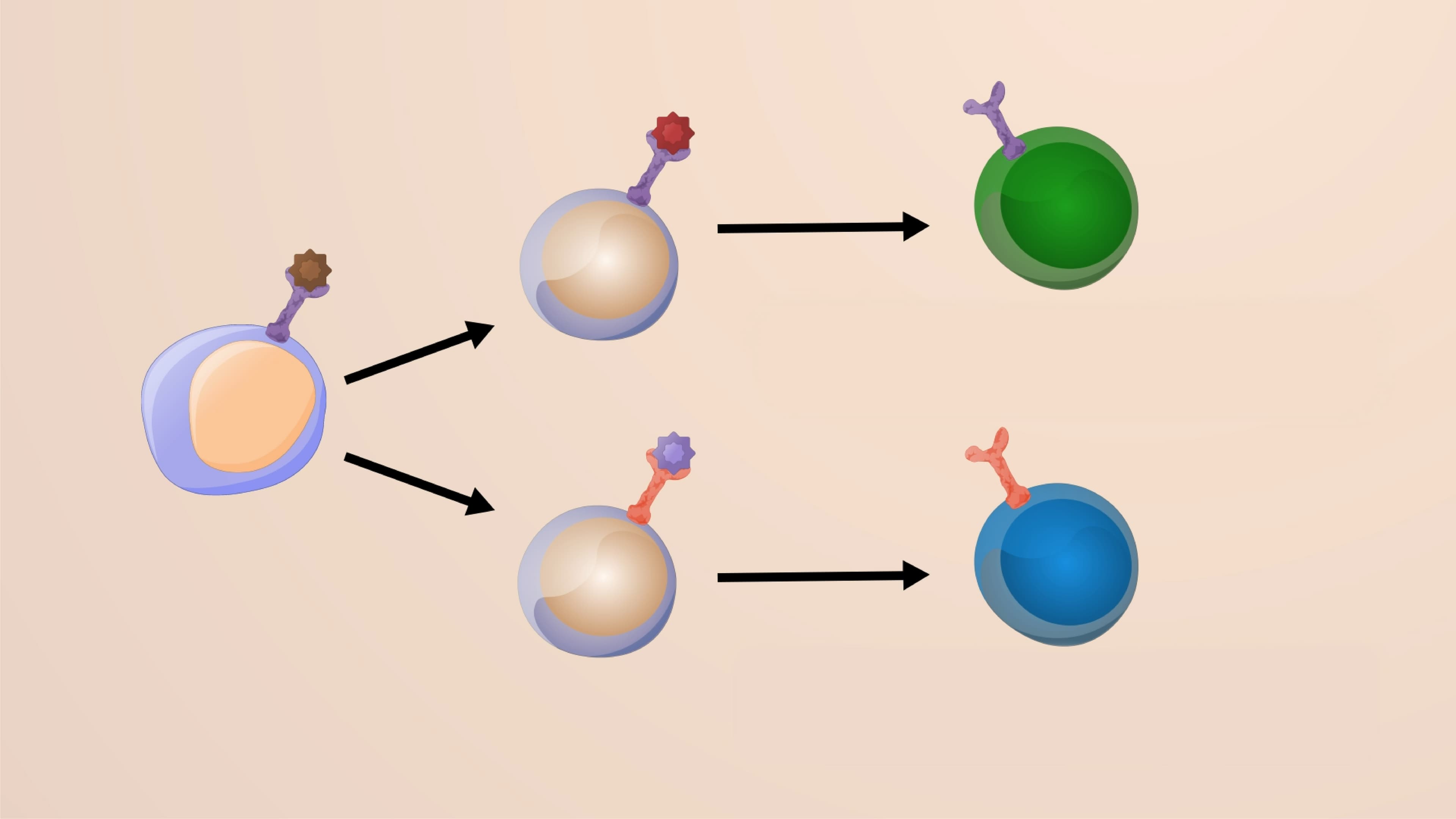
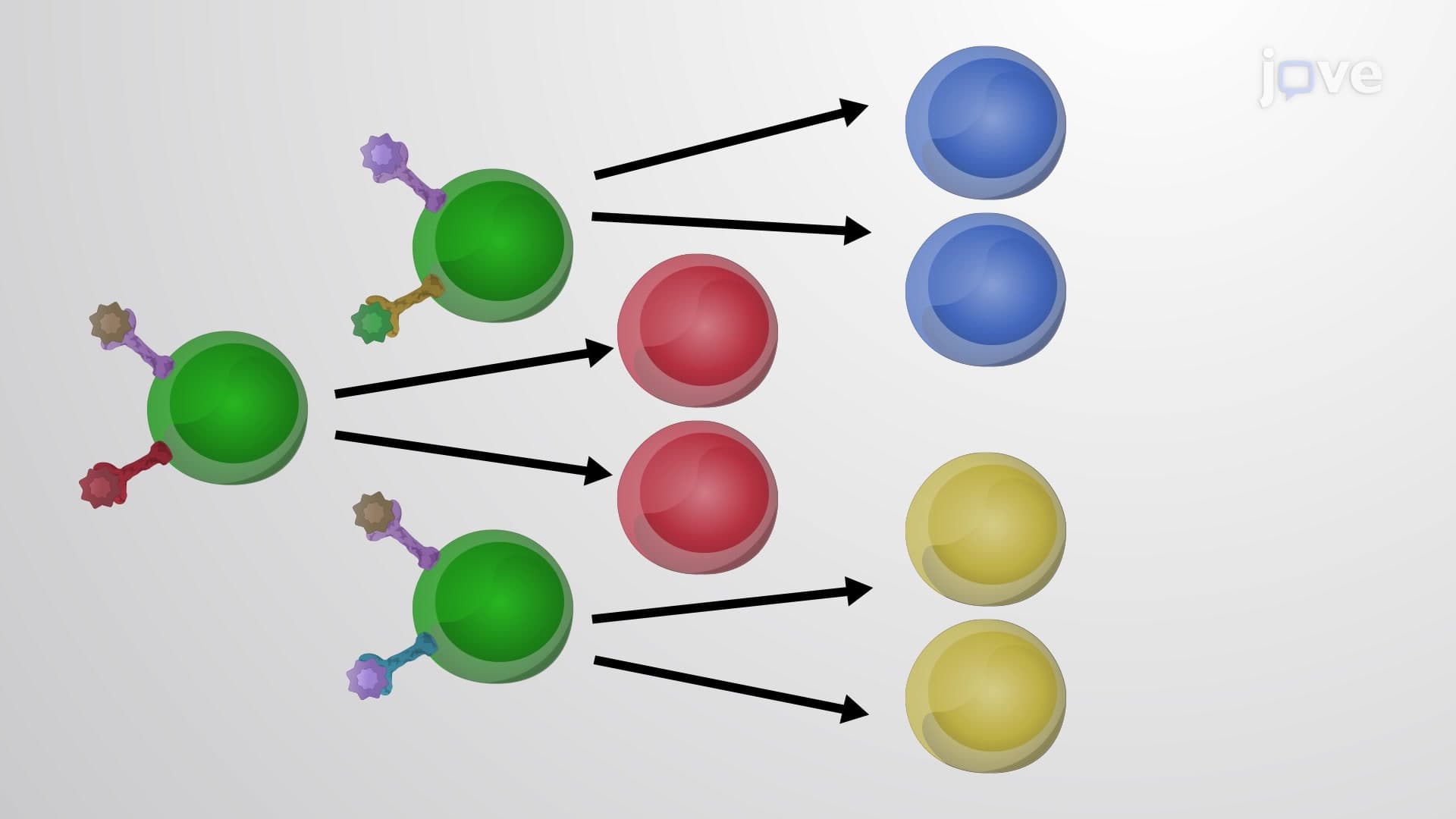
The multipotency of hematopoietic stem cells represents one of biology's most elegant examples of cellular plasticity. Unlike pluripotent embryonic stem cells that can form any body tissue, HSCs demonstrate multipotency-the ability to differentiate into all blood cell types while remaining restricted to the hematopoietic lineage. This includes erythrocytes (red blood cells), various leukocyte subtypes (white blood cells), and thrombocytes (platelets).
During embryonic development, hematopoiesis shifts locations in a precisely orchestrated manner. Initially occurring in the yolk sac, blood cell production transitions to the fetal liver around week 6 of human development. Here, HSCs undergo rapid symmetric divisions, creating identical daughter cells to expand the stem cell pool necessary for the growing organism. This contrasts sharply with adult hematopoiesis, where asymmetric division becomes the norm-one daughter cell maintains stemness while the other commits to differentiation.
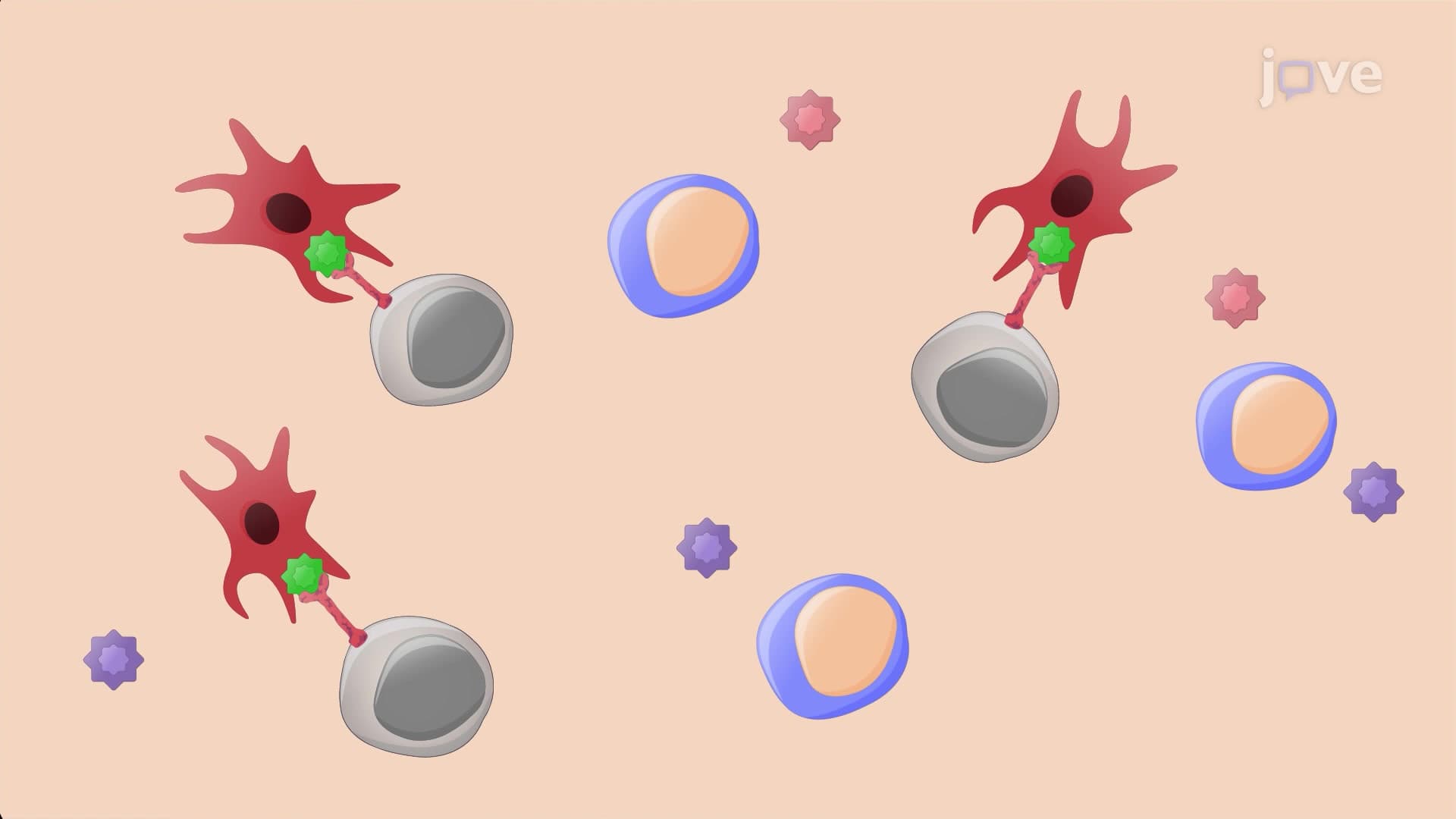
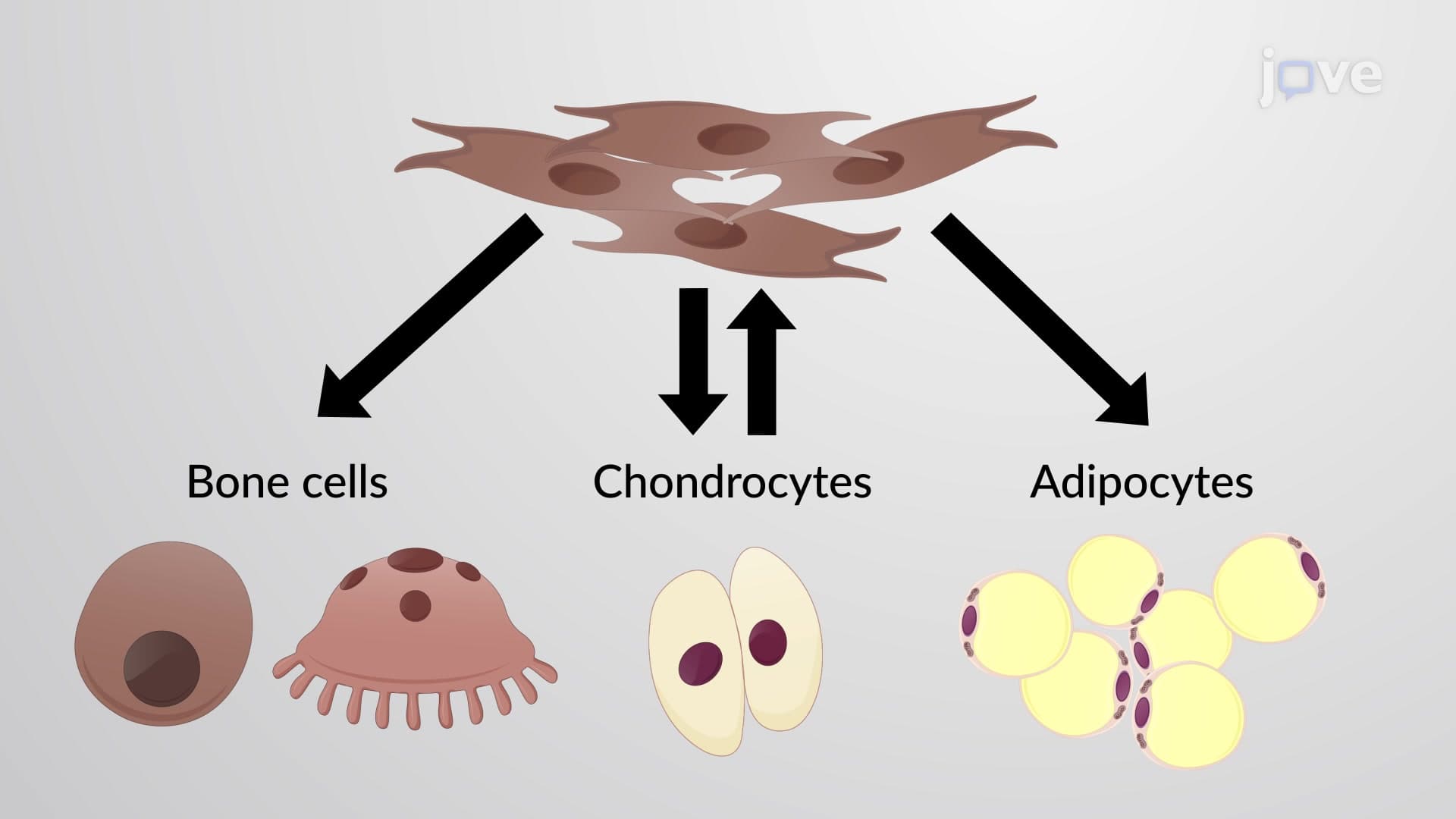
In adults, HSCs reside within specialized bone marrow microenvironments called niches, particularly prominent in flat bones like the sternum and pelvis. These niches contain stromal cells, including mesenchymal stem cells, osteoblasts, and endothelial cells, which collectively regulate HSC behavior through direct cell-to-cell contact and paracrine signaling. The majority of adult HSCs exist in a quiescent G0 state, essentially "sleeping" to preserve their long-term regenerative capacity-a concept crucial for understanding why bone marrow failure syndromes like aplastic anemia are so devastating.
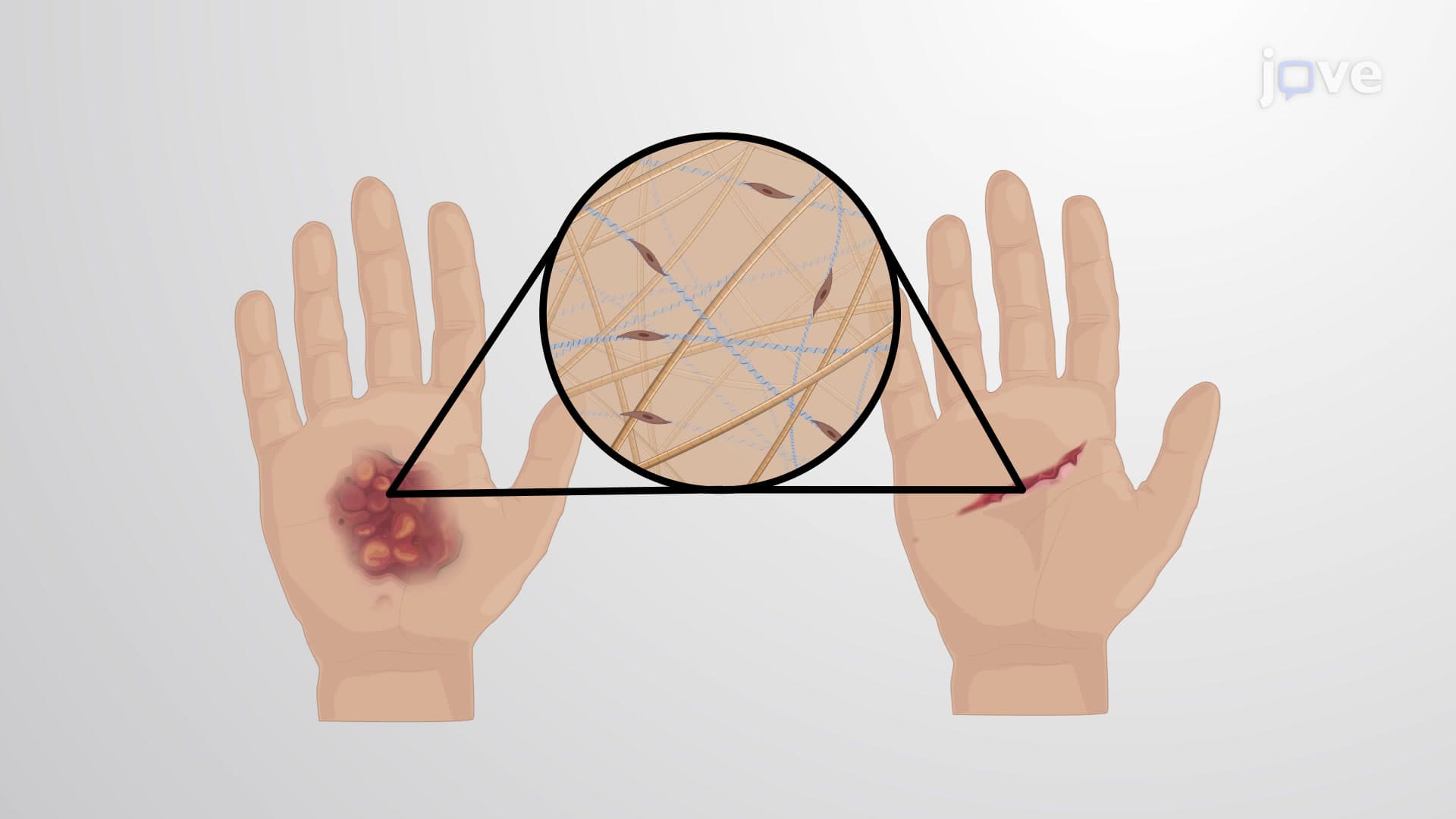
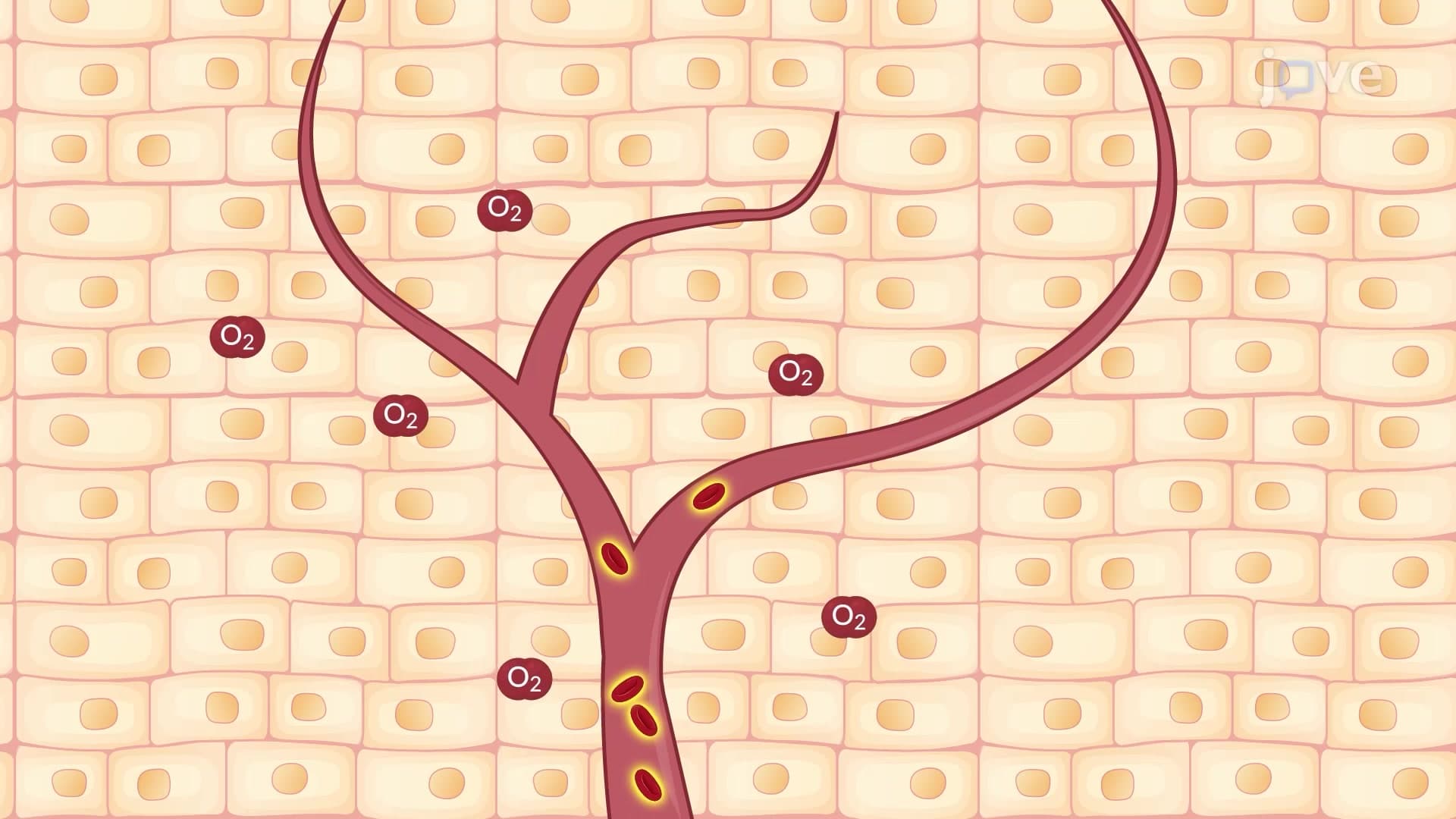
The clinical relevance of HSC multipotency becomes apparent during medical emergencies. When tissue injury occurs-such as severe blood loss from trauma treated in US emergency departments-vascular endothelium releases mobilizing factors like G-CSF (granulocyte colony-stimulating factor). These signals disrupt the normally stable HSC-stromal interactions, allowing quiescent stem cells to enter active cell cycle phases and migrate toward blood vessels for rapid differentiation. This mechanism underlies the success of G-CSF treatments used clinically to mobilize HSCs for collection in stem cell transplantation procedures at major US cancer centers.
Understanding these concepts proves essential for AP Biology students tackling cellular biology units and pre-med students preparing for MCAT passages on developmental biology and physiology.
Related Micro-courses