Loading video…


 9 Concepts
 39.6K views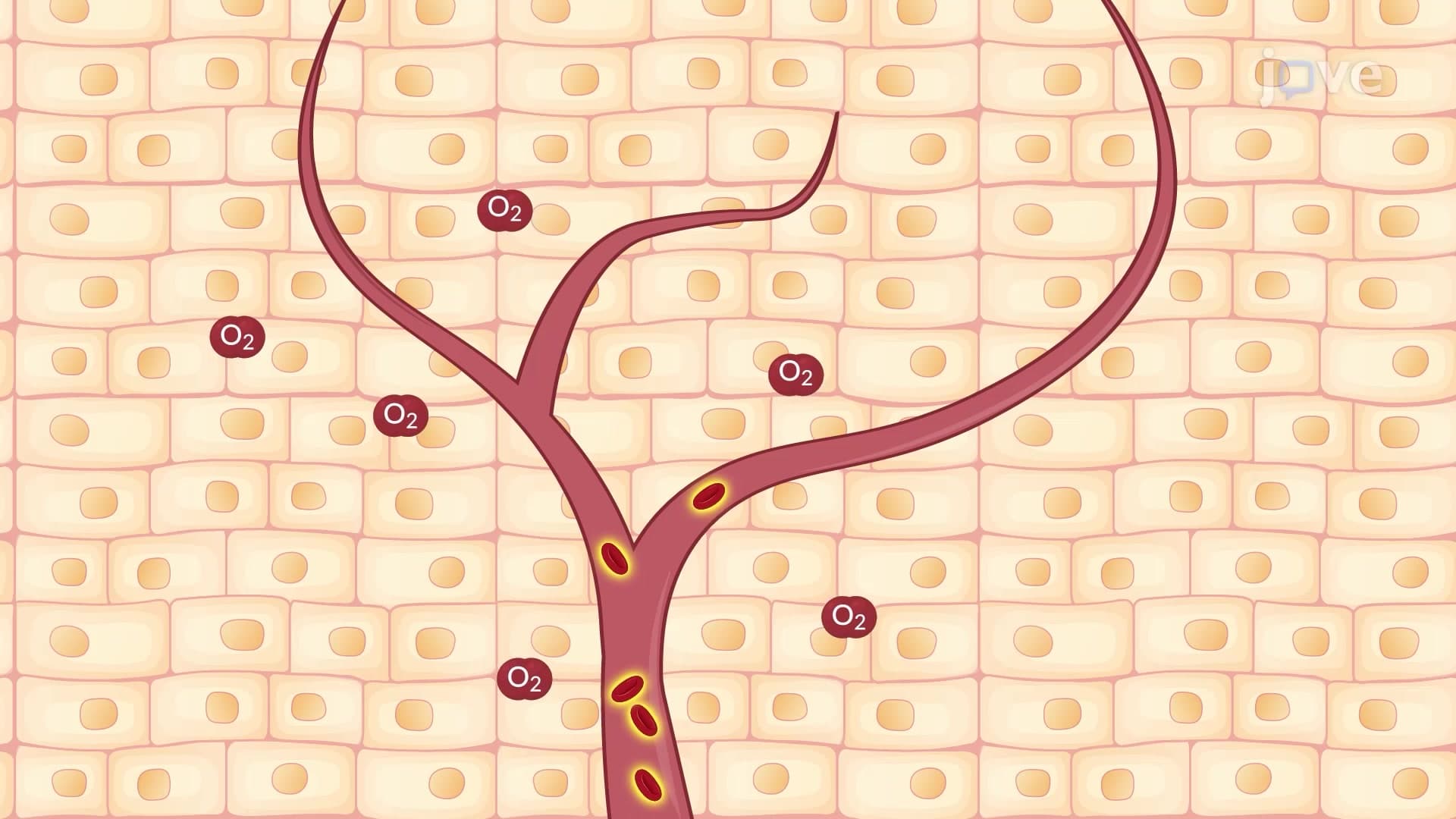

Video Summary: What Is Erythropoiesis
Every second, your body produces about 2.4 million new red blood cells-but how does this incredible feat happen? Erythropoiesis biology explained reveals the sophisticated cellular assembly line operating in your bone marrow, where stem cells transform into oxygen-carrying erythrocytes through precisely regulated stages. When a patient at Johns Hopkins Hospital loses blood during surgery, their body immediately ramps up this production process to restore oxygen delivery. Understanding what is erythropoiesis helps explain how our bodies maintain the delicate balance needed for survival. Watch the full video on JoVE Coach to master this concept with expert-led visuals and step-by-step explanations.
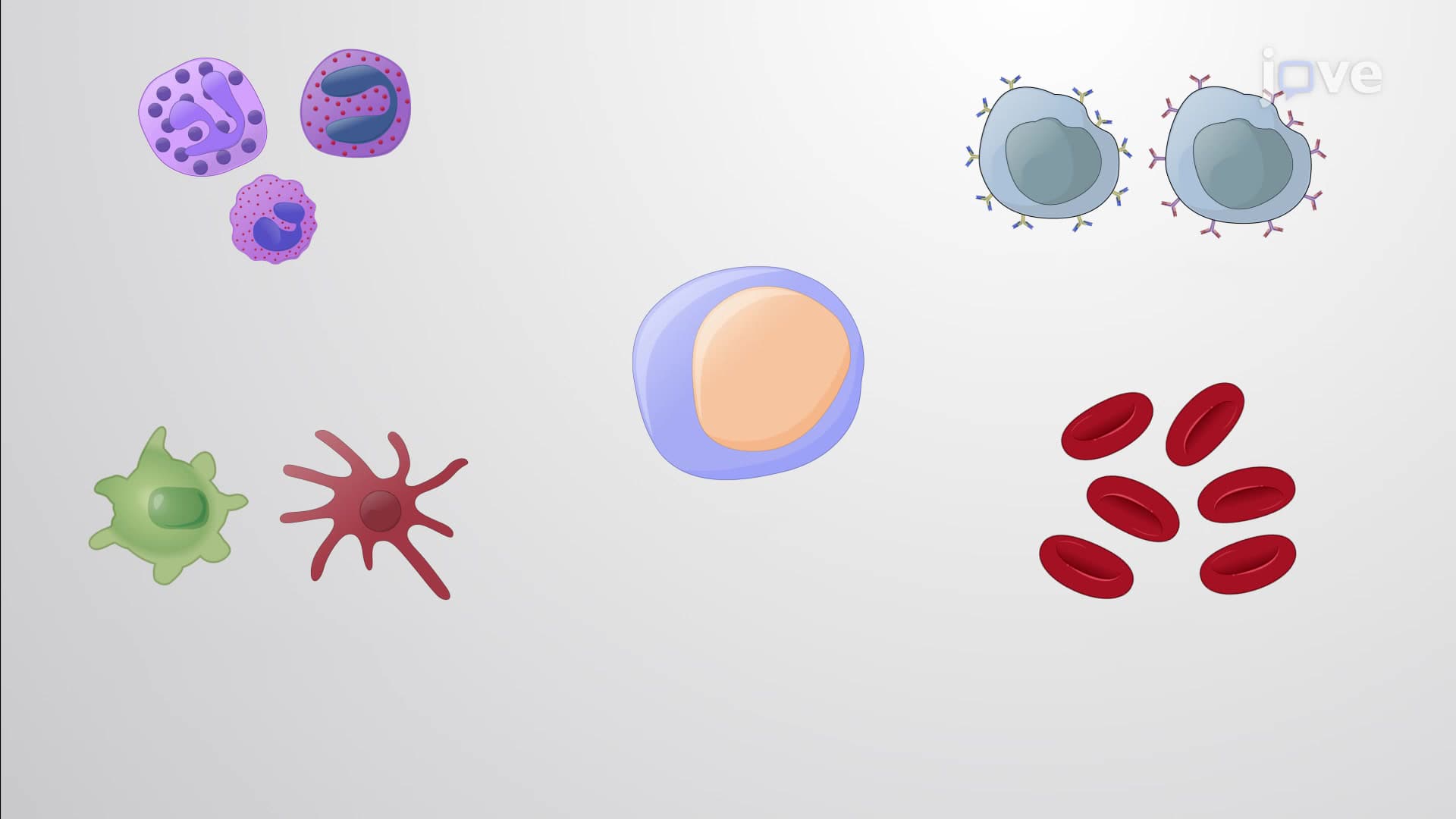
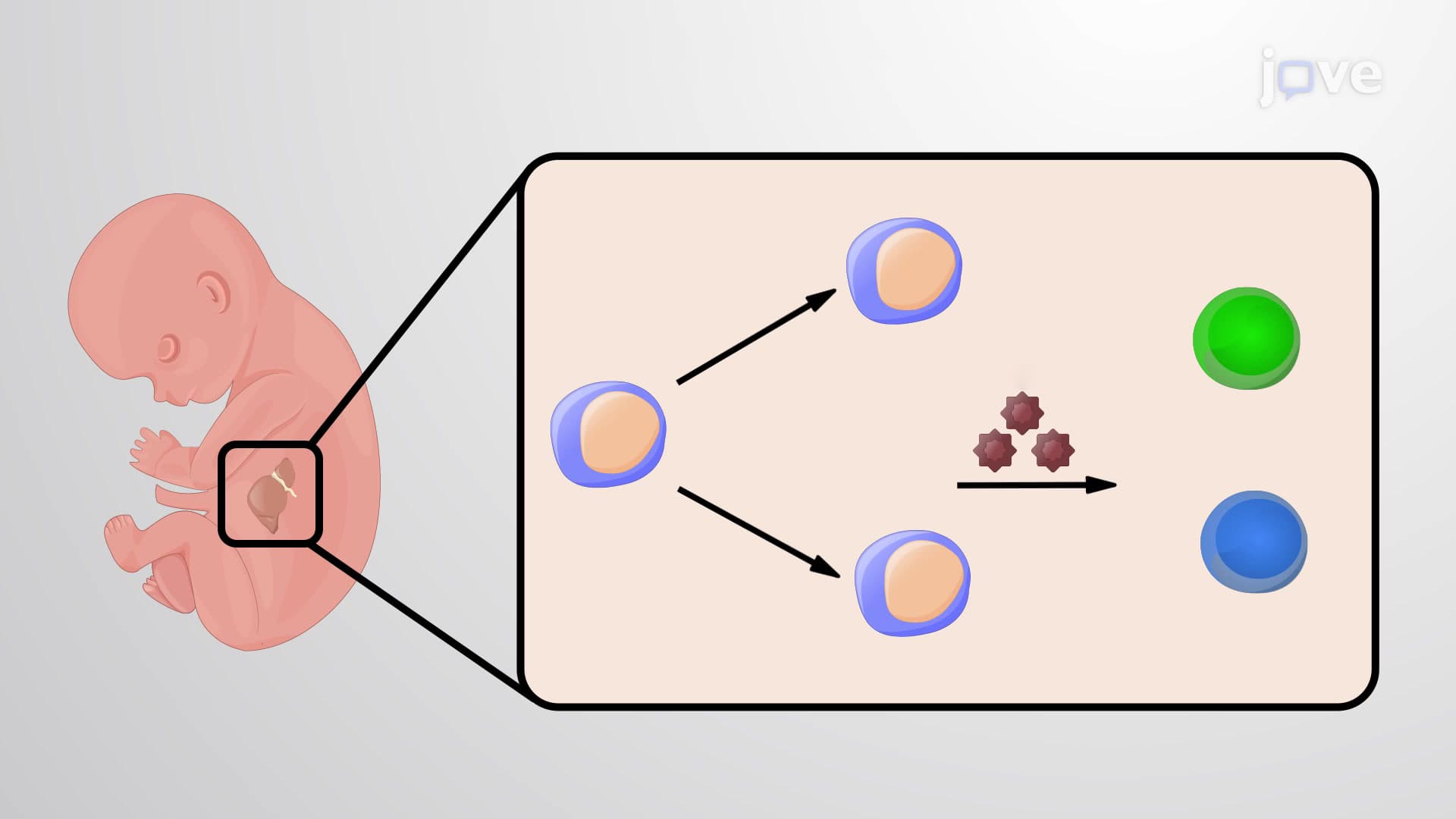
Erythropoiesis biology explained encompasses one of the body's most essential manufacturing processes. This sophisticated system produces approximately 200 billion new red blood cells daily, replacing cells that live only 120 days. The red blood cell production process occurs primarily in the red bone marrow of flat bones like the sternum, ribs, and pelvis-locations where hematopoietic stem cells reside.
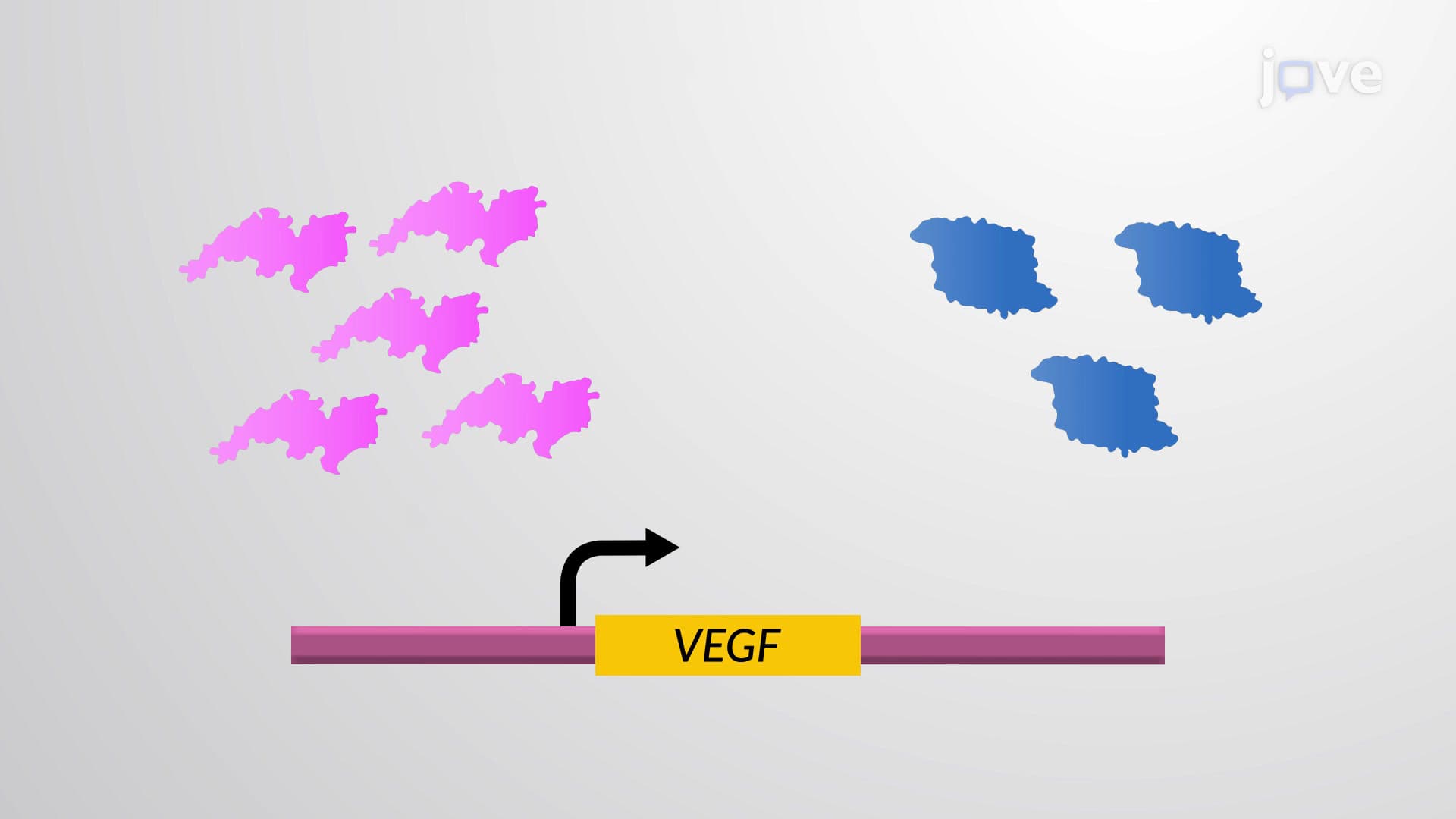
Erythropoietin EPO stimulus represents the primary regulatory mechanism controlling red blood cell production. When tissue oxygen levels drop-whether from blood loss, high altitude, or disease-kidney cells detect this hypoxic condition. The transcription factor HIF-1 (hypoxia-inducible factor-1) accumulates because low oxygen prevents its normal degradation. This accumulated HIF-1 then activates the erythropoietin gene, releasing EPO hormone into circulation. Understanding what is erythropoiesis in hematopoiesis requires recognizing how EPO specifically targets erythroid progenitor cells while other blood cell lines remain unaffected.
Erythropoiesis stages biology involves distinct phases of cellular maturation. RBC maturation bone marrow begins when multipotent hematopoietic stem cells differentiate into committed erythroid progenitors called CFU-E (colony-forming unit-erythroid). These cells then progress through recognizable stages: proerythroblasts (large cells with prominent nuclei), basophilic erythroblasts (beginning hemoglobin synthesis), polychromatic erythroblasts (continued hemoglobin accumulation), and orthochromatic erythroblasts (nucleus condensation).
Proerythroblast reticulocyte maturation represents the final transformation phase. During this critical period, cells extrude their nuclei-a unique process among human cells-while retaining some organelles like ribosomes and mitochondria. These immature reticulocytes then enter circulation, where they complete maturation over 1-2 days by eliminating remaining organelles through autophagy and membrane remodeling.
This process directly impacts MCAT preparation, where students encounter erythropoiesis in both biology and biochemistry sections. AP Biology courses emphasize the regulatory mechanisms, particularly feedback loops involving EPO. Medical students studying for USMLE Step 1 must understand how diseases like chronic kidney disease disrupt EPO production, leading to anemia. The red cell production process also explains why athletes training at high altitude naturally increase their red blood cell counts-a physiological adaptation exploiting the body's oxygen-sensing mechanisms.
Related Micro-courses