Loading subject page…


39,600 views

Video Summary: What Is Hematopoiesis
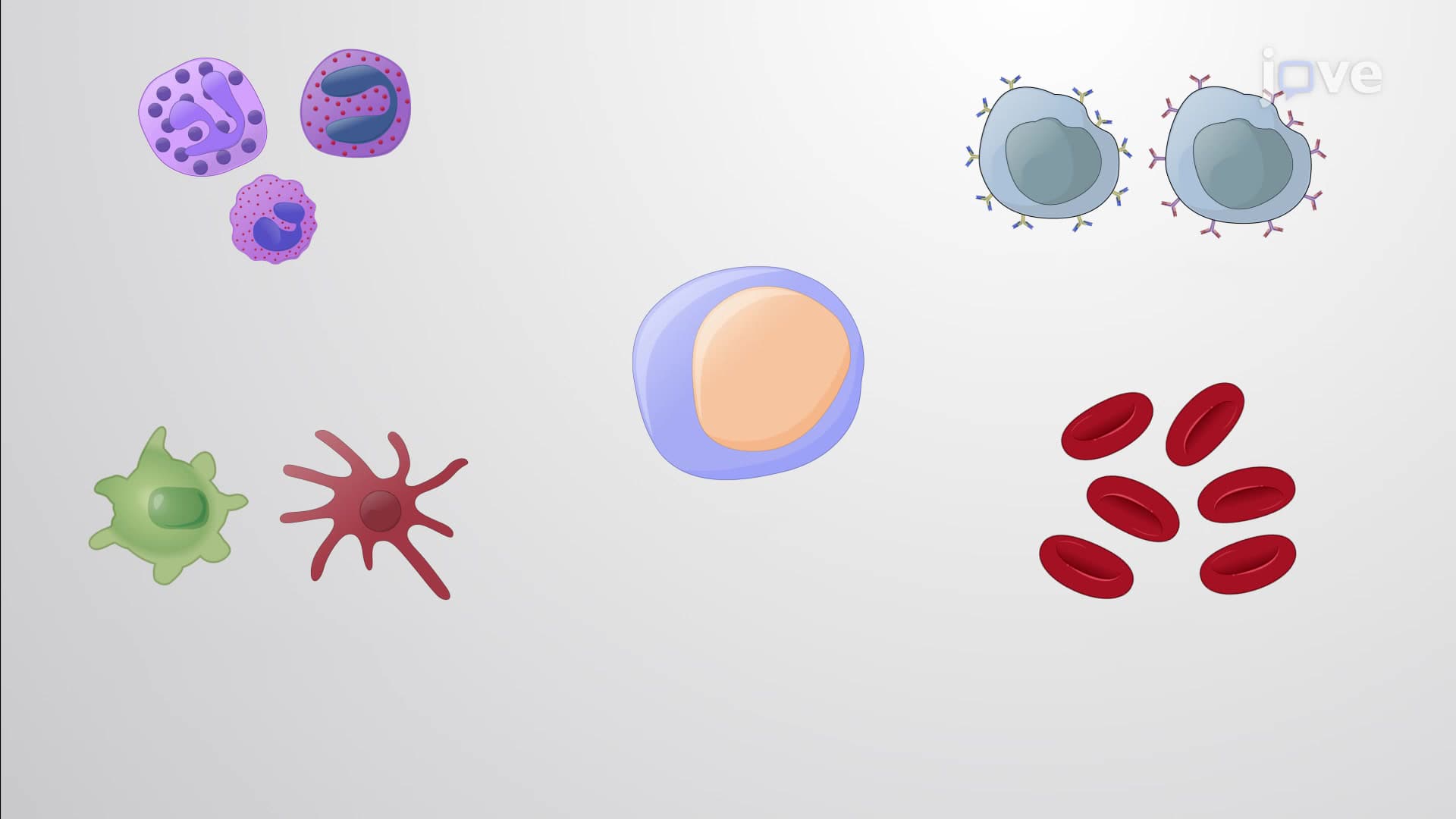
Every day, your body produces over 200 billion new blood cells to replace those that wear out or get damaged. Hematopoiesis is the remarkable process that creates all types of blood cells from a single type of stem cell in your bone marrow. From the red blood cells carrying oxygen to immune cells fighting infections, this process keeps us alive and healthy. Watch the full video on JoVE Coach to master this concept with expert-led visuals and step-by-step explanations.
Hematopoiesis represents one of biology's most elegant manufacturing systems. This continuous process ensures that your bloodstream maintains the precise mix of cells needed for oxygen transport, immune defense, and blood clotting. For students taking AP Biology or preparing for the MCAT, understanding hematopoiesis provides crucial insights into how stem cell biology, cell differentiation, and physiological homeostasis work together.
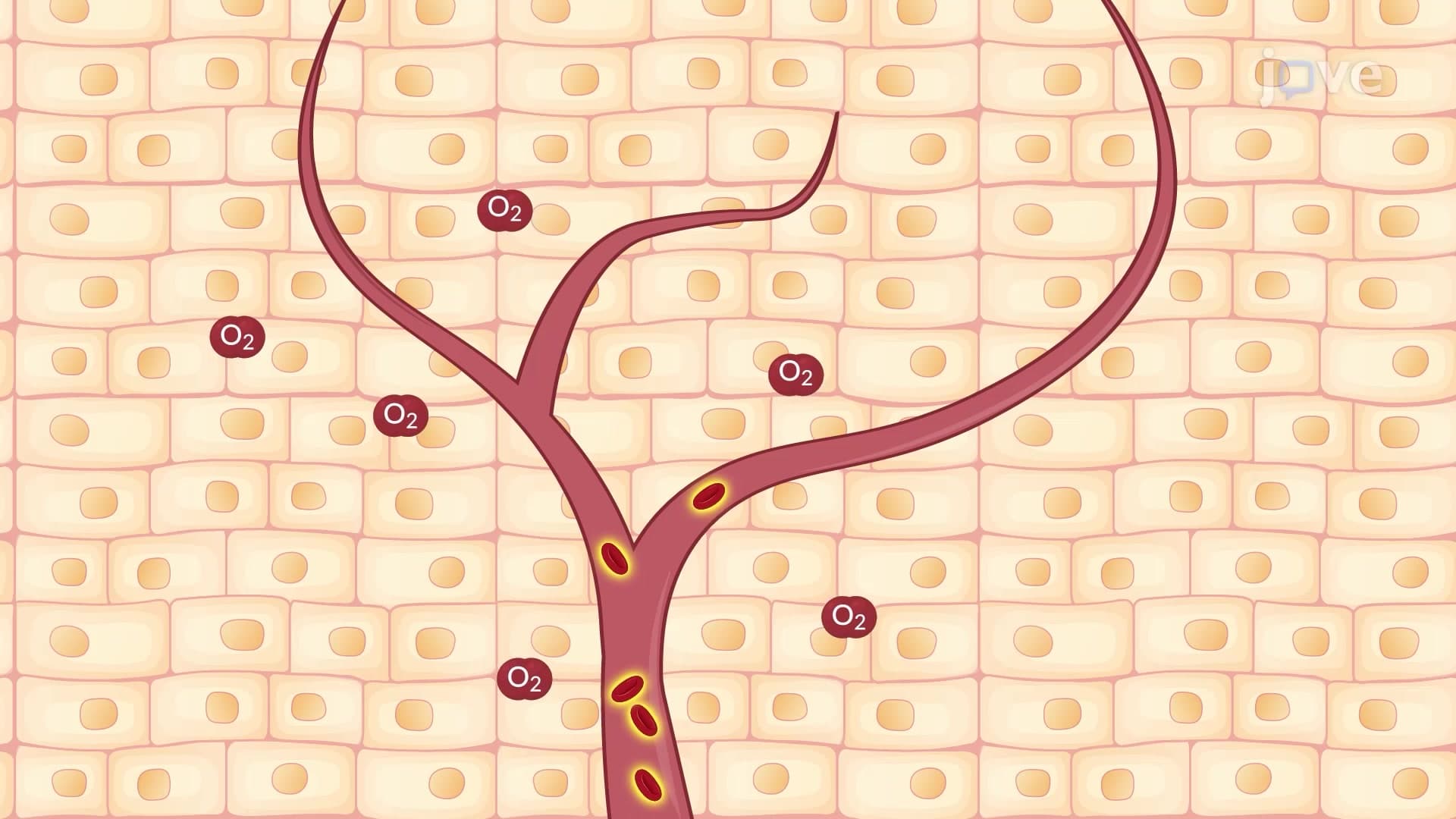
Adult hematopoiesis occurs exclusively in the bone marrow, particularly in the sternum, ribs, pelvis, and long bones. This isn't just empty space-the bone marrow contains a sophisticated microenvironment called the hematopoietic niche. Reticular cells form a supportive network, while stromal cells release growth factors and cytokines. Blood vessels create channels that allow newly formed cells to enter circulation. This three-dimensional architecture is essential for proper cell development and is frequently tested in college-level physiology courses.
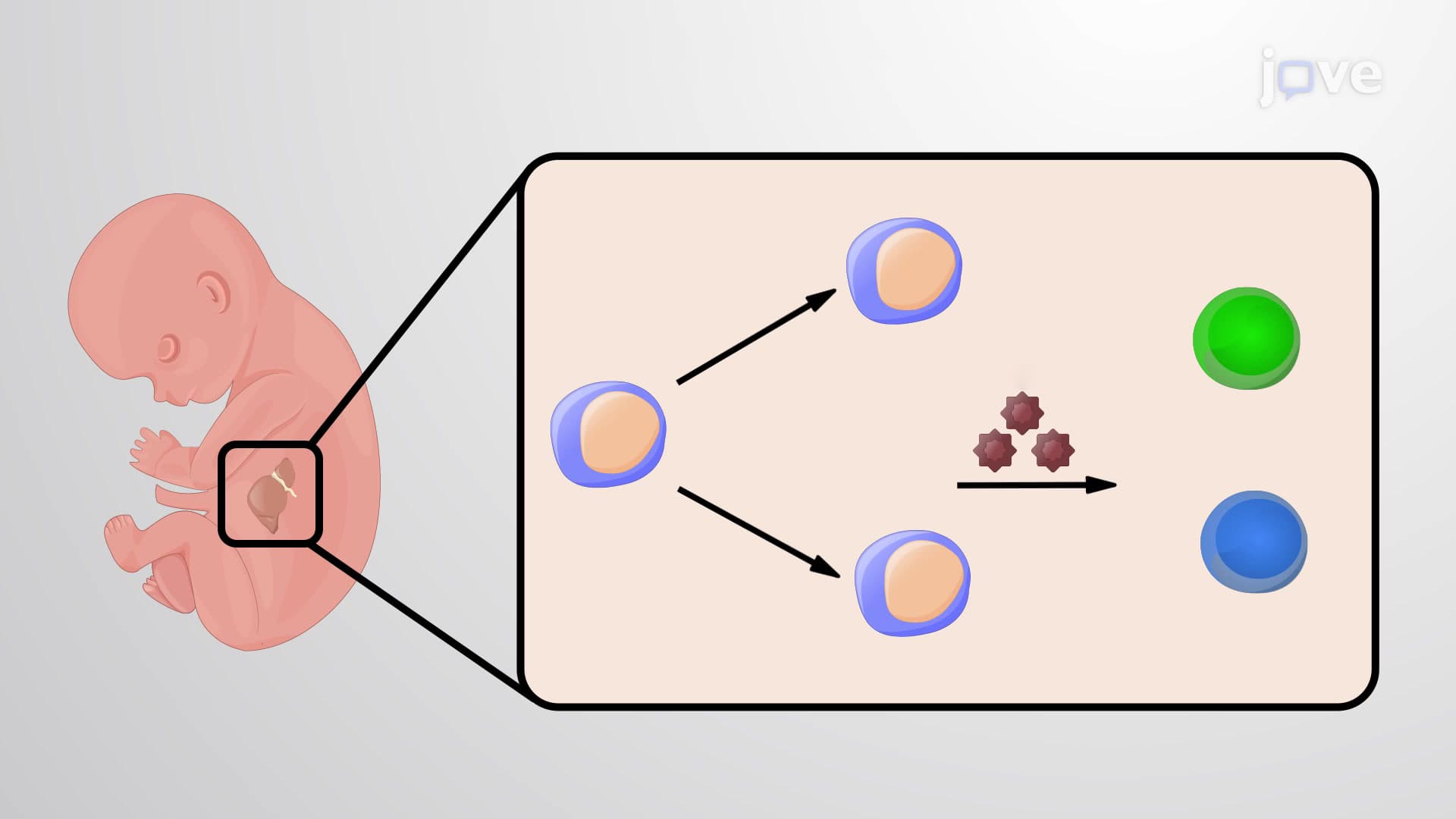
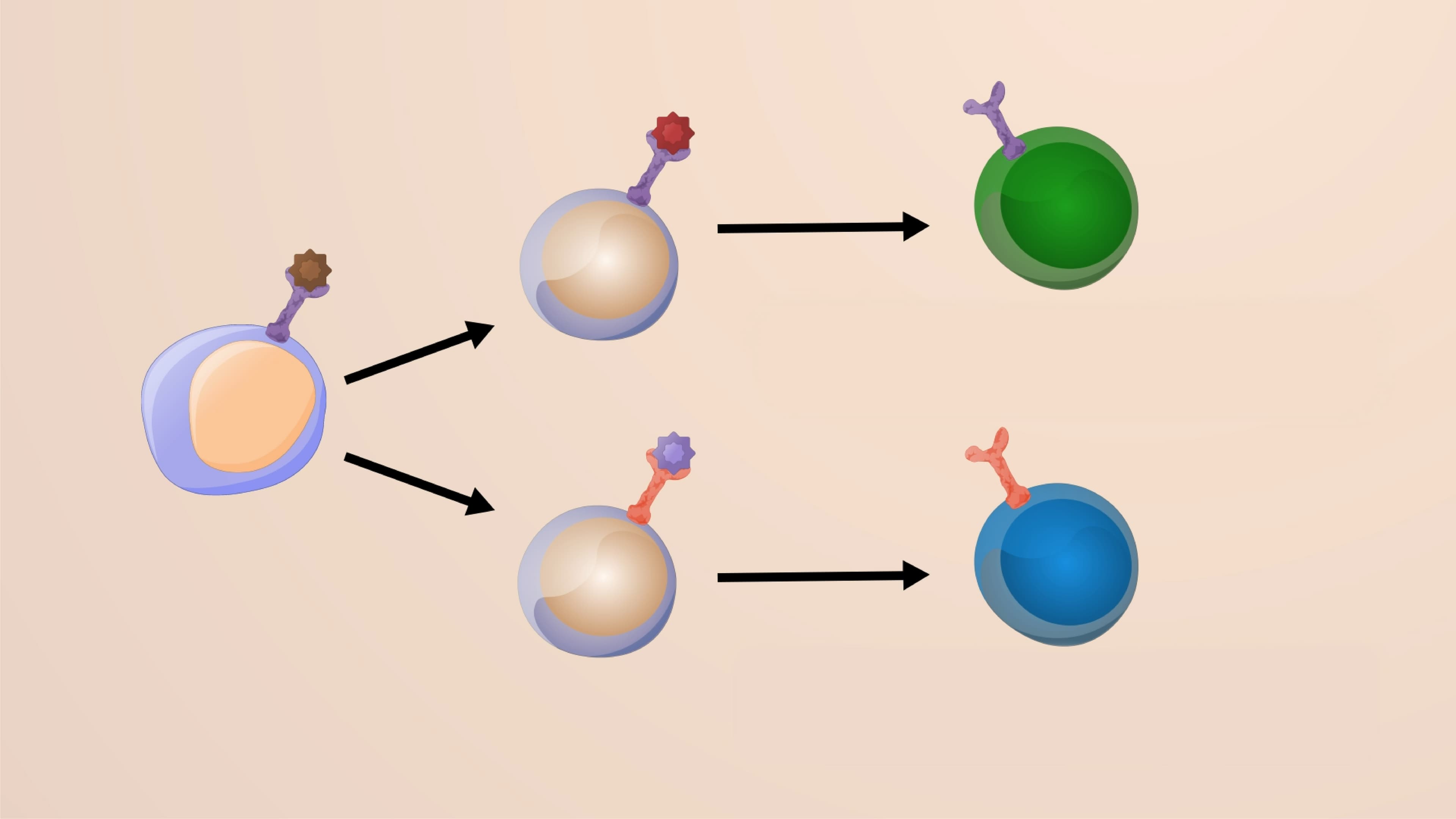
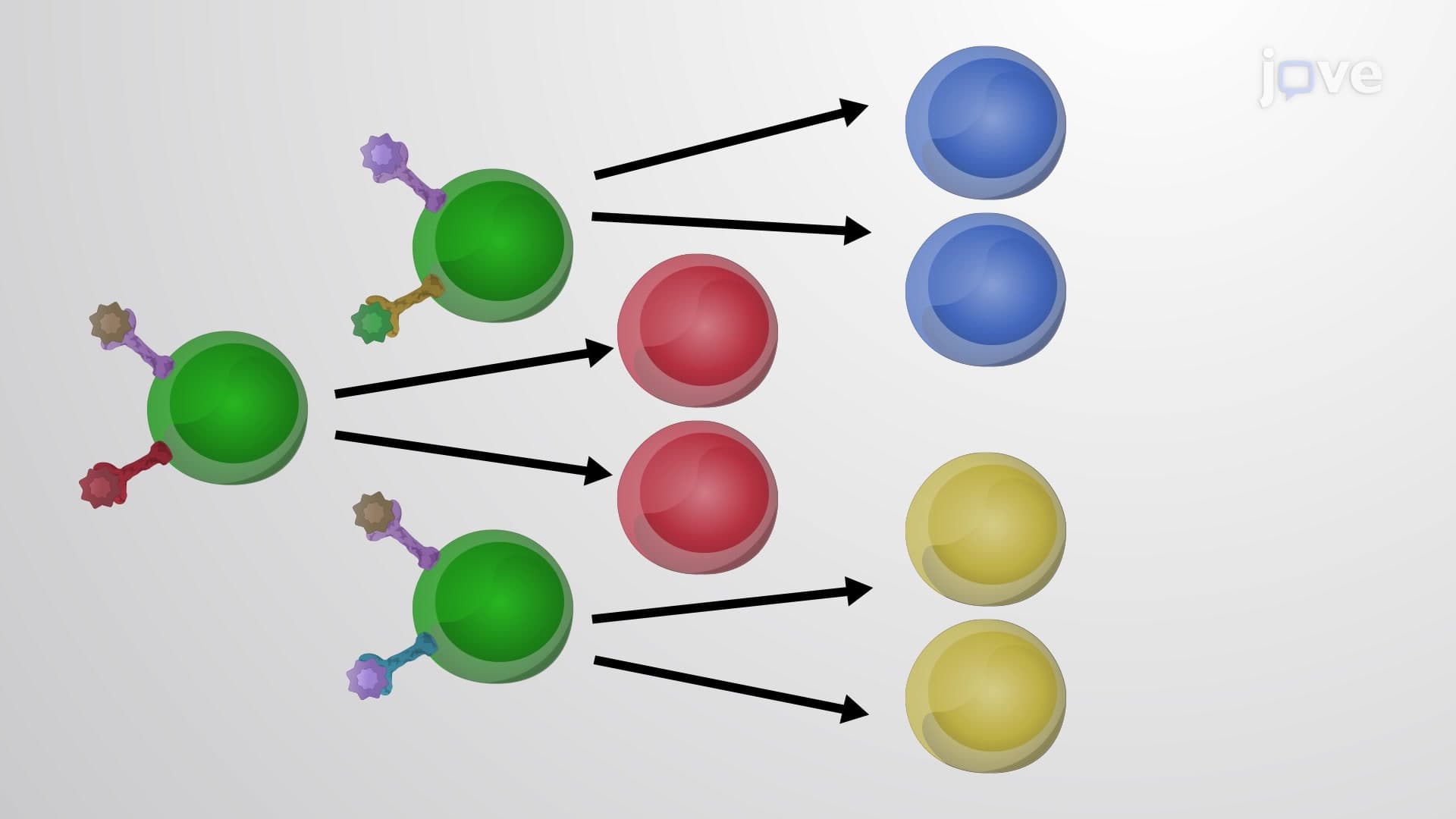
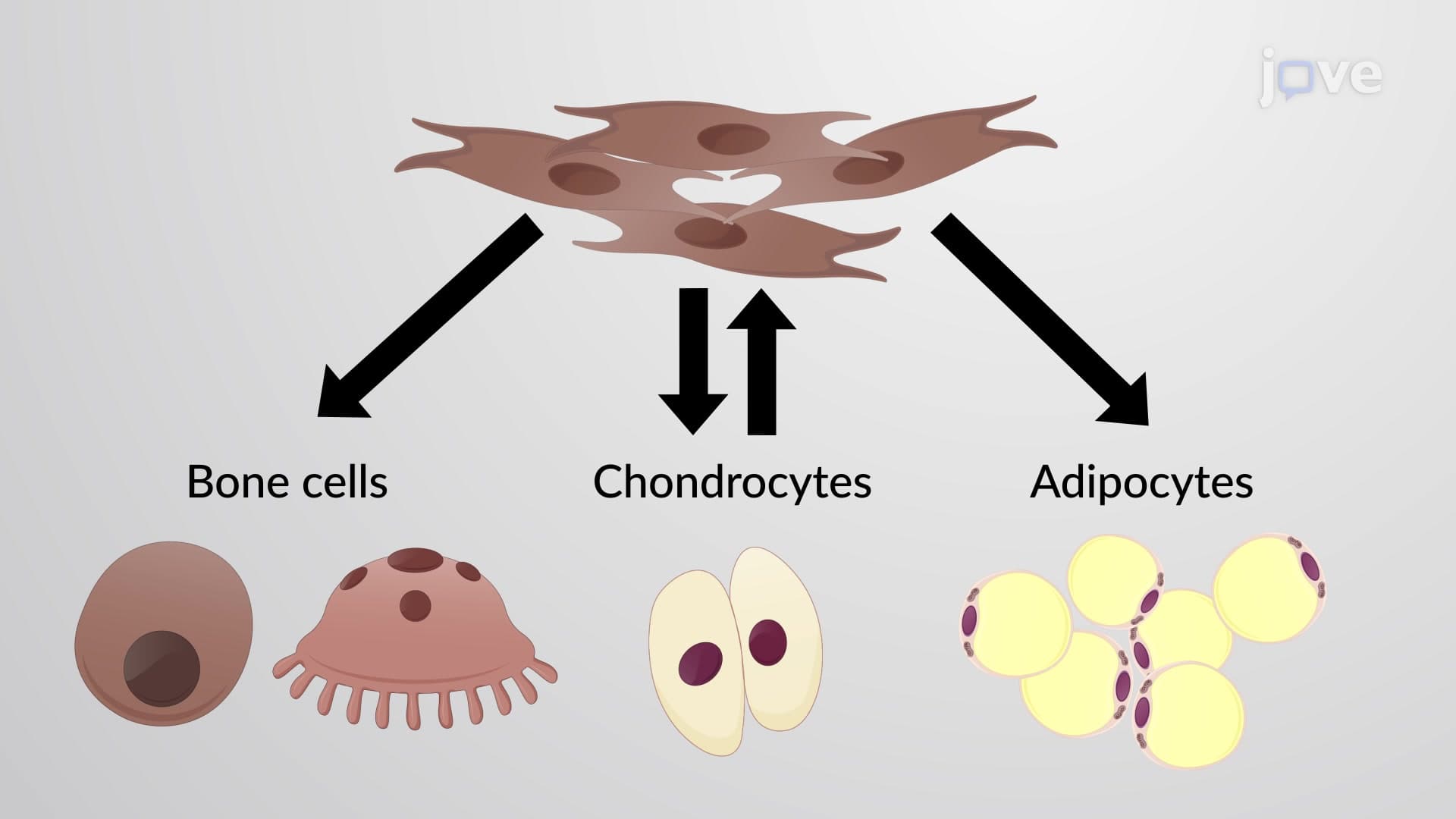
Hematopoietic stem cells (HSCs) are multipotent cells that demonstrate remarkable self-renewal capacity. Through asymmetric division, each HSC produces two daughter cells with different fates: one maintains stemness to preserve the HSC pool, while the other begins differentiation. This balance prevents both stem cell exhaustion and uncontrolled proliferation-concepts that appear regularly on standardized exams like the MCAT and in undergraduate cell biology courses.
Understanding hematopoiesis has direct medical relevance. Bone marrow transplants at major US medical centers like Johns Hopkins and Mayo Clinic rely on transferring healthy HSCs to patients with blood disorders. Chemotherapy targets rapidly dividing cells, affecting hematopoiesis and causing temporary blood cell shortages. Students studying for healthcare entrance exams like the HESI A2 or TEAS should understand how diseases like leukemia disrupt normal hematopoietic processes, leading to abnormal blood cell production.
Related Micro-courses