Loading subject page…

- Cell Biology
- DNA Replication and Repair
- Base-pairing and DNA Repair
Micro-course: DNA Replication and Repair
210,025 views
Learn key concepts and earn your certificate.

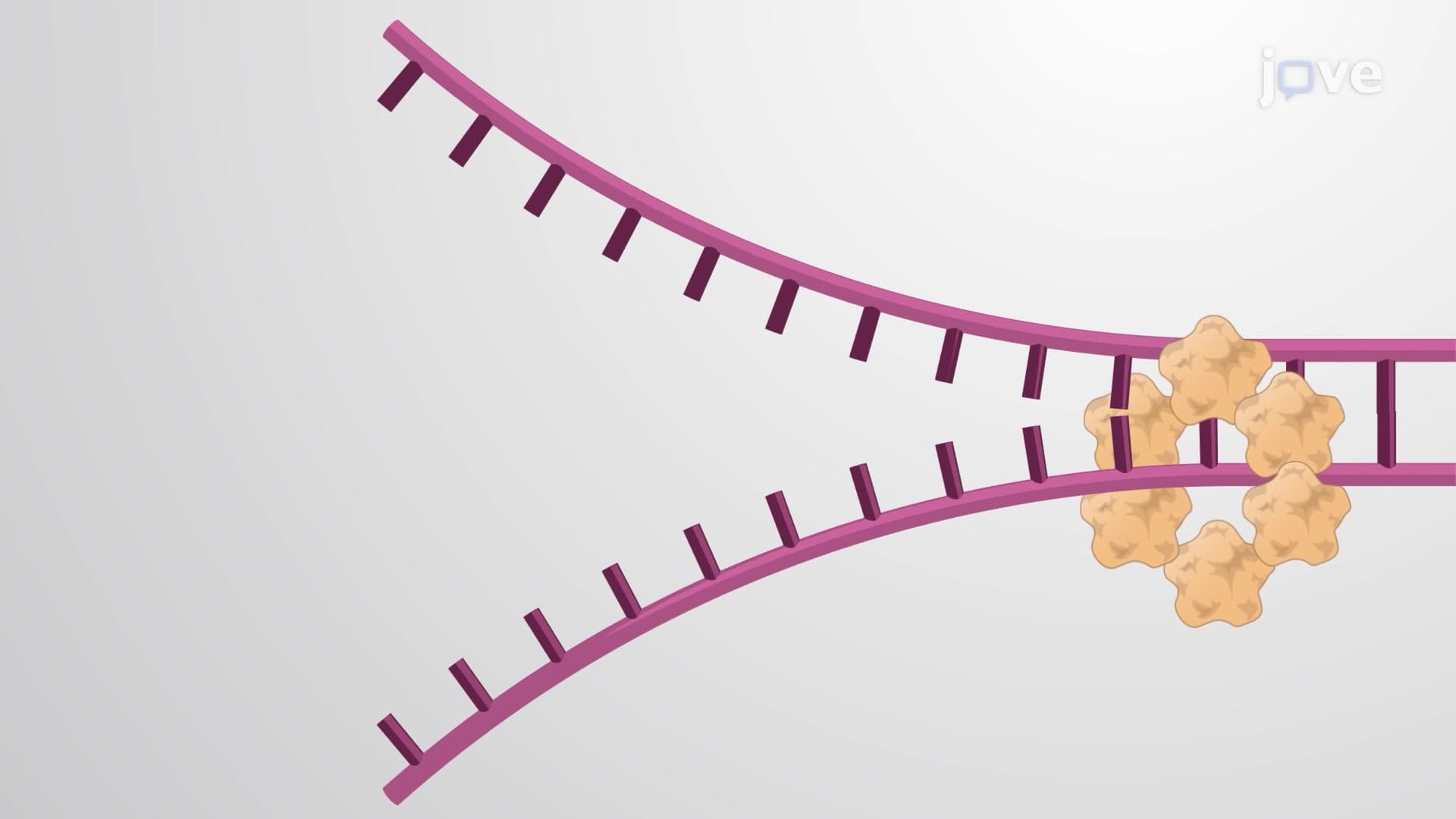
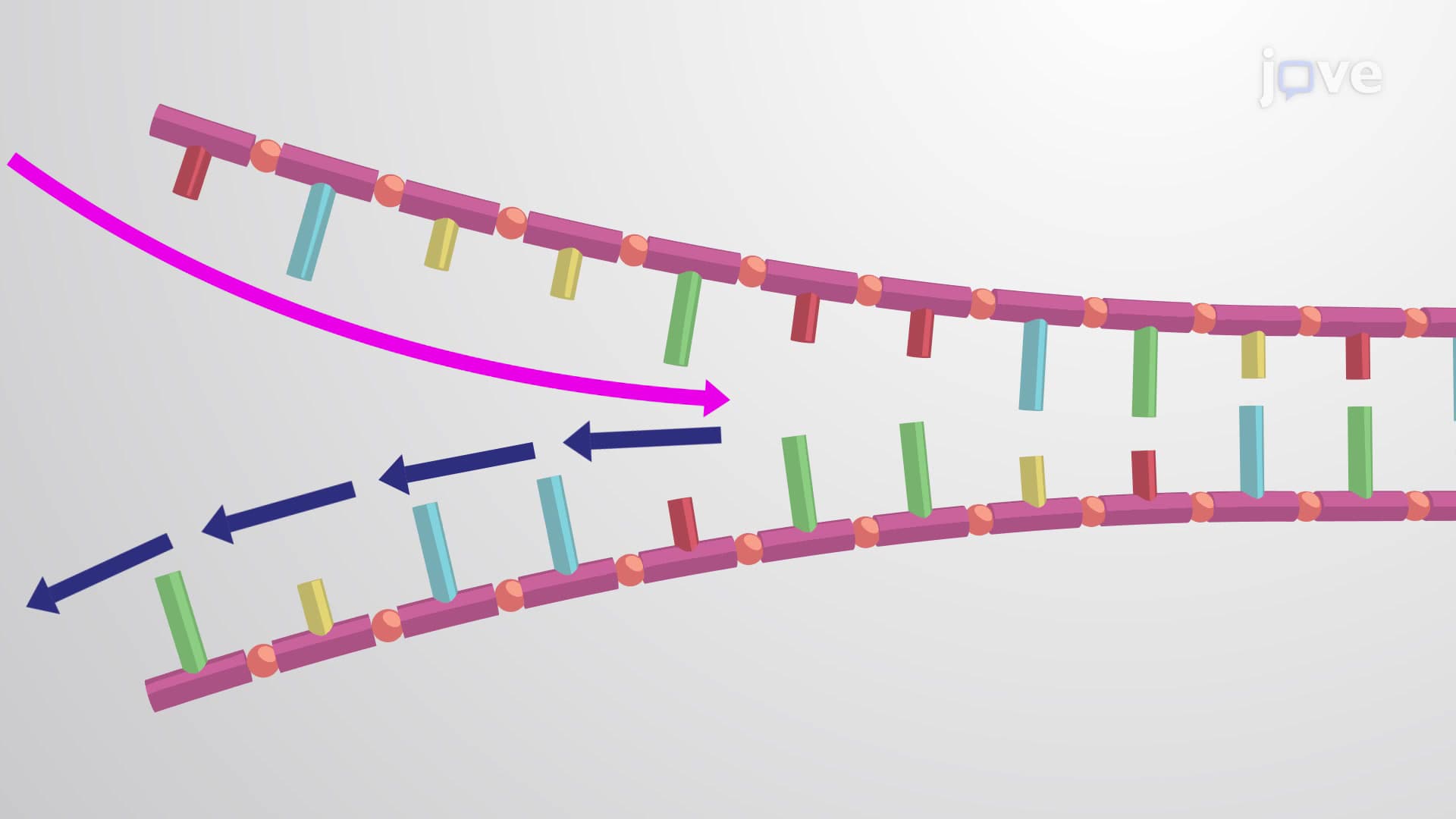
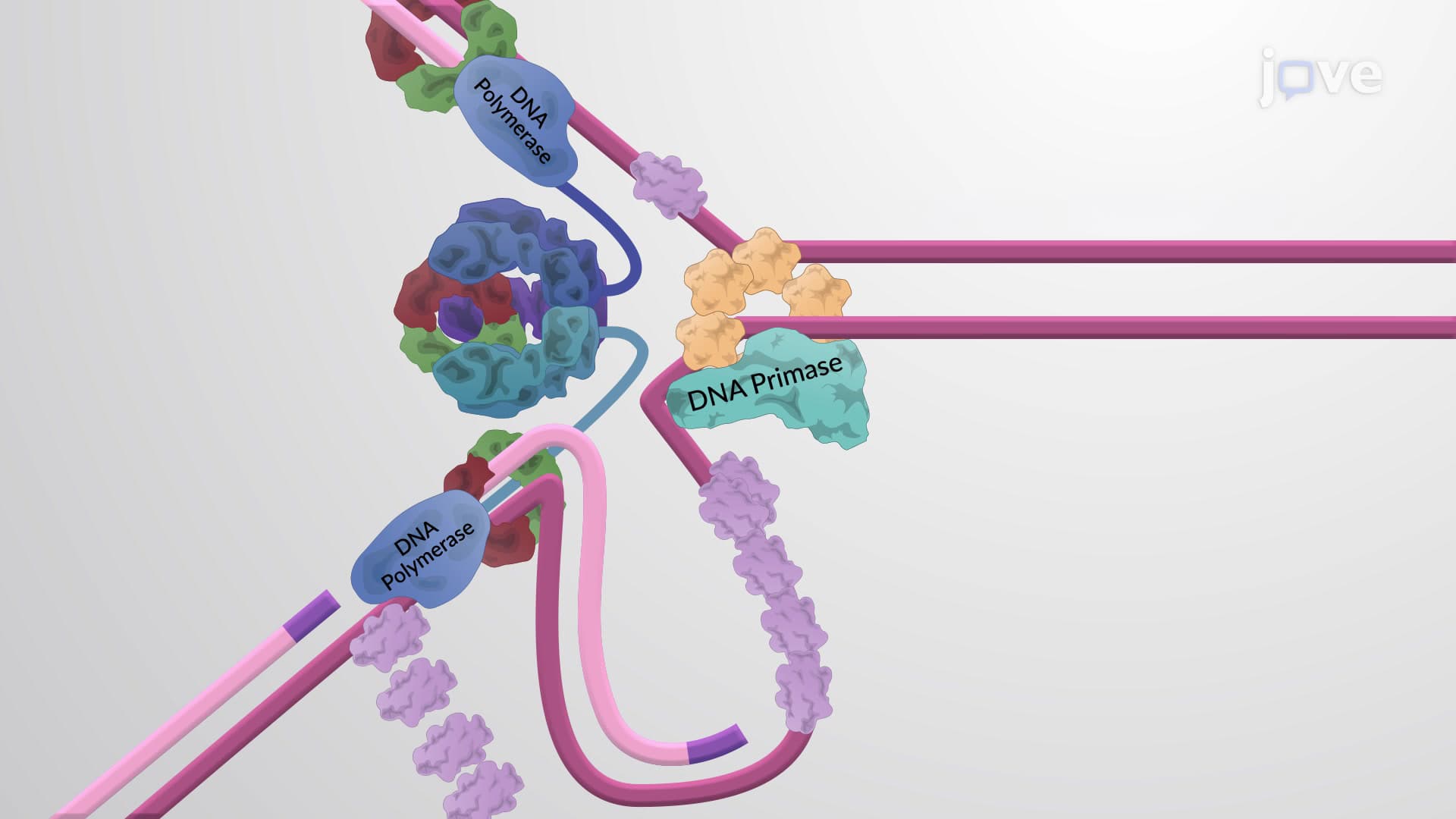
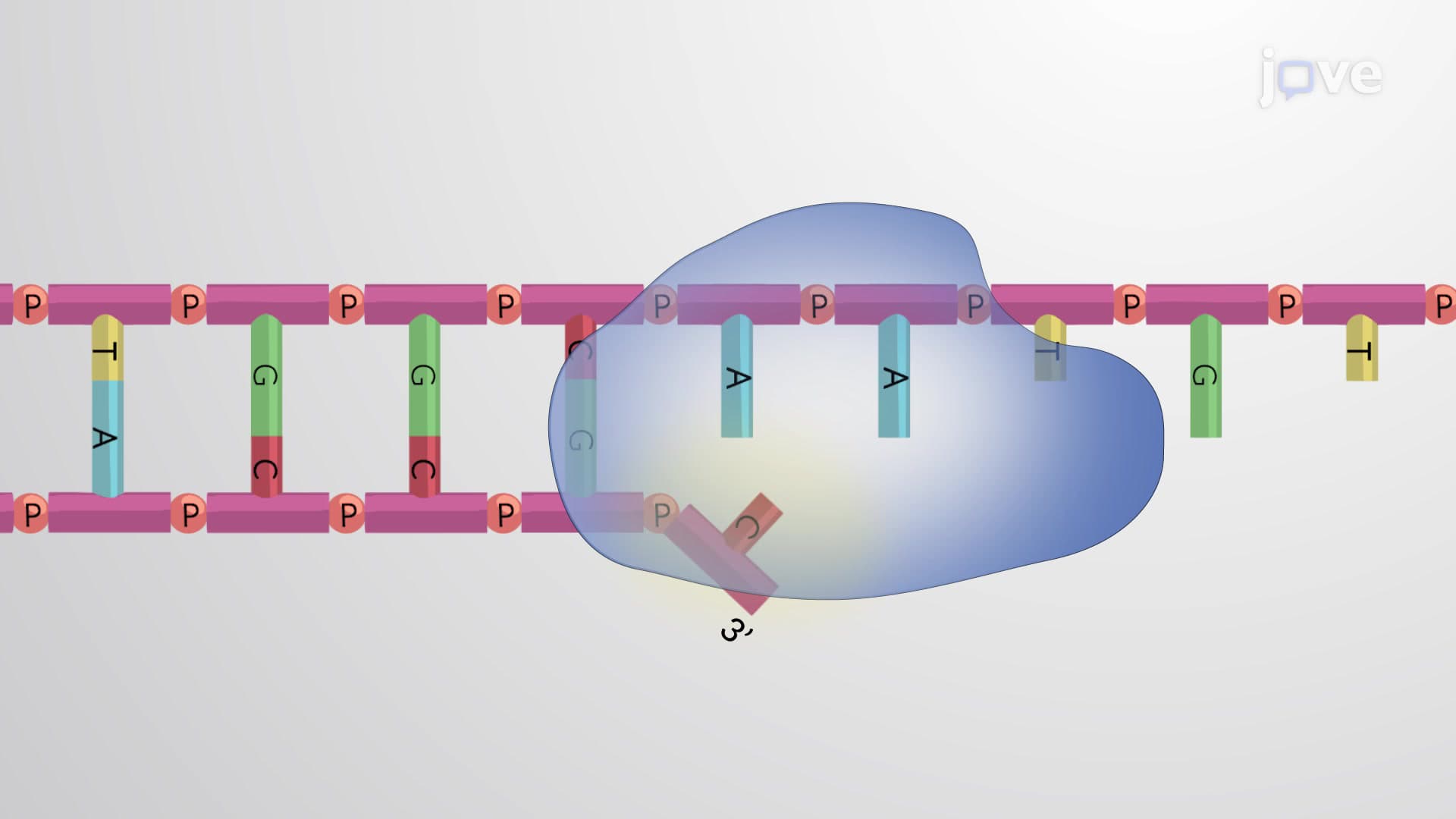

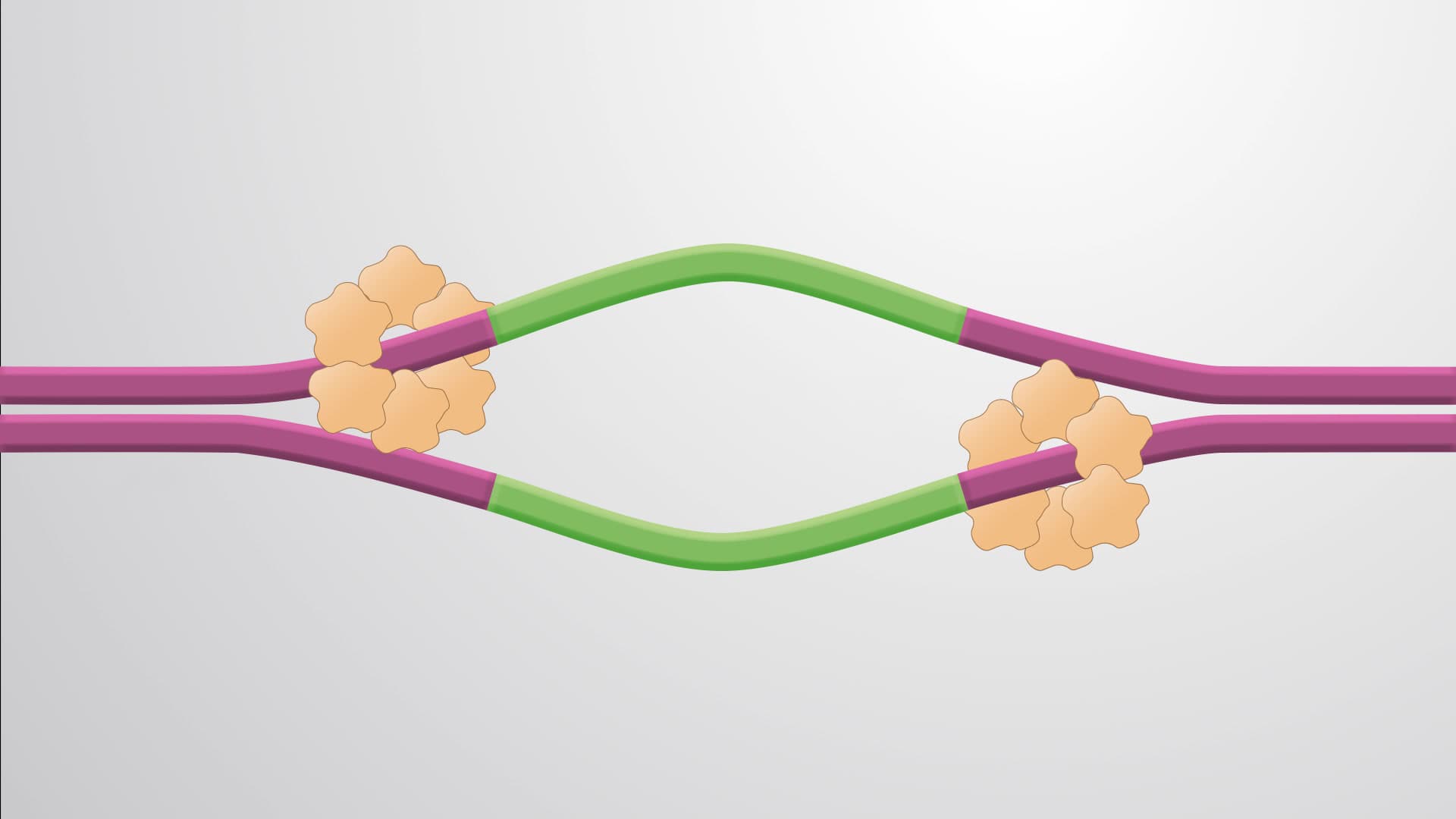
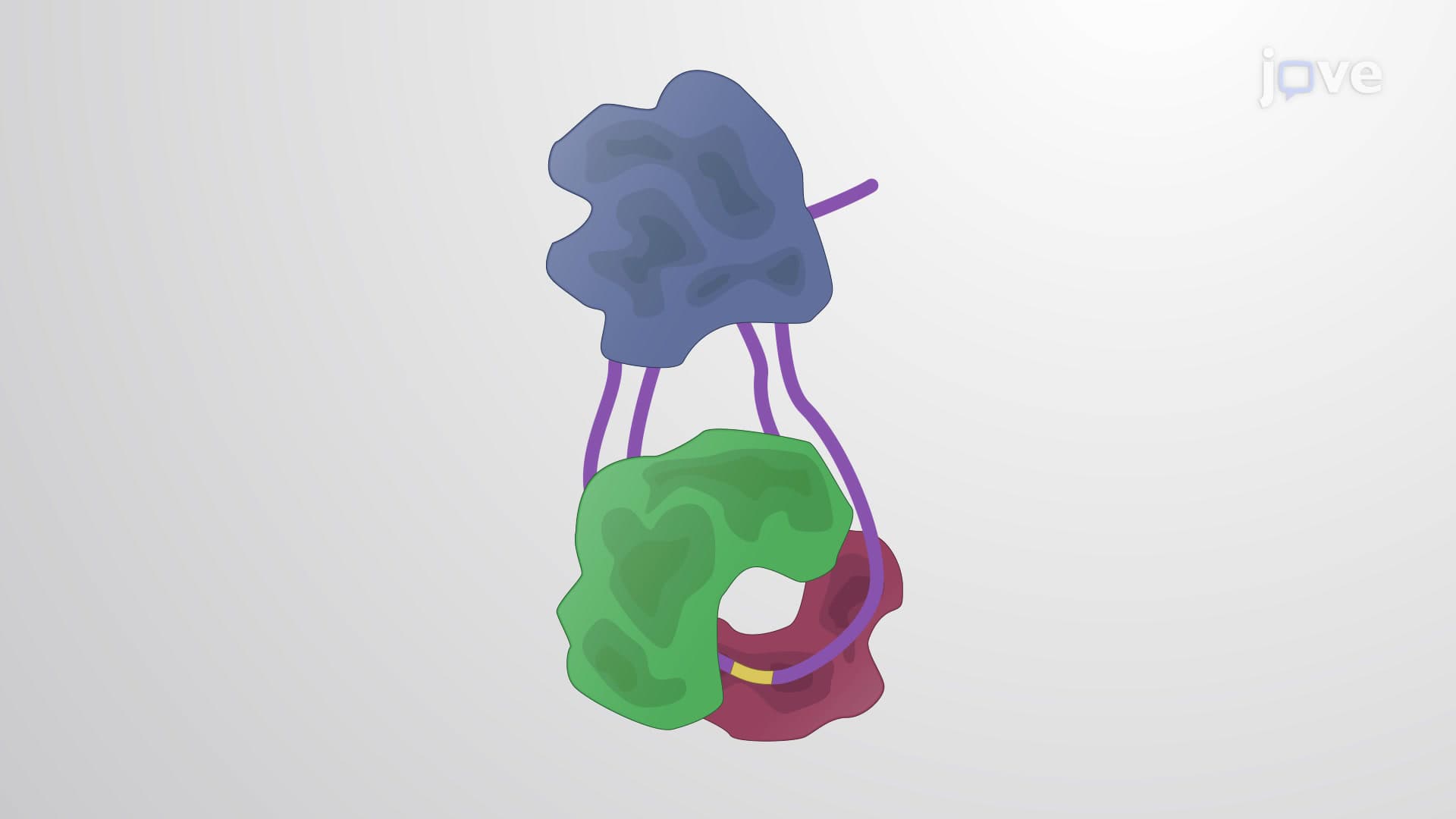

Base-pairing and DNA Repair

00:00
02:27
Video Summary: Base Pairing and DNA Repair Explained
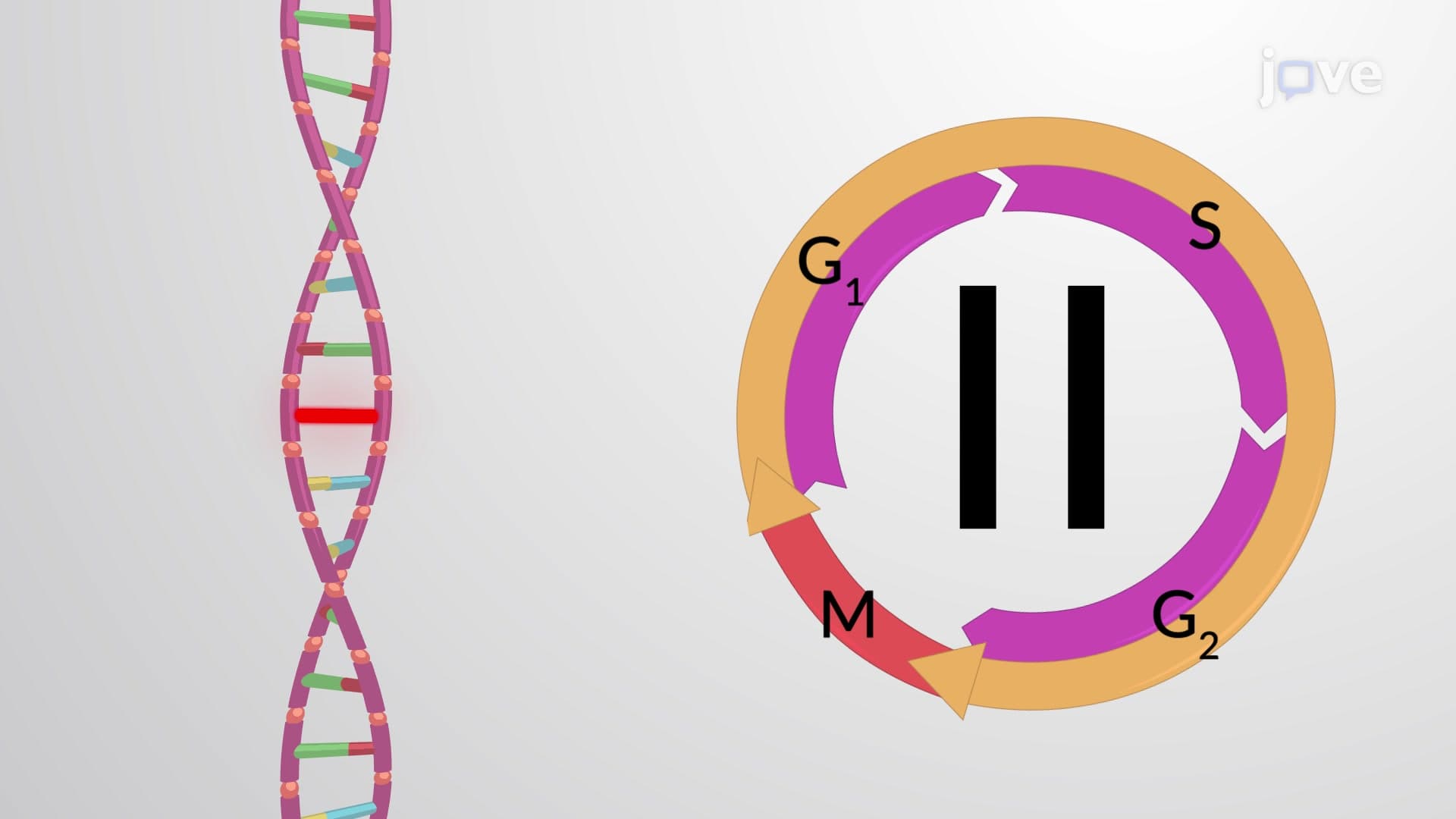
Did you know that your DNA faces 10,000 damaging attacks every single day, yet you remain healthy thanks to cellular repair systems? Base pairing DNA repair mechanisms work around the clock to fix errors before they cause cancer or genetic disorders. For instance, patients with xeroderma pigmentosum-a rare condition affecting about 1 in 250,000 Americans-lack proper DNA repair and develop severe skin cancers from minimal sun exposure. Base Pairing And DNA Repair Explained reveals how complementary base pairing and sophisticated repair pathways maintain genetic integrity. Watch the full video on JoVE Coach to master this concept with expert-led visuals and step-by-step explanations.
- Understand how Base Pairing And DNA Repair Explained demonstrates the complementary relationship between adenine-thymine and cytosine-guanine pairs through hydrogen bonding patterns
- Identify the four major DNA repair pathways: mismatch repair, base excision repair, nucleotide excision repair, and double-strand break repair
- Analyze how Watson-Crick base pairing rules ensure accurate DNA replication and prevent potentially harmful mutations
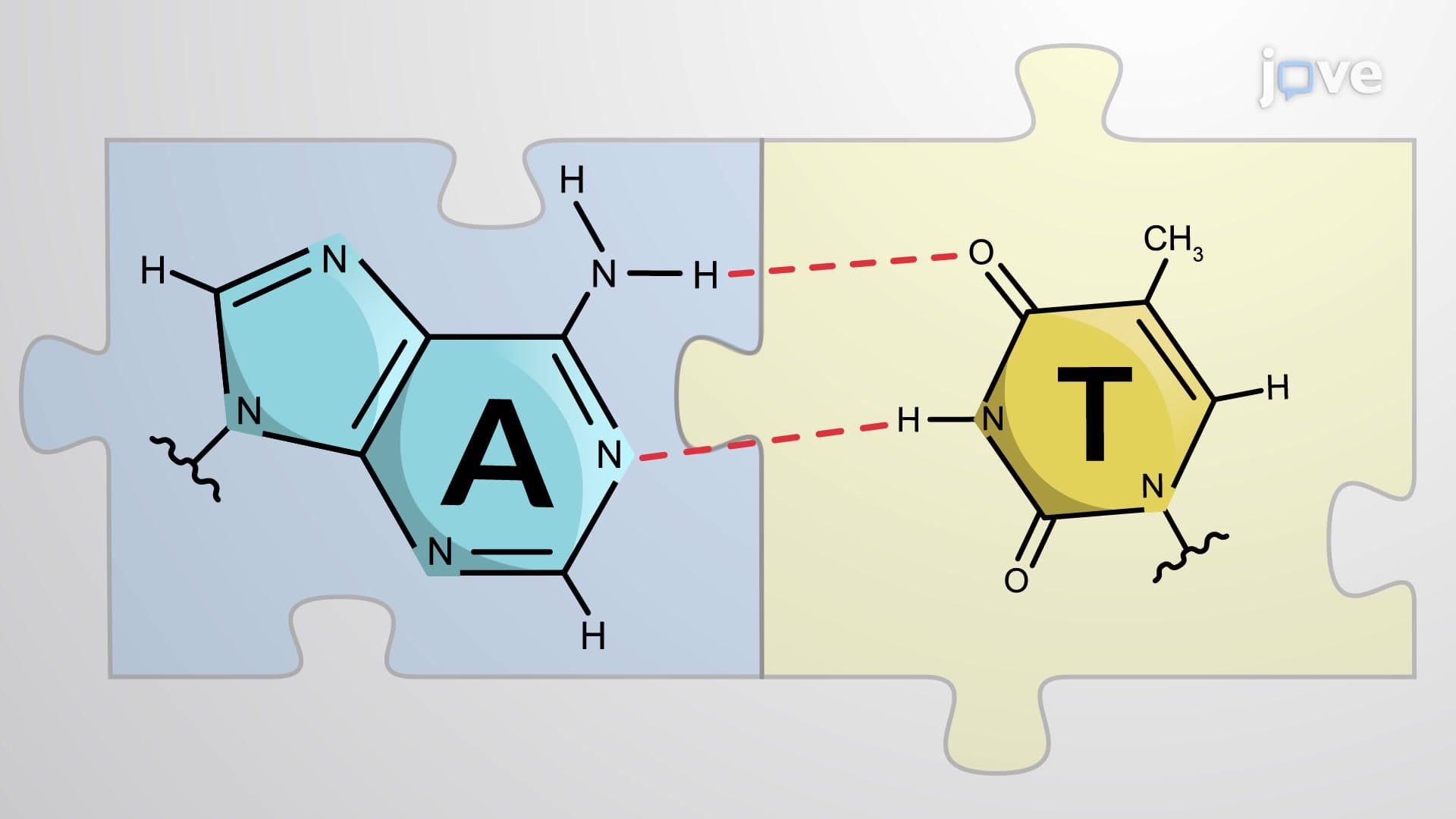
- Compare the structural differences between A-T pairs (two hydrogen bonds) and C-G pairs (three hydrogen bonds) and their impact on DNA stability
- Evaluate the clinical significance of DNA repair defects in hereditary cancer syndromes like Lynch syndrome and BRCA mutations
- Apply base pairing principles to understand biotechnology techniques including PCR amplification, DNA sequencing, and CRISPR gene editing
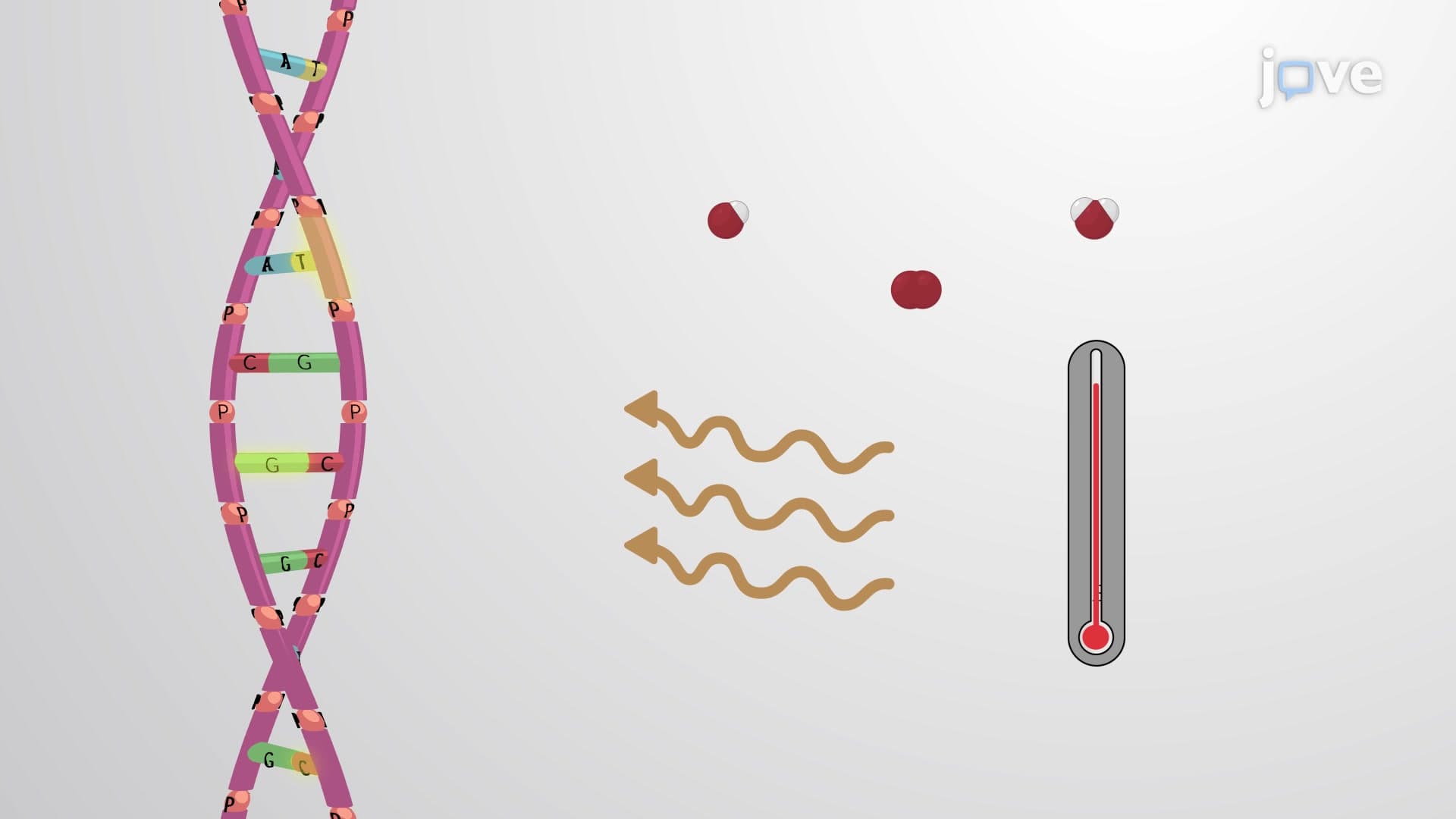
- Recognize environmental factors that damage DNA, such as UV radiation, chemical mutagens, and oxidative stress
- Explore real-world applications in cancer therapy where targeting DNA repair pathways enhances treatment effectiveness
Base Pairing And DNA Repair: The Foundation of Genetic Stability
The intricate relationship between DNA base pairing and repair mechanisms forms the cornerstone of molecular biology and genetic stability. While James Watson and Francis Crick's 1953 model established the complementary base pairing rules, modern research has revealed how these principles work hand-in-hand with sophisticated cellular repair systems to maintain genomic integrity across billions of cell divisions.
Watson-Crick Base Pairing: Molecular Precision in Action
Base pairing specificity relies on precise hydrogen bonding patterns that create the DNA double helix structure. Adenine forms two hydrogen bonds with thymine, while cytosine establishes three hydrogen bonds with guanine. This differential bonding strength explains why GC-rich DNA regions have higher melting temperatures-a principle exploited in PCR primer design and DNA sequencing protocols used throughout American research institutions and clinical laboratories.
The geometric complementarity of these base pairs ensures accurate replication fidelity of approximately 99.9%. However, even this high accuracy rate would result in significant mutations without additional proofreading mechanisms. Students preparing for the MCAT or AP Biology exams should understand that base pairing alone isn't sufficient for genetic stability-repair systems are equally crucial.
DNA Repair Pathways: Cellular Quality Control Systems
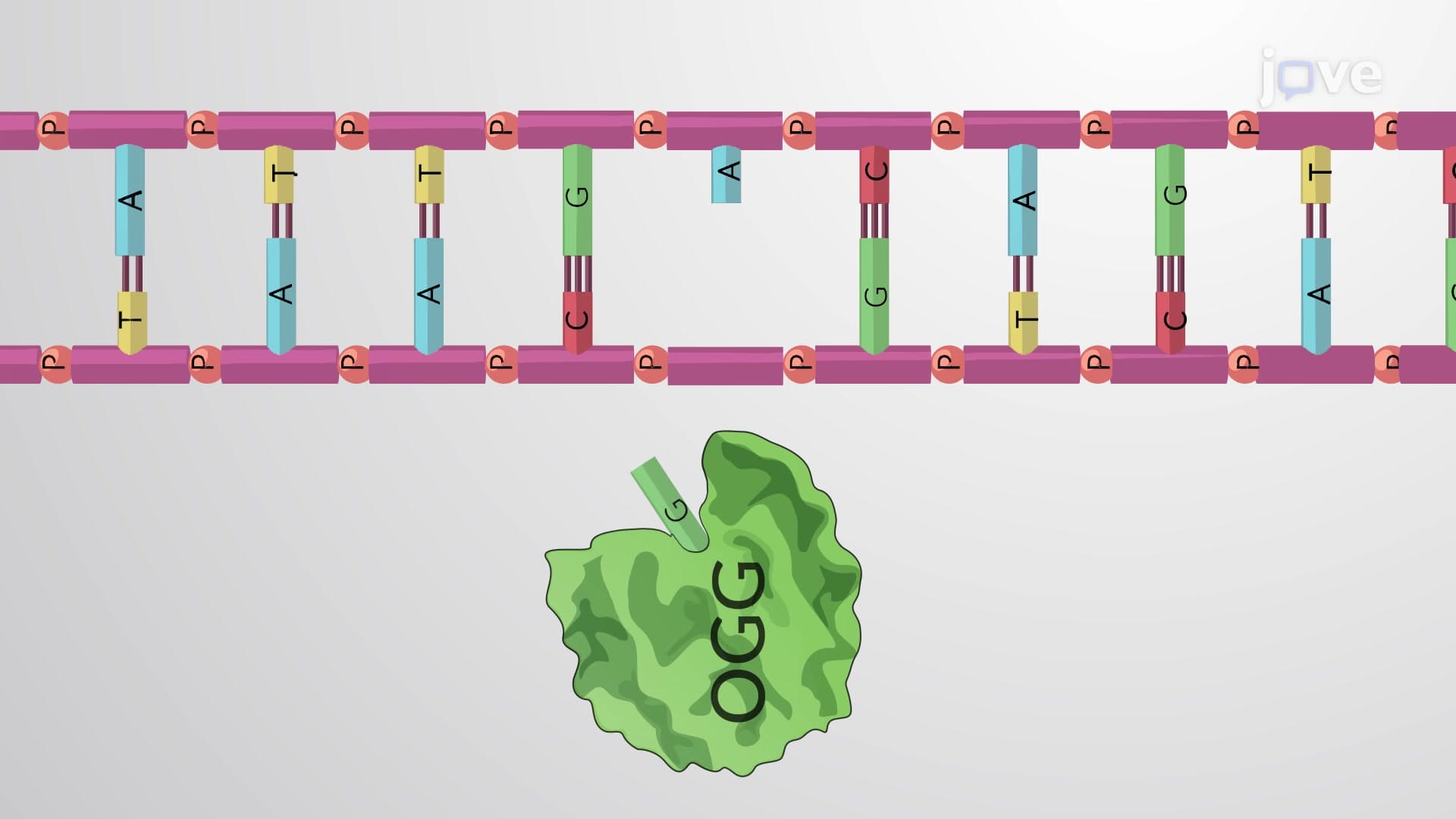
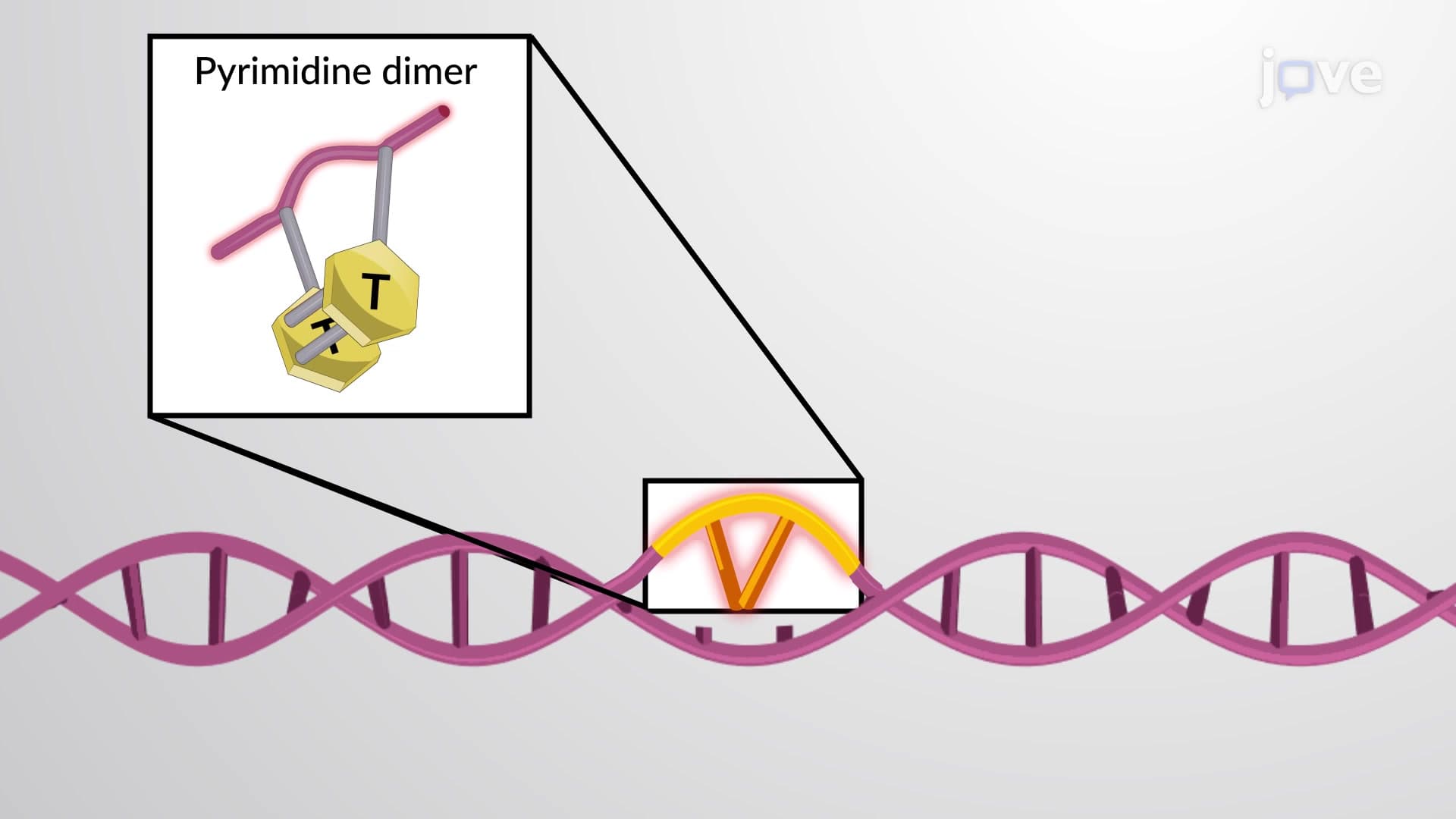
American cancer research has identified four primary repair pathways that correct different types of DNA damage. Mismatch repair corrects replication errors, exemplified by defects in MLH1 and MSH2 genes causing Lynch syndrome-the most common hereditary colorectal cancer syndrome affecting 1 in 300 Americans. Base excision repair handles single-base modifications from oxidative damage, while nucleotide excision repair removes bulky lesions like those caused by UV radiation.
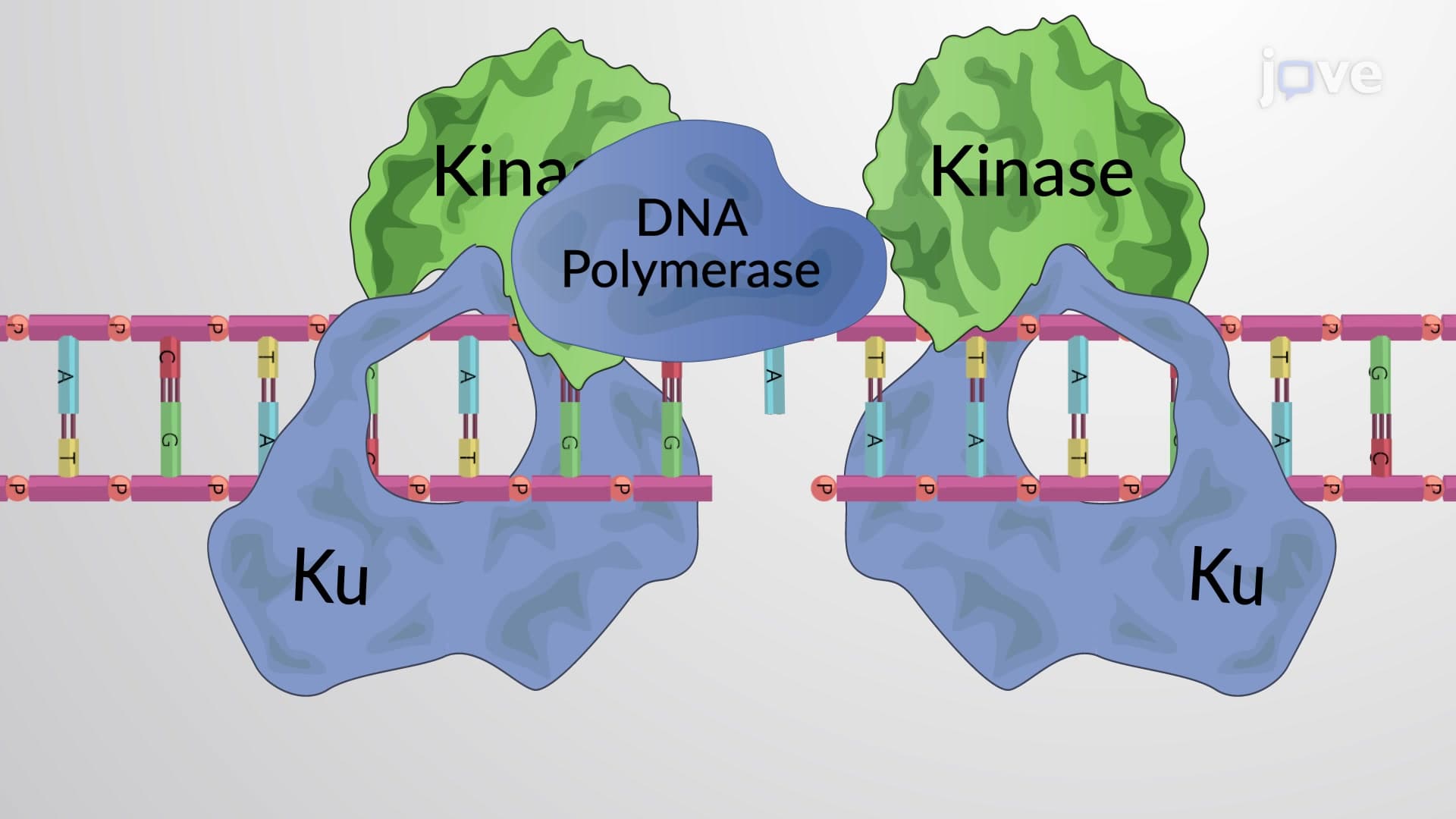
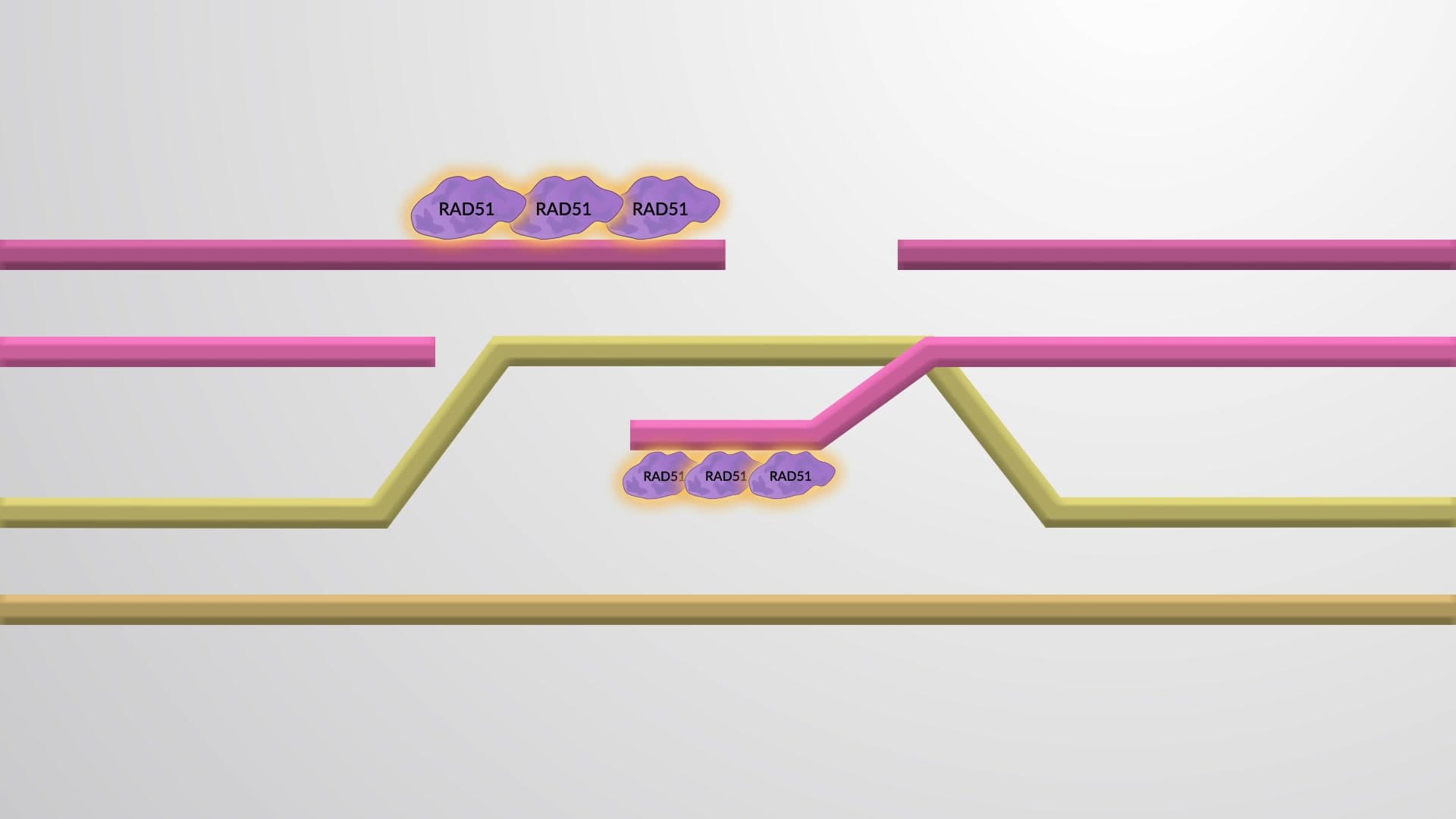
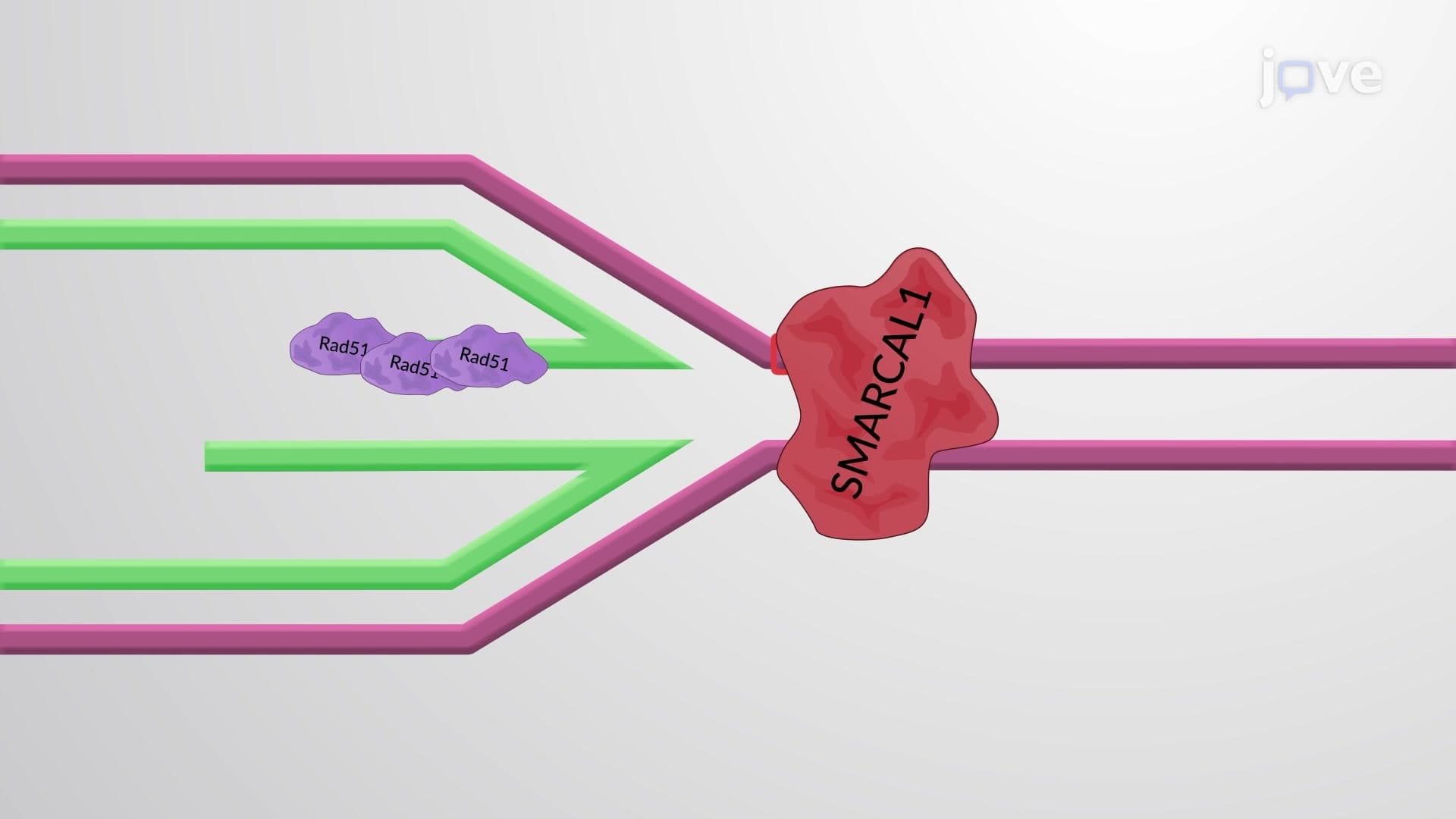
Double-strand break repair represents the most complex pathway, utilizing either homologous recombination or non-homologous end joining. BRCA1 and BRCA2 proteins, famous for their roles in hereditary breast and ovarian cancer, function primarily in homologous recombination repair. Understanding these pathways helps explain why BRCA mutation carriers have dramatically increased cancer risks when DNA repair capacity is compromised.
Clinical Applications and Biotechnology Integration
Modern precision medicine leverages base pairing and repair knowledge for therapeutic interventions. PARP inhibitors like olaparib exploit synthetic lethality in BRCA-deficient cancers, while platinum-based chemotherapies create DNA crosslinks that overwhelm repair capacity in rapidly dividing tumor cells. These concepts frequently appear in medical school curricula and USMLE Step 1 examinations.
Biotechnology applications span from diagnostic PCR testing-where base pairing specificity ensures accurate target amplification-to CRISPR gene editing systems that rely on complementary RNA-DNA base pairing for precise genomic targeting. Major pharmaceutical companies like Genentech and Moderna have built their therapeutic platforms on these fundamental principles, demonstrating the practical importance of understanding base pairing and DNA repair mechanisms.
Frequently Asked Questions
Base pairing and DNA repair are complementary cellular processes that maintain genetic stability. Base pairing involves the specific hydrogen bonding between adenine-thymine and cytosine-guanine, while DNA repair mechanisms fix errors in this pairing pattern. Together, they ensure accurate genetic information transfer during cell division and prevent mutations that could cause cancer or genetic disorders.
These concepts frequently appear in molecular biology sections, often testing Watson-Crick pairing rules, repair pathway identification, and clinical correlations. MCAT questions may present hereditary cancer scenarios requiring knowledge of BRCA function, while AP Biology exams typically focus on base pairing specificity and basic repair mechanisms. Expect experimental data interpretation questions involving DNA melting temperatures or mutation rates.
MCAT integration includes biochemistry (hydrogen bonding, enzyme kinetics), genetics (hereditary cancer syndromes, mutation consequences), and molecular biology (replication fidelity, transcription accuracy). Students should understand connections to cell cycle regulation, apoptosis pathways, and cancer biology. Practice questions often combine base pairing principles with clinical vignettes about DNA repair disorders.
Major medical centers like Mayo Clinic and Cleveland Clinic use genetic testing panels that identify mutations in DNA repair genes like BRCA1/2, MLH1, and MSH2. This information guides cancer screening protocols, treatment decisions, and family counseling. Oncologists at institutions like MD Anderson Cancer Center prescribe PARP inhibitors based on DNA repair deficiencies, while dermatologists diagnose xeroderma pigmentosum through repair pathway testing.
Not at all-these concepts build naturally on basic chemistry knowledge of hydrogen bonding and enzyme function. High school students successfully master these topics in AP Biology and dual enrollment courses nationwide. Starting with simple A-T and C-G pairing rules, then progressing to repair mechanisms, creates a logical learning progression that thousands of American students navigate successfully each year.
Create concept maps linking base pairing rules to specific repair pathways, then practice with clinical scenarios involving repair defects. Use active recall to memorize the four major repair types, then apply this knowledge to predict consequences of various DNA damage types. Drawing out base pair structures and hydrogen bonding patterns reinforces spatial understanding essential for multiple-choice and free-response questions.
Progress to gene expression regulation, including transcription factor binding specificity and epigenetic modifications. Explore advanced topics like DNA replication machinery, homologous recombination mechanisms, and cancer genetics. These concepts integrate beautifully with cell cycle control and tumor suppressor pathways, preparing you for advanced molecular biology and medical school coursework.
Base pairing errors and repair defects cause numerous genetic conditions affecting Americans, including Huntington's disease (expanded CAG repeats), sickle cell anemia (single base substitutions), and various cancer predisposition syndromes. Population genetics studies show that Ashkenazi Jewish Americans have higher BRCA mutation frequencies, while African Americans show different patterns of DNA repair gene variants, influencing personalized medicine approaches in American healthcare systems.
Related Micro-courses
18 Concepts

11 Concepts

14 Concepts