Loading subject page…


210,025 views

Video Summary: What Is DNA Damage Can Stall
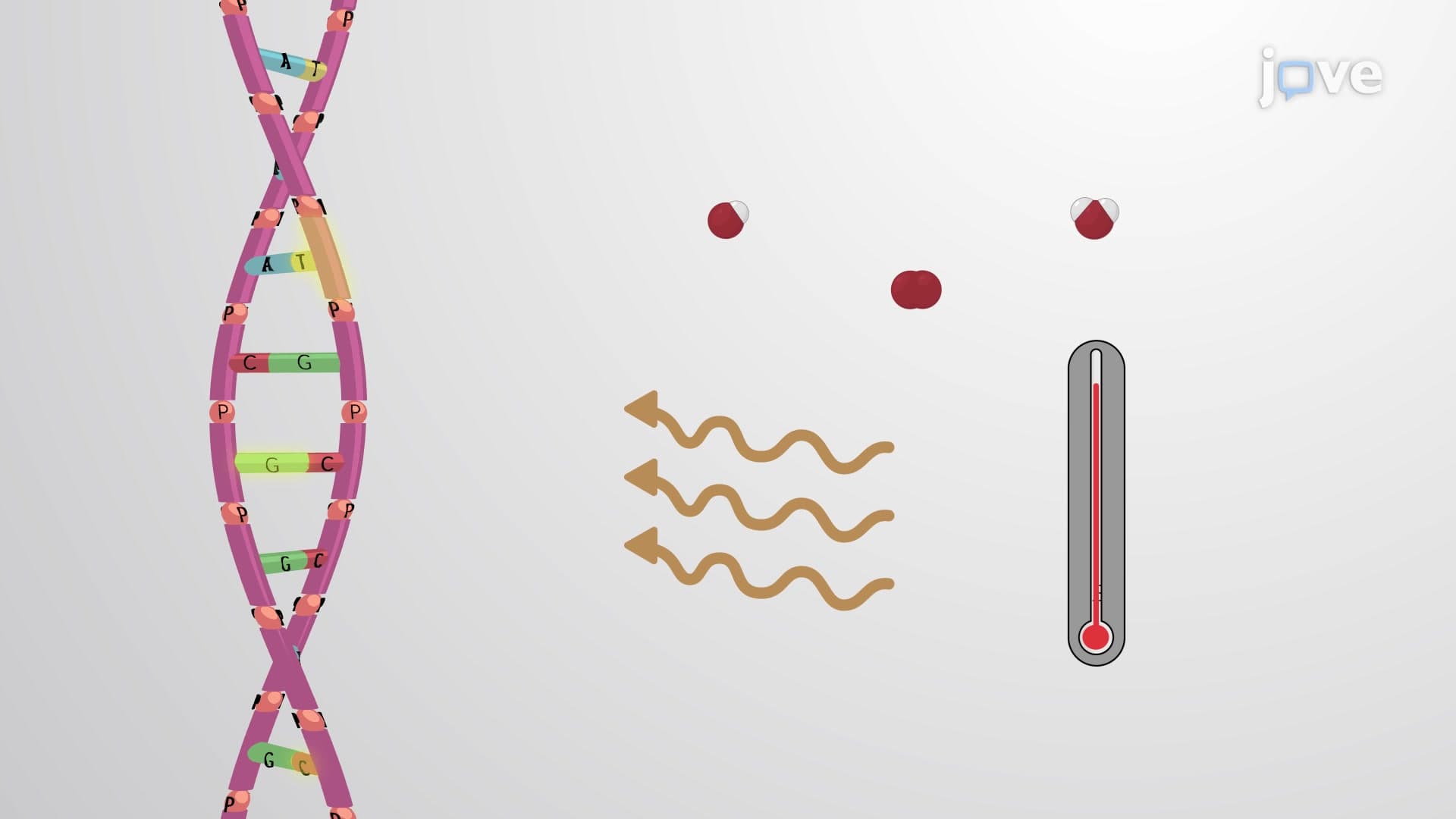
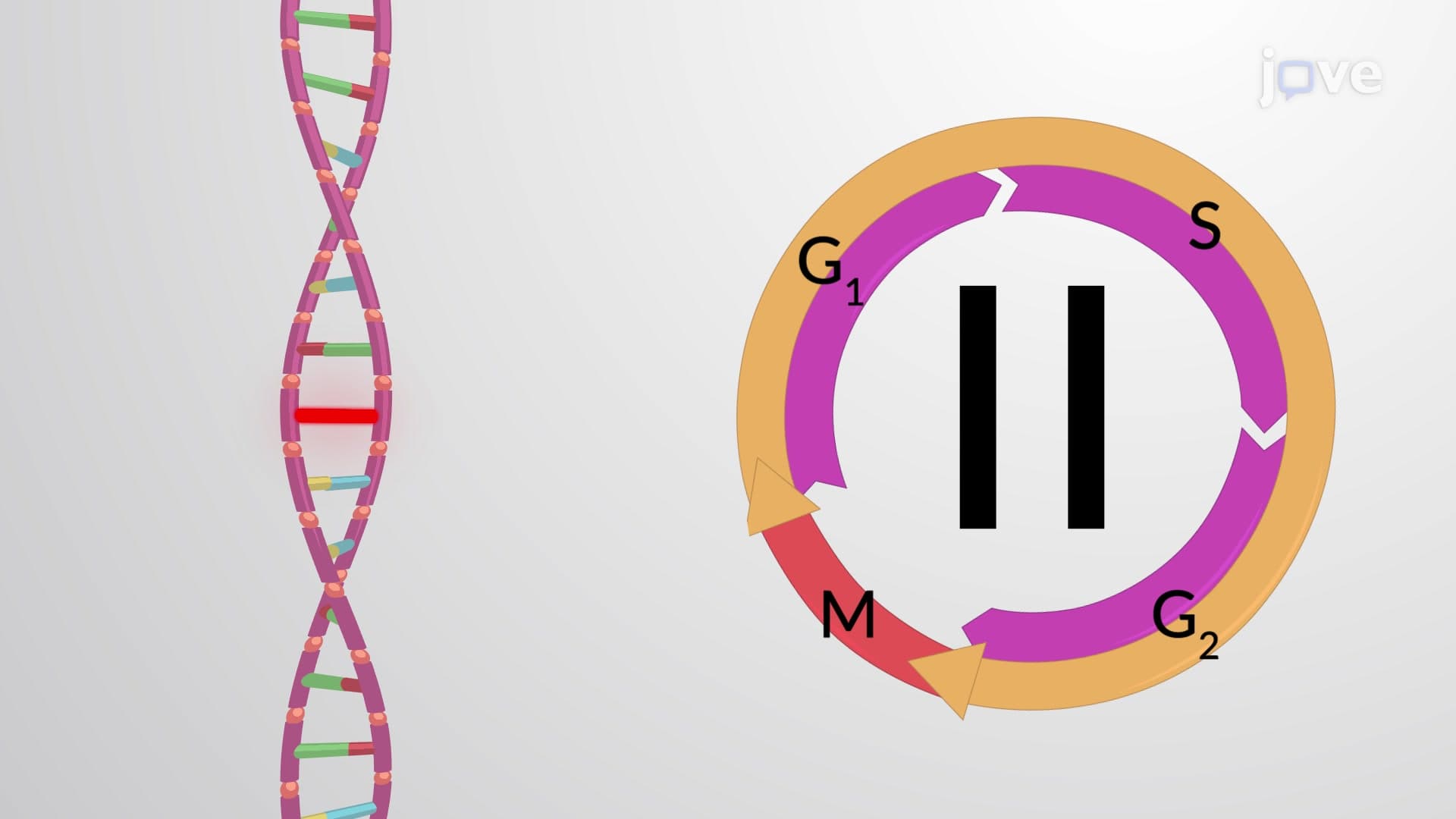
Every second, your cells face thousands of DNA-damaging events from UV radiation, chemical exposure, and normal metabolic processes. When DNA damage can stall the replication process, sophisticated cellular checkpoints spring into action to prevent faulty genetic information from being passed to daughter cells. Consider how cancer treatments like chemotherapy deliberately exploit these DNA damage pathways to target rapidly dividing tumor cells in patients at MD Anderson Cancer Center. Understanding what DNA damage can stall reveals the intricate molecular machinery that protects genome integrity during cell division. Watch the full video on JoVE Coach to master this concept with expert-led visuals and step-by-step explanations.
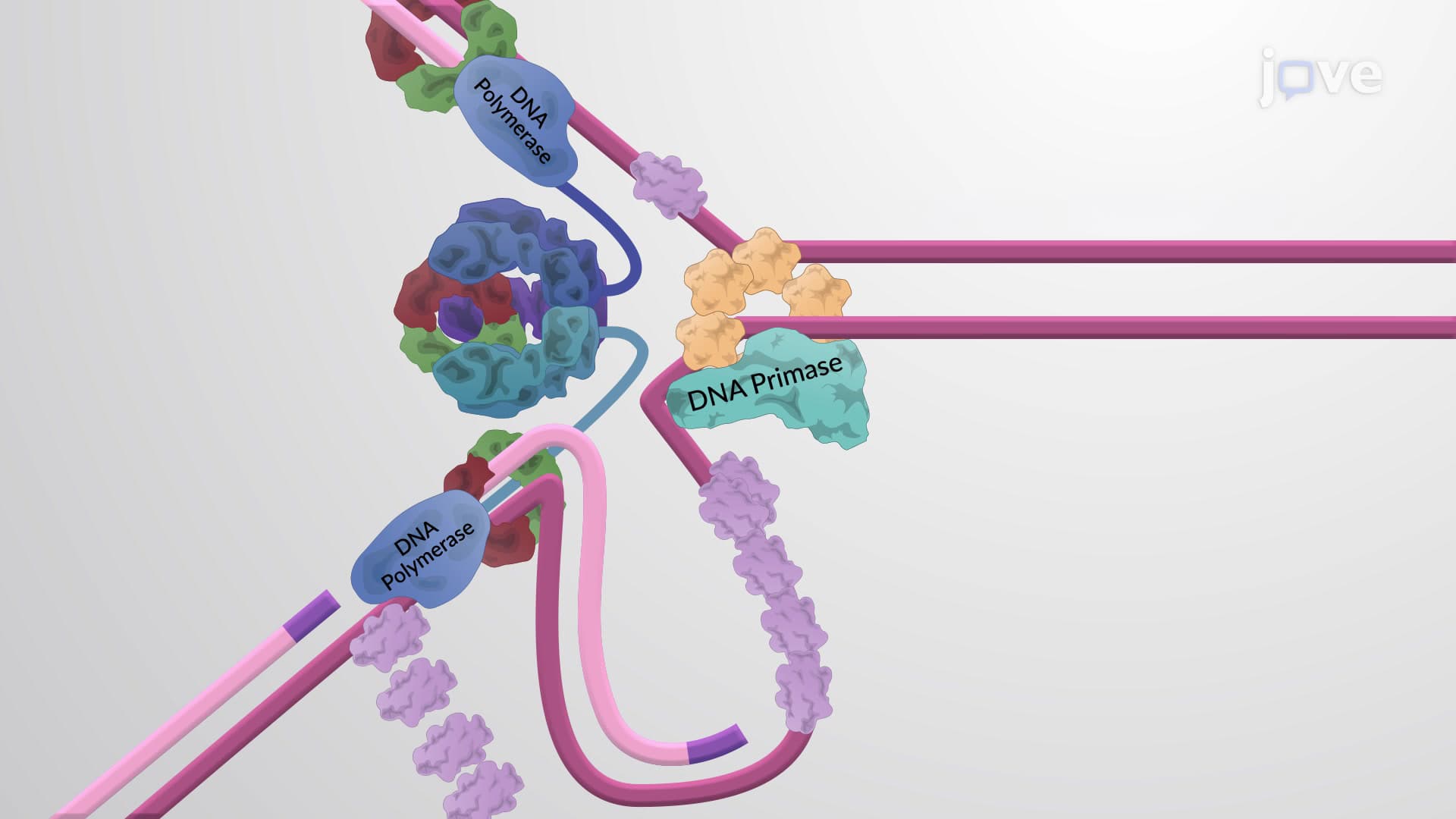
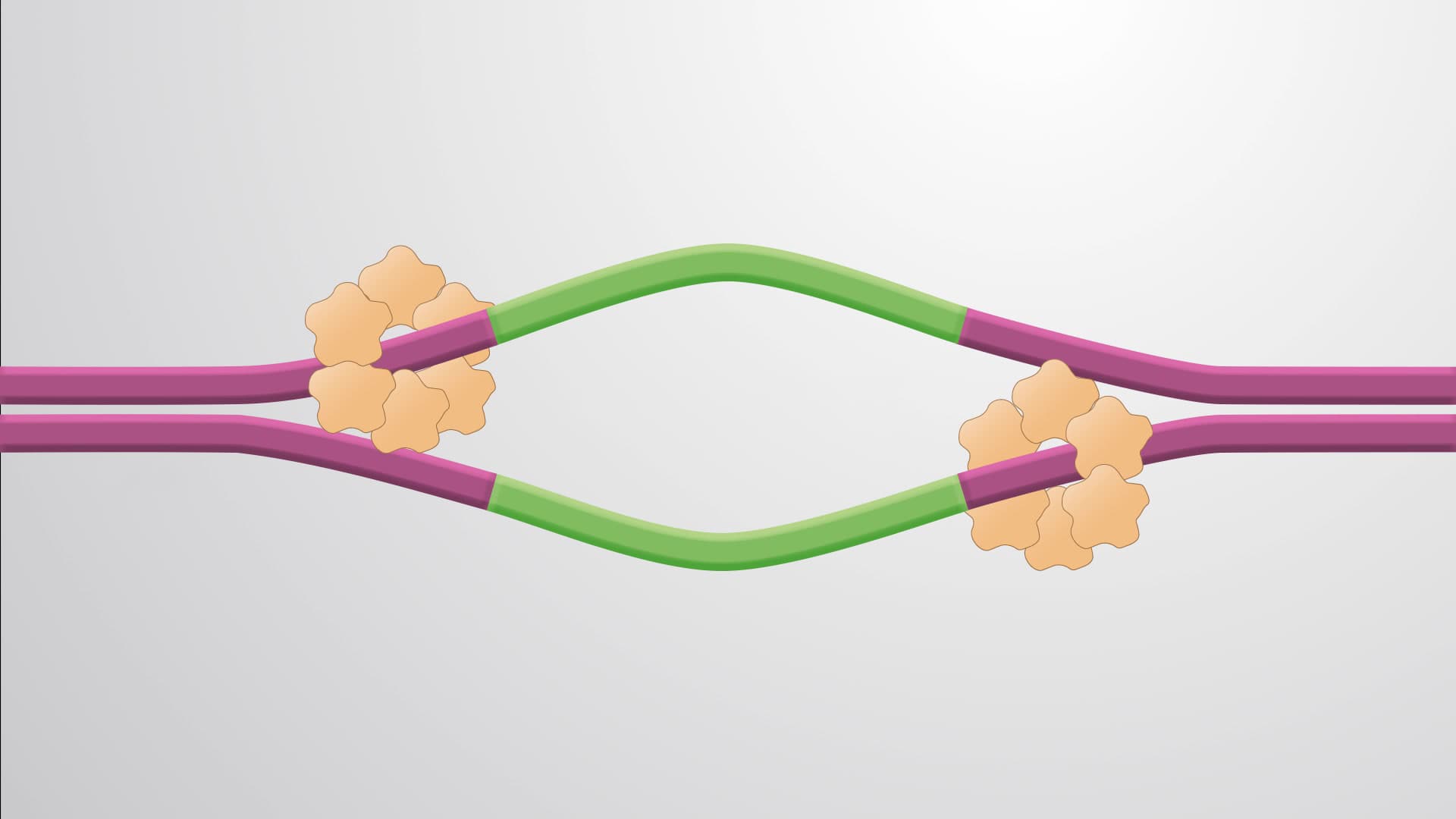
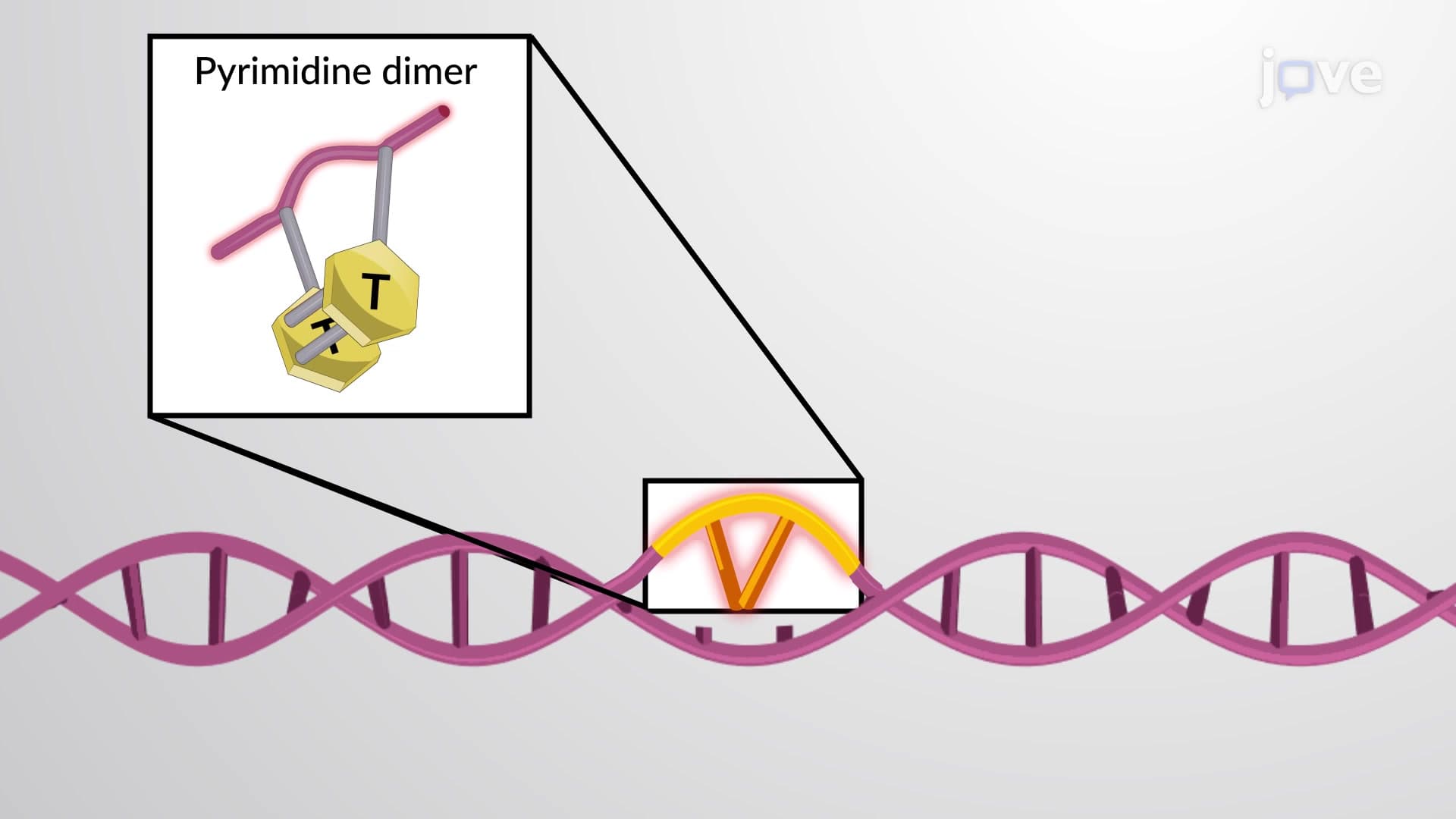
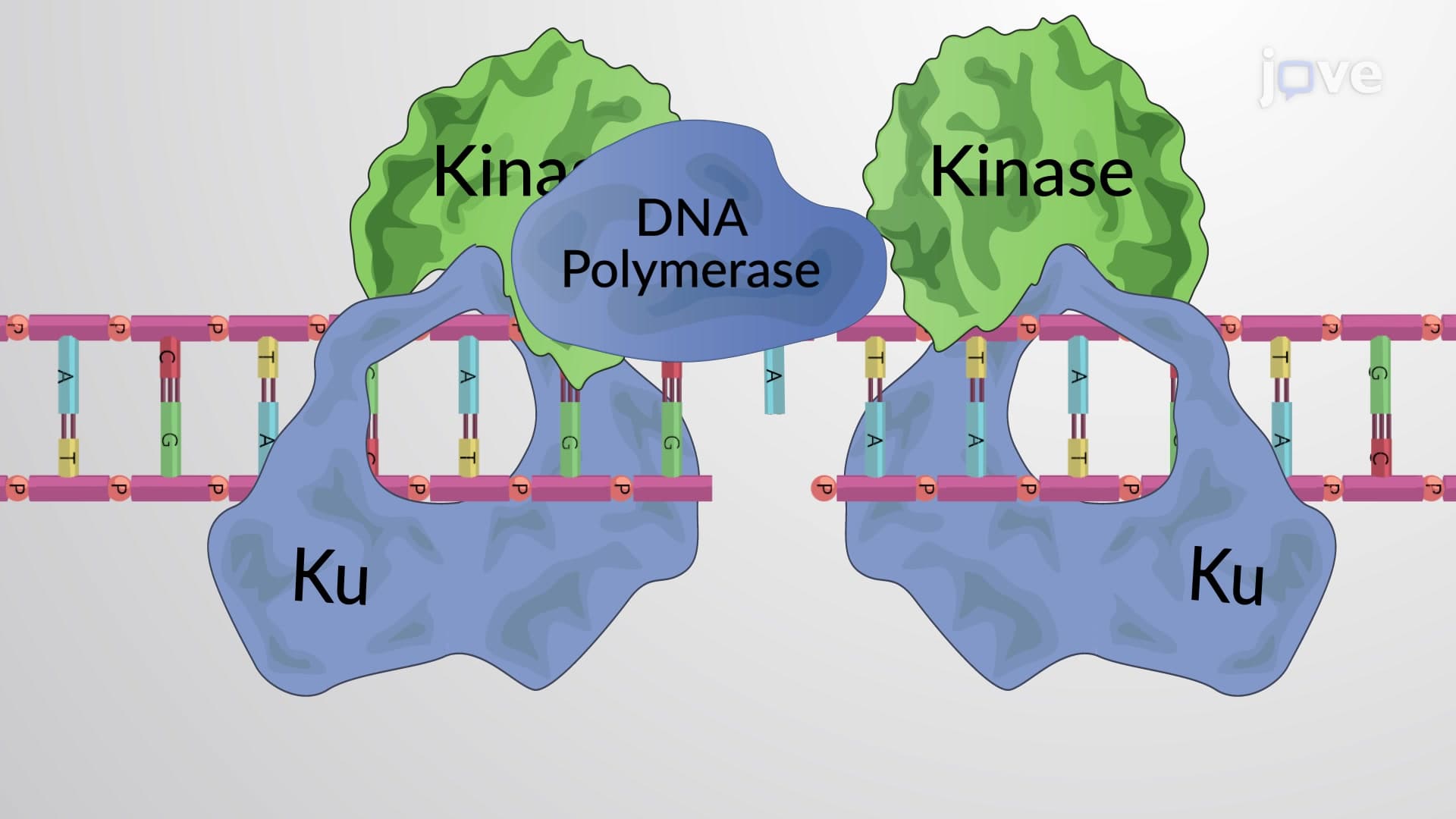
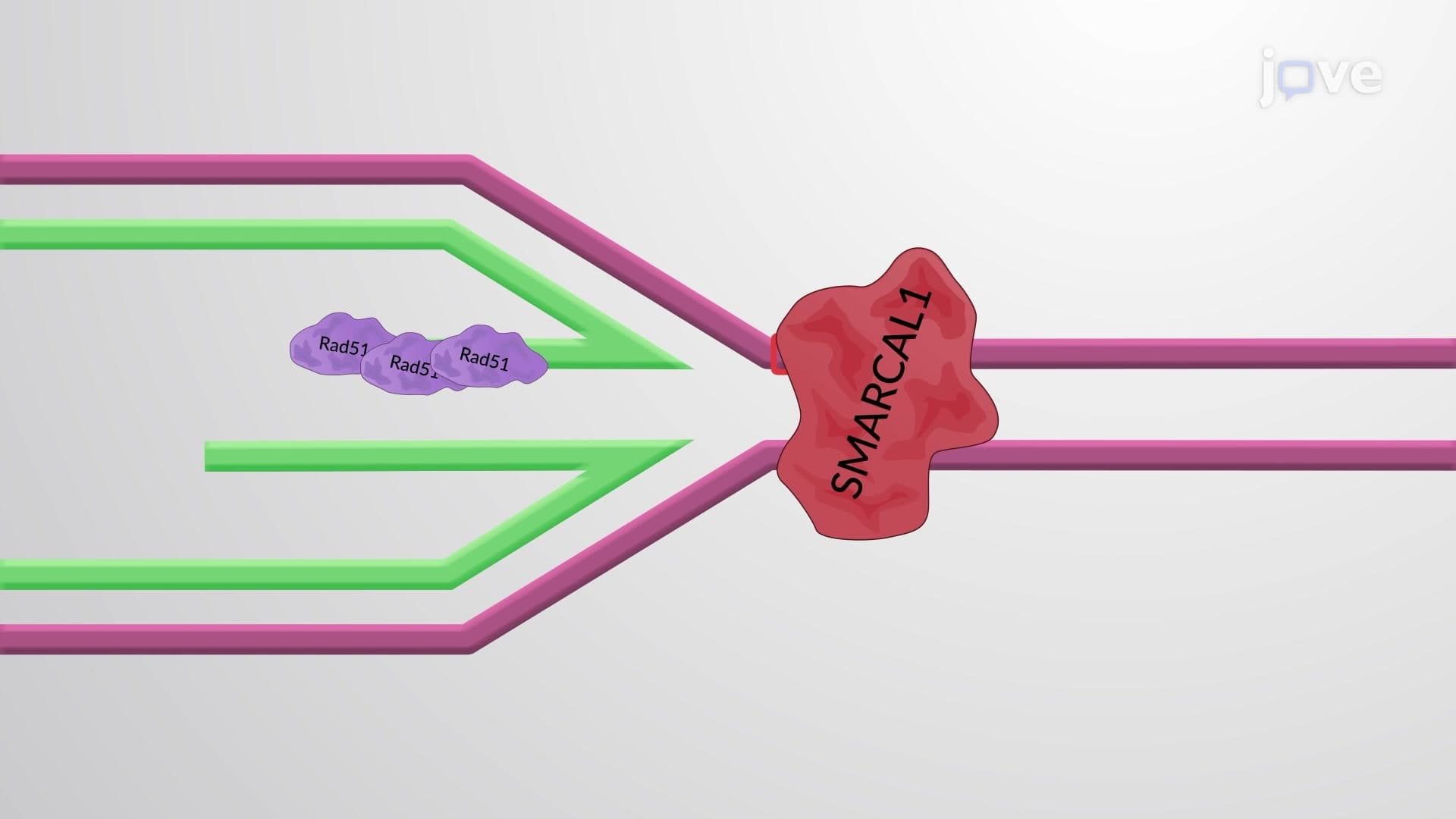
DNA damage can stall replication through multiple mechanisms that evolved to maintain genomic stability. When DNA polymerase encounters lesions, crosslinks, or structural abnormalities, the replication machinery becomes uncoupled, creating unstable replication forks. This stalling mechanism serves as the first line of defense against propagating mutations to daughter cells.
The consequences of unrepaired DNA damage extend far beyond individual cells. In clinical settings, oncologists at institutions like Johns Hopkins leverage these pathways when designing chemotherapy regimens that preferentially target cancer cells with defective DNA repair mechanisms.
The ATR-Chk1 and ATM-Chk2 signaling cascades represent sophisticated molecular circuits that translate physical DNA damage into biochemical signals. ATR (Ataxia Telangiectasia and Rad3-related) primarily responds to replication stress and single-strand DNA breaks, while ATM (Ataxia Telangiectasia Mutated) specializes in detecting double-strand breaks.
These kinase cascades demonstrate remarkable specificity. When RPA-coated single-strand DNA accumulates at stalled forks, ATR activation leads to Chk1 phosphorylation, ultimately preventing CDK2 activity and S-phase progression. Conversely, MRN complex formation at double-strand breaks recruits ATM, triggering Chk2-mediated cell cycle arrest.
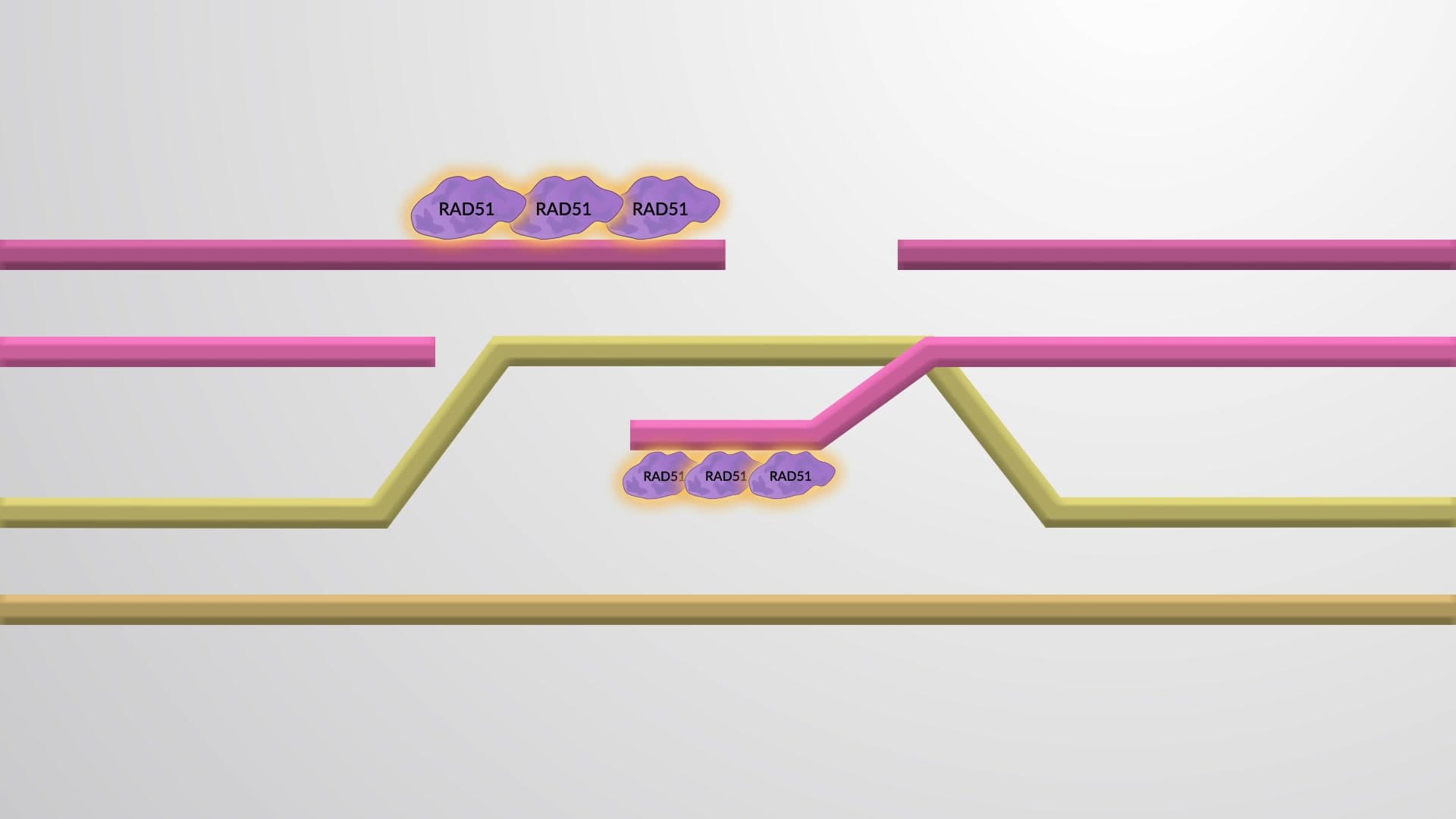
Replication protein A (RPA) plays a crucial protective role by coating exposed single-strand DNA at stalled replication forks. This coating prevents inappropriate DNA reannealing while serving as a platform for ATR recruitment. The resulting nucleoprotein filament becomes a signaling hub that coordinates multiple repair pathways.
Students preparing for the MCAT often encounter questions about how RPA dysfunction contributes to genomic instability in hereditary cancer syndromes. Understanding these molecular details proves essential for advanced coursework in genetics and cell biology.
The p53-p21 axis represents a critical tumor suppressor pathway frequently disrupted in human cancers. When functional, phosphorylated p53 acts as a transcriptional activator, upregulating p21 expression to inhibit cyclin-dependent kinases and halt cell division. This mechanism explains why p53 mutations occur in over 50% of human cancers.
Modern cancer therapeutics, including PARP inhibitors used at major cancer centers like Memorial Sloan Kettering, specifically exploit defects in DNA damage response pathways. These targeted therapies demonstrate synthetic lethality principles that AP Biology students encounter when studying gene interactions.
Related Micro-courses