Loading subject page…


210,025 views

Video Summary: What Is Fixing Double Strand Breaks
Every second, your DNA suffers thousands of attacks from radiation, chemicals, and cellular stress-yet you're still alive and functioning normally. Fixing double strand breaks represents one of biology's most critical emergency response systems, protecting the genetic blueprint that makes you who you are. When both strands of DNA snap completely apart, as happens during cancer radiation therapy at major US medical centers like MD Anderson, cells must rapidly deploy sophisticated molecular repair crews. Understanding what is fixing double strand breaks reveals how life itself persists despite constant genetic damage. Watch the full video on JoVE Coach to master this concept with expert-led visuals and step-by-step explanations.
Fixing double strand breaks represents cellular biology's equivalent of emergency surgery. When both strands of the DNA double helix break completely, cells face a life-threatening crisis. Unlike single-strand breaks that leave one intact strand as a template, double-strand breaks (DSBs) create two completely separate DNA fragments that must be precisely rejoined to prevent cell death or cancerous mutations.
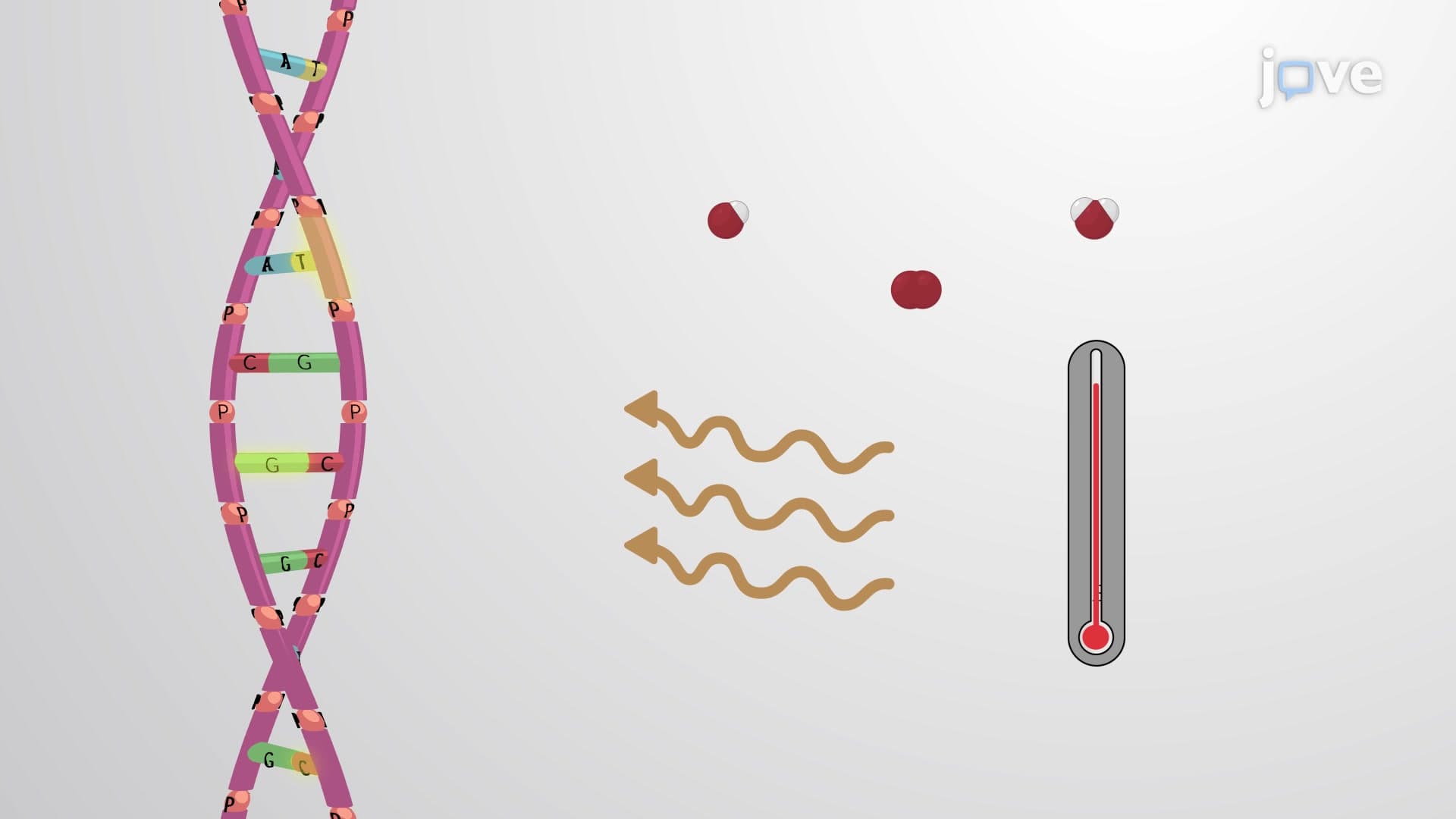
These breaks occur more frequently than you might expect. Ionizing radiation from medical X-rays, oxidative stress from normal metabolism, and errors during DNA replication all generate DSBs. A single chest X-ray, commonly performed in US hospitals, can cause dozens of double-strand breaks in your cells.
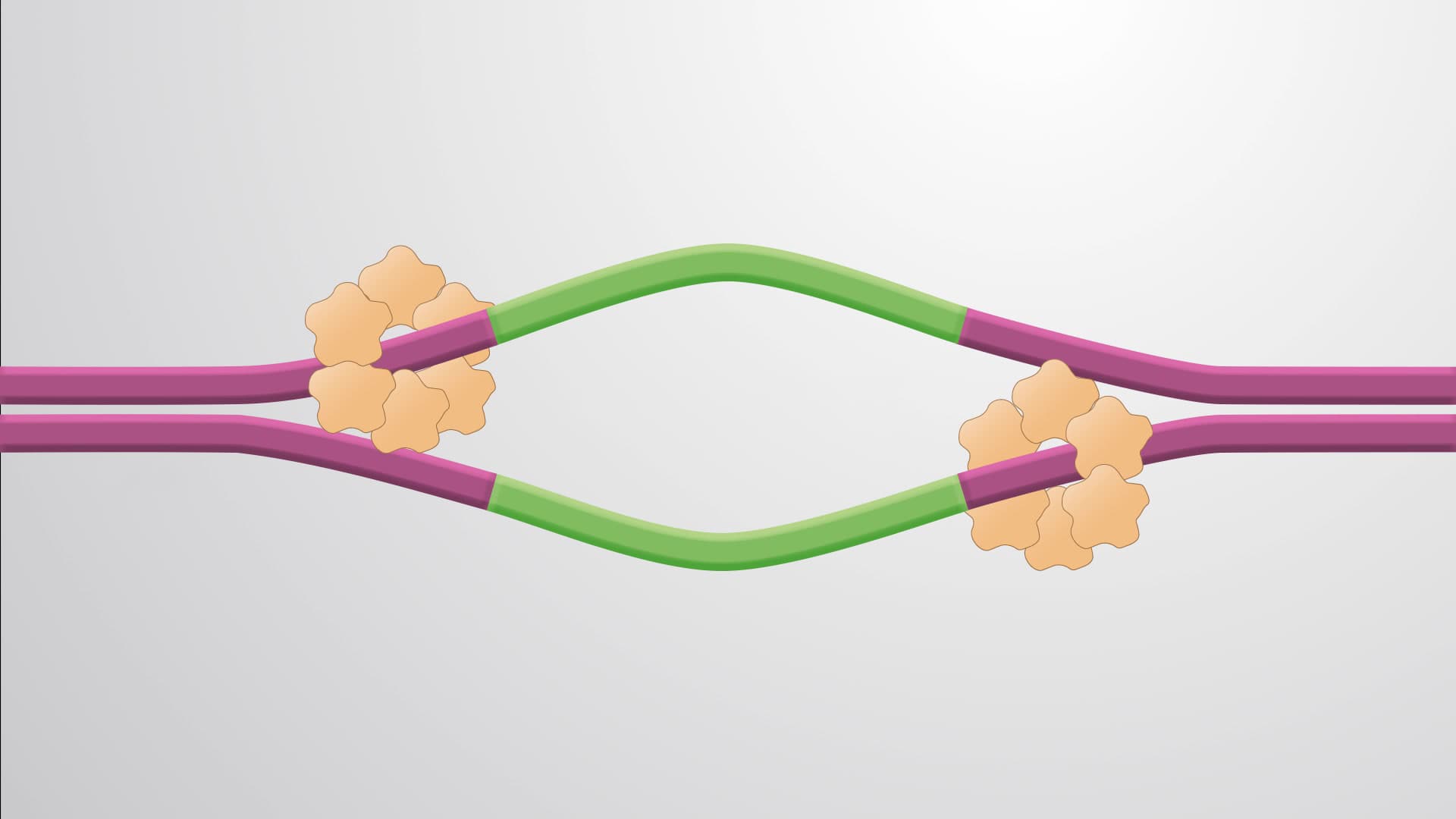
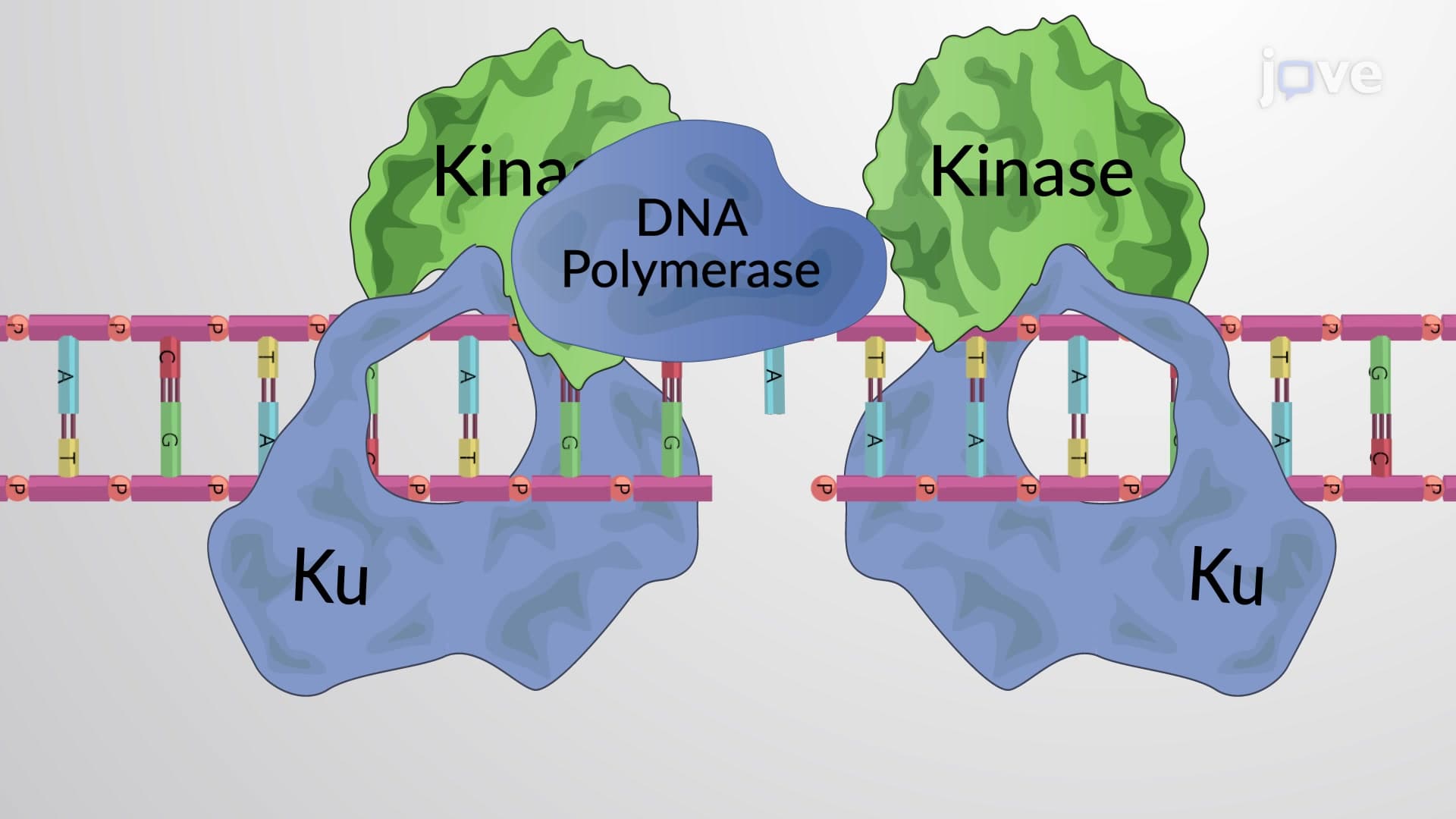
Cells have evolved two distinct fixing double strand breaks strategies, each optimized for different situations. Non-Homologous End Joining (NHEJ) operates like an emergency field medic-fast but sometimes imprecise. This pathway directly ligates broken DNA ends without requiring a template, making it available throughout the cell cycle. However, this speed comes at a cost: NHEJ is error-prone and can introduce small insertions or deletions at repair sites.
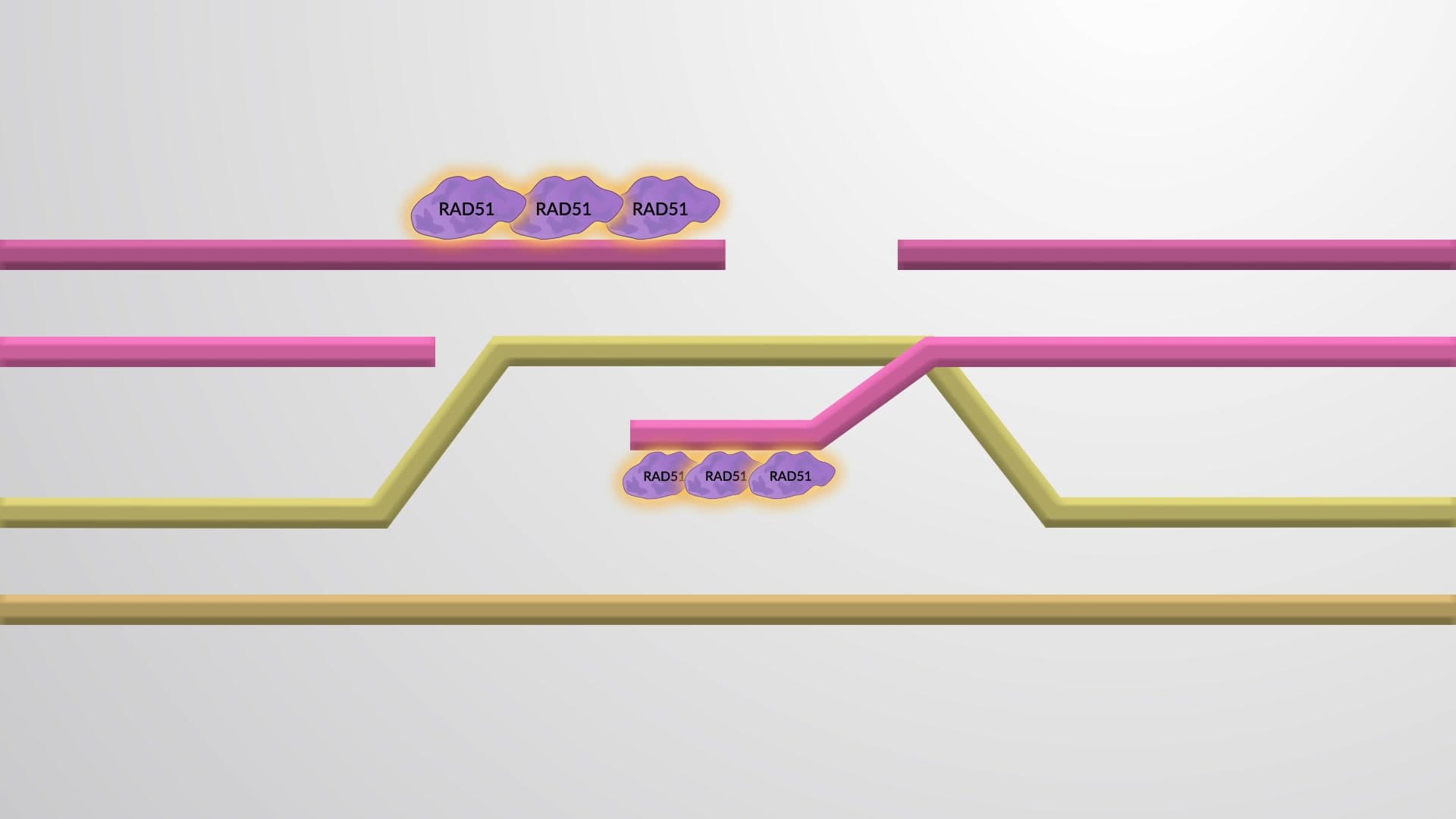
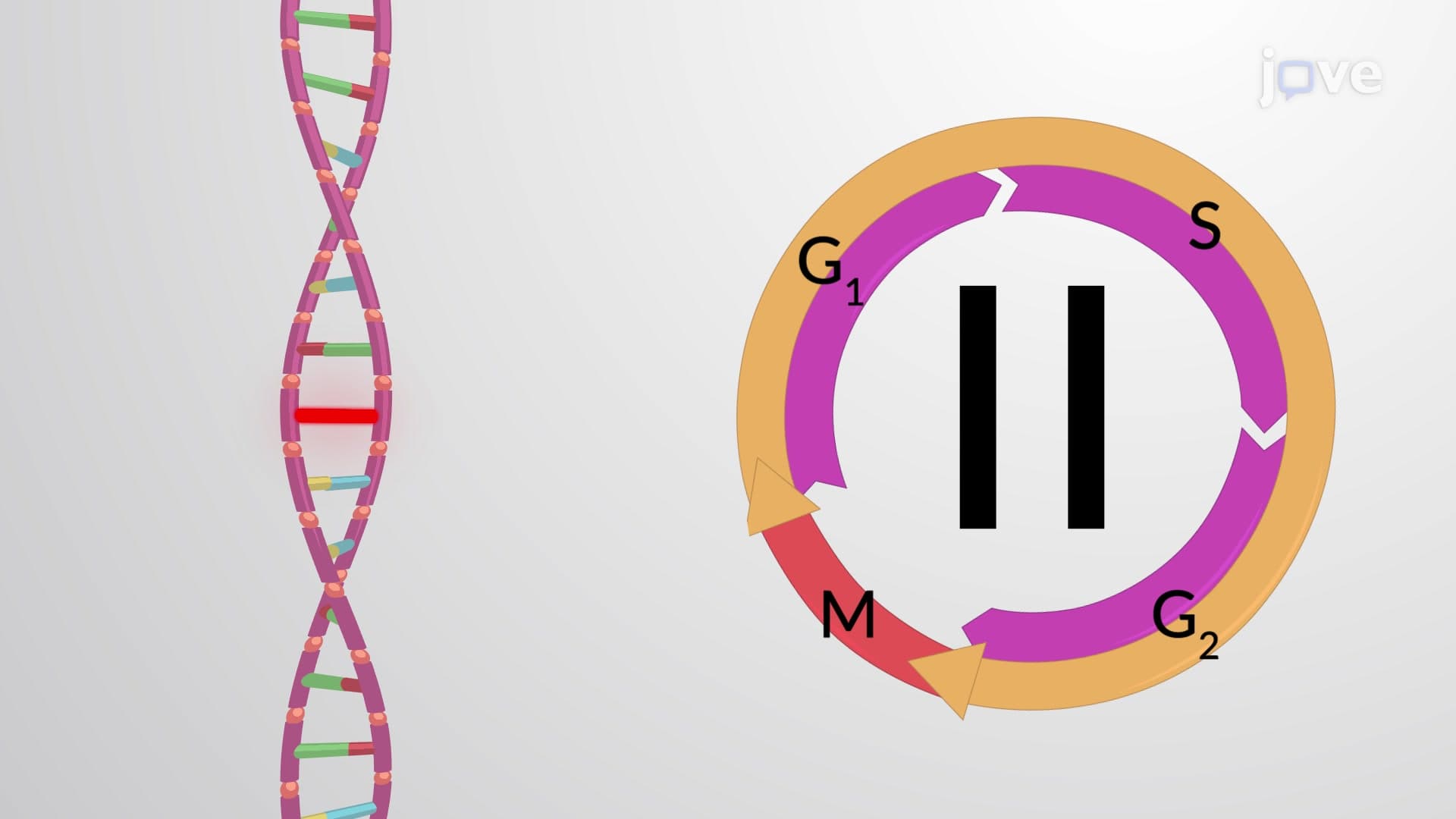
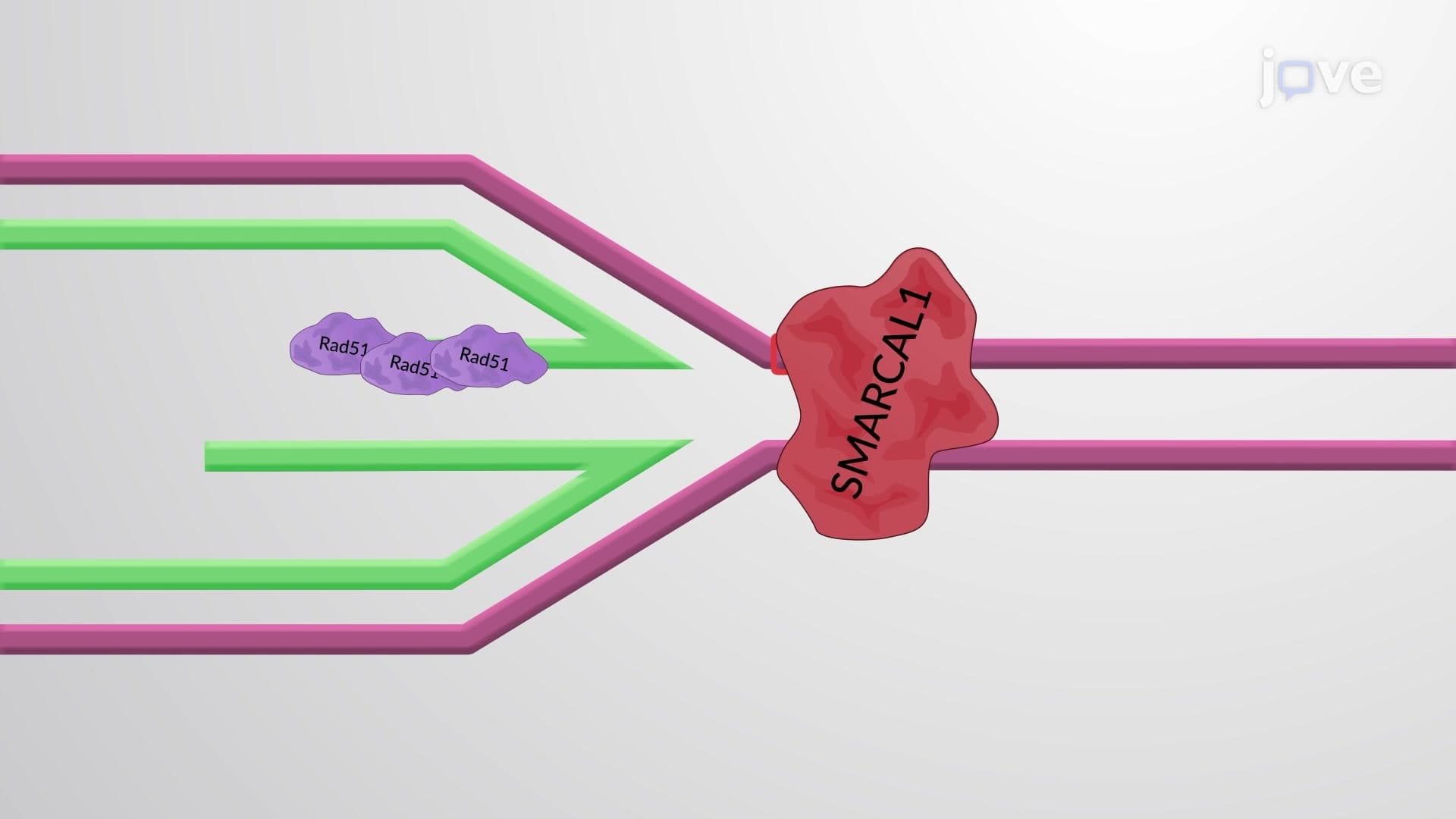
Homologous Recombination (HR) functions more like a skilled surgeon with a detailed blueprint. This pathway uses the sister chromatid as a perfect template, ensuring accurate repair. However, HR is only available during S and G2 phases when sister chromatids exist, making it a more restricted but highly precise option.
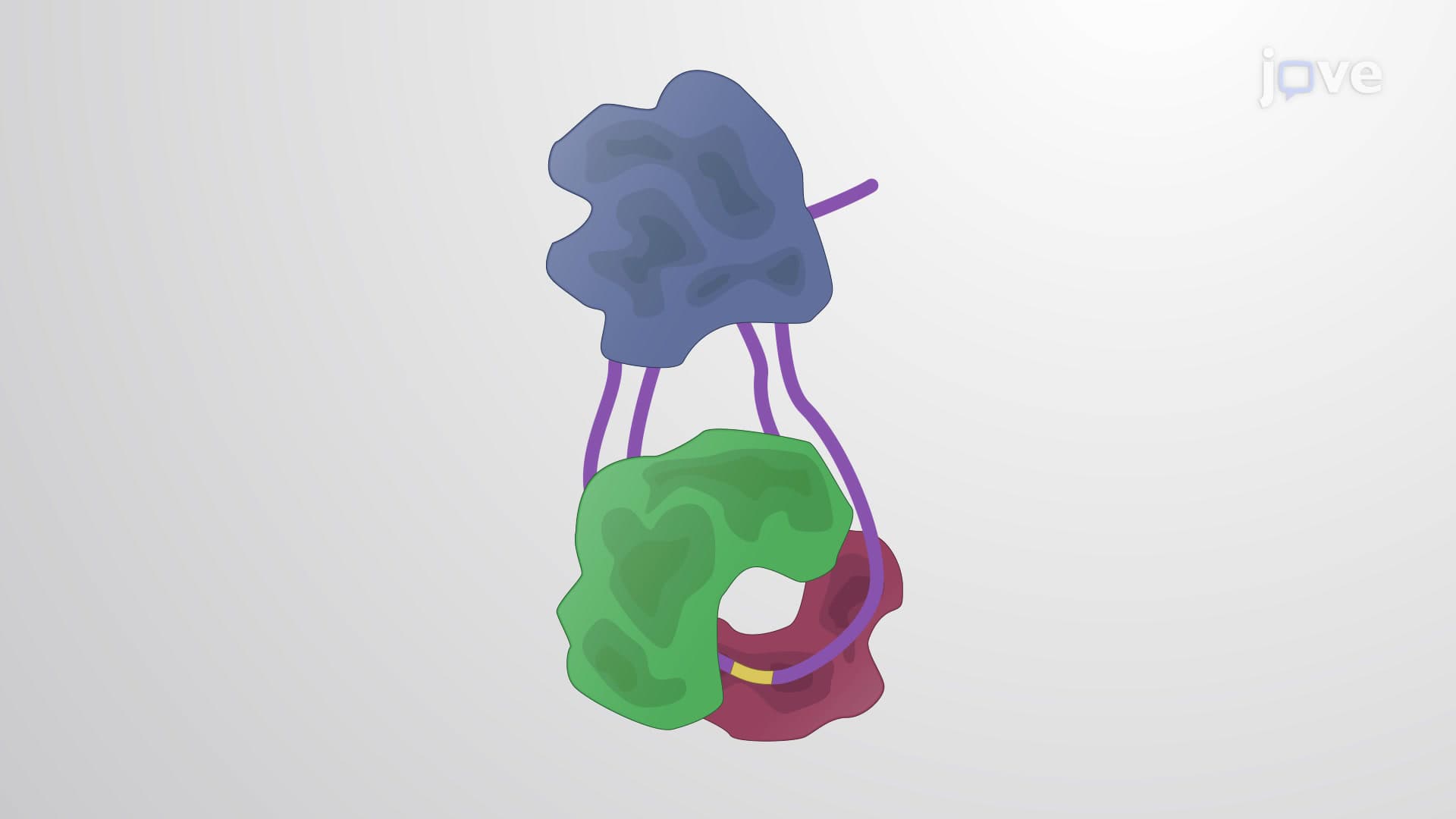
The fixing double strand breaks process begins with sensor proteins detecting broken DNA ends. In NHEJ, Ku proteins rapidly bind to DNA ends, recruiting DNA-dependent protein kinase (DNA-PKcs) to form a protective complex. For HR, the break undergoes nuclease processing to create single-strand overhangs that can invade the homologous template.
Understanding these mechanisms has revolutionized cancer treatment in US oncology centers. PARP inhibitors, approved by the FDA for BRCA-mutated cancers, exploit defective HR repair in tumor cells. When cancer cells cannot properly fix double strand breaks, they become hypersensitive to additional DNA damage from chemotherapy.
These concepts frequently appear on the MCAT biology section and AP Biology exams, where students must analyze repair pathway choice and predict consequences of pathway disruption. College genetics courses often include problem sets requiring students to predict mutation patterns based on which repair mechanism fails.
Related Micro-courses