Loading subject page…

- Cell Biology
- DNA Replication and Repair
- Gene Conversion
Micro-course: DNA Replication and Repair
210,025 views
Learn key concepts and earn your certificate.



Gene Conversion

00:00
02:08
Video Summary: What Is Gene Conversion
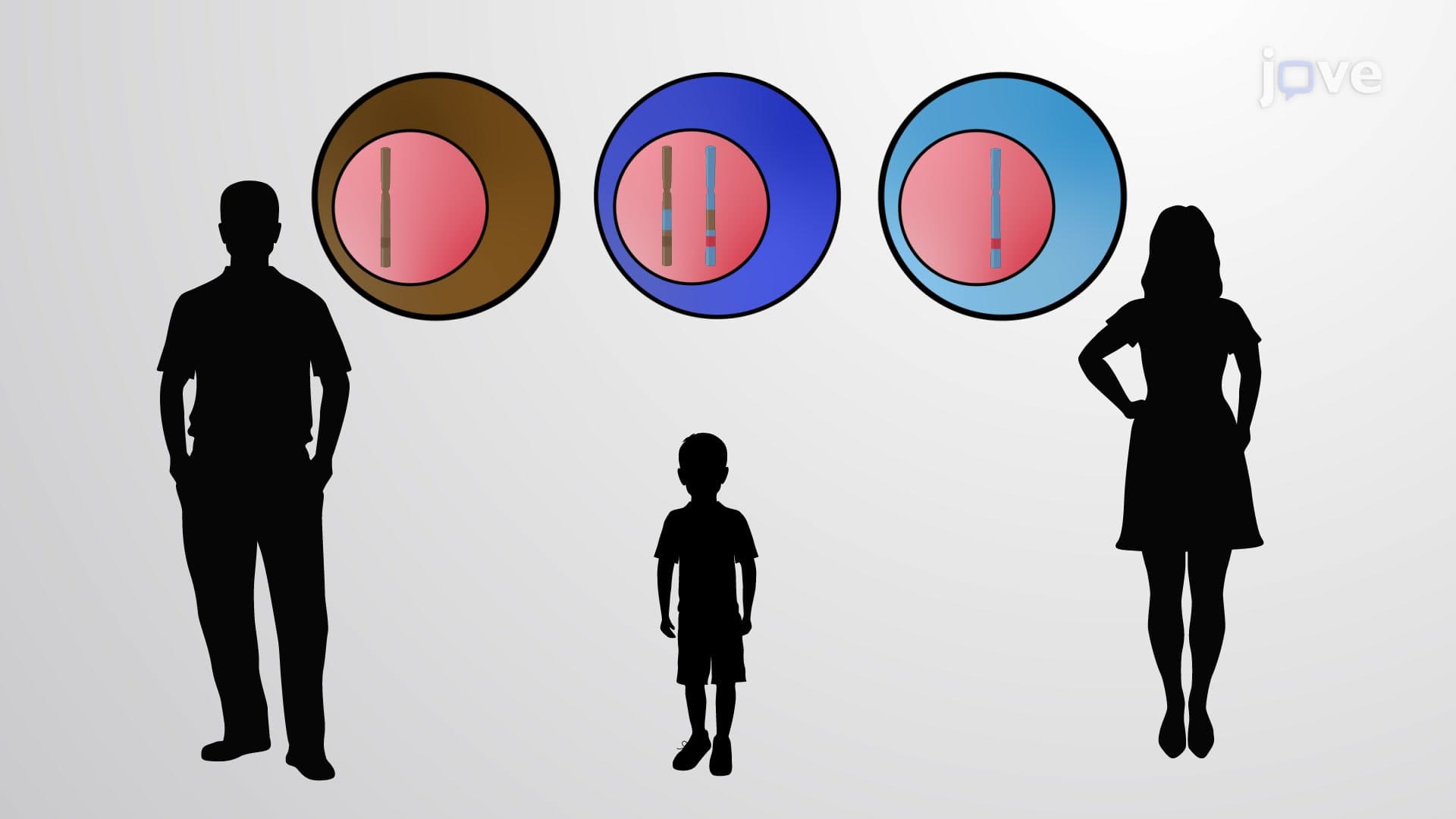
Ever wonder why identical twins can develop different genetic diseases despite sharing the same DNA? Gene conversion creates unexpected genetic changes that can alter disease susceptibility and traits in surprising ways. This non-reciprocal DNA repair mechanism occurs when one DNA sequence replaces a similar sequence, fundamentally changing how genetic information passes between generations. The process plays a crucial role in conditions like sickle cell disease research conducted at institutions like Johns Hopkins University, where scientists study how gene conversion affects treatment outcomes. Watch the full video on JoVE Coach to master this concept with expert-led visuals and step-by-step explanations.
- Understand what is gene conversion and how it differs from traditional genetic recombination mechanisms
- Identify the molecular steps involved in heteroduplex DNA formation during the gene conversion process
- Analyze how mismatch repair systems influence the direction and outcome of genetic information transfer
- Compare gene conversion events with crossover recombination to distinguish between reciprocal and non-reciprocal exchanges
- Evaluate the role of gene conversion in genetic diversity, disease progression, and evolutionary biology
- Apply knowledge of gene conversion to predict inheritance patterns that deviate from Mendelian genetics
- Recognize real-world implications of gene conversion in cancer research, genetic counseling, and population genetics
- Explore how gene conversion contributes to loss of heterozygosity in medical conditions and breeding programs
Understanding Gene Conversion: The Basics
Gene conversion represents a fascinating deviation from standard genetic inheritance patterns that students encounter in introductory biology courses. Unlike the reciprocal exchange seen in crossing over, gene conversion involves a unidirectional transfer where one DNA sequence essentially "overwrites" its homologous partner. This process fundamentally challenges the simple Mendelian ratios students learn in AP Biology, creating scenarios where expected 1:1 ratios become skewed.
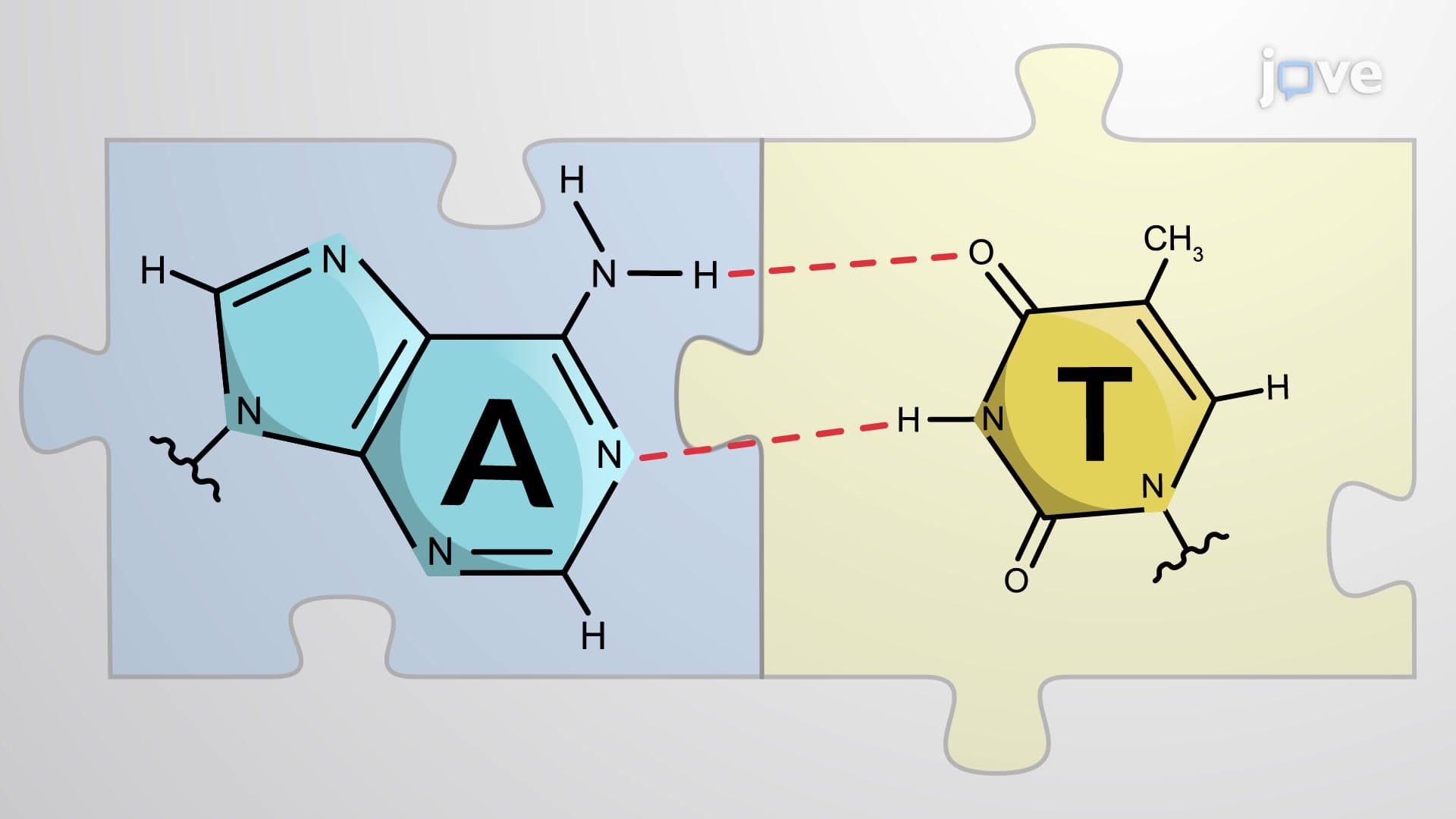
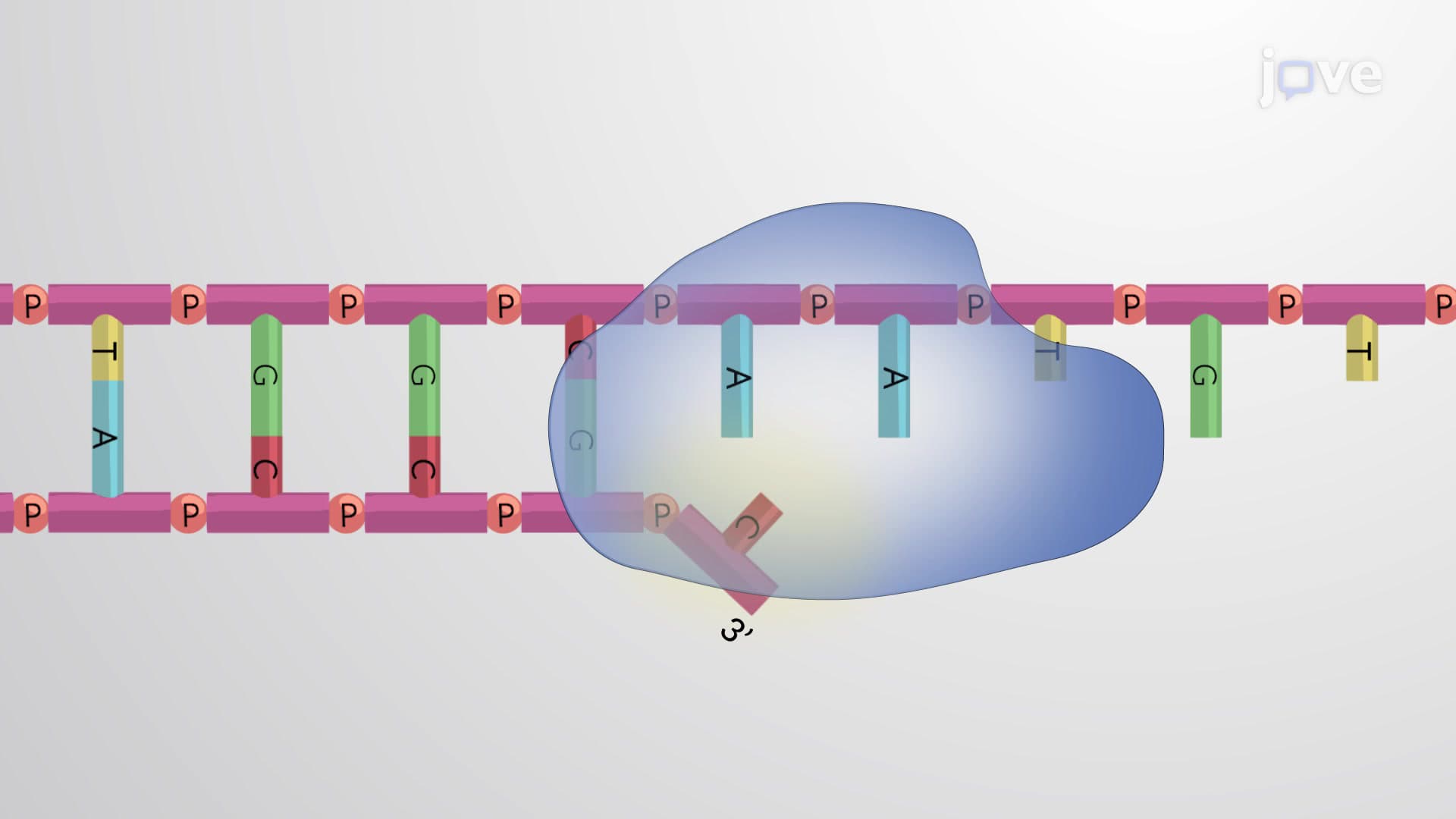
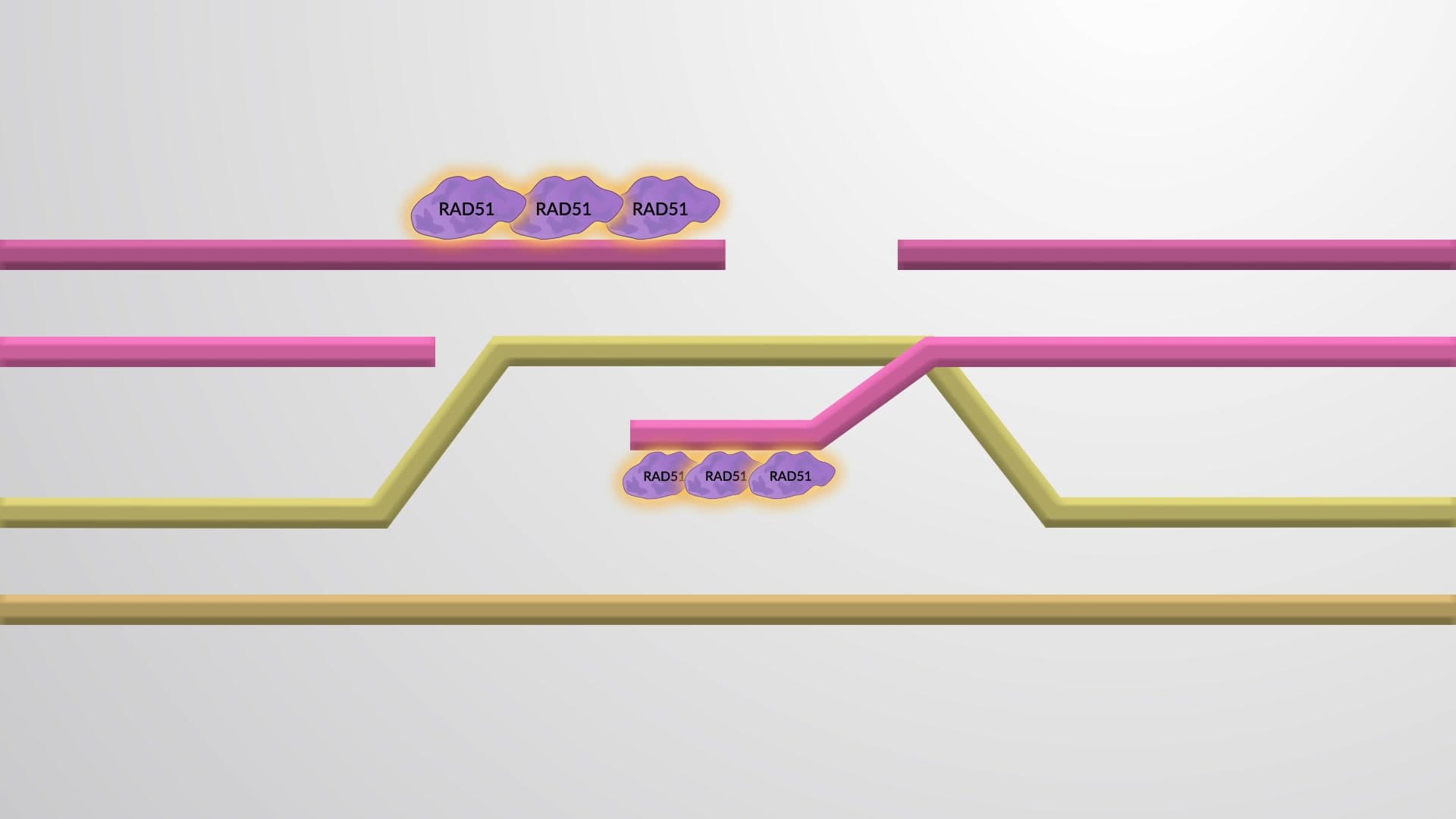
The mechanism begins during DNA repair processes, particularly when double-strand breaks occur. During homologous recombination repair-a process heavily tested on the MCAT-cells form heteroduplex DNA structures where single strands from different chromosomes pair together. This creates regions of mismatched base pairs that cellular repair mechanisms must resolve.
Molecular Mechanisms and Mismatch Repair
The cellular mismatch repair system plays the decisive role in gene conversion outcomes. When repair enzymes encounter mismatched bases in heteroduplex regions, they must choose which strand to preserve and which to modify. This choice isn't random-certain sequences and cellular conditions bias the repair toward specific outcomes, leading to conversion events.
Students preparing for college-level genetics courses should understand that this process can result in complete loss of heterozygosity. For example, if a heterozygous individual (Aa) undergoes gene conversion at that locus, the result might be homozygous (AA or aa) offspring, violating expected Mendelian inheritance patterns. This concept frequently appears on university genetics exams and helps explain unusual inheritance patterns observed in clinical genetics.
Real-World Applications and Clinical Relevance
Gene conversion has profound implications in medical genetics and research conducted at major US medical centers. At the National Institutes of Health, researchers study how gene conversion affects cancer progression, particularly in tumor suppressor genes where loss of heterozygosity can accelerate malignant transformation.
In agricultural genetics, institutions like Cornell University utilize gene conversion principles in crop breeding programs. The process helps explain why certain beneficial traits sometimes disappear unexpectedly from breeding lines, despite careful selection protocols. Understanding these mechanisms enables geneticists to develop more effective breeding strategies and predict inheritance outcomes more accurately.
For students preparing for advanced placement exams or pre-medical coursework, gene conversion exemplifies how molecular-level processes create observable phenotypic changes that impact human health and agricultural productivity.
Frequently Asked Questions
Gene conversion is a DNA repair process where one gene sequence replaces another similar sequence, creating a one-way transfer of genetic information rather than an equal exchange. Think of it as genetic "copying and pasting" where one chromosome's sequence overwrites its partner's version. This process can change inheritance patterns and create unexpected genetic outcomes in offspring.
The MCAT frequently tests gene conversion in genetics and molecular biology sections, often presenting scenarios where inheritance ratios deviate from expected Mendelian patterns. AP Biology exams may include gene conversion in free-response questions about genetic diversity and DNA repair mechanisms. Students should focus on distinguishing gene conversion from crossing over and understanding its role in creating genetic variation.
Absolutely - gene conversion is a fundamental concept in advanced genetics that explains many phenomena students encounter in upper-level coursework. It's essential for understanding population genetics, cancer biology, and molecular evolution courses. Many university genetics professors use gene conversion examples to illustrate how DNA repair mechanisms influence inheritance patterns beyond basic Mendelian genetics.
Gene conversion plays significant roles in cancer development, particularly in cases where tumor suppressor genes lose function through conversion events. Research at institutions like Memorial Sloan Kettering Cancer Center shows how gene conversion contributes to drug resistance in cancer cells. Additionally, gene conversion affects genetic counseling scenarios where family histories don't match predicted inheritance patterns.
Not at all - while gene conversion involves molecular details, the basic concept builds naturally on foundation genetics knowledge from standard biology courses. Students who understand DNA structure, basic inheritance patterns, and DNA repair will find gene conversion accessible. The key is focusing on the "copying over" concept rather than getting overwhelmed by molecular mechanisms.
Create comparison charts between gene conversion and crossing over, emphasizing the non-reciprocal nature of conversion events. Practice problems involving skewed inheritance ratios help solidify understanding. Focus on drawing simple diagrams showing heteroduplex formation and resolution, as visual representations often appear on standardized tests and help clarify the unidirectional transfer concept.
Gene conversion contributes to genetic diversity by creating new allele combinations and can accelerate the spread of beneficial mutations through populations. However, it can also reduce genetic diversity by converting heterozygous loci to homozygous states. This dual role makes gene conversion an important factor in population genetics studies and evolutionary biology research conducted at universities across the United States.
Understanding basic DNA repair processes first provides helpful context for gene conversion mechanisms. However, gene conversion can be understood conceptually without deep knowledge of repair pathways. Students should be comfortable with DNA structure, base pairing, and homologous recombination before diving into the molecular details of how mismatch repair influences conversion outcomes.
Related Micro-courses
18 Concepts

11 Concepts

14 Concepts