Loading subject page…


210,027 views

Video Summary: What Is Homologous Recombination
When scientists at MD Anderson Cancer Center discovered that patients with BRCA mutations respond exceptionally well to certain cancer treatments, they unlocked the power of homologous recombination-a cellular repair mechanism so precise it's like having a molecular photocopier for damaged DNA. This high-fidelity process uses identical DNA sequences as templates to fix dangerous double-strand breaks, ensuring our genetic code remains intact during cell division. Watch the full video on JoVE Coach to master this concept with expert-led visuals and step-by-step explanations.
Homologous recombination represents one of evolution's most sophisticated solutions to a critical cellular problem: how to accurately repair DNA double-strand breaks without losing genetic information. Unlike error-prone repair mechanisms, HR acts like a molecular copy machine, using an identical or nearly identical DNA sequence as a template to restore damaged regions with remarkable fidelity.
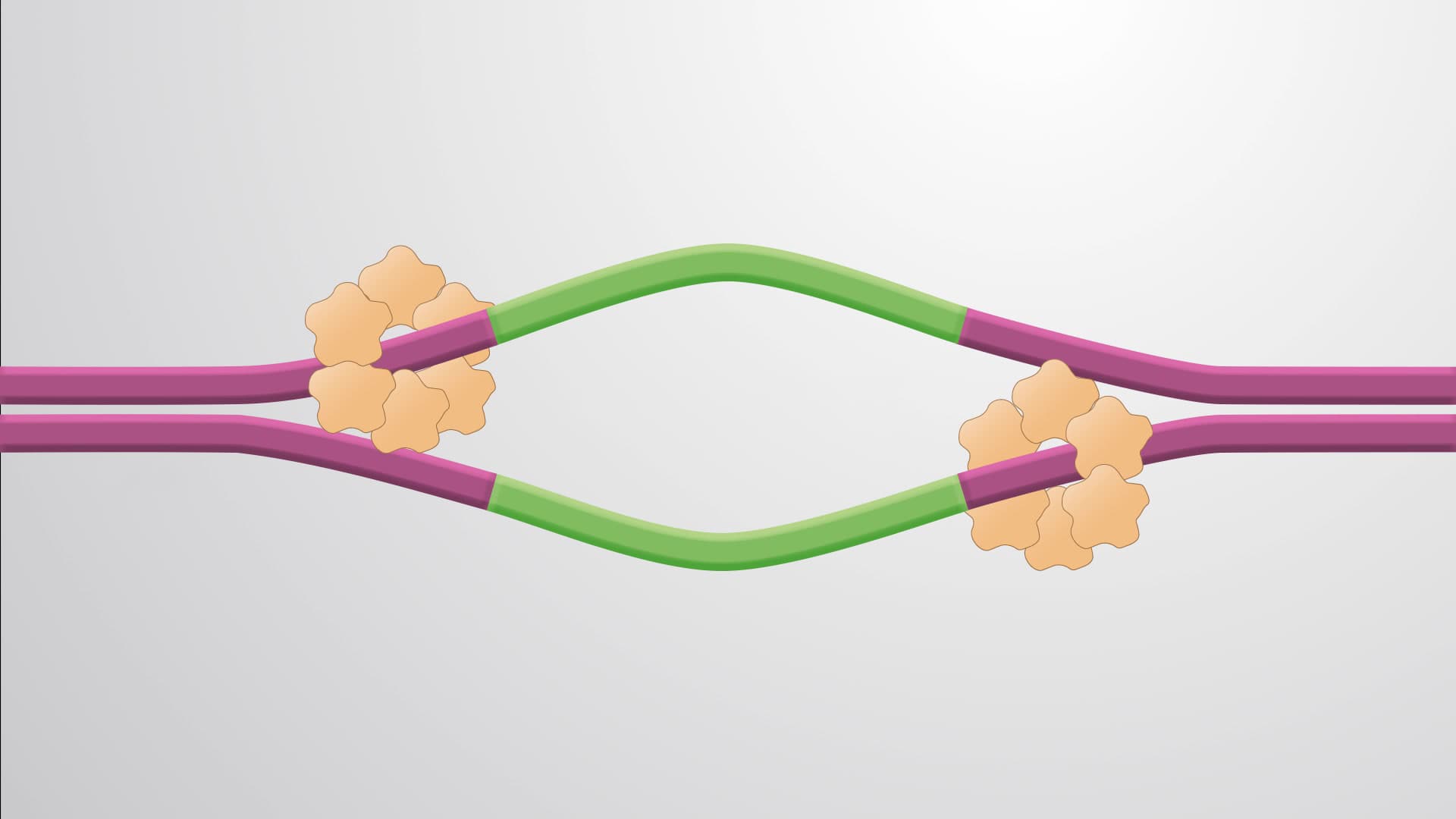
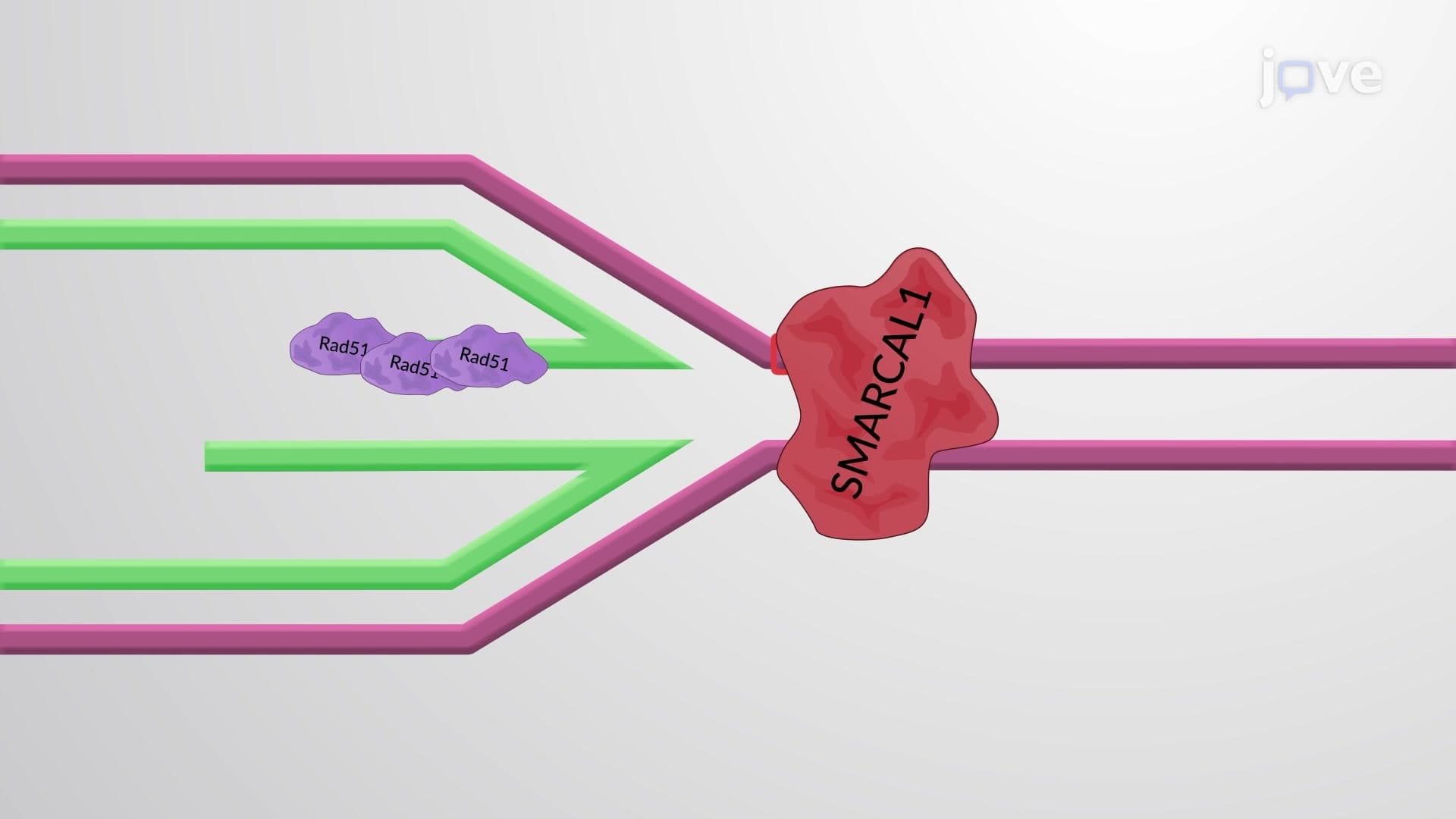
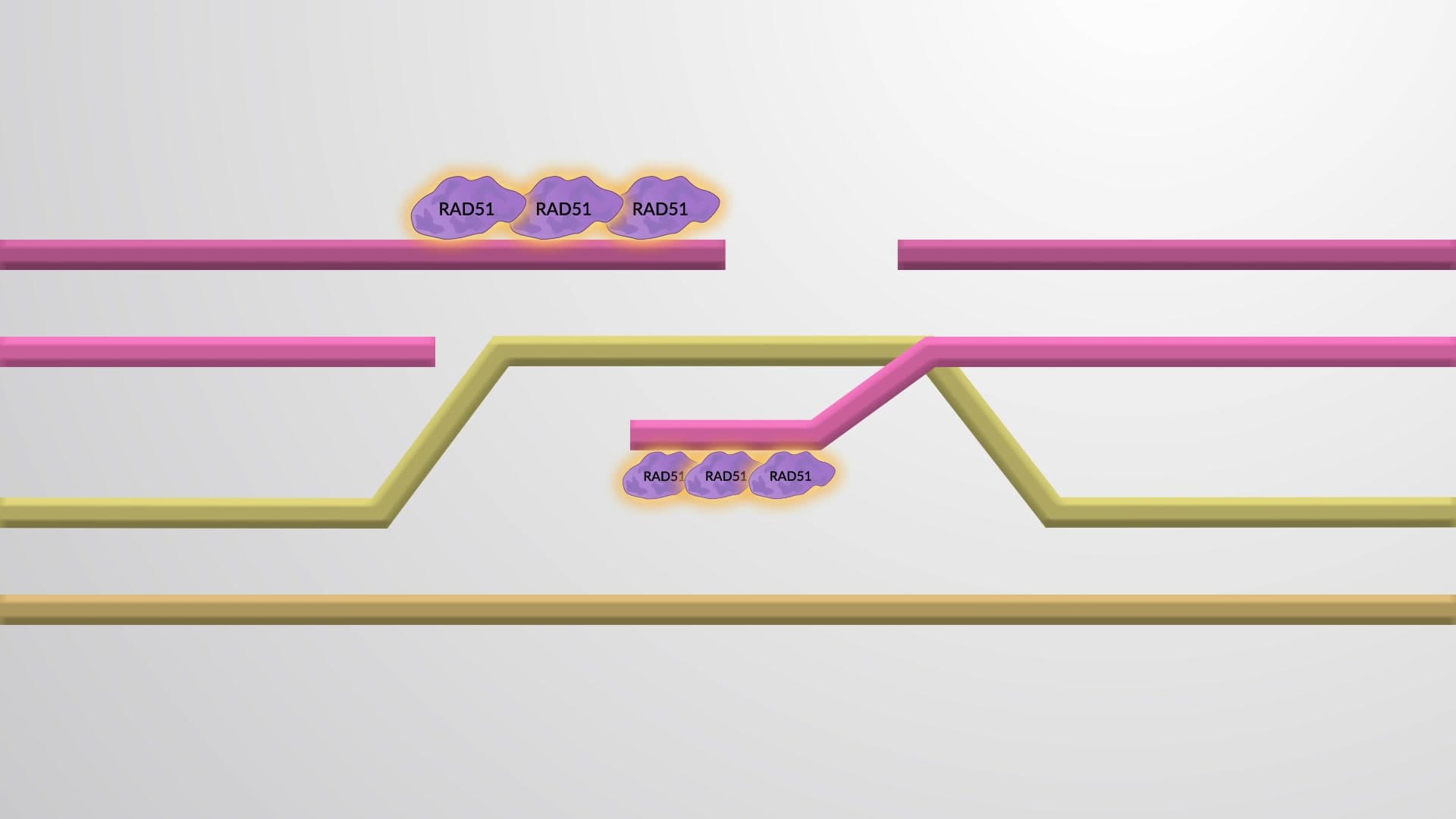
The homologous recombination process begins when specialized nucleases create 3' single-stranded DNA overhangs through end resection. The star player, RAD51 protein, coats these single strands to form nucleoprotein filaments that search for homologous sequences-typically sister chromatids during DNA replication. This search-and-invasion process creates joint molecules called Holliday junctions, named after geneticist Robin Holliday who first proposed their existence in 1964.
BRCA1 and BRCA2 proteins, famous for their roles in hereditary breast cancer, serve as crucial regulators of this pathway. BRCA2 directly loads RAD51 onto DNA, while BRCA1 coordinates the overall repair response. When these genes are mutated-as occurs in approximately 1 in 300-500 people of Ashkenazi Jewish descent-cells lose their HR capacity, leading to genomic instability and increased cancer risk.
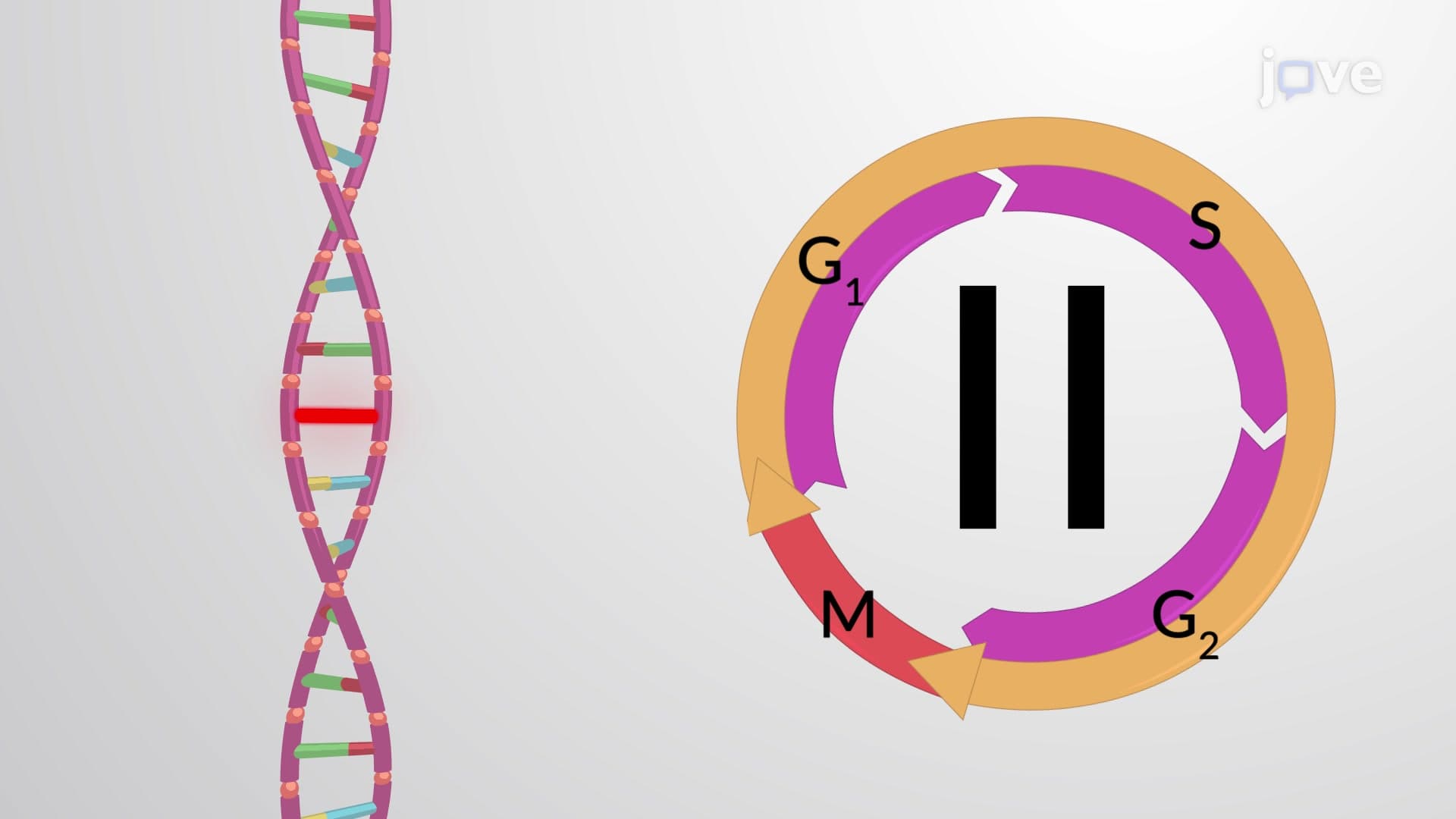
Homologous recombination operates primarily during S and G2 phases when sister chromatids are available as repair templates. This timing restriction explains why HR-deficient cancer cells become vulnerable to DNA-damaging treatments and PARP inhibitors like olaparib, approved by the FDA for BRCA-mutated cancers.
Understanding HR proves essential for students tackling AP Biology, where it appears in Unit 5 (Heredity), and pre-med coursework preparing for the MCAT's Biological and Biochemical Foundations section. The mechanism frequently appears in college genetics and molecular biology courses, particularly when discussing cancer biology and biotechnology applications.
Modern biotechnology harnesses homologous recombination for precise genome editing. CRISPR-Cas9 systems can stimulate HR by creating targeted double-strand breaks, allowing researchers at institutions like Harvard Medical School and Stanford University to insert specific DNA sequences with unprecedented accuracy. This application has revolutionized fields from agricultural biotechnology to gene therapy development.
Related Micro-courses