Loading subject page…


210,025 views

Video Summary: What Is Lagging Strand Synthesis
Every time your cells divide, DNA polymerase faces a fascinating puzzle: how to copy both strands of the double helix when it can only work in one direction. Lagging strand synthesis solves this challenge through a discontinuous process that creates short DNA segments called Okazaki fragments. Consider how researchers at Johns Hopkins University use this knowledge to develop cancer treatments that target rapidly dividing tumor cells. This intricate molecular dance involves multiple enzymes working in precise coordination to ensure accurate genome duplication. Watch the full video on JoVE Coach to master this concept with expert-led visuals and step-by-step explanations.
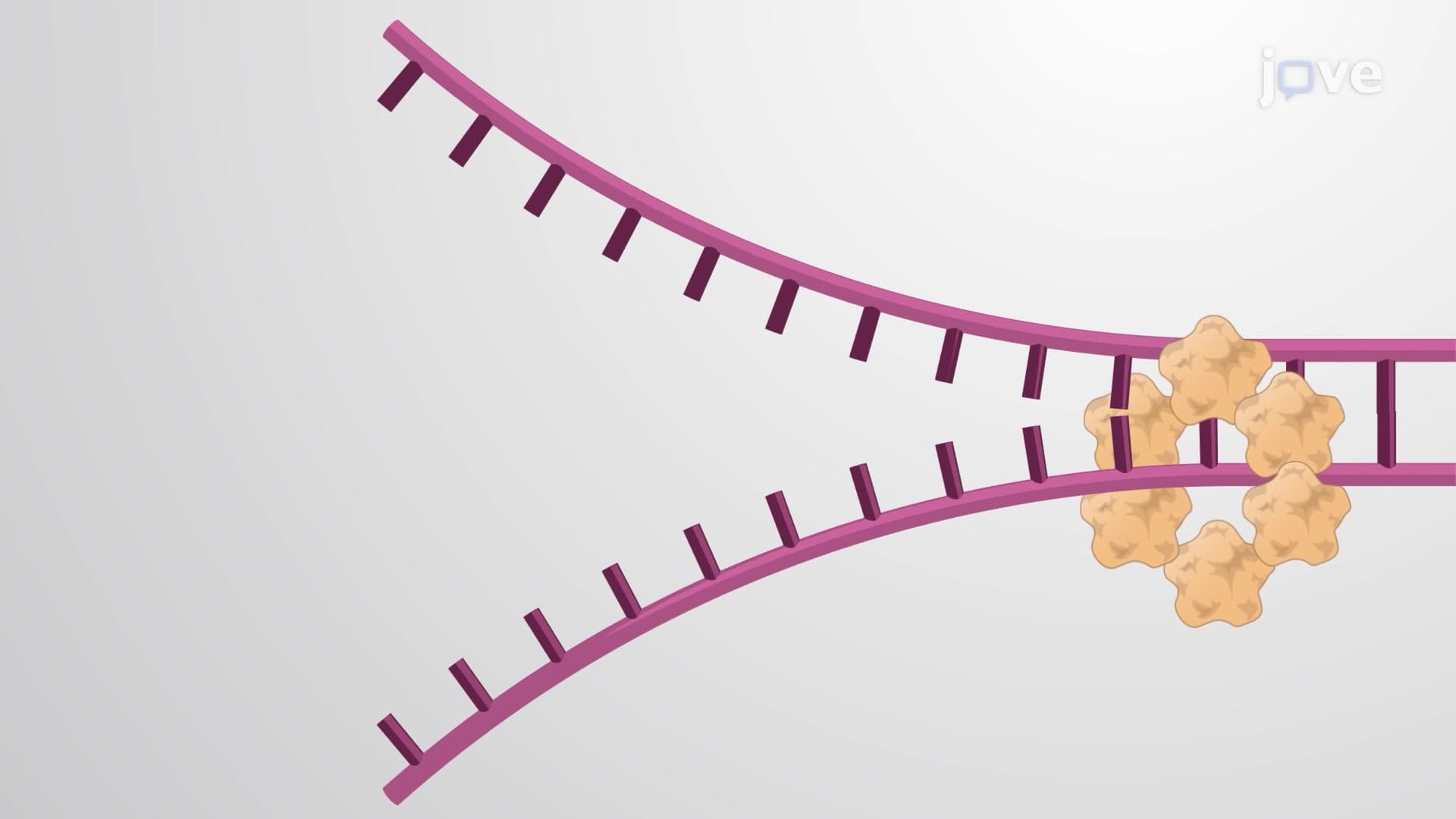
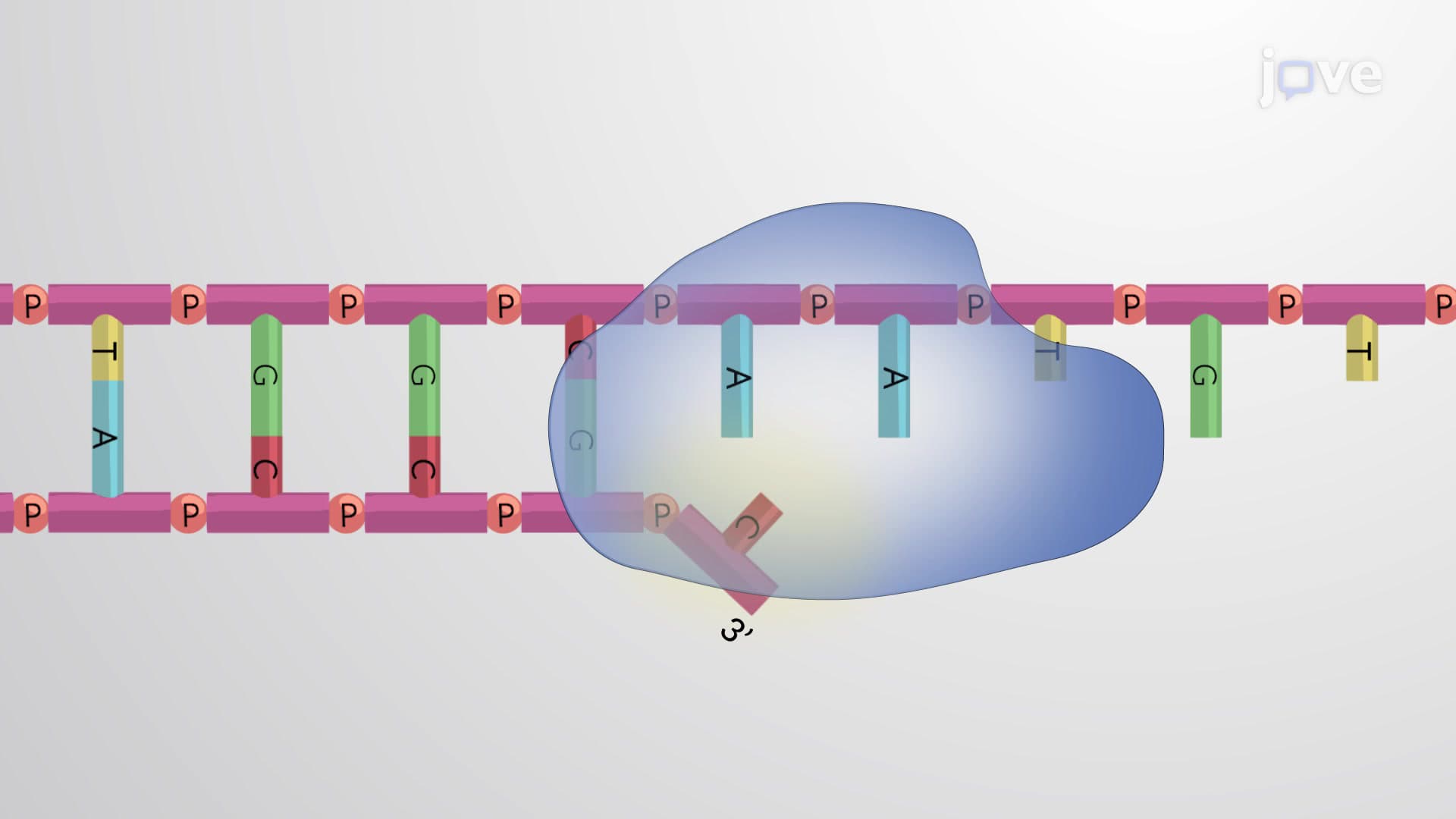
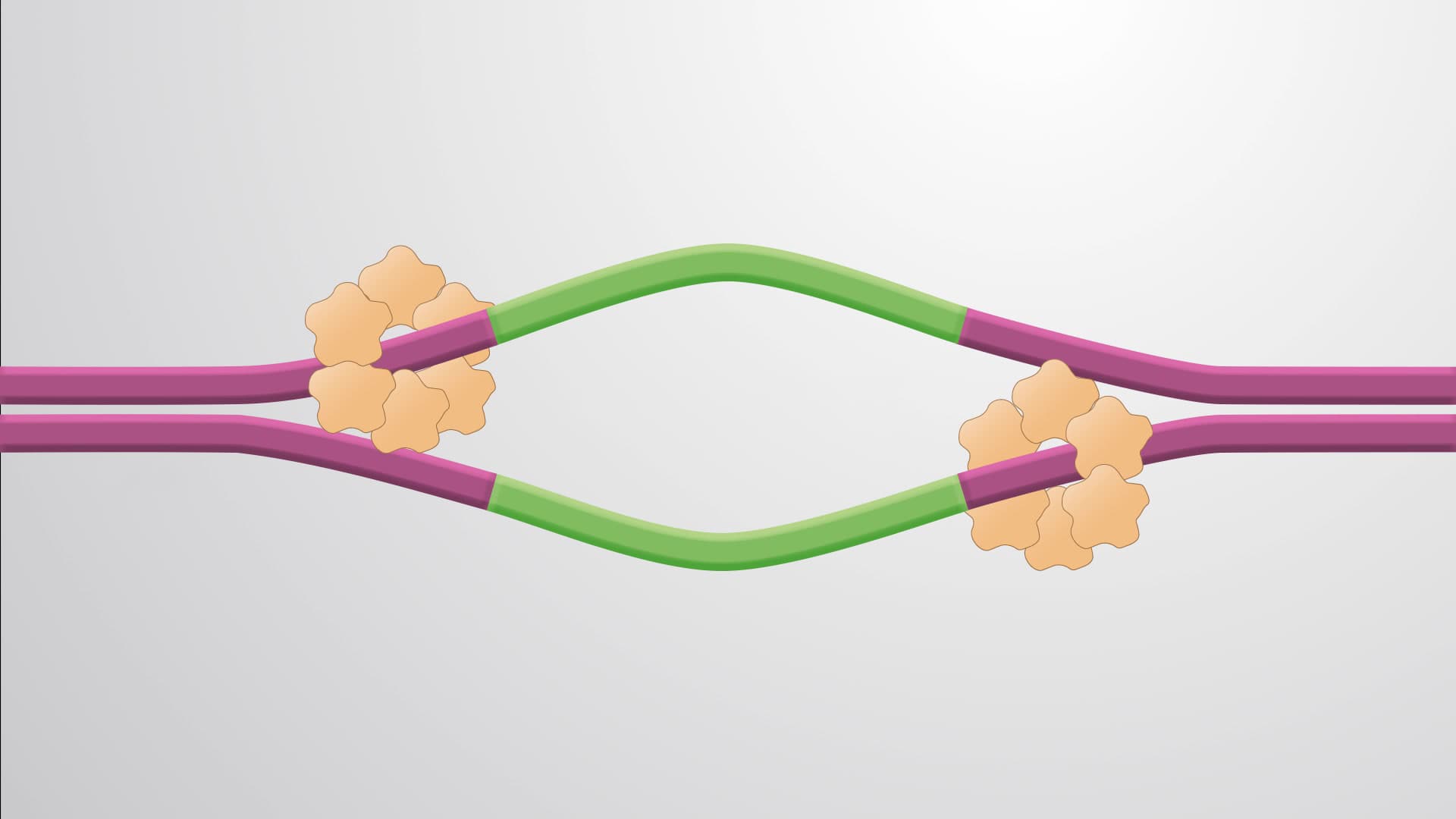
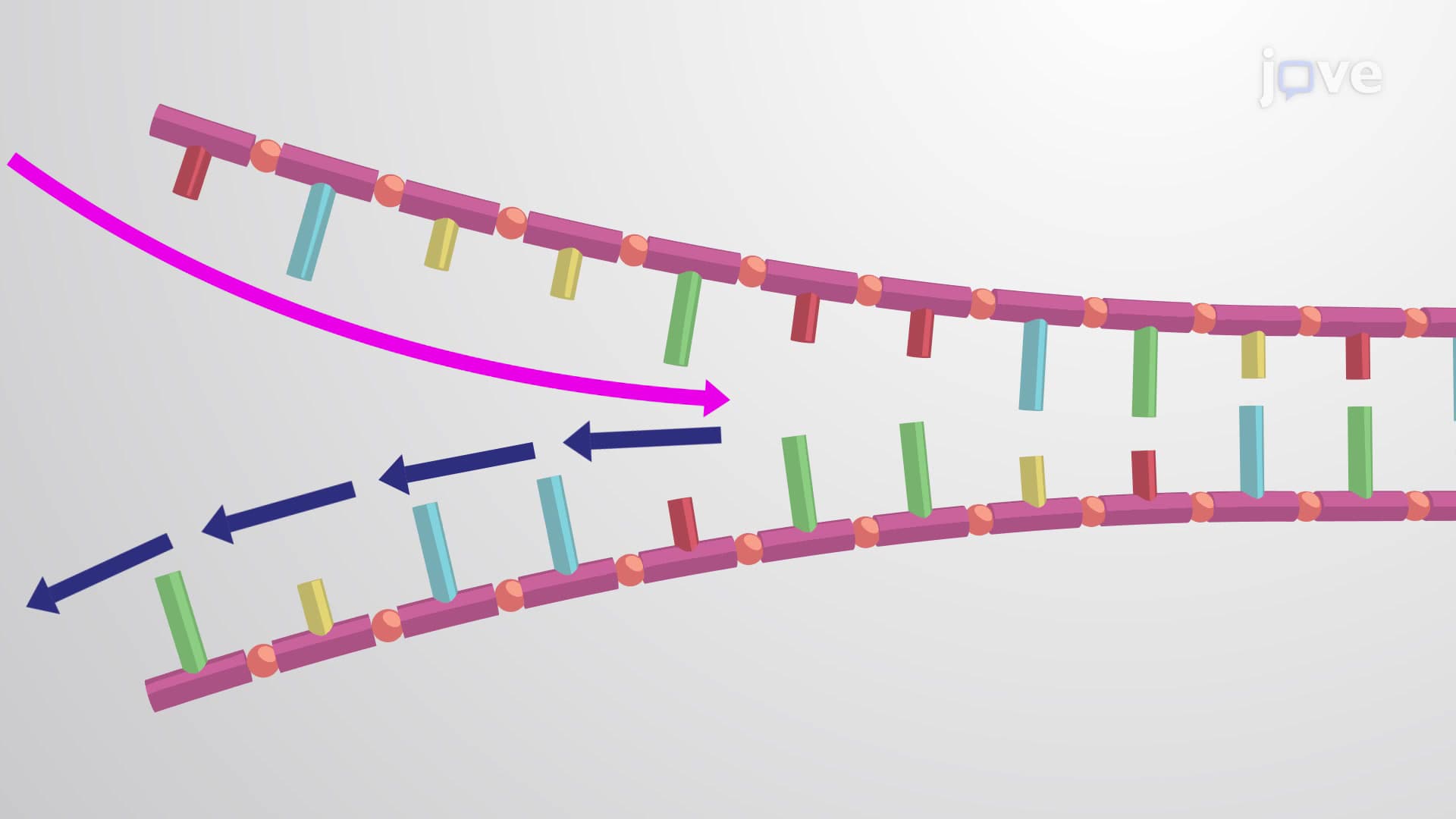
Lagging strand synthesis represents one of molecular biology's most elegant solutions to a directional constraint problem. DNA polymerase enzymes can only synthesize DNA in the 5' to 3' direction, yet during replication, both antiparallel strands must be copied simultaneously. While the leading strand grows continuously toward the replication fork, the lagging strand faces the opposite direction, requiring a completely different approach.
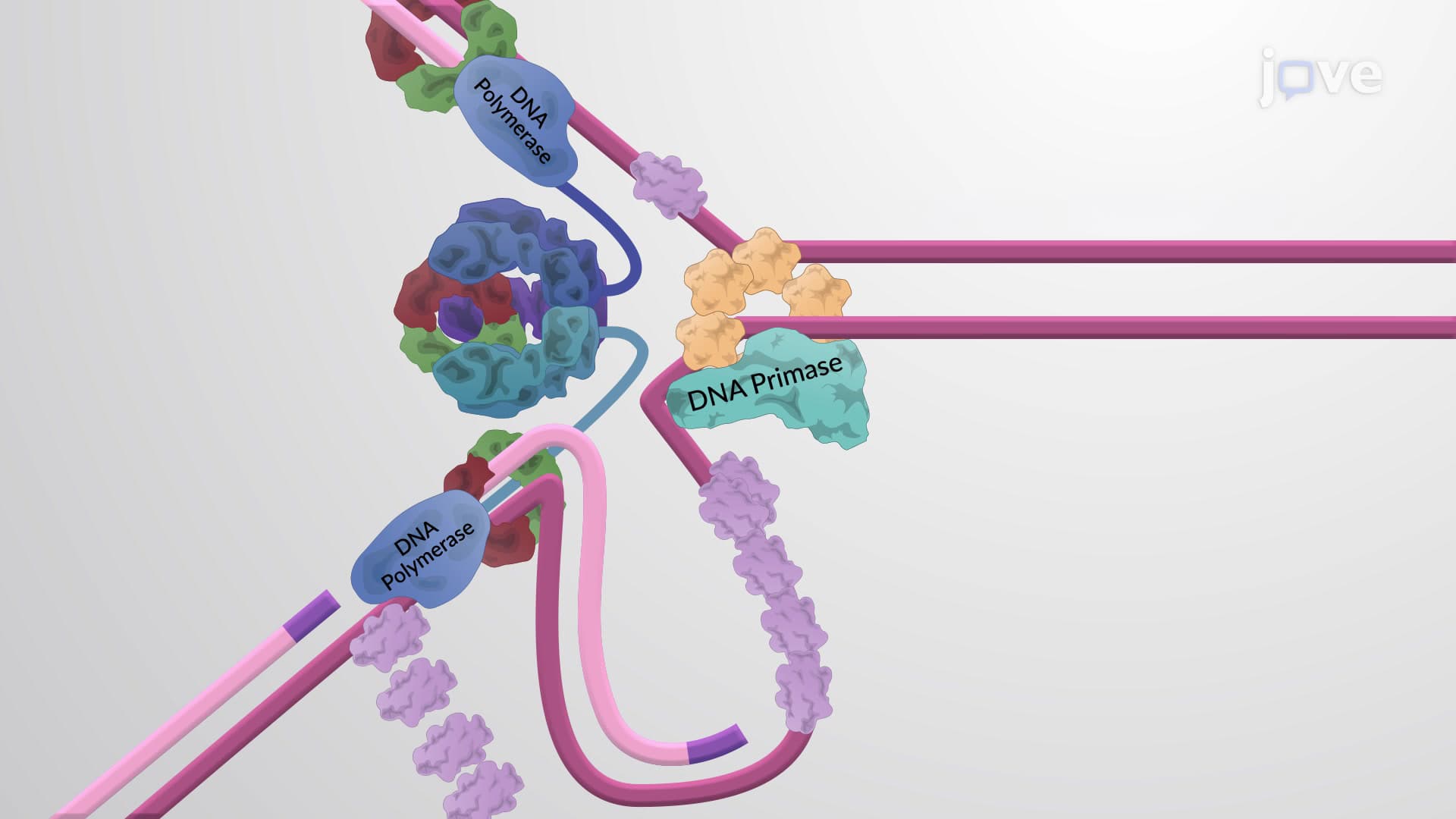
The lagging strand synthesis process creates short DNA segments called Okazaki fragments, typically 1,000-2,000 nucleotides long in eukaryotes. Each fragment begins when primase synthesizes a short RNA primer, providing the essential 3'-OH group that DNA polymerase requires to begin synthesis. This discontinuous process means that while the leading strand grows as one continuous piece, the lagging strand assembles from hundreds of these short segments.
Students preparing for the AP Biology exam should understand that this process requires exquisite timing and coordination. As the replication fork advances, new primers must be laid down repeatedly, and DNA polymerase must restart synthesis multiple times. This complexity explains why lagging strand synthesis is more error-prone than leading strand synthesis and requires additional proofreading mechanisms.
The completion of lagging strand synthesis involves a sophisticated handoff between enzymes. After DNA polymerase extends each Okazaki fragment, RNase H or the 5' to 3' exonuclease activity of DNA polymerase I removes the RNA primers. DNA polymerase I then fills in the gaps with DNA, and finally, DNA ligase seals the phosphodiester bonds between adjacent fragments.
This process is particularly relevant for pre-med students taking the MCAT, as defects in lagging strand synthesis contribute to cancer development. Researchers at major US cancer centers like MD Anderson and Memorial Sloan Kettering study how chemotherapy drugs exploit these replication vulnerabilities in rapidly dividing cancer cells.
Understanding lagging strand synthesis has revolutionized drug development strategies. Nucleoside analogs used in cancer chemotherapy, such as those developed by pharmaceutical companies in Research Triangle Park, North Carolina, specifically target cells undergoing active DNA replication. These drugs often interfere with lagging strand synthesis more than leading strand synthesis, making them particularly effective against fast-dividing tumor cells while sparing slower-dividing normal cells.
Related Micro-courses