Loading subject page…


210,025 views


Video Summary: What Is Mismatch Repair
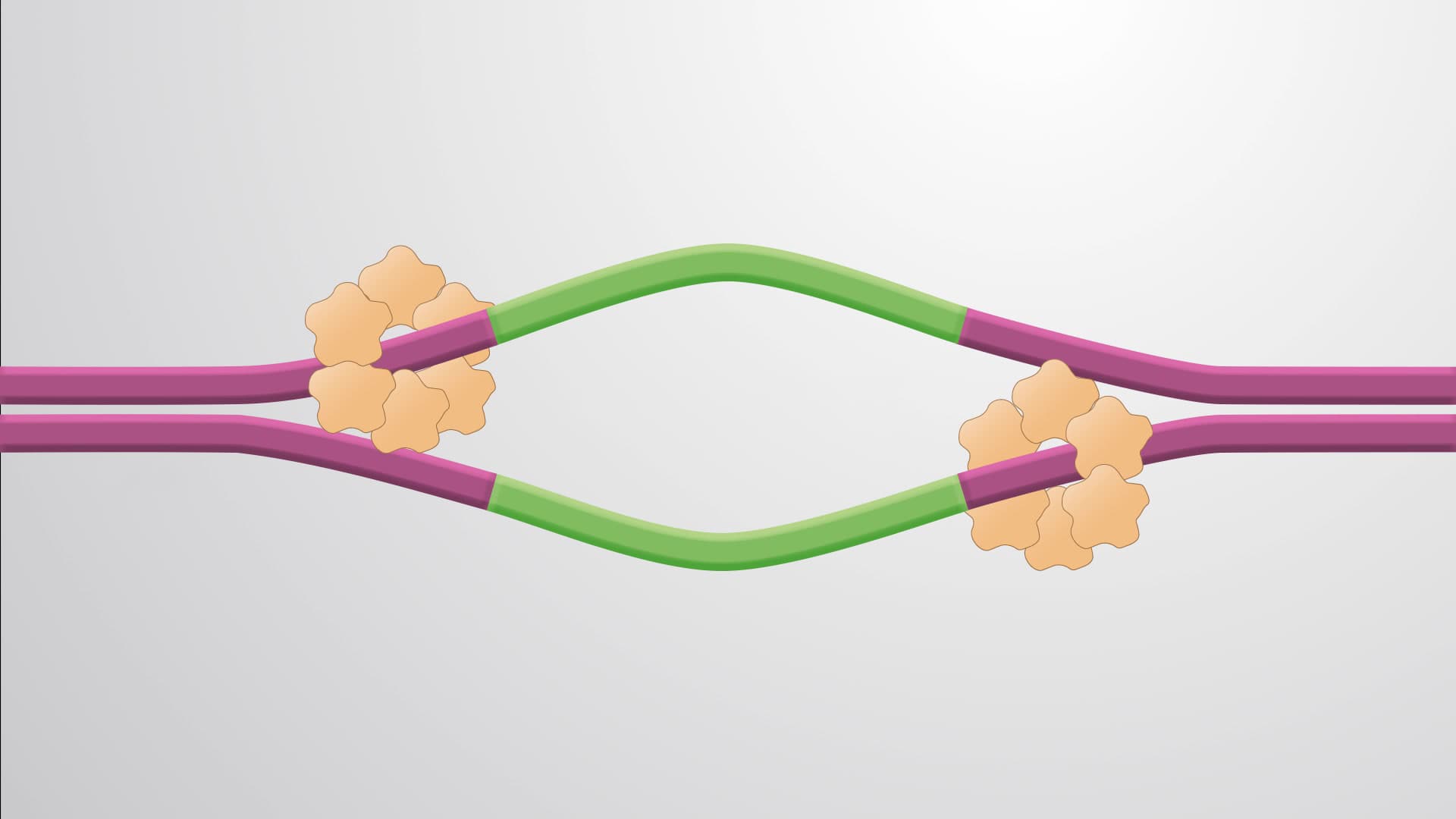
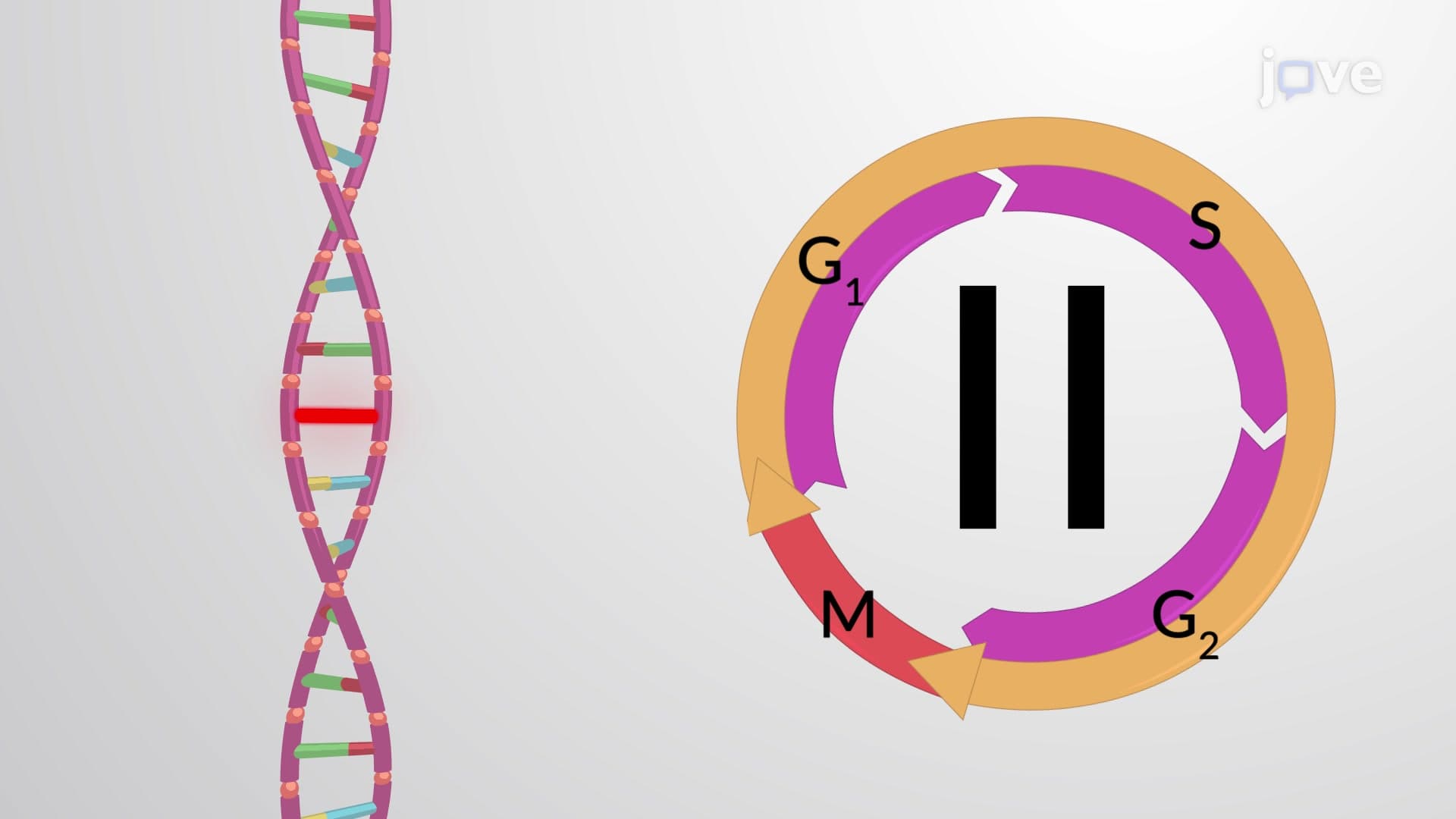
Did you know that your DNA makes about one copying error for every 10,000 nucleotides during replication? Mismatch repair is the cellular quality control system that catches and fixes these DNA copying mistakes that slip past initial proofreading. This process is critical in preventing genetic diseases like Lynch syndrome, which affects approximately 1 in 300 Americans and increases colorectal cancer risk. The mismatch repair mechanism involves specialized proteins that recognize incorrect base pairs, remove the error, and restore the correct DNA sequence. Watch the full video on JoVE Coach to master this concept with expert-led visuals and step-by-step explanations.
Mismatch repair represents one of biology's most sophisticated error-correction systems, serving as a crucial backup when DNA polymerase's proofreading function fails. While DNA polymerase achieves remarkable accuracy during replication, it still produces approximately one error per 10,000-100,000 nucleotides copied. Without mismatch repair, these errors would accumulate rapidly, leading to potentially catastrophic genetic instability.
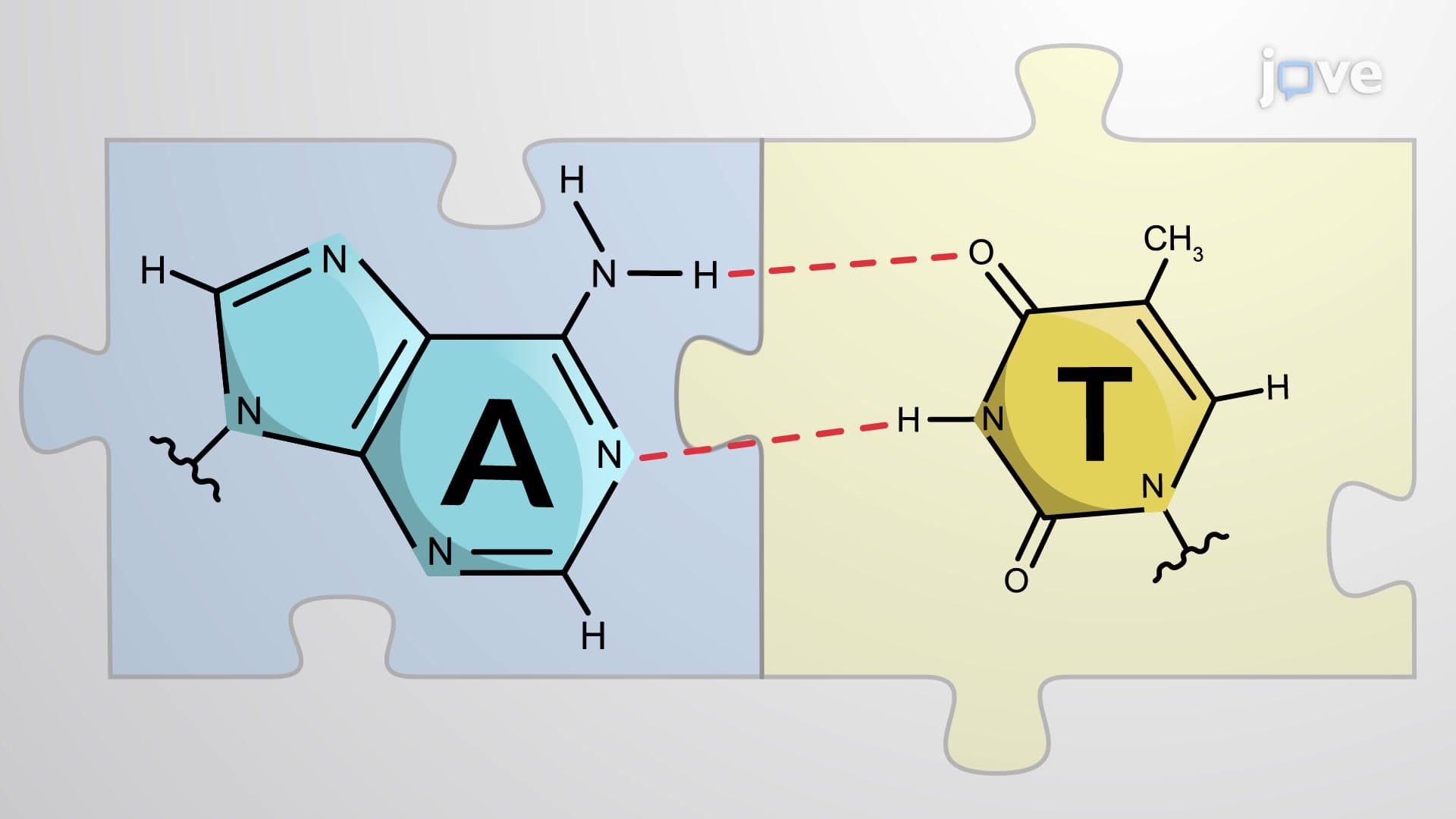
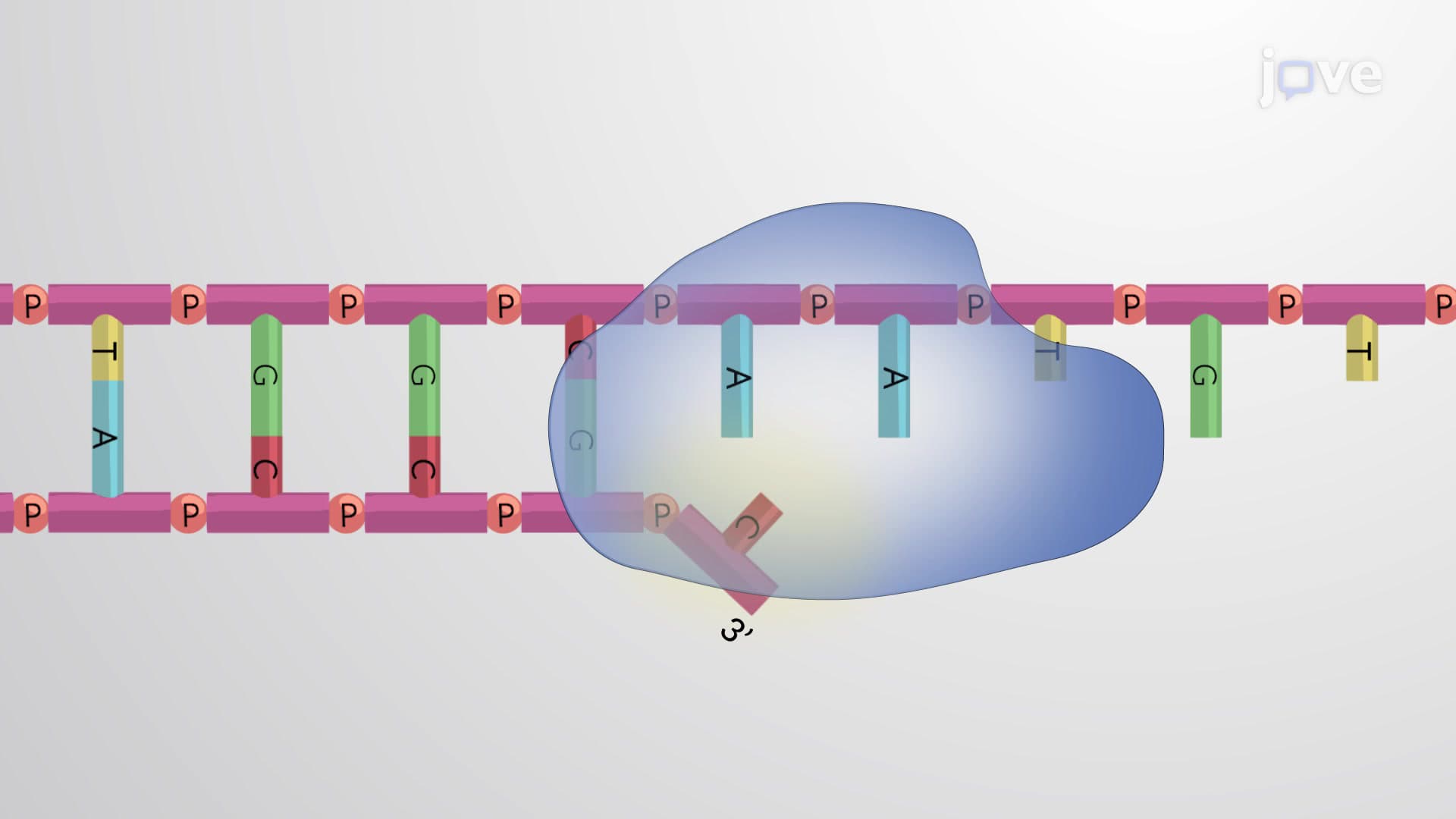
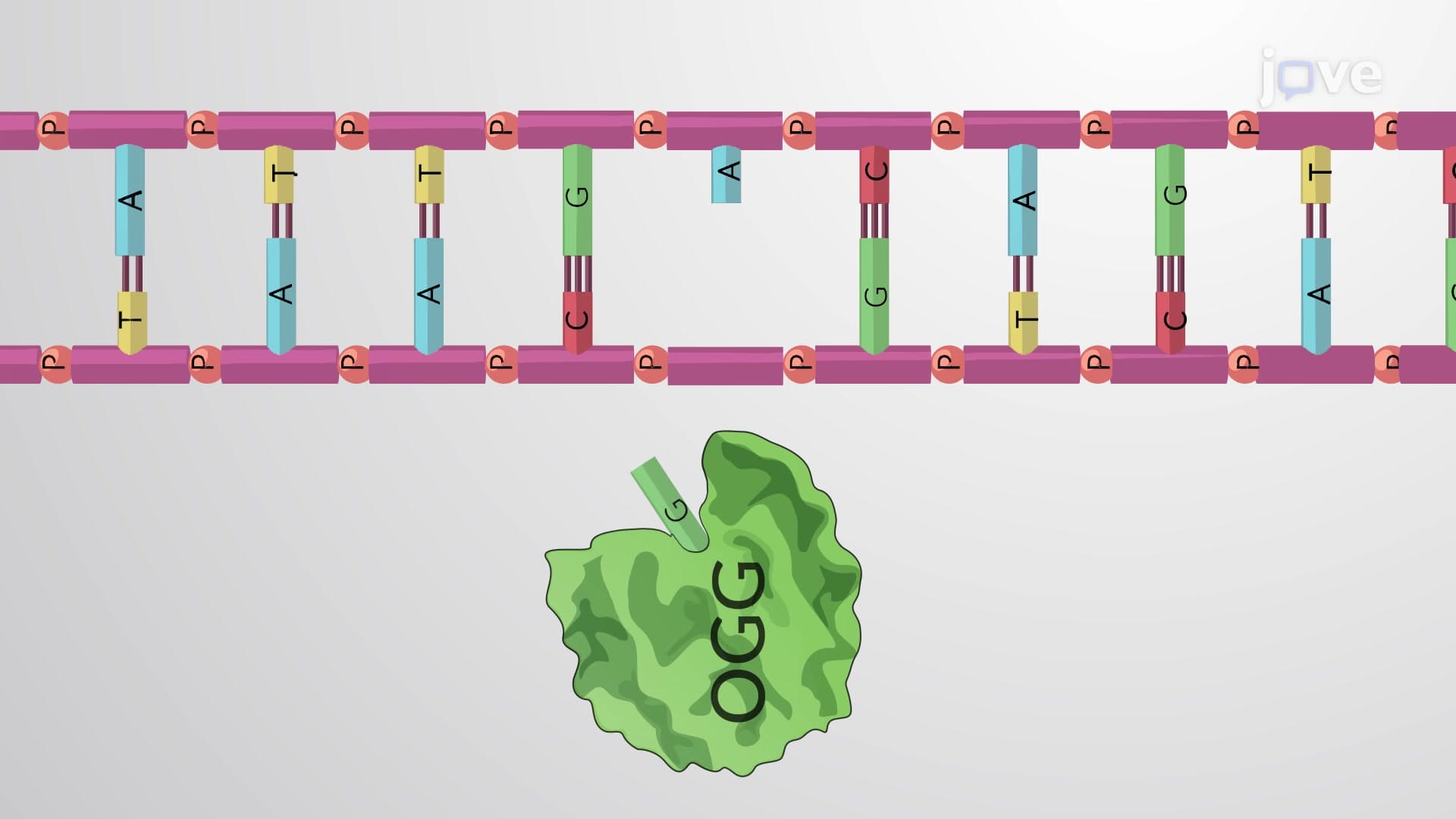
The process begins when mismatched base pairs-such as adenine incorrectly paired with cytosine instead of thymine-create subtle but detectable distortions in the DNA double helix structure. These structural anomalies serve as molecular signals that something has gone wrong during replication.
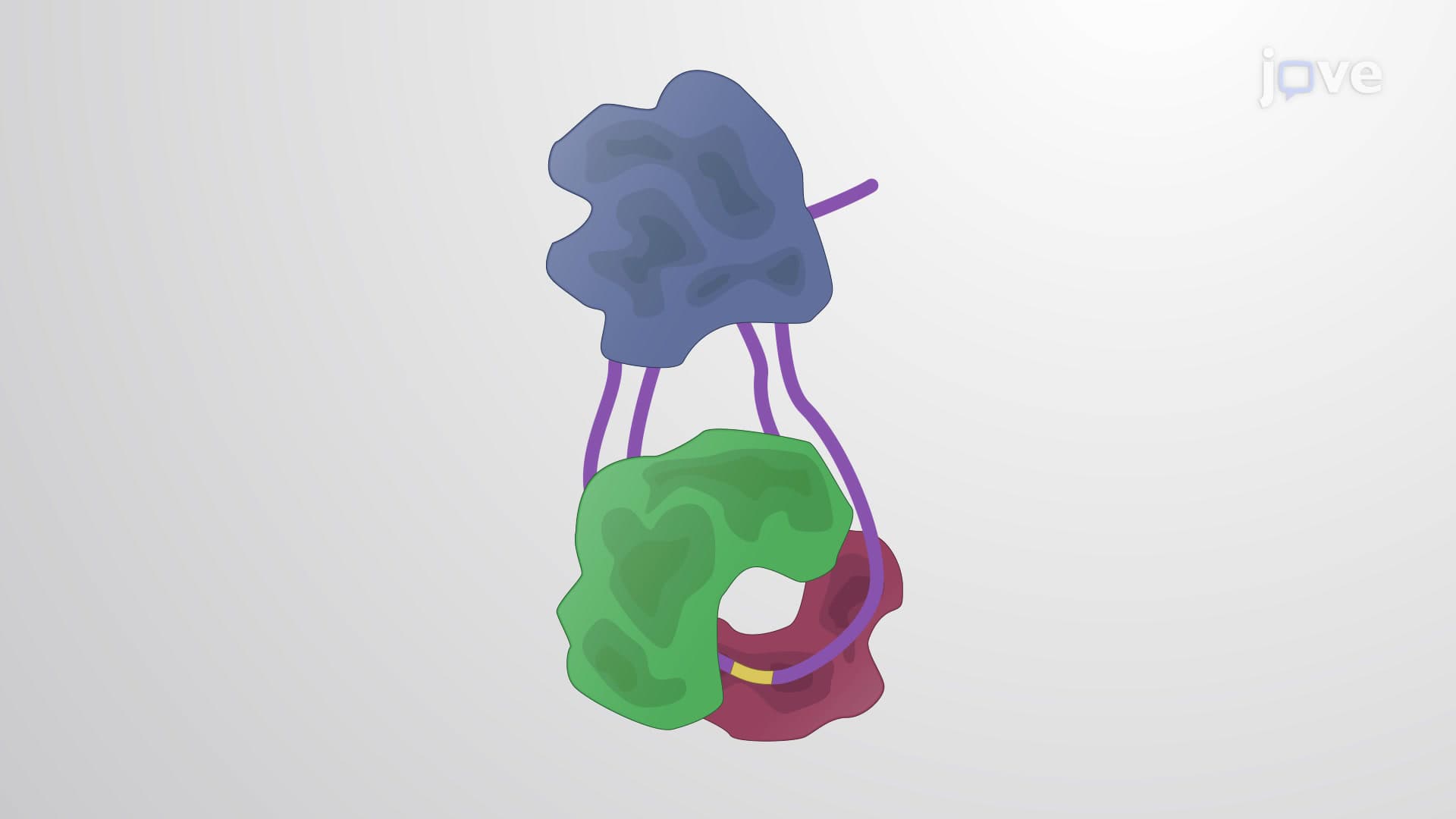
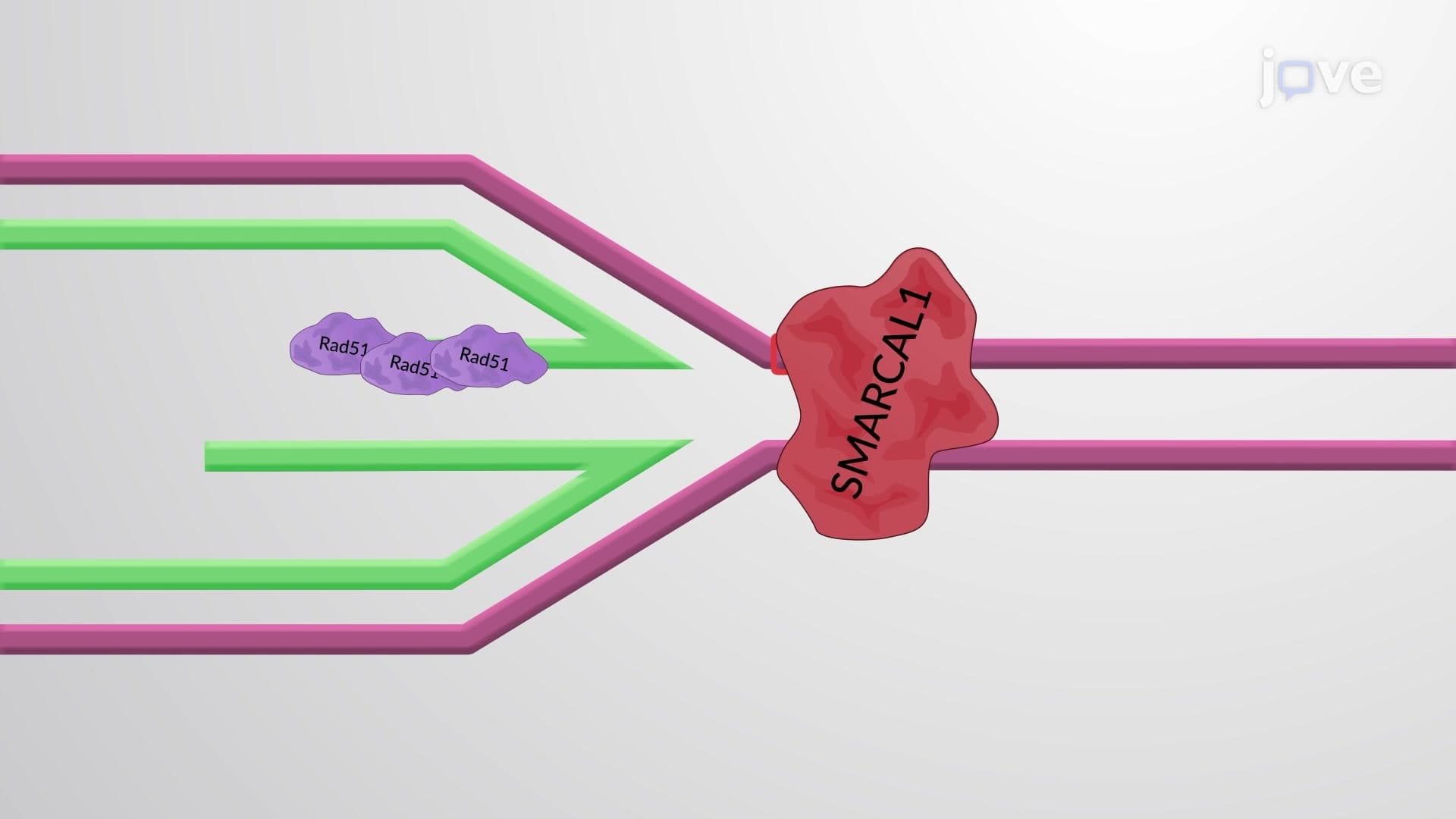
In *Escherichia coli*, the mismatch repair system operates through a coordinated series of protein interactions. The MutS protein acts as the system's "quality inspector," continuously scanning newly replicated DNA for structural irregularities. When MutS encounters a mismatch, it undergoes a conformational change that allows it to recruit MutL, forming the essential MutS-MutL complex.
This activated complex then stimulates MutH, an endonuclease that makes strategic cuts in the DNA. The key innovation here lies in how the system determines which strand contains the error-a critical decision that prevents the repair machinery from "fixing" the correct template strand instead of the error-containing new strand.
The methylation-based strand discrimination mechanism represents an elegant solution to a fundamental problem. In *E. coli*, adenine residues in GATC sequences become methylated by the Dam methylase enzyme. However, this methylation doesn't occur immediately after replication, creating a temporary window where the newly synthesized strand remains unmethylated while the template strand retains its methyl groups.
MutH recognizes this methylation difference and specifically nicks the unmethylated (newly synthesized) strand at GATC sites. This targeted approach ensures that the repair process removes the actual error rather than the correct sequence from the template strand.
Understanding mismatch repair has profound implications for human health. Hereditary nonpolyposis colorectal cancer (HNPCC), also known as Lynch syndrome, results from mutations in human mismatch repair genes like MLH1, MSH2, MSH6, and PMS2. Patients with these mutations show dramatically increased rates of colorectal, endometrial, and other cancers.
For students preparing for the MCAT or advanced placement biology exams, mismatch repair frequently appears in genetics and molecular biology sections. The AP Biology exam often includes questions about DNA repair mechanisms, particularly focusing on how cells maintain genetic fidelity through multiple overlapping systems.
Related Micro-courses