Loading subject page…


210,025 views

Video Summary: What Is Nucleotide Excision Repair
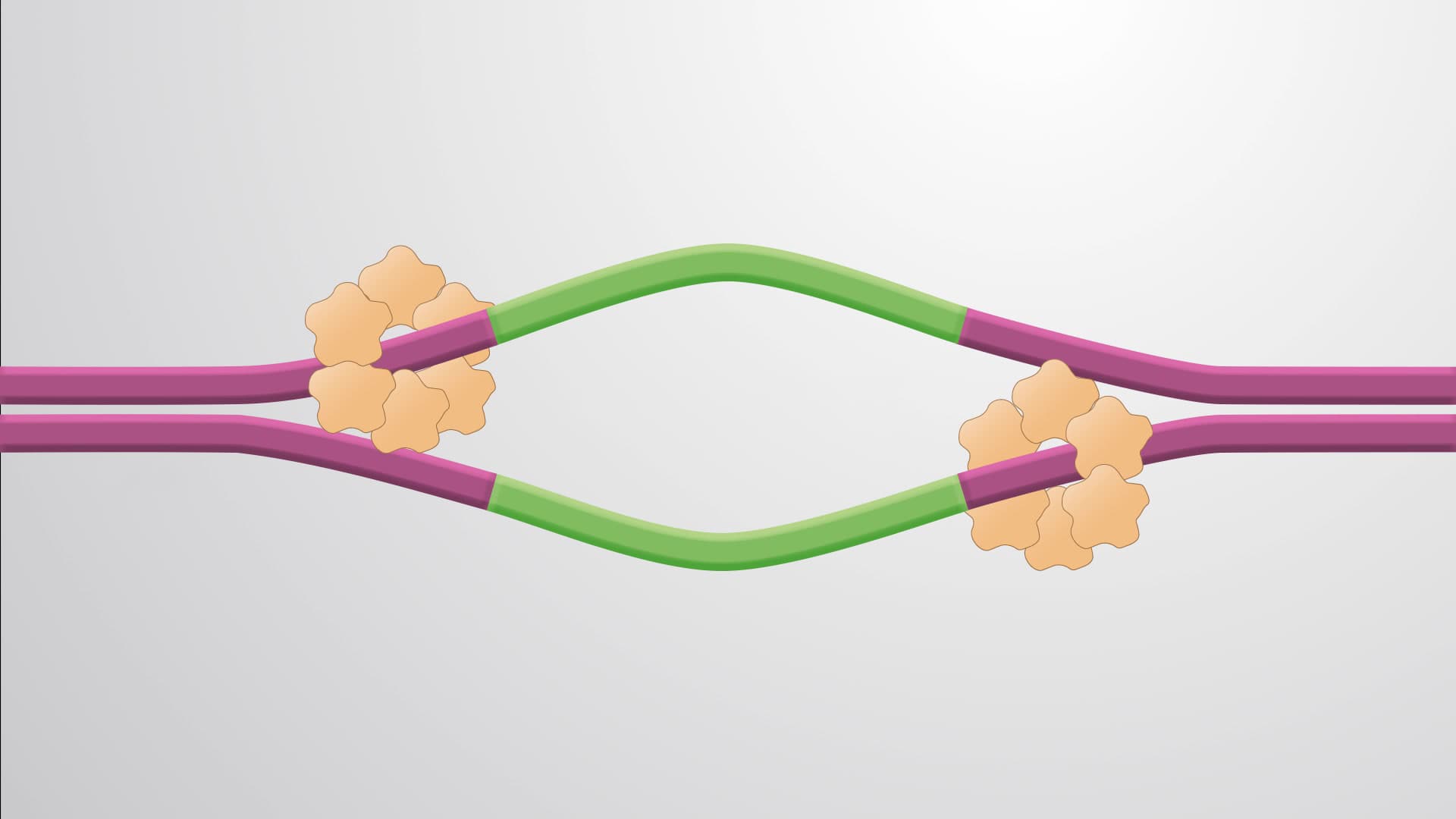
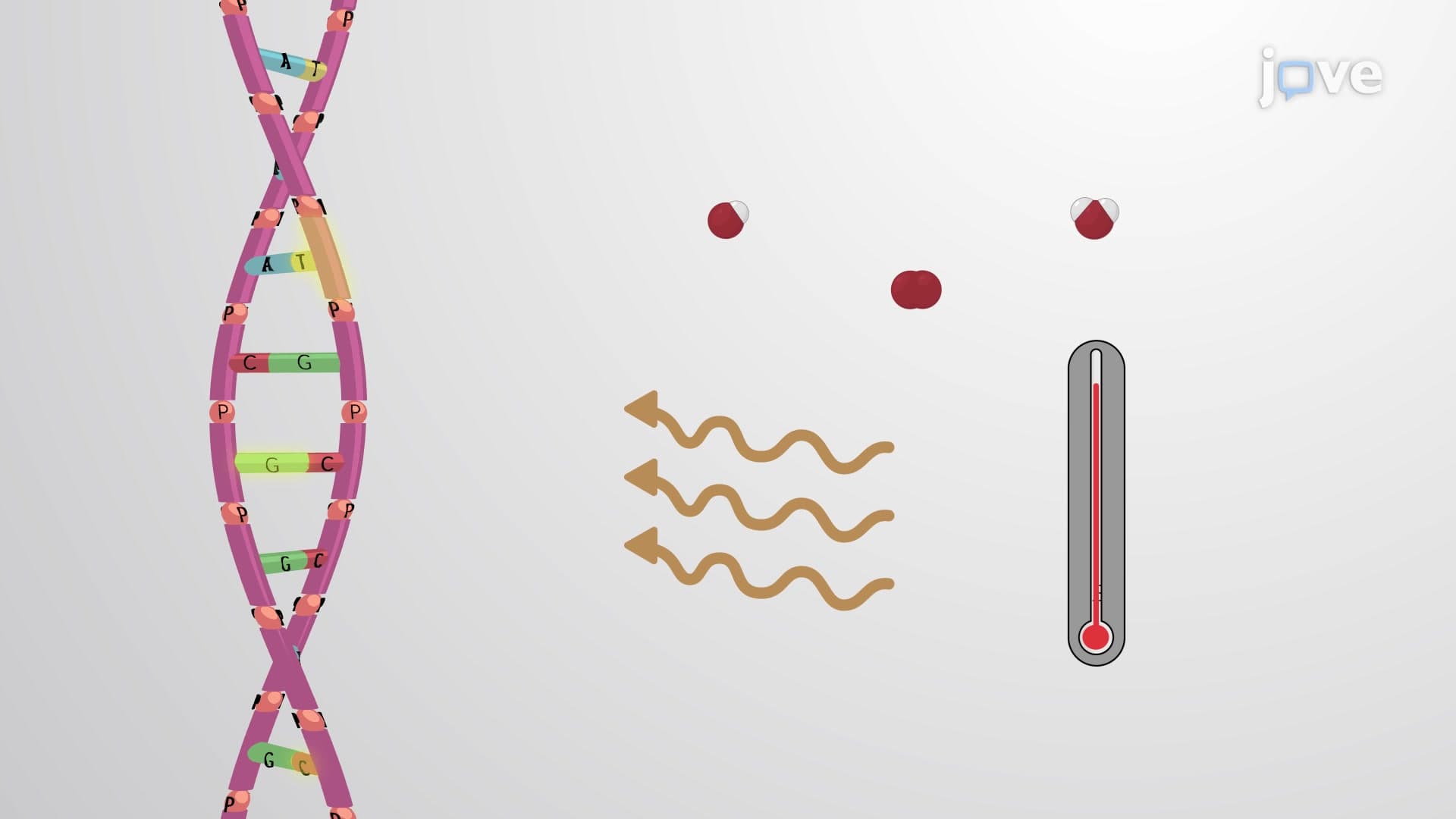
Every day, your DNA faces a barrage of damage from UV rays when you step outside or chemical carcinogens in everyday products. Nucleotide excision repair is your cellular defense system that identifies and removes these bulky DNA lesions before they can cause cancer or genetic mutations. For instance, when beachgoers get sunburned in California, their cells are actively using this repair mechanism to fix UV-induced DNA damage. This sophisticated molecular process involves specialized proteins that scan, cut, and replace damaged DNA segments with pristine genetic material. Watch the full video on JoVE Coach to master this concept with expert-led visuals and step-by-step explanations.
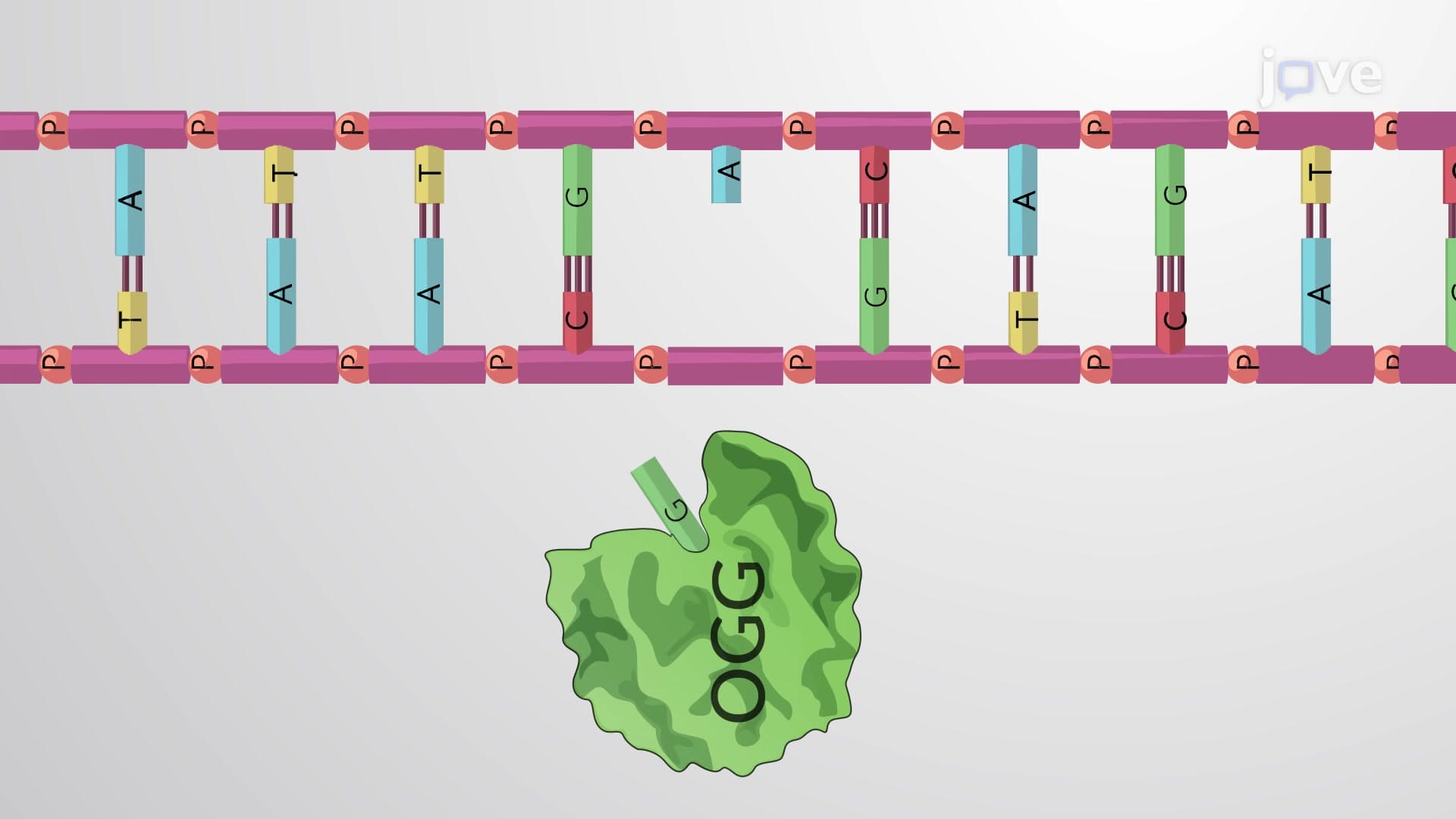
Nucleotide excision repair represents one of the most versatile DNA repair systems in living organisms, capable of removing a wide variety of bulky DNA lesions that distort the double helix structure. Unlike other repair mechanisms that target specific base modifications, NER recognizes structural distortions in the DNA backbone, making it essential for cellular survival in environments rich with DNA-damaging agents.
The repair process becomes particularly relevant for students preparing for the MCAT or AP Biology exams, where understanding DNA repair mechanisms frequently appears in molecular biology sections. In the United States, skin cancer rates have increased dramatically due to UV exposure, making NER a critical topic in medical and biological education.
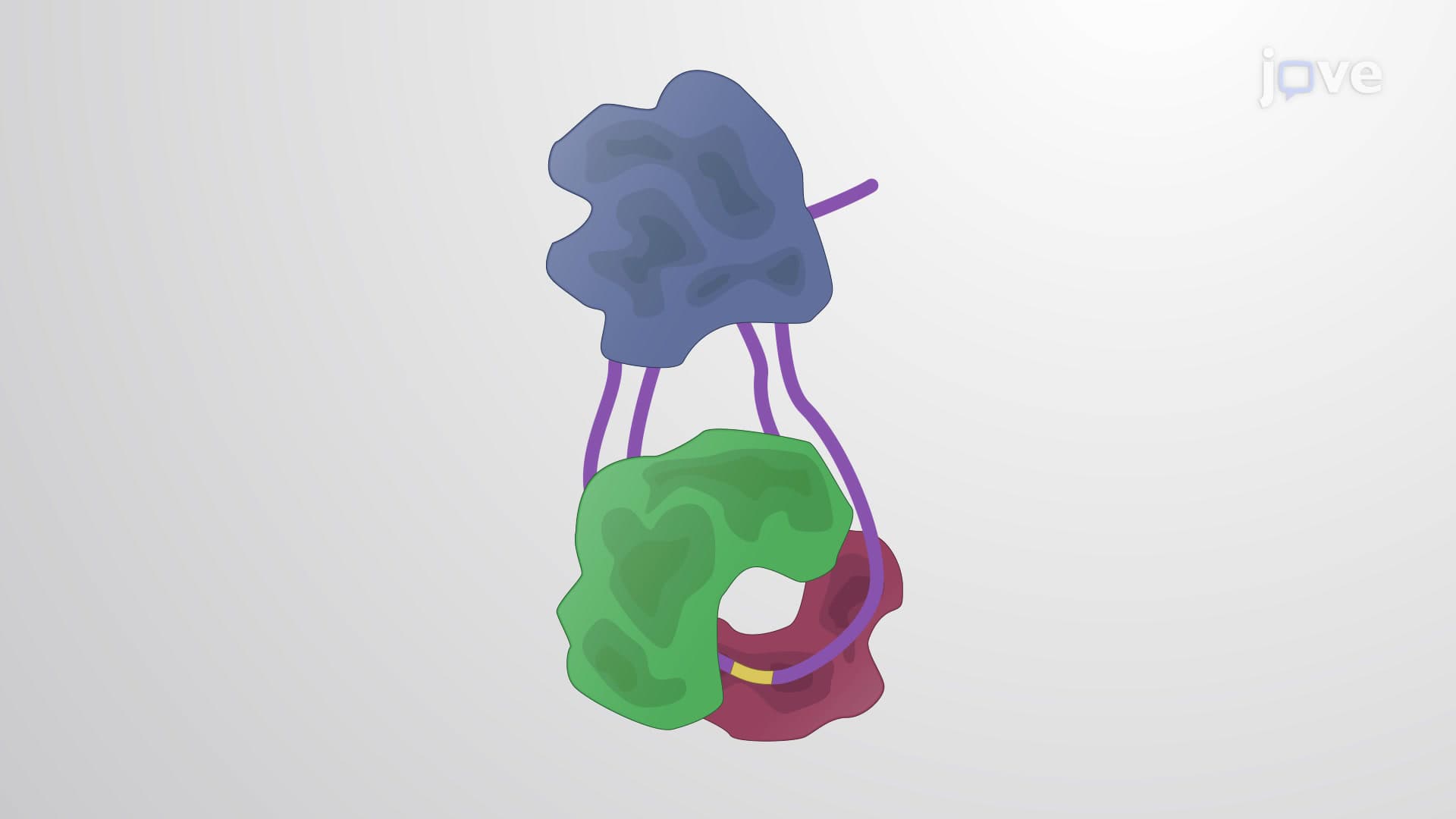
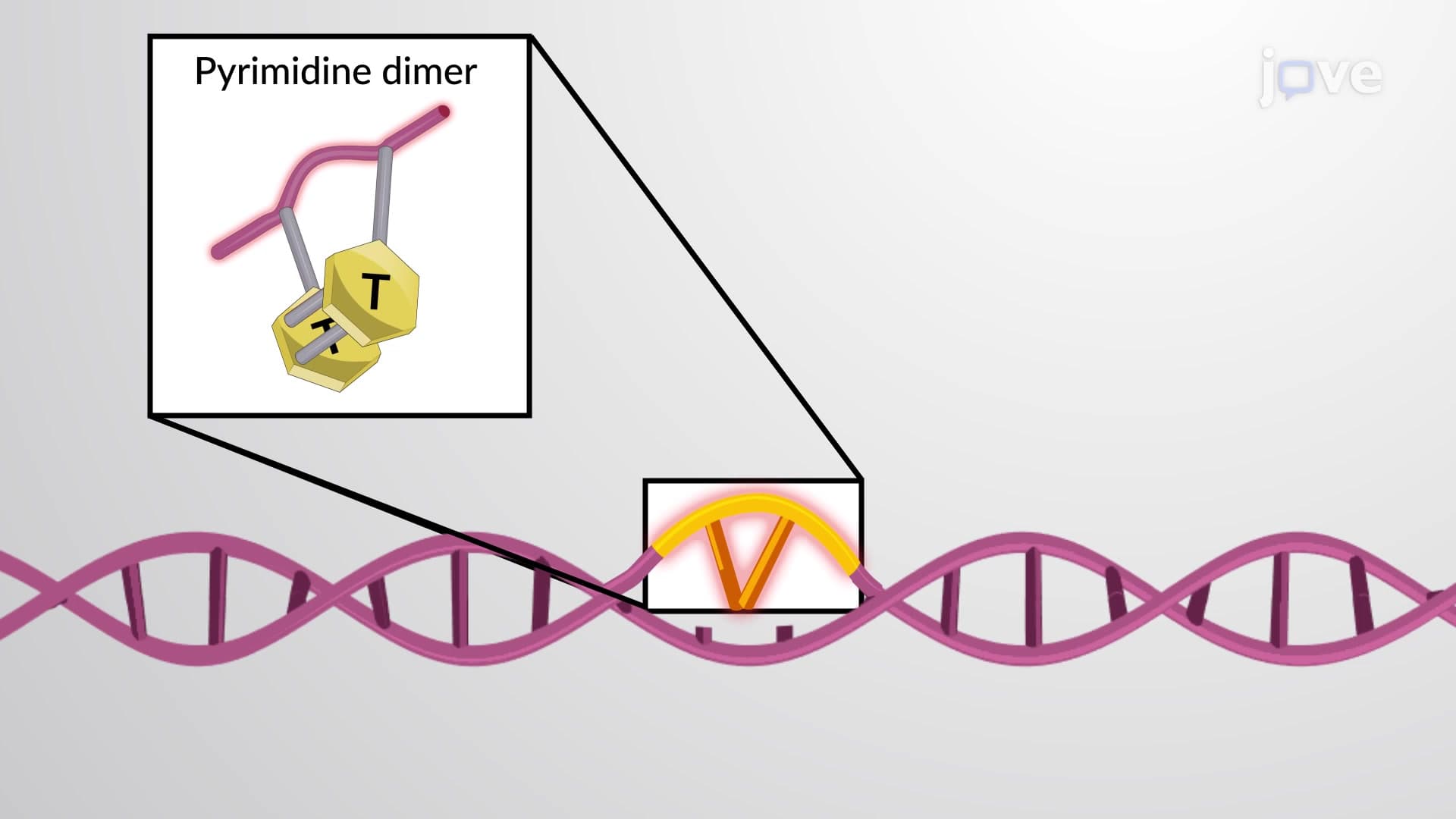
The bacterial NER system, primarily studied in *E. coli*, involves four main proteins working in sequential coordination. The UvrA-UvrB complex initially scans DNA through a process called "damage recognition," where these proteins bind to and probe the DNA structure for irregularities. This scanning mechanism can detect various lesions, from UV-induced pyrimidine dimers to chemical adducts formed by carcinogens like those found in tobacco smoke.
When UvrB encounters damaged DNA, it undergoes a conformational change that displaces UvrA and locks onto the lesion site. This protein binding creates a nucleoprotein complex that serves as a platform for recruiting UvrC endonuclease. The precision of this system is remarkable-UvrC makes dual incisions exactly 12-13 nucleotides apart, creating a defined excision patch that removes the damaged region.
Beyond global genome repair, cells have evolved transcription-coupled nucleotide excision repair (TC-NER) as a quality control mechanism during gene expression. When RNA polymerase encounters DNA damage during transcription, it stalls and directly recruits repair machinery to the lesion site. This process ensures that actively transcribed genes-often the most critical for cell survival-receive priority repair attention.
This concept frequently appears in college-level molecular biology courses and advanced placement exams, where students must understand how cells balance DNA repair with ongoing cellular processes. TC-NER demonstrates the sophisticated regulatory networks that coordinate DNA metabolism with gene expression.
In humans, NER deficiencies lead to severe genetic disorders, most notably xeroderma pigmentosum (XP), which affects approximately 1 in 250,000 Americans. XP patients exhibit extreme UV sensitivity and thousand-fold increased skin cancer risk, illustrating NER's protective role. Understanding these conditions helps pre-med students grasp the medical significance of DNA repair mechanisms for MCAT preparation and future clinical practice.
Research institutions like the National Cancer Institute have extensively studied how NER affects chemotherapy responses, since many cancer drugs work by creating DNA lesions that overwhelm cellular repair capacity.
Related Micro-courses