Loading video…


 17 Concepts
 210.1K views

Video Summary: What Is Overview of DNA Repair
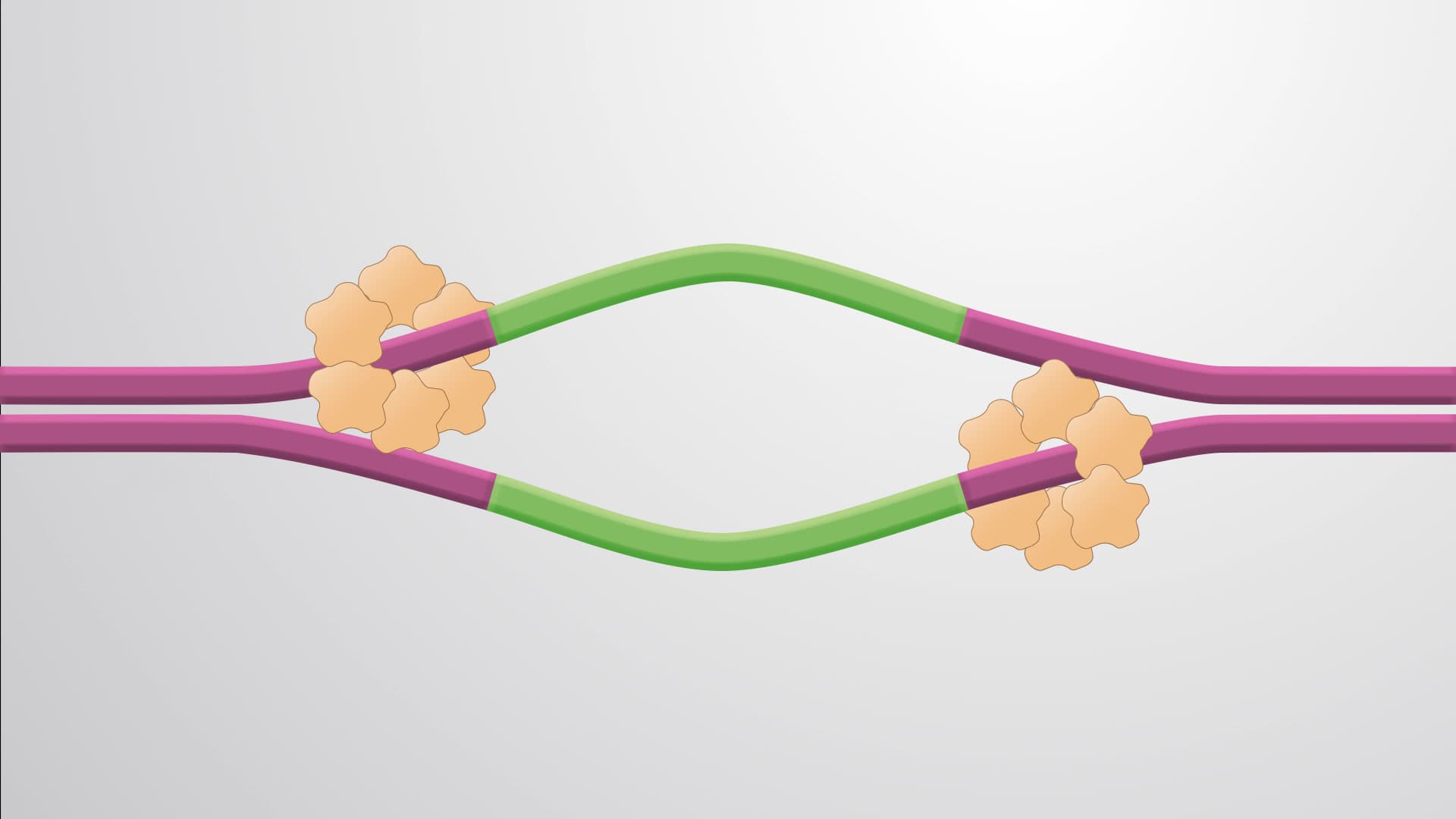
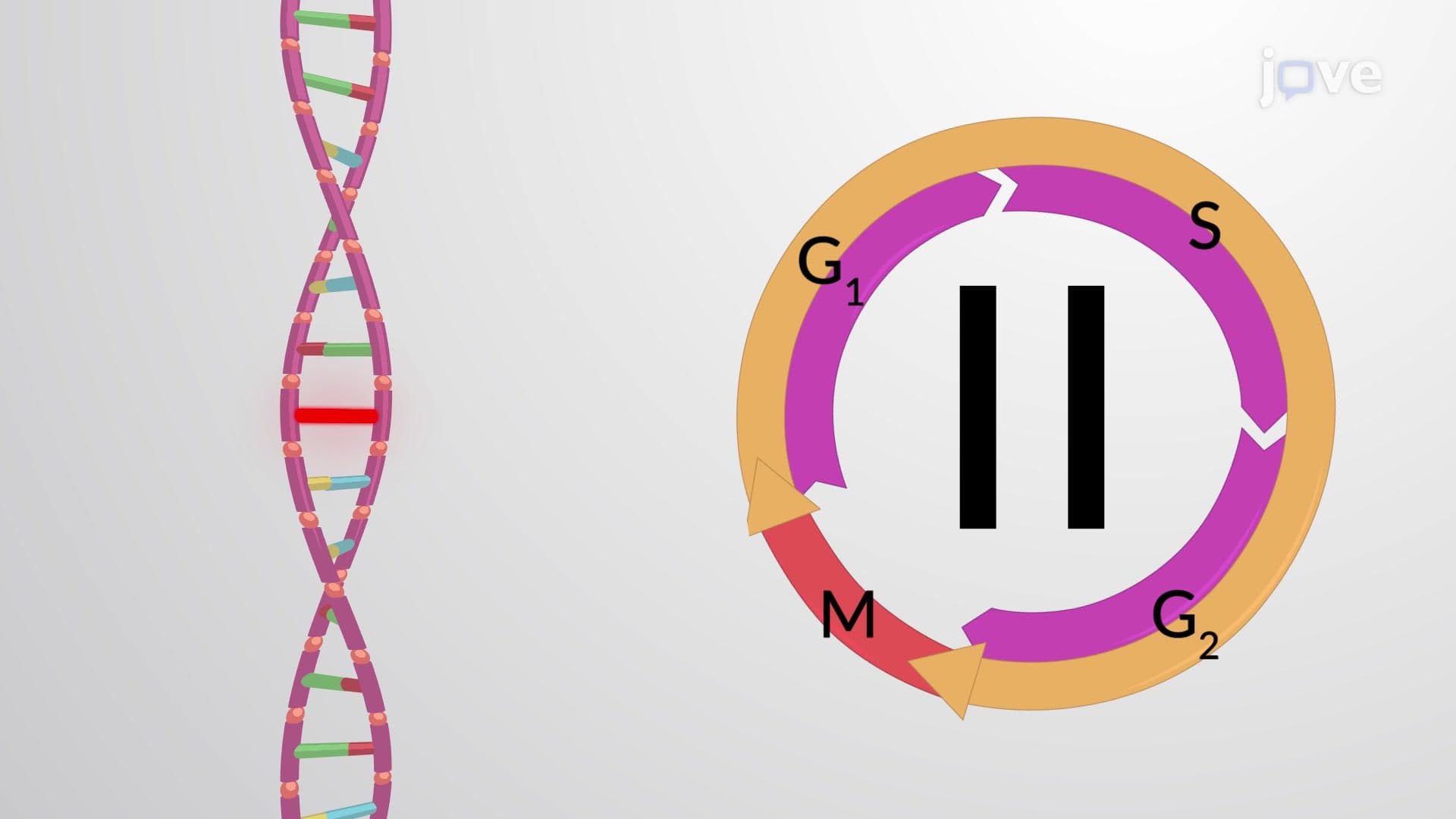
Did you know that your DNA sustains over 10,000 damaging hits every single day, yet you're still alive and healthy? Understanding the overview of DNA repair reveals how cells employ sophisticated molecular machinery to detect and fix genetic damage before it causes mutations or cancer. From UV radiation damage in skin cells to chemotherapy-induced breaks in cancer treatment at MD Anderson Cancer Center, these repair systems work around the clock to preserve genetic integrity. Watch the full video on JoVE Coach to master this concept with expert-led visuals and step-by-step explanations.
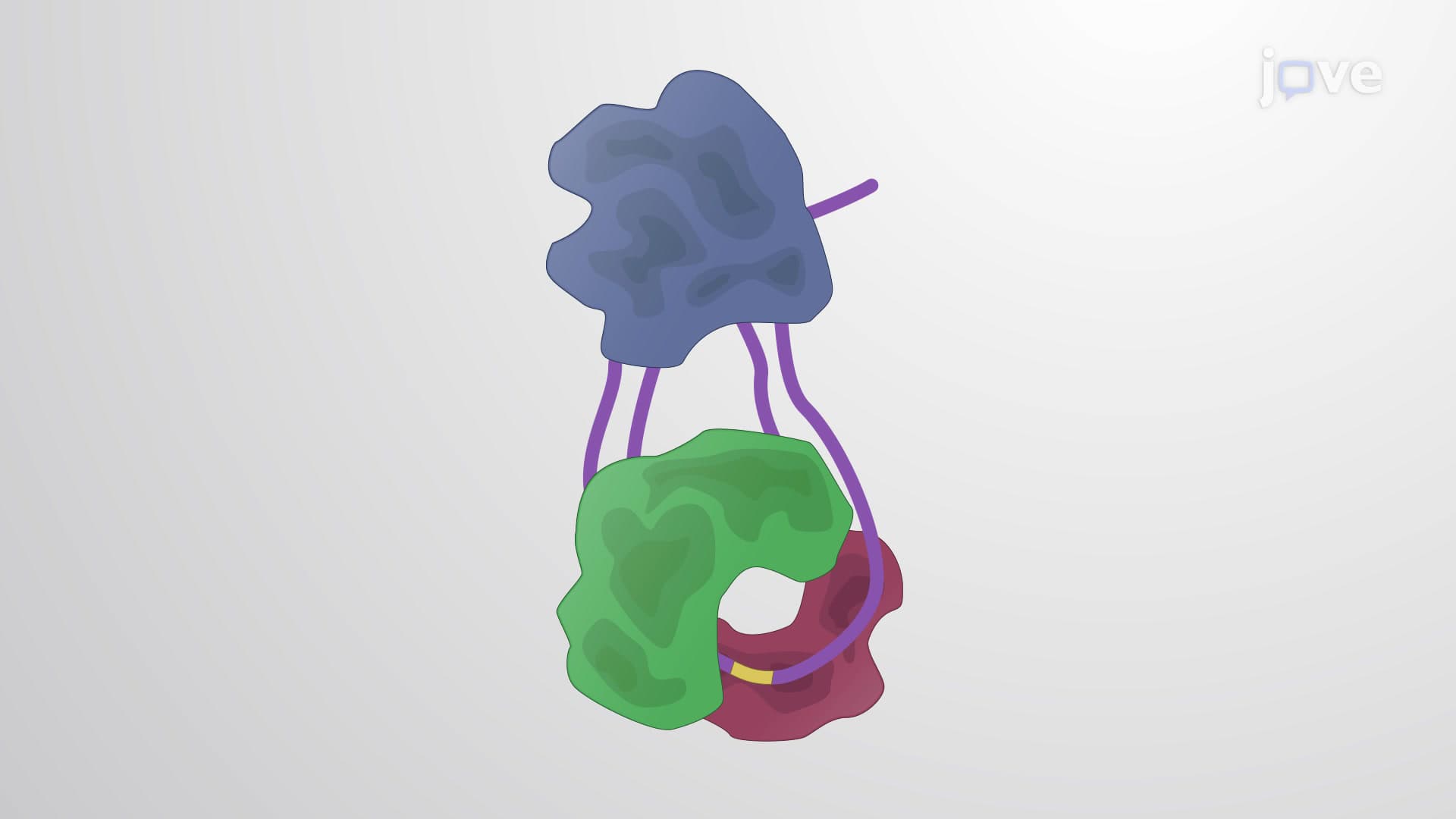
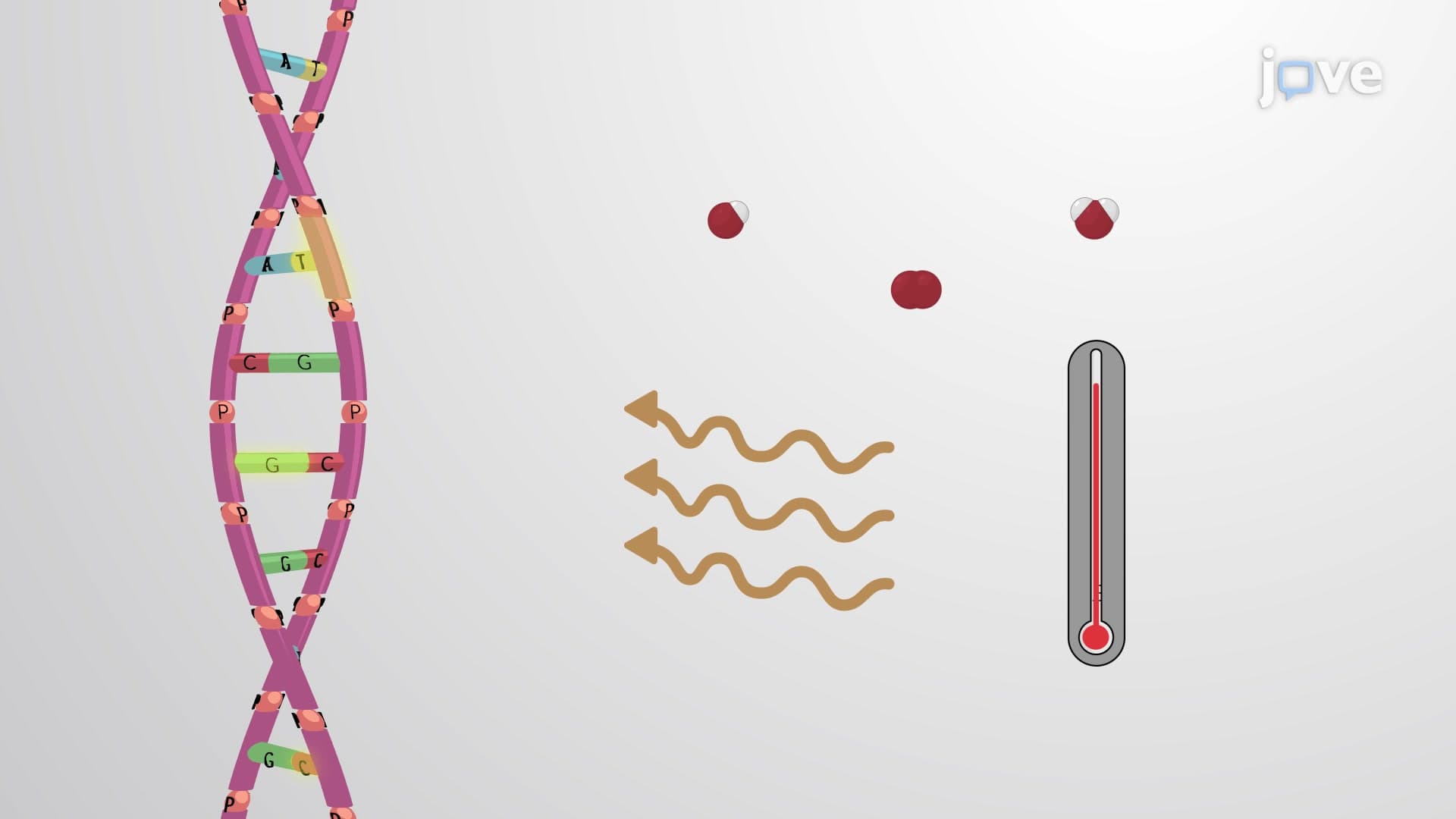
The overview of DNA repair encompasses the coordinated network of cellular mechanisms that detect, signal, and correct DNA damage to maintain genetic fidelity. These systems evolved as essential safeguards against the constant barrage of DNA-damaging agents, from metabolic byproducts like reactive oxygen species to environmental mutagens such as UV radiation and industrial chemicals.
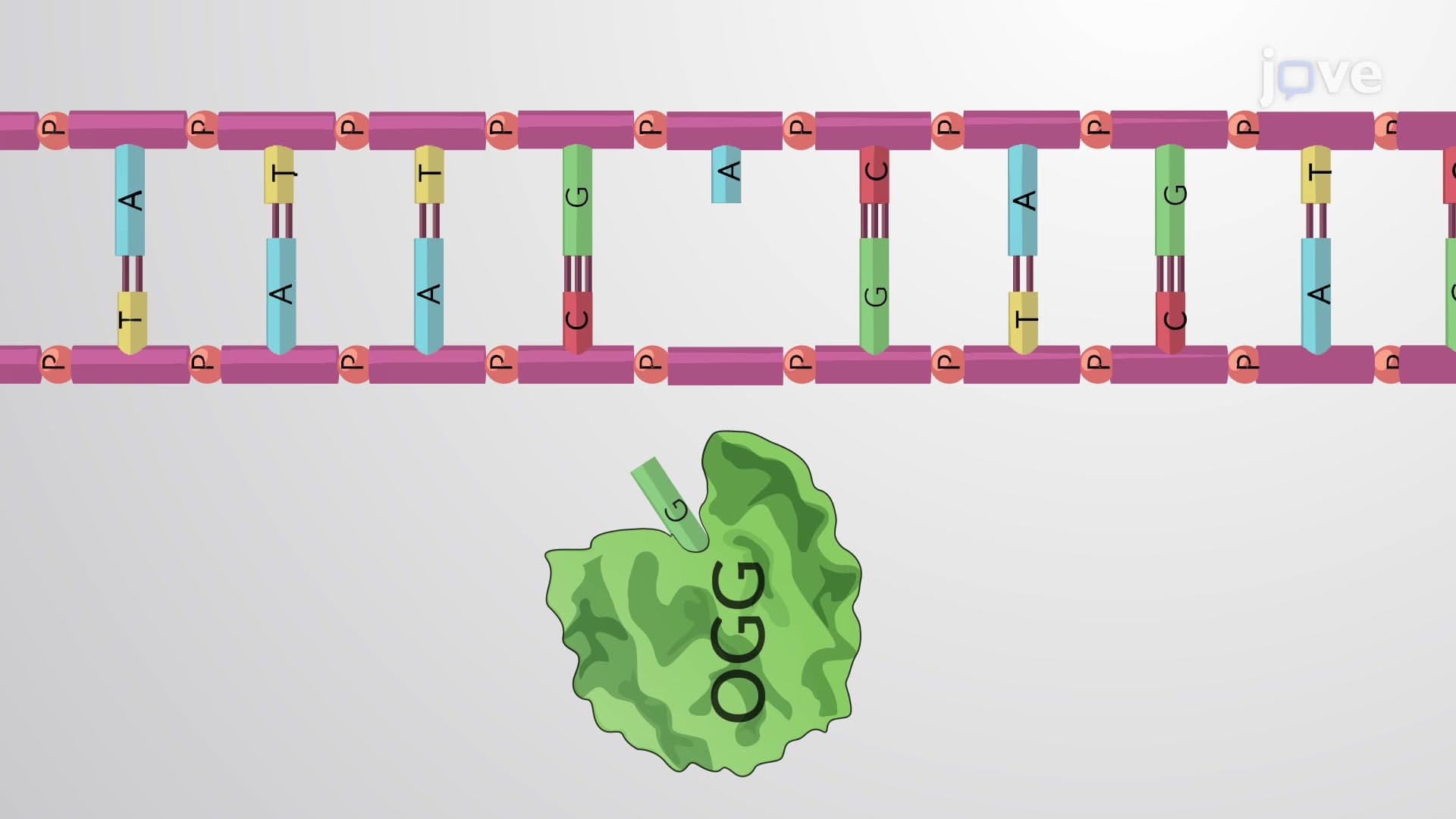
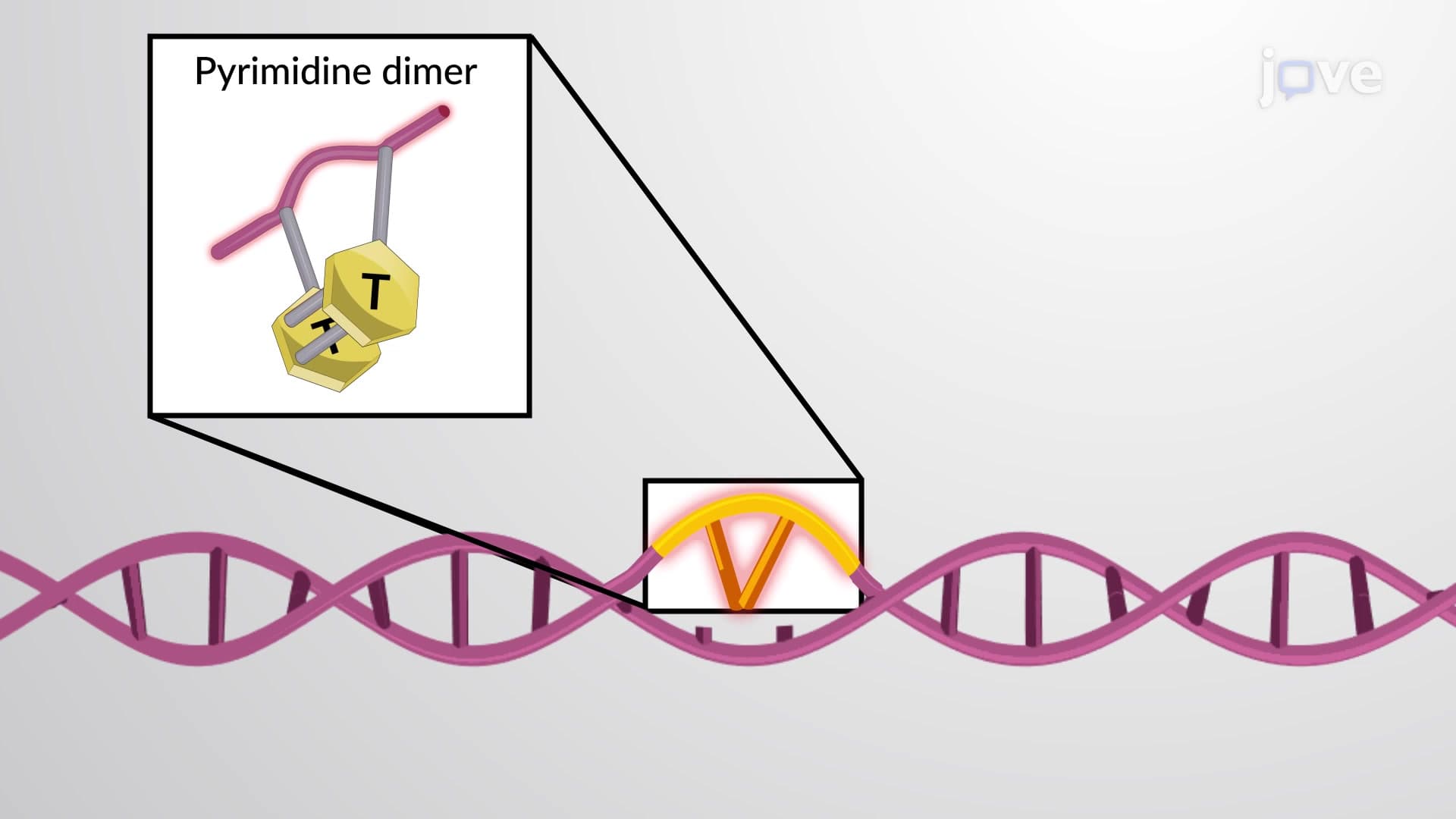
DNA repair pathways can be broadly categorized based on the type of damage they address. Base excision repair (BER) handles small, non-helix-distorting lesions like oxidized bases and alkylation damage. This pathway is crucial for repairing damage from normal cellular metabolism and is particularly active in neurons and other post-mitotic cells. Nucleotide excision repair (NER) tackles bulky DNA adducts that distort the double helix, including UV-induced pyrimidine dimers and chemical crosslinks from chemotherapy drugs like cisplatin.
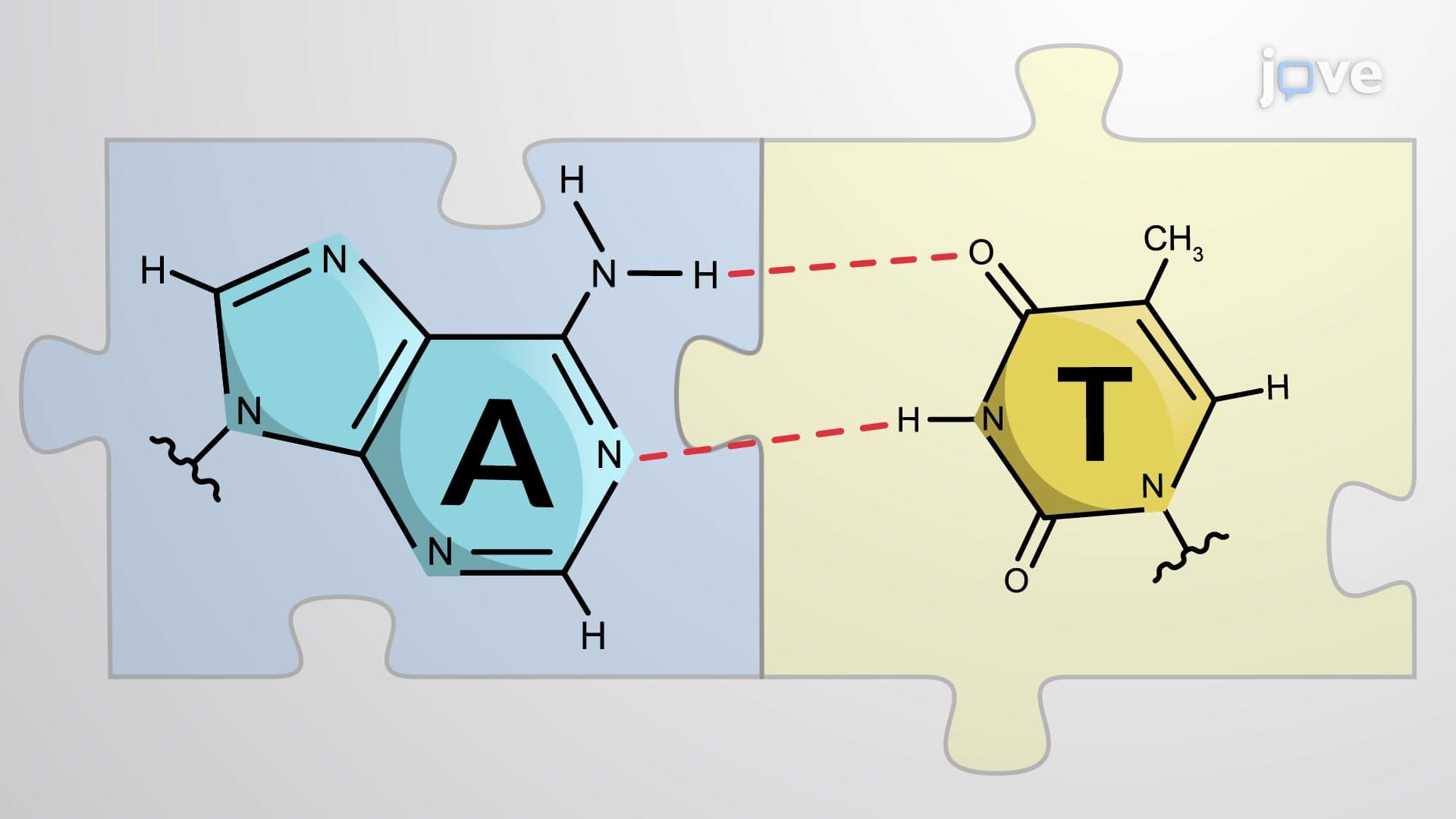
Mismatch repair (MMR) corrects replication errors that escape DNA polymerase proofreading, including base-base mismatches and small insertion-deletion loops. Defects in MMR genes MLH1, MSH2, MSH6, and PMS2 cause Lynch syndrome, the most common hereditary colorectal cancer syndrome affecting approximately 1 in 300 Americans.
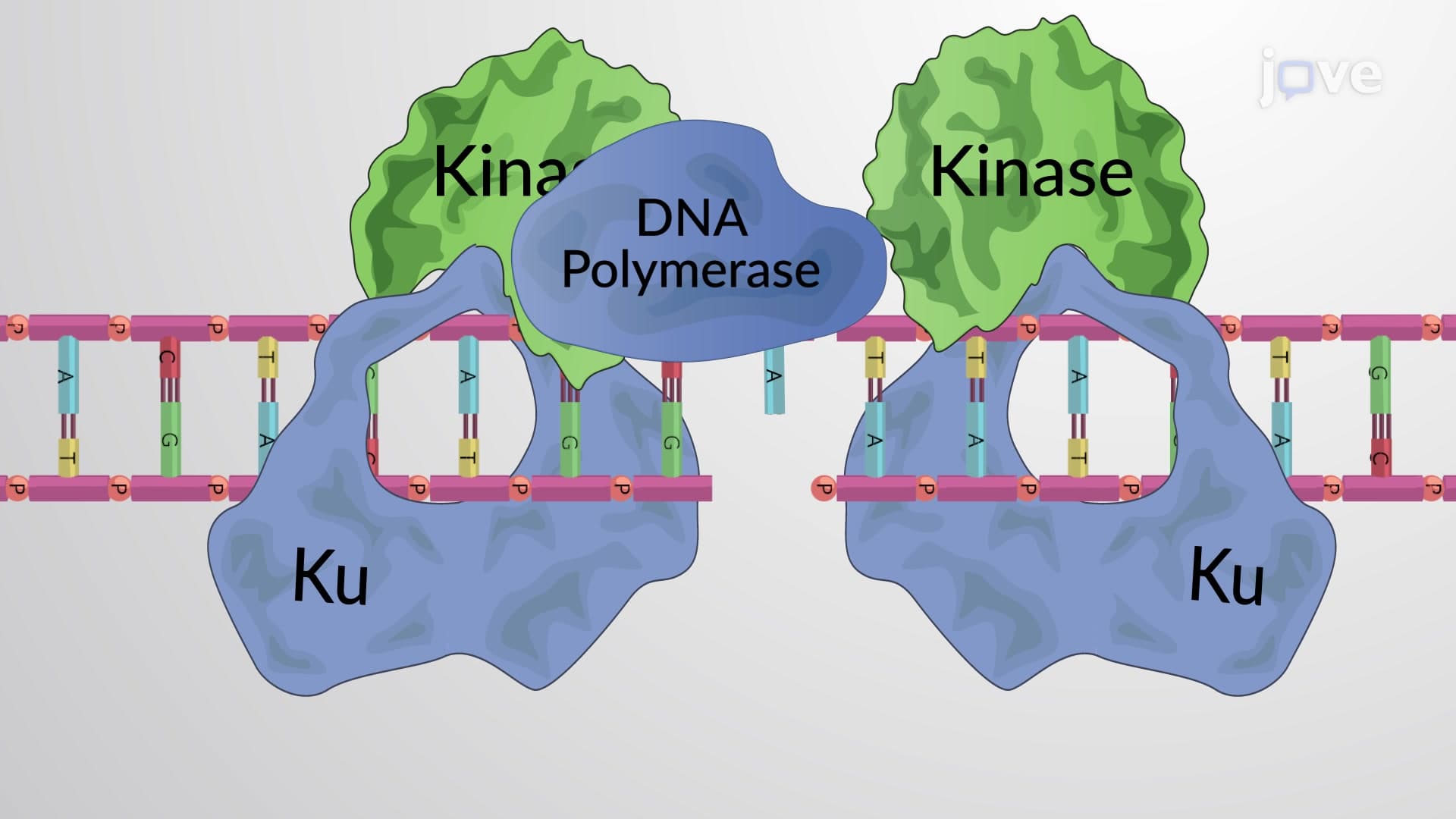
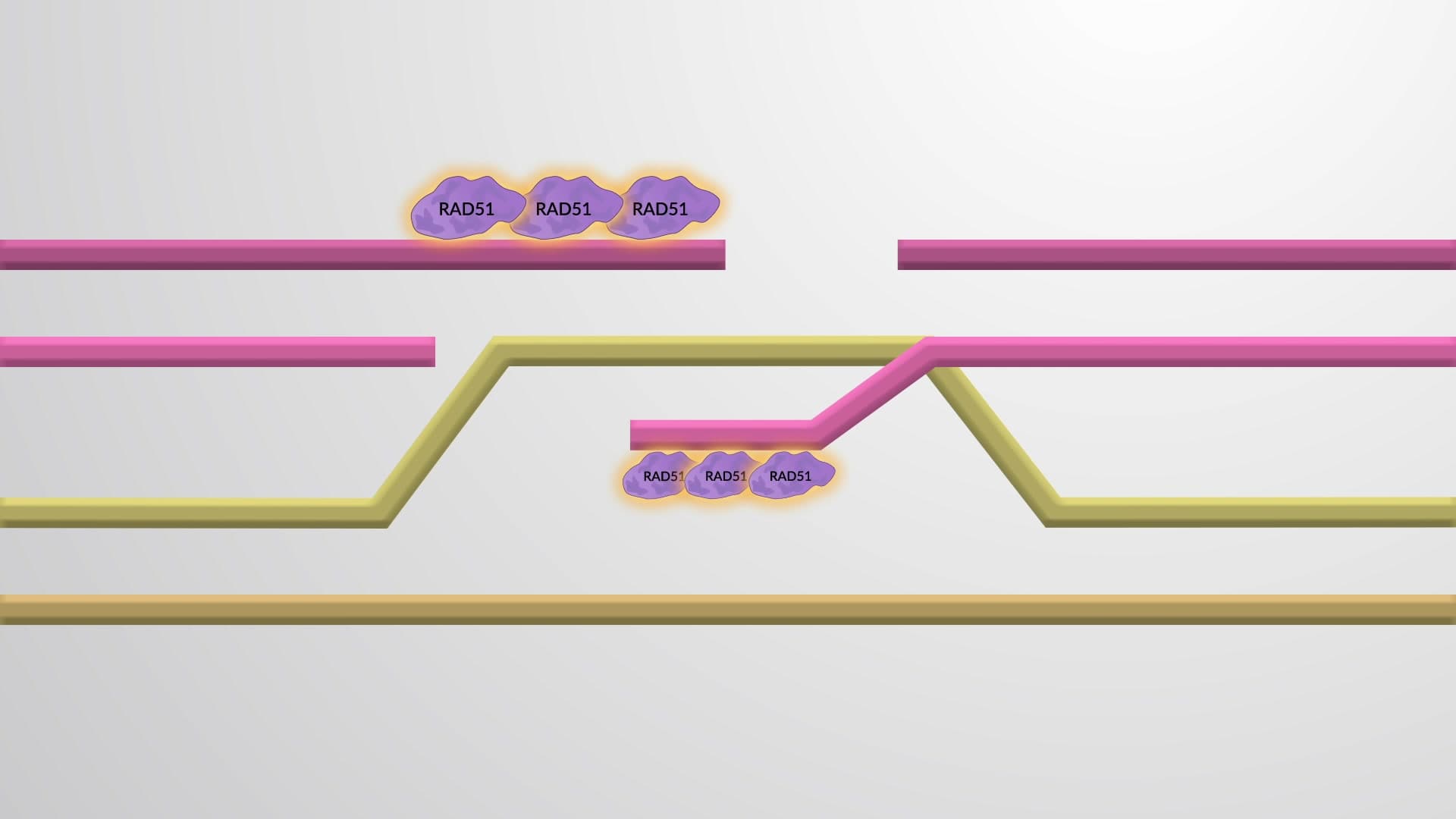
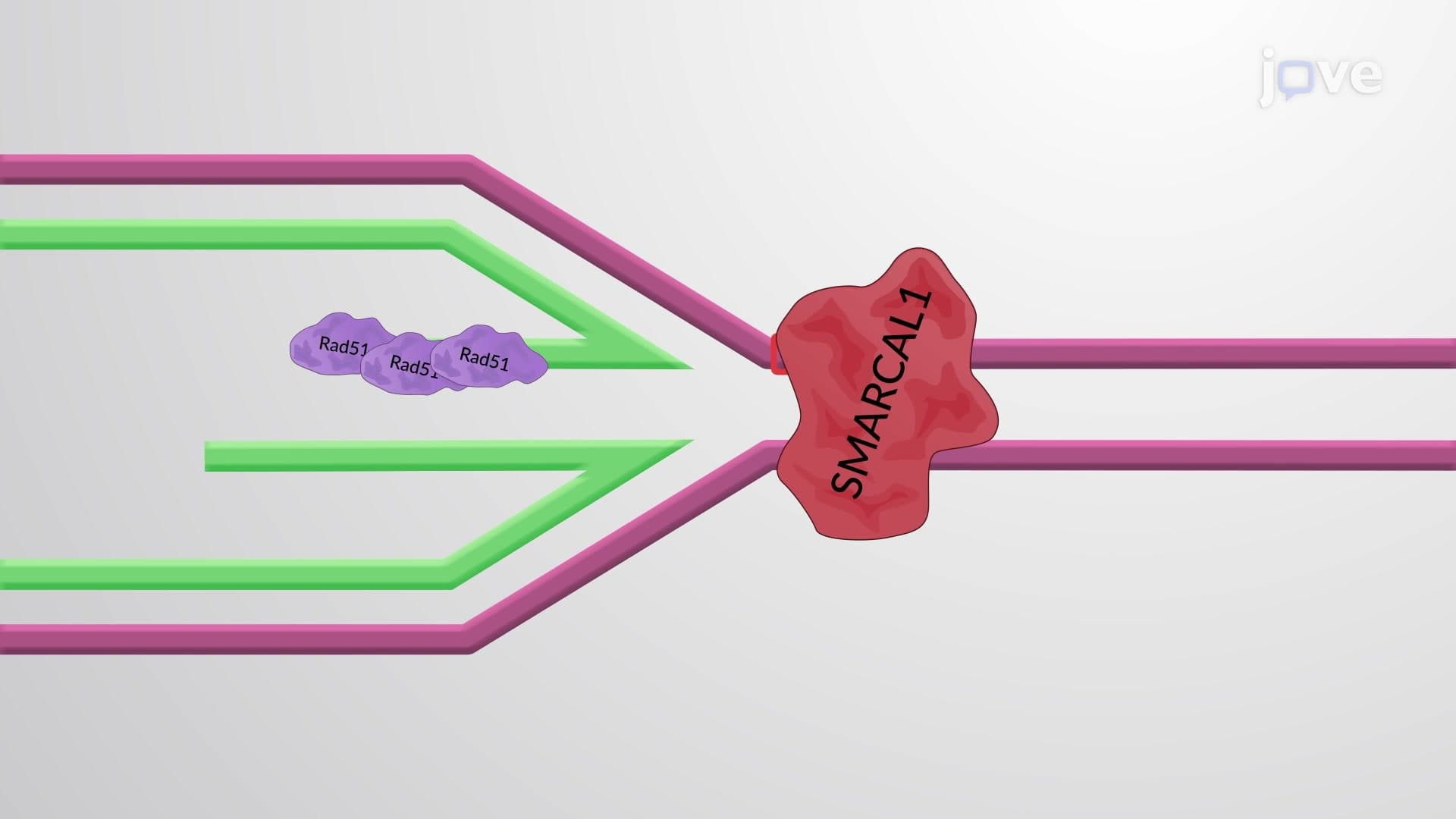
Double-strand breaks represent the most dangerous form of DNA damage, requiring either homologous recombination (HR) or non-homologous end joining (NHEJ) for repair. HR provides error-free repair using sister chromatids as templates, while NHEJ rapidly rejoins broken ends but may introduce small insertions or deletions. BRCA1 and BRCA2 genes are critical for HR, and mutations in these genes dramatically increase breast and ovarian cancer risk.
Understanding DNA repair mechanisms is essential for AP Biology students studying cell cycle regulation and cancer biology. On the MCAT, questions frequently test knowledge of repair pathway specificity and clinical correlations. Medical students preparing for USMLE exams encounter DNA repair in pathology questions about hereditary cancer syndromes and pharmacology questions about chemotherapy mechanisms. The concept of synthetic lethality, where PARP inhibitors selectively kill BRCA-deficient cancer cells, exemplifies how basic DNA repair research translates to precision oncology treatments now used at major cancer centers like Memorial Sloan Kettering and Mayo Clinic.
Related Micro-courses