Loading subject page…

- Cell Biology
- DNA Replication and Repair
- Proofreading
Micro-course: DNA Replication and Repair
210,025 views
Learn key concepts and earn your certificate.


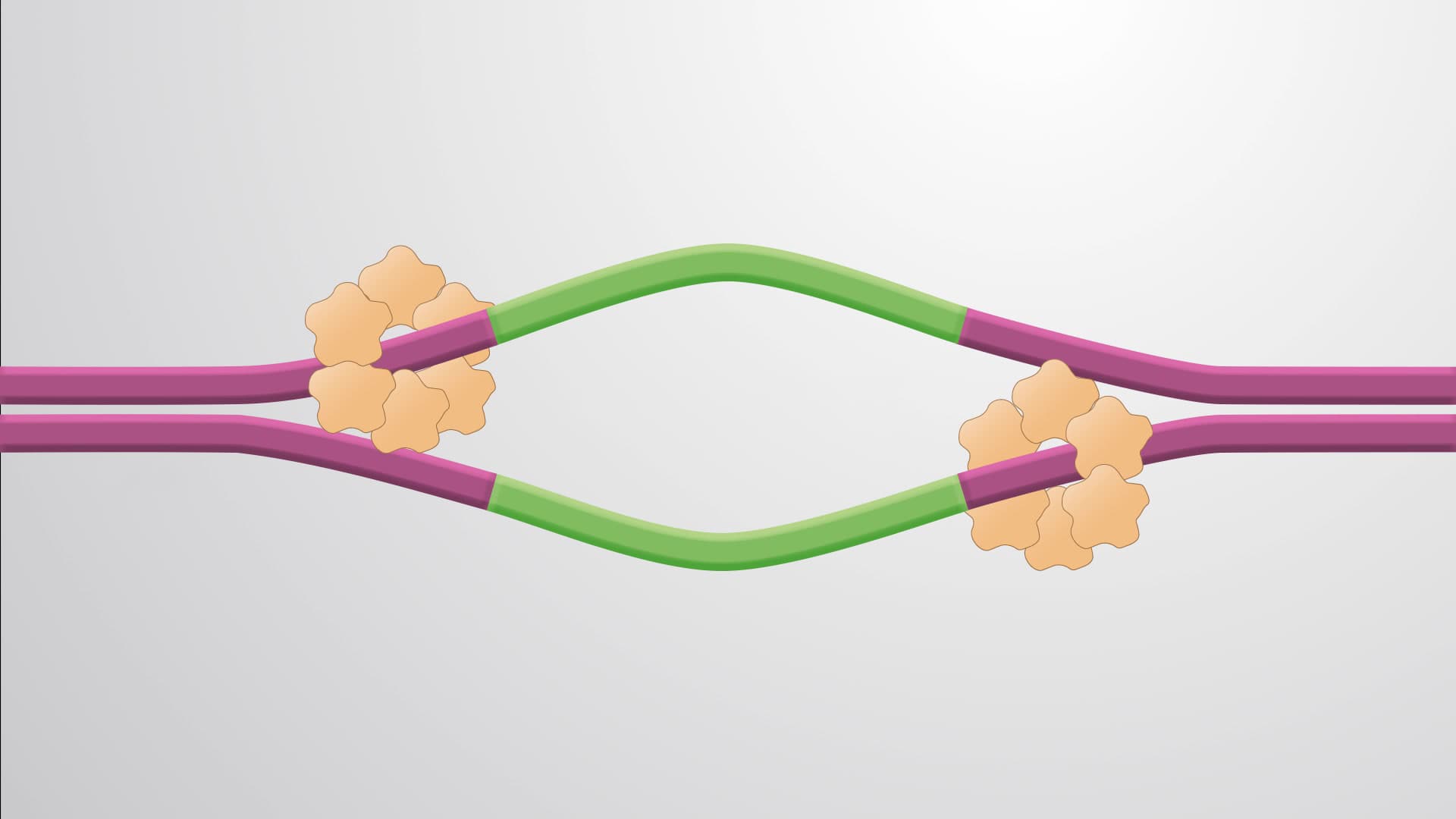
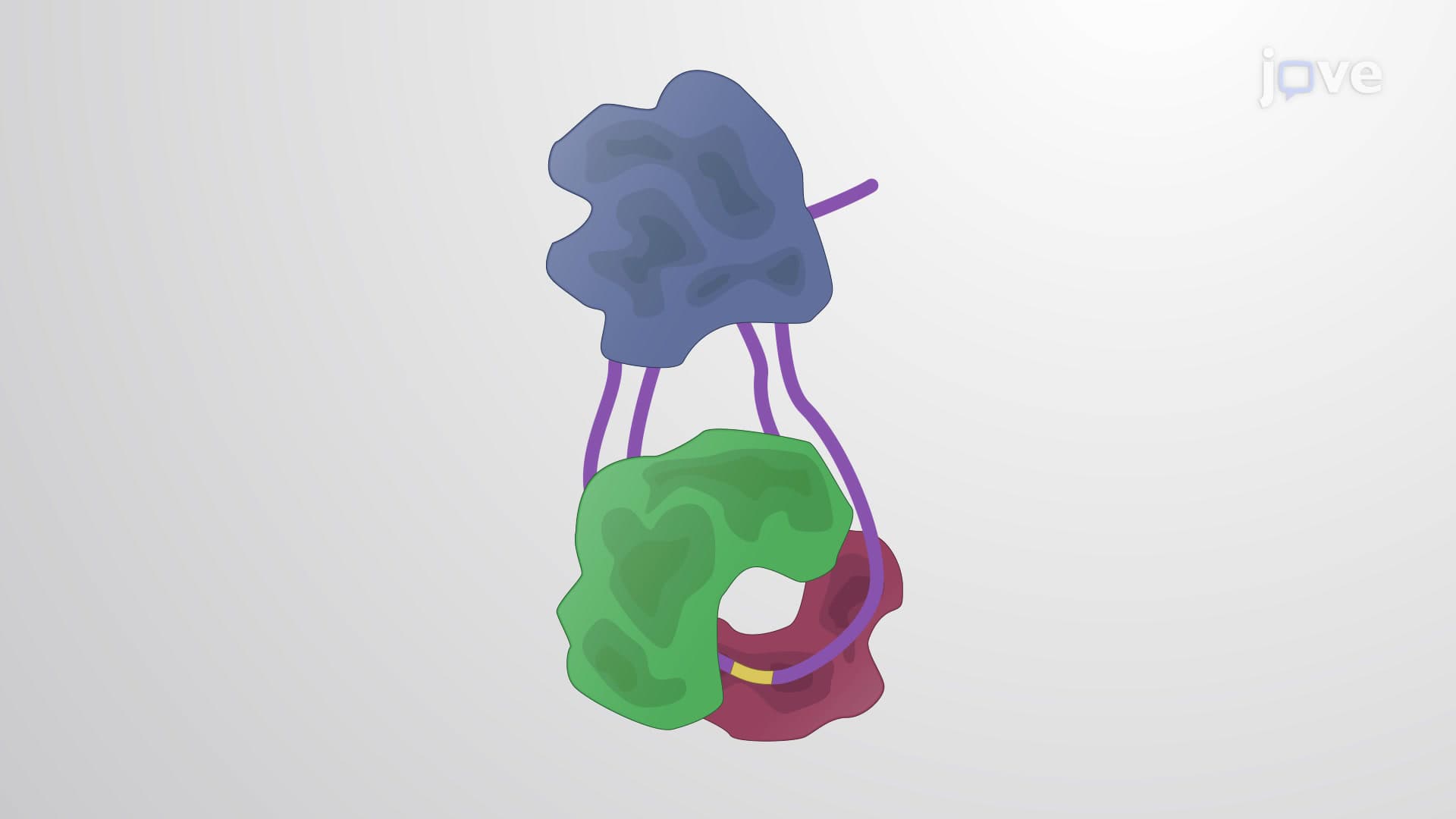
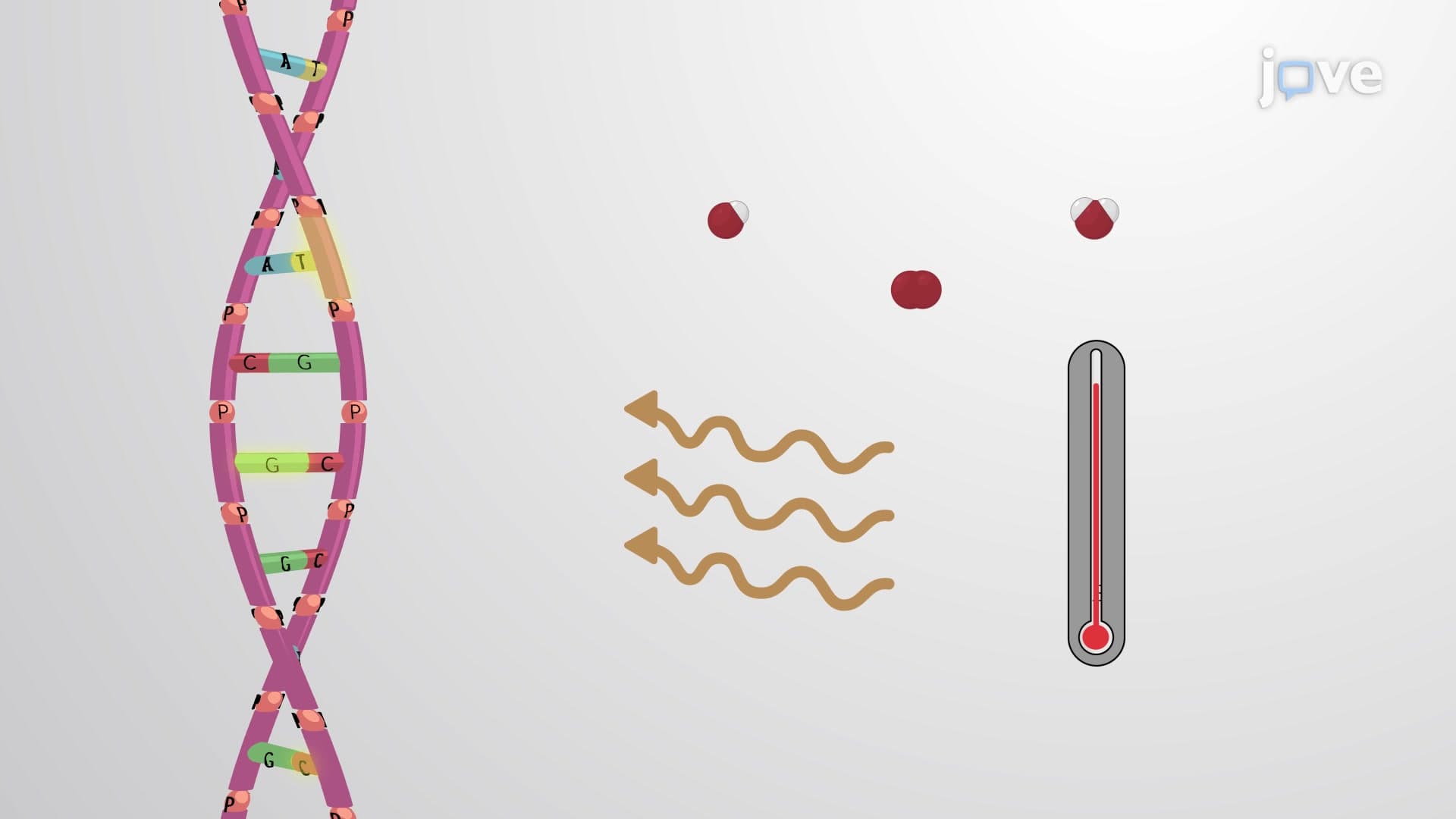
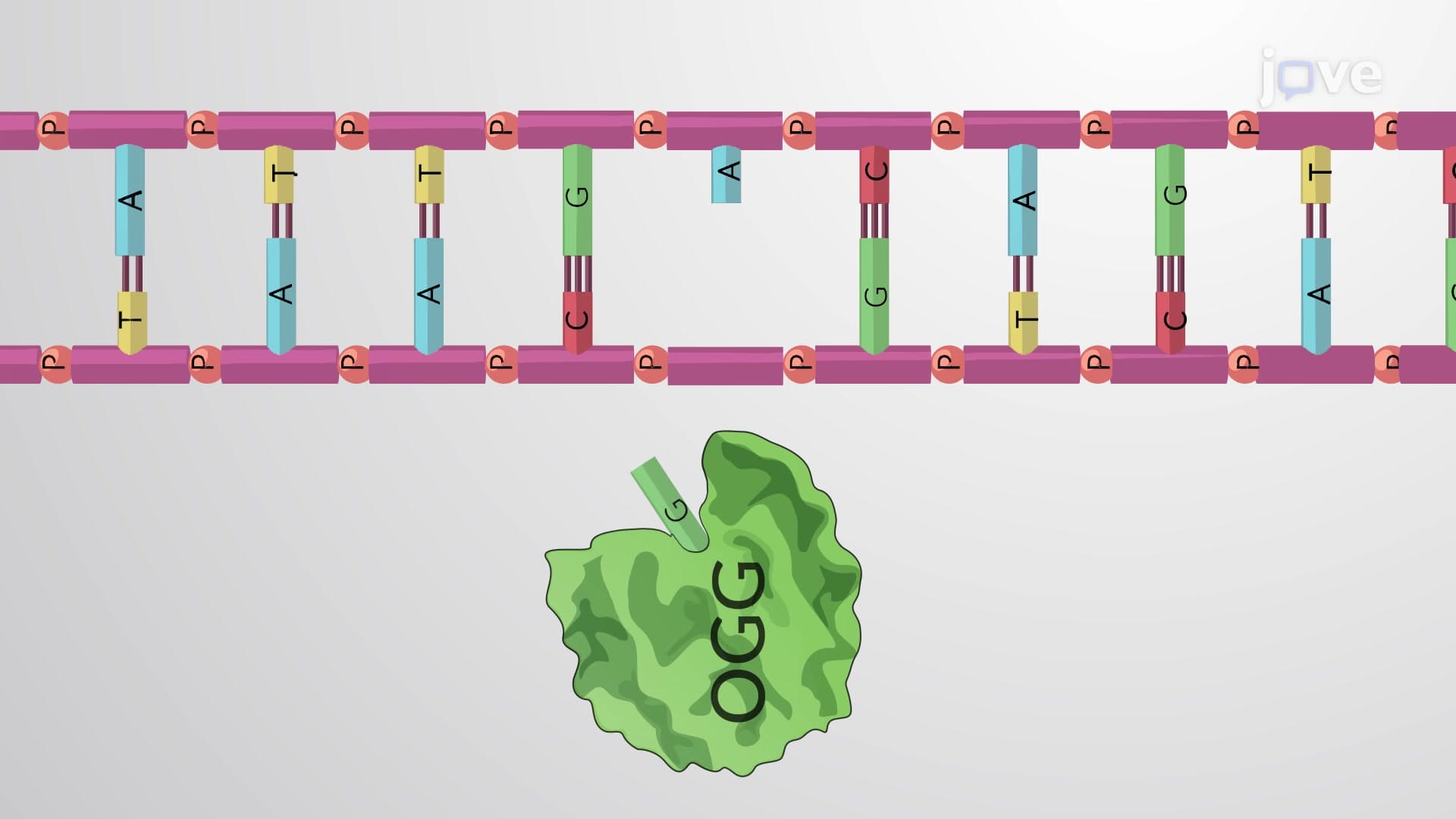

Proofreading

00:00
01:31
Video Summary: What Is Proofreading
Every human cell replicates roughly 6 billion base pairs of DNA during each division, yet errors occur in only 1 out of every 10 billion nucleotides-an accuracy rate that would make NASA engineers envious. This remarkable precision stems from proofreading mechanisms built directly into DNA polymerase enzymes. At Johns Hopkins University, researchers studying hereditary diseases rely on understanding these proofreading systems to identify genetic mutations. What is proofreading in molecular biology, and how does it prevent catastrophic errors during DNA replication? Watch the full video on JoVE Coach to master this concept with expert-led visuals and step-by-step explanations.
- Understand what is proofreading and its essential role in maintaining DNA replication fidelity during cell division
- Identify the three distinct mechanisms DNA polymerase uses to minimize base-pairing errors during synthesis
- Analyze how conformational changes in DNA polymerase help distinguish correct from incorrect nucleotide pairings
- Recognize the 3' to 5' exonuclease activity that removes misincorporated nucleotides during proofreading
- Evaluate why high-affinity binding between complementary bases reduces initial pairing errors
- Apply knowledge of proofreading defects to explain cancer predisposition syndromes like Lynch syndrome
- Compare proofreading accuracy between different DNA polymerase families and their clinical significance
- Explore how proofreading failures contribute to mutation rates in human genetic diseases
Understanding DNA Proofreading Fundamentals
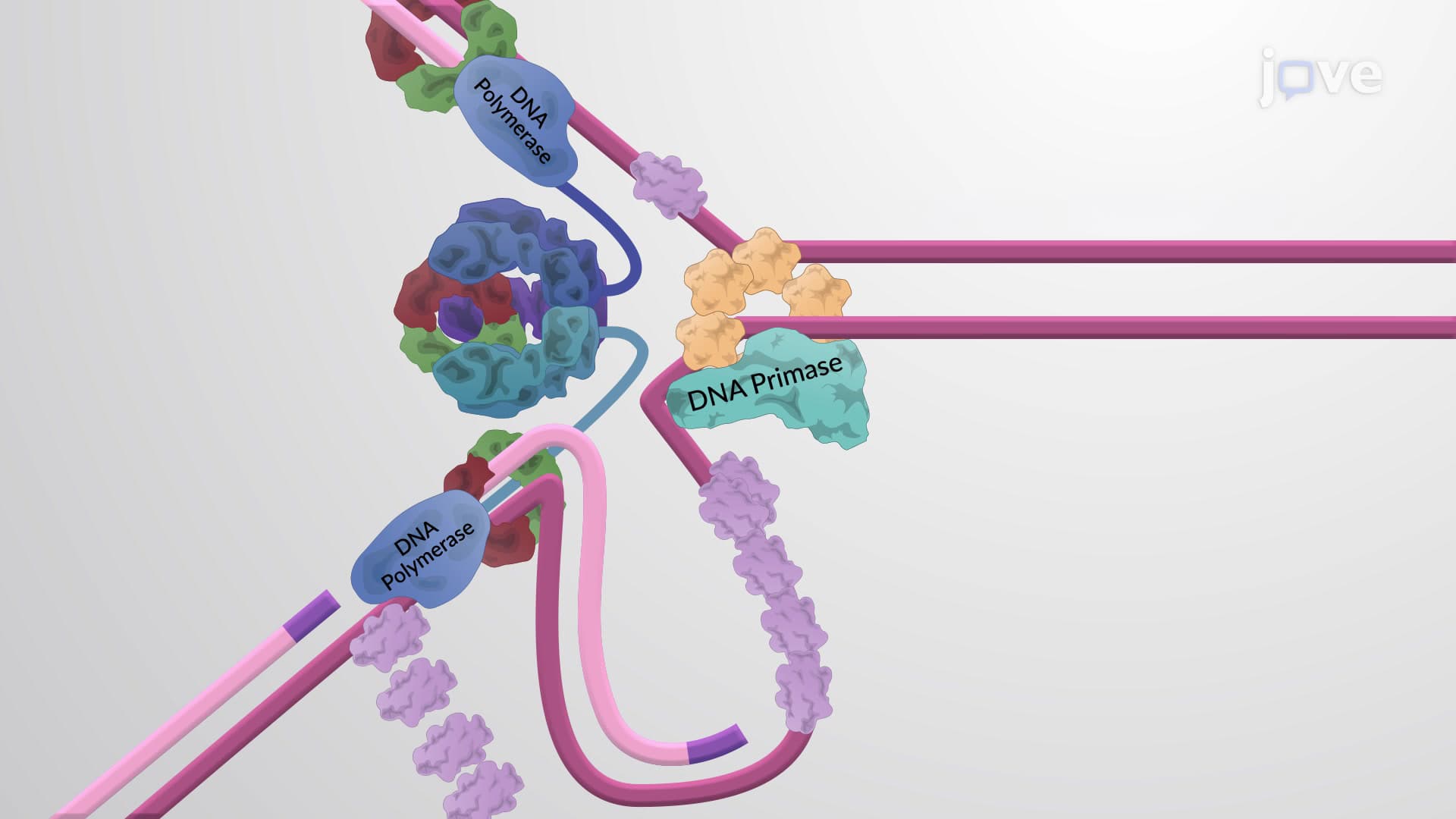
DNA proofreading represents one of biology's most sophisticated quality control mechanisms, ensuring genetic information transfers accurately from parent to daughter cells. During replication, DNA polymerase faces the monumental task of adding approximately 50 nucleotides per second while maintaining extraordinary precision. Without proofreading, random base pairing would create roughly one error per 10,000 nucleotides-a rate incompatible with complex life.
The proofreading system operates through multiple checkpoints that collectively reduce error rates to fewer than one mistake per billion base pairs. This precision proves essential for preventing mutations that could trigger cancer, developmental disorders, or hereditary diseases studied extensively at research institutions like the National Cancer Institute.
Three-Tier Proofreading Strategy
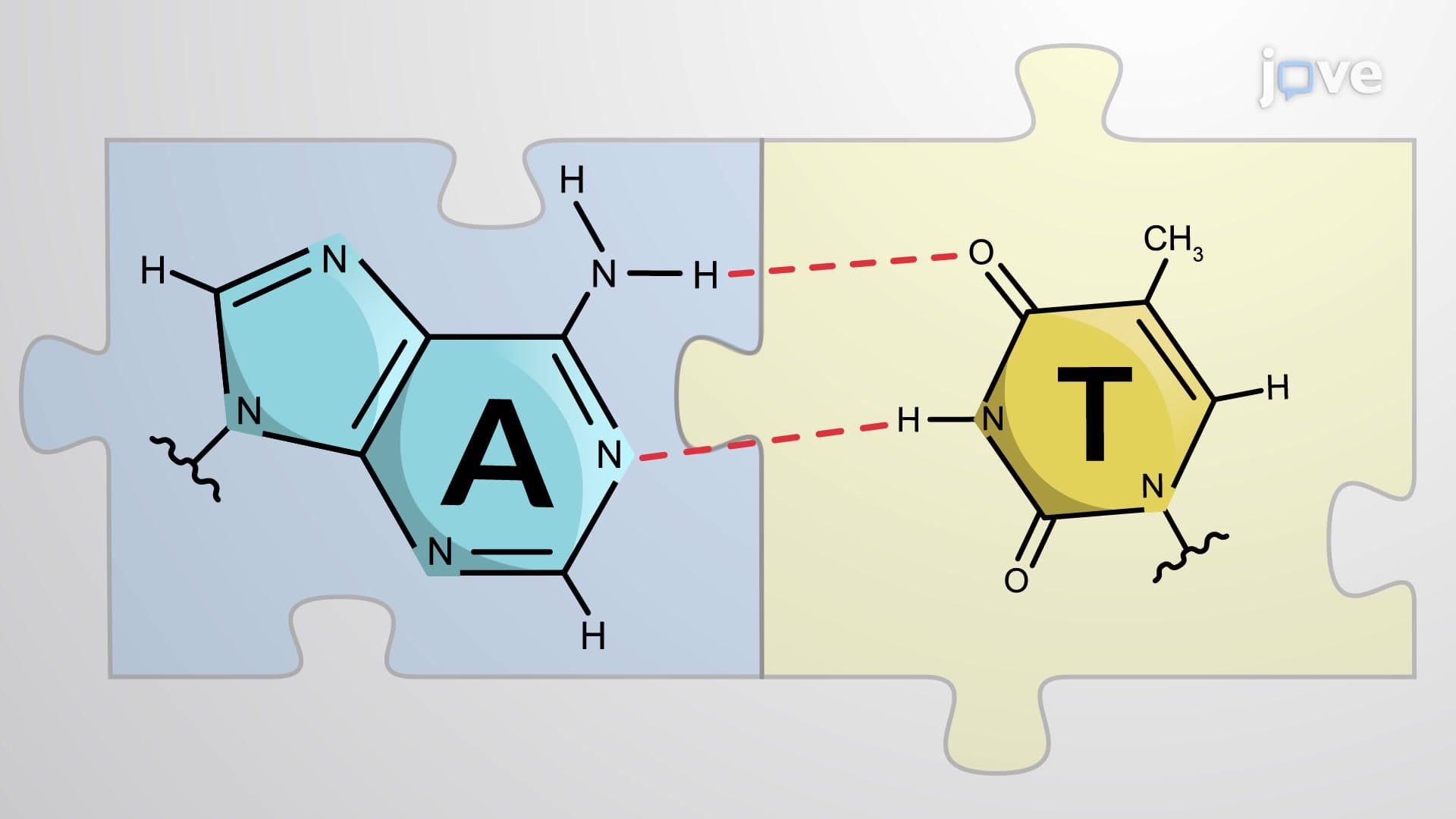
DNA polymerase employs a sophisticated three-part strategy to minimize replication errors. First, the enzyme exhibits high binding affinity for correctly paired nucleotides, creating an initial selection filter that favors accurate Watson-Crick base pairing. This selectivity stems from optimal hydrogen bonding geometry between complementary bases-adenine with thymine, guanine with cytosine.
Second, upon nucleotide binding, DNA polymerase undergoes conformational changes that stabilize correct pairings while destabilizing mismatches. This induced-fit mechanism acts like a molecular lock-and-key system, where only properly paired nucleotides trigger the structural changes necessary for phosphodiester bond formation.
Exonucleolytic Proofreading Mechanism
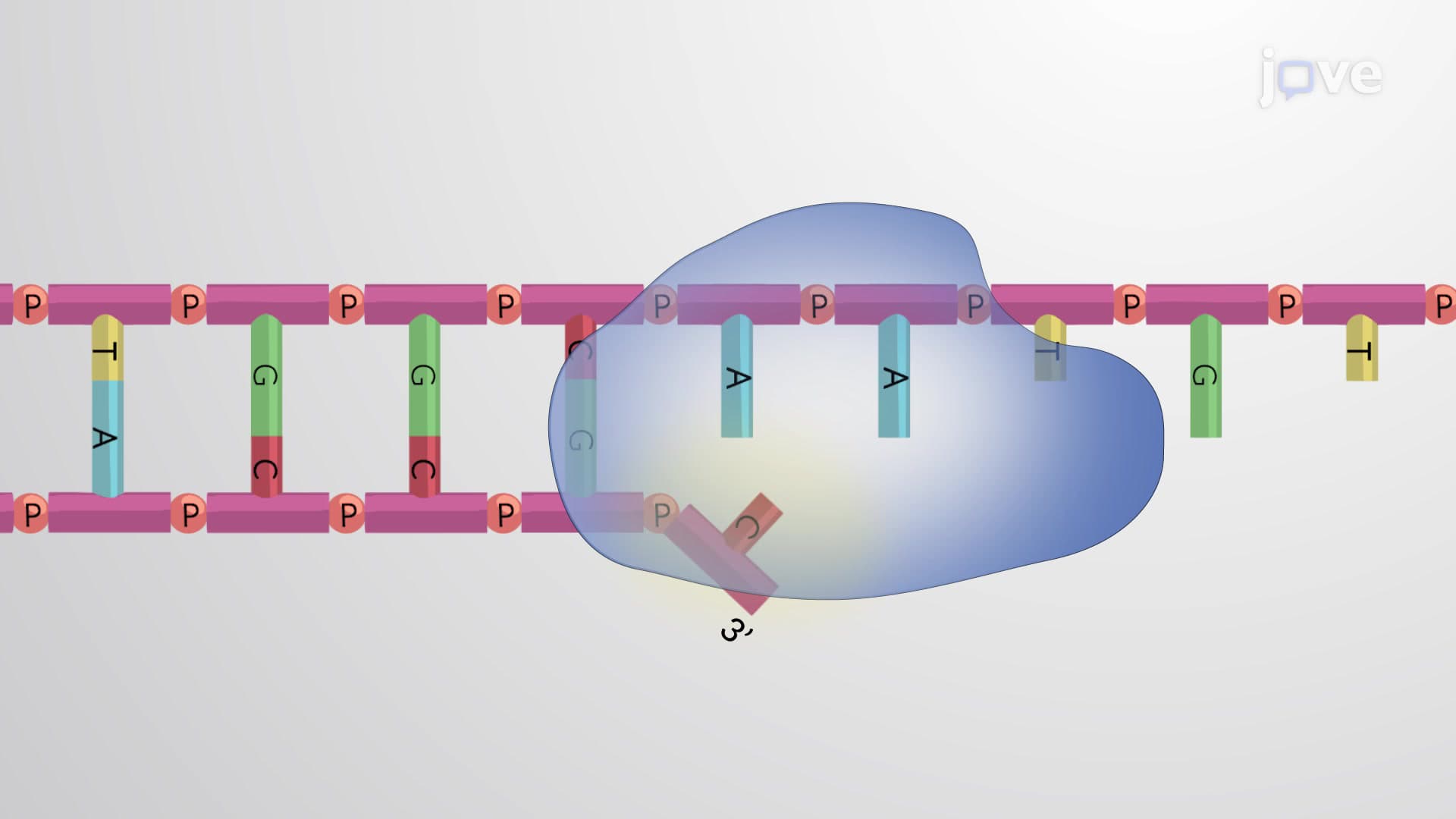
When incorrect nucleotides escape initial quality controls and become incorporated into the growing DNA strand, the third proofreading tier activates. Mispairing creates structural distortions that cause DNA polymerase to pause synthesis. The enzyme then transfers the problematic 3' end to its intrinsic 3' to 5' exonuclease domain, which removes the incorrect nucleotide through hydrolysis.
This proofreading exonuclease activity proves so crucial that defects in this system contribute to hereditary cancer syndromes. For example, mutations affecting DNA polymerase epsilon proofreading cause familial adenomatous polyposis, a condition studied extensively at MD Anderson Cancer Center. Students preparing for the MCAT should understand how proofreading defects relate to cancer biology, as this connection frequently appears on standardized exams.
Clinical and Academic Significance
Proofreading mechanisms directly impact human health and serve as foundational concepts in AP Biology, college genetics courses, and medical school curricula. Understanding these systems helps explain why certain chemotherapy drugs target DNA replication machinery and why some individuals show increased cancer susceptibility. For students tackling challenging molecular biology concepts, mastering DNA proofreading provides essential groundwork for advanced topics like DNA repair pathways and mutagenesis.
Frequently Asked Questions
Proofreading is the quality control mechanism DNA polymerase uses to detect and correct base-pairing errors during DNA replication. It's essential because without proofreading, mutation rates would be roughly 10,000 times higher, making complex multicellular life impossible. This system maintains genetic stability across generations while allowing controlled variation for evolution.
AP Biology frequently tests proofreading through multiple-choice questions about DNA polymerase function and free-response questions connecting replication fidelity to cancer or genetic disorders. Students should understand the 3' to 5' exonuclease activity and how conformational changes improve accuracy. Practice identifying proofreading mechanisms in experimental scenarios where mutation rates change.
Absolutely-MCAT Biological and Biochemical Foundations sections regularly include proofreading in passages about DNA replication, cancer biology, or genetic diseases. Focus on understanding how proofreading defects contribute to hereditary cancer syndromes and why certain DNA polymerases have higher fidelity than others. Connect molecular mechanisms to clinical applications.
At major cancer centers like Memorial Sloan Kettering, researchers study families with Lynch syndrome, where defective DNA mismatch repair systems (related to proofreading) dramatically increase colorectal cancer risk. Similarly, mutations in DNA polymerase epsilon proofreading domains cause familial adenomatous polyposis. These defects allow oncogenic mutations to accumulate faster than normal cellular repair can handle.
Not at all-while proofreading involves enzyme biochemistry, the core concepts build on basic biology principles like complementary base pairing and enzyme structure-function relationships. High school chemistry covering hydrogen bonding and protein conformational changes provides sufficient background. Focus on understanding the biological logic rather than memorizing complex chemical details.
Create a flowchart showing the three proofreading tiers: initial nucleotide selectivity, conformational proofreading, and exonucleolytic editing. Practice drawing the 3' to 5' exonuclease mechanism and connecting proofreading defects to specific human diseases. Use active recall by explaining how each mechanism reduces error rates without looking at notes.
DNA proofreading represents just one layer of cellular genome protection, working alongside mismatch repair, base excision repair, and nucleotide excision repair systems. After mastering proofreading, explore how mismatch repair proteins like MLH1 and MSH2 catch errors that escape polymerase proofreading. Understanding this repair hierarchy helps explain why multiple system failures cause severe genetic instability syndromes.
Related Micro-courses
18 Concepts

11 Concepts

14 Concepts