Loading subject page…

- Cell Biology
- DNA Replication and Repair
- Replication in Eukaryotes
Micro-course: DNA Replication and Repair
210,025 views
Learn key concepts and earn your certificate.


Replication in Eukaryotes

00:00
01:29
Video Summary: What Is Replication in Eukaryotes
Every time your skin heals from a cut, billions of cells must perfectly copy their genetic blueprints-a process that fails in cancer when DNA replication eukaryotes goes awry. Unlike simple bacterial cells, human cells face the complex challenge of replicating massive chromosomes housed within a nucleus, requiring sophisticated molecular machinery and multiple starting points. What is replication in eukaryotes involves intricate coordination between specialized enzymes, protective telomeres, and chromatin remodeling that ensures genetic fidelity across generations. Watch the full video on JoVE Coach to master this concept with expert-led visuals and step-by-step explanations.
- Understand what is replication in eukaryotes and how it differs fundamentally from prokaryotic DNA copying mechanisms
- Identify multiple origins of replication and explain why eukaryotic chromosomes require numerous starting points for efficient duplication
- Analyze the roles of origin recognition complex (ORC), helicases, and DNA polymerase in coordinating the replication machinery
- Compare leading and lagging strand synthesis, including the formation and joining of Okazaki fragments
- Evaluate the telomere problem and how telomerase prevents chromosome shortening in actively dividing cells
- Apply knowledge of replication fork movement and chromatin remodeling to understand chromosome duplication timing
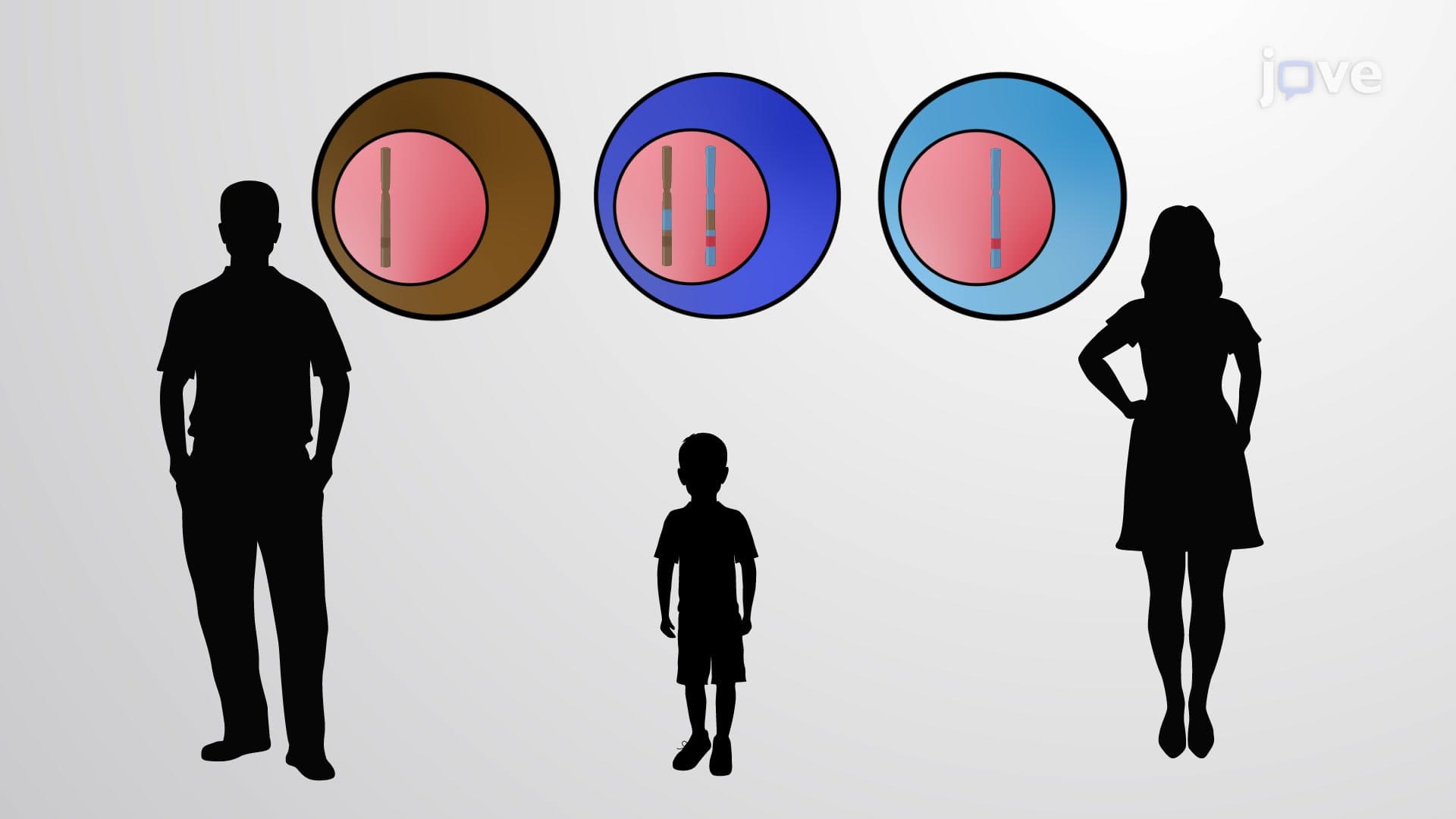
- Recognize the semi-conservative nature of eukaryotic DNA replication and its importance for genetic stability
- Explore connections between replication errors, DNA repair mechanisms, and human diseases like cancer
Understanding What is Replication in Eukaryotes
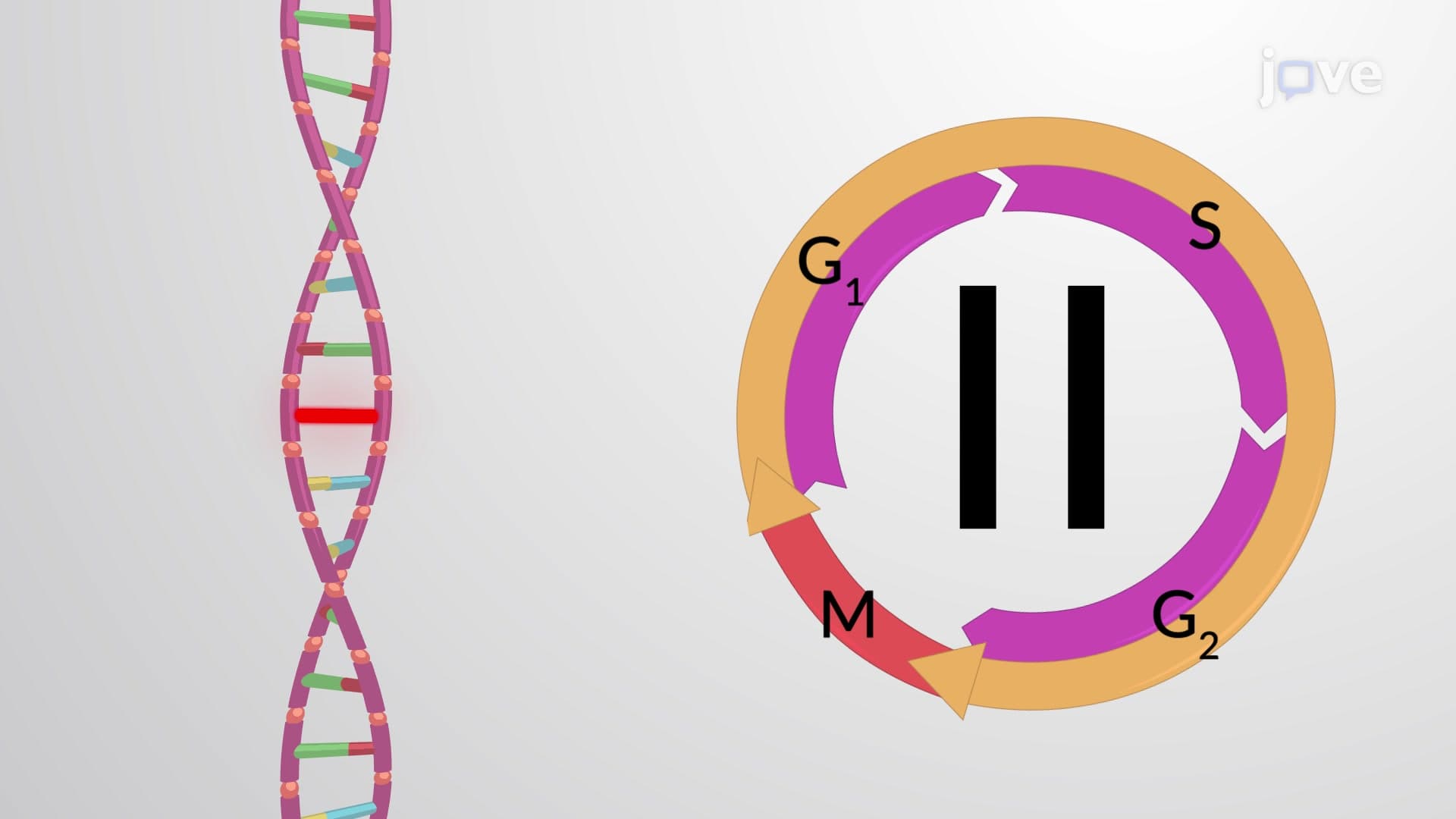
DNA replication eukaryotes represents one of biology's most remarkable achievements-copying billions of base pairs with extraordinary precision while maintaining complex chromosome structure. Unlike bacterial cells with single circular chromosomes, human cells must replicate 46 linear chromosomes totaling over 3 billion base pairs, all within a tightly regulated timeframe during S phase of the cell cycle.
Multiple Origins and Replication Initiation
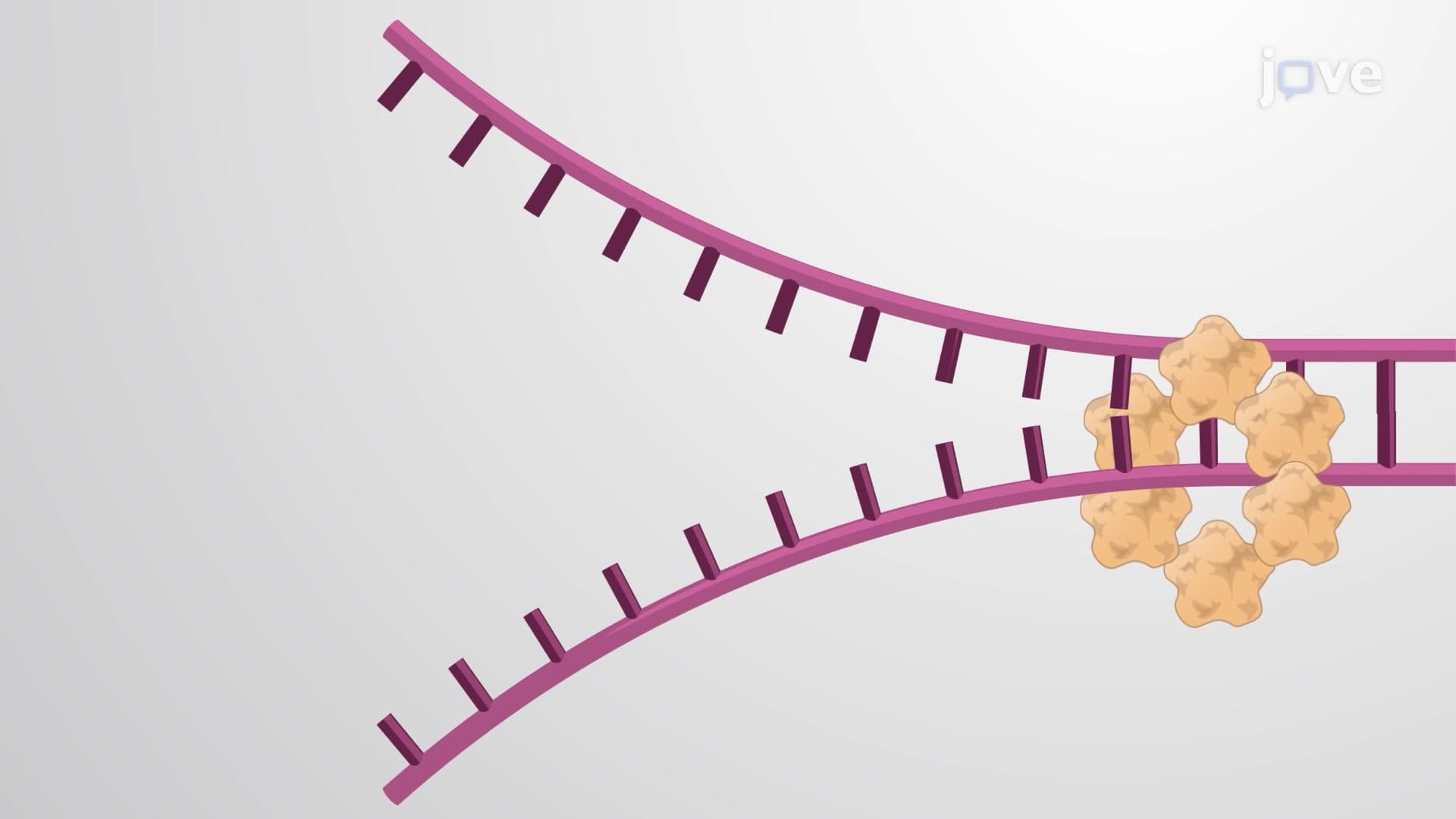
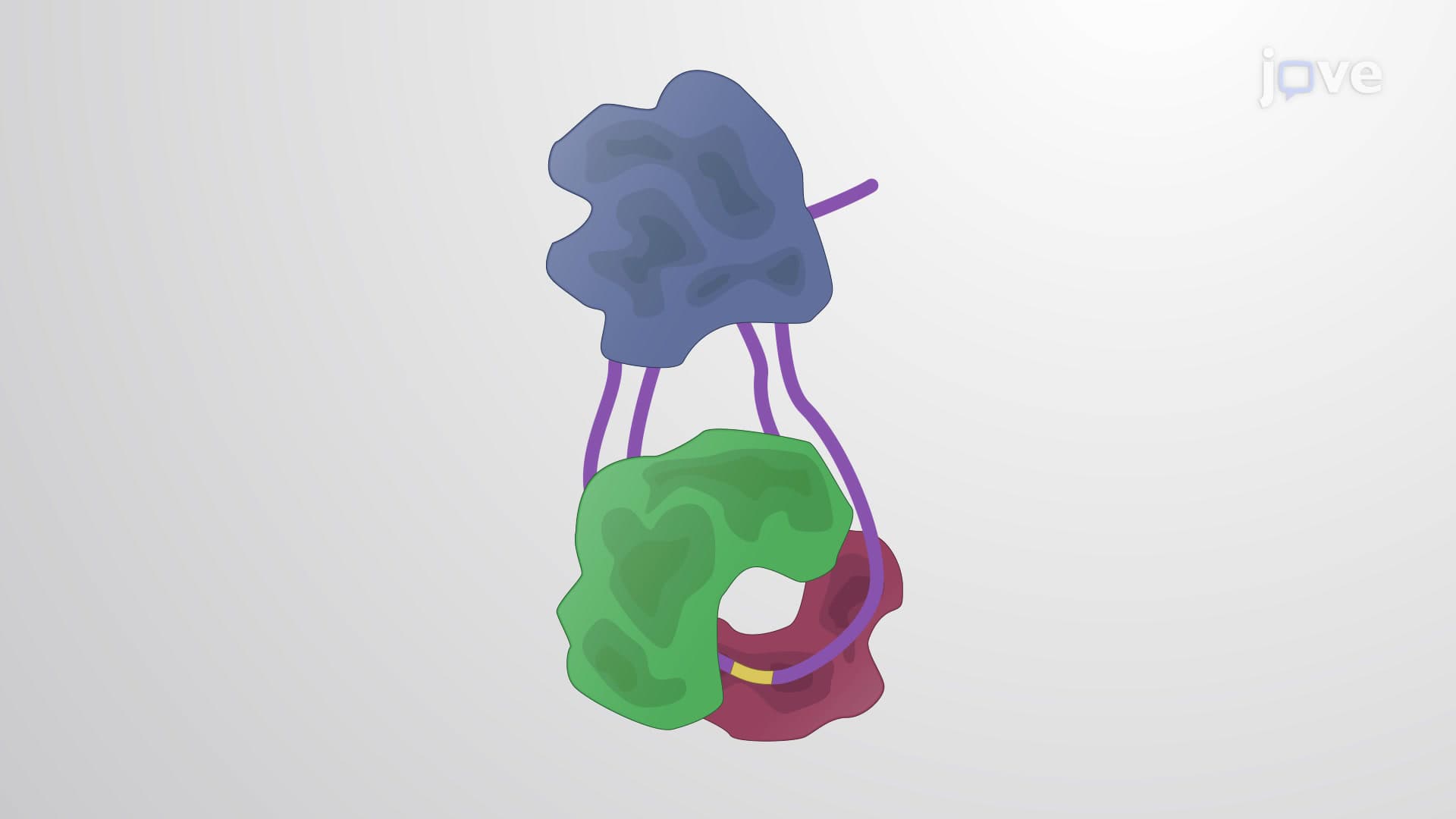
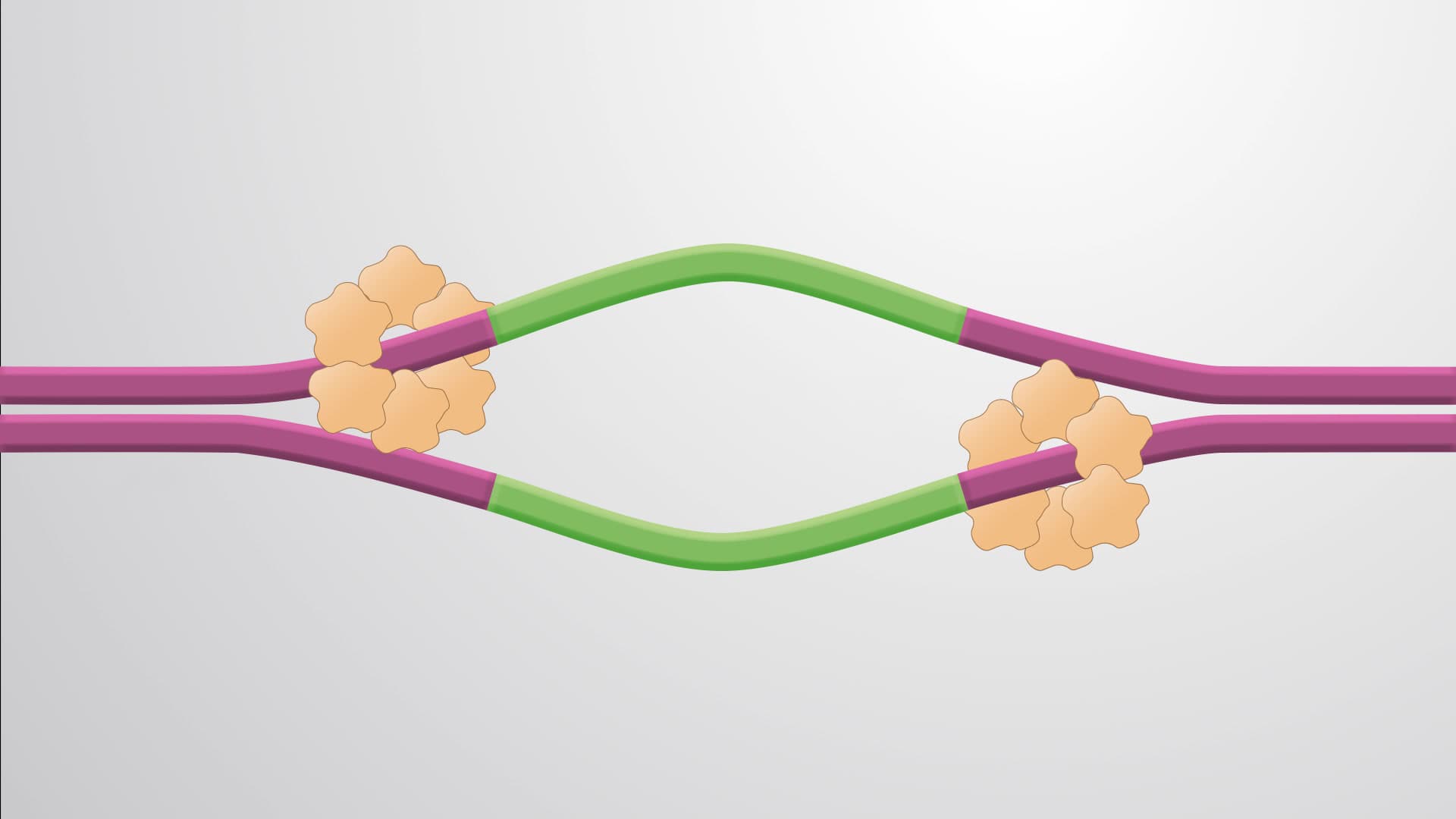
The sheer size of eukaryotic chromosomes necessitates a fundamentally different replication strategy. While E. coli uses a single origin of replication, human chromosome 1 alone contains approximately 2,000 origins of replication. The origin recognition complex (ORC) identifies these specific DNA sequences, recruiting helicases that unwind the double helix to create replication bubbles. This parallel processing dramatically reduces replication time-without multiple origins, copying the human genome would take weeks instead of hours.
Students preparing for the AP Biology exam should understand that eukaryotic replication origin recognition involves chromatin remodeling. Unlike naked bacterial DNA, eukaryotic DNA wraps around histone proteins, requiring nucleosome disassembly ahead of replication forks and reassembly on newly synthesized strands.
Leading and Lagging Strand Synthesis
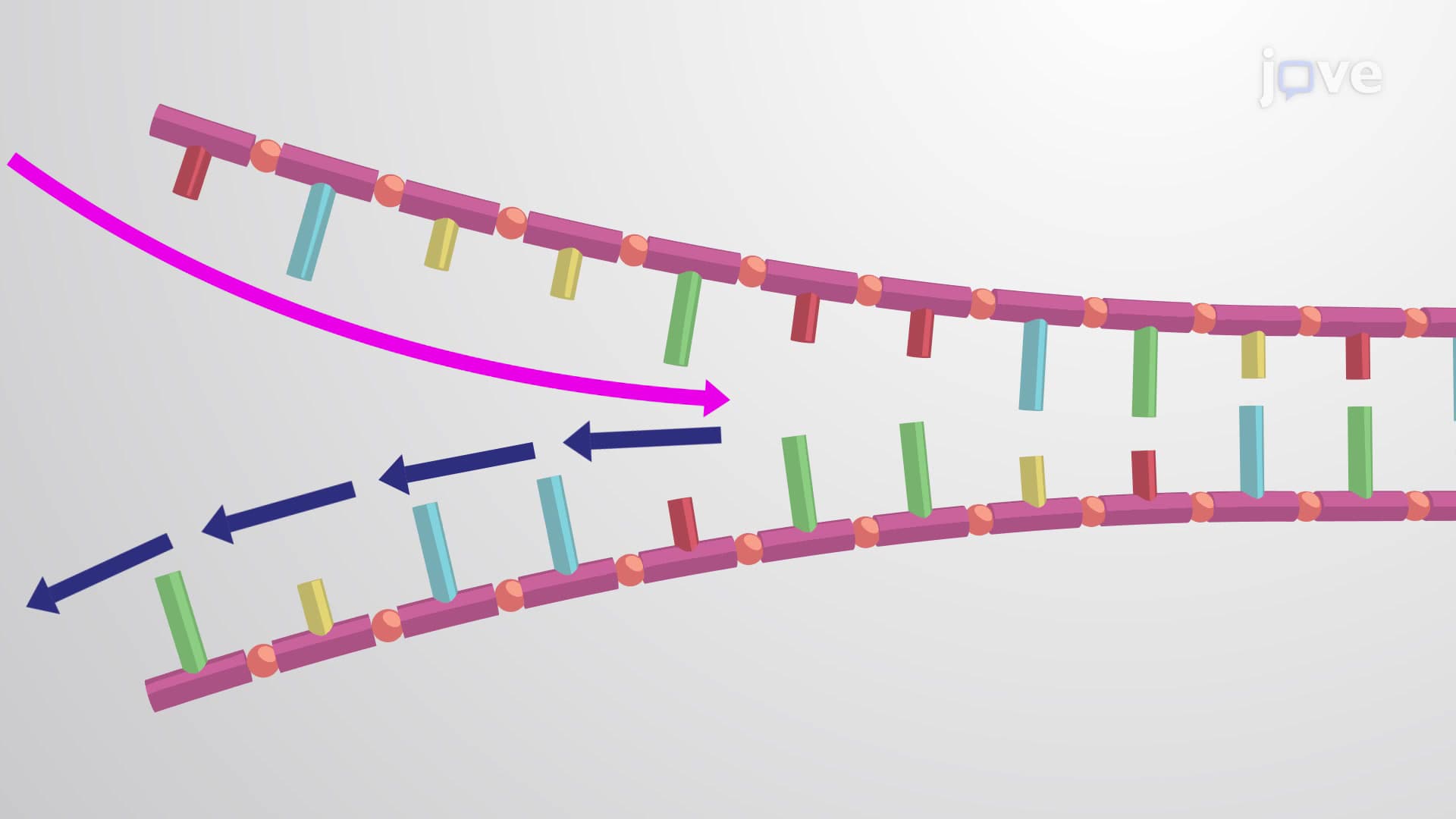
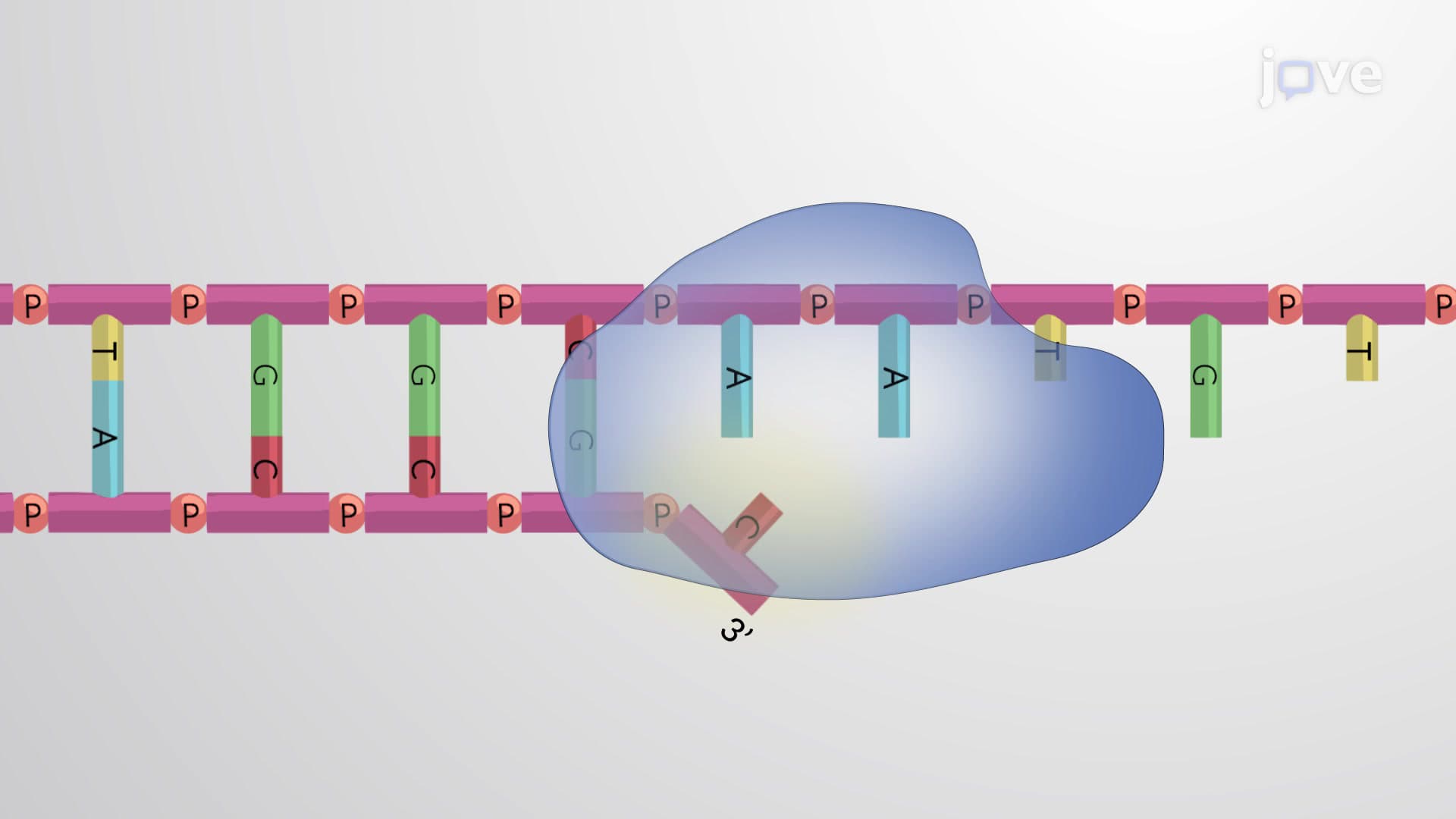
At each replication fork, DNA polymerase faces the challenge of antiparallel DNA strands. The leading strand synthesizes continuously in the 5' to 3' direction, while the lagging strand creates discontinuous Okazaki fragments. In eukaryotes, these fragments are shorter (100-200 nucleotides) compared to bacterial fragments, reflecting the more complex cellular environment.
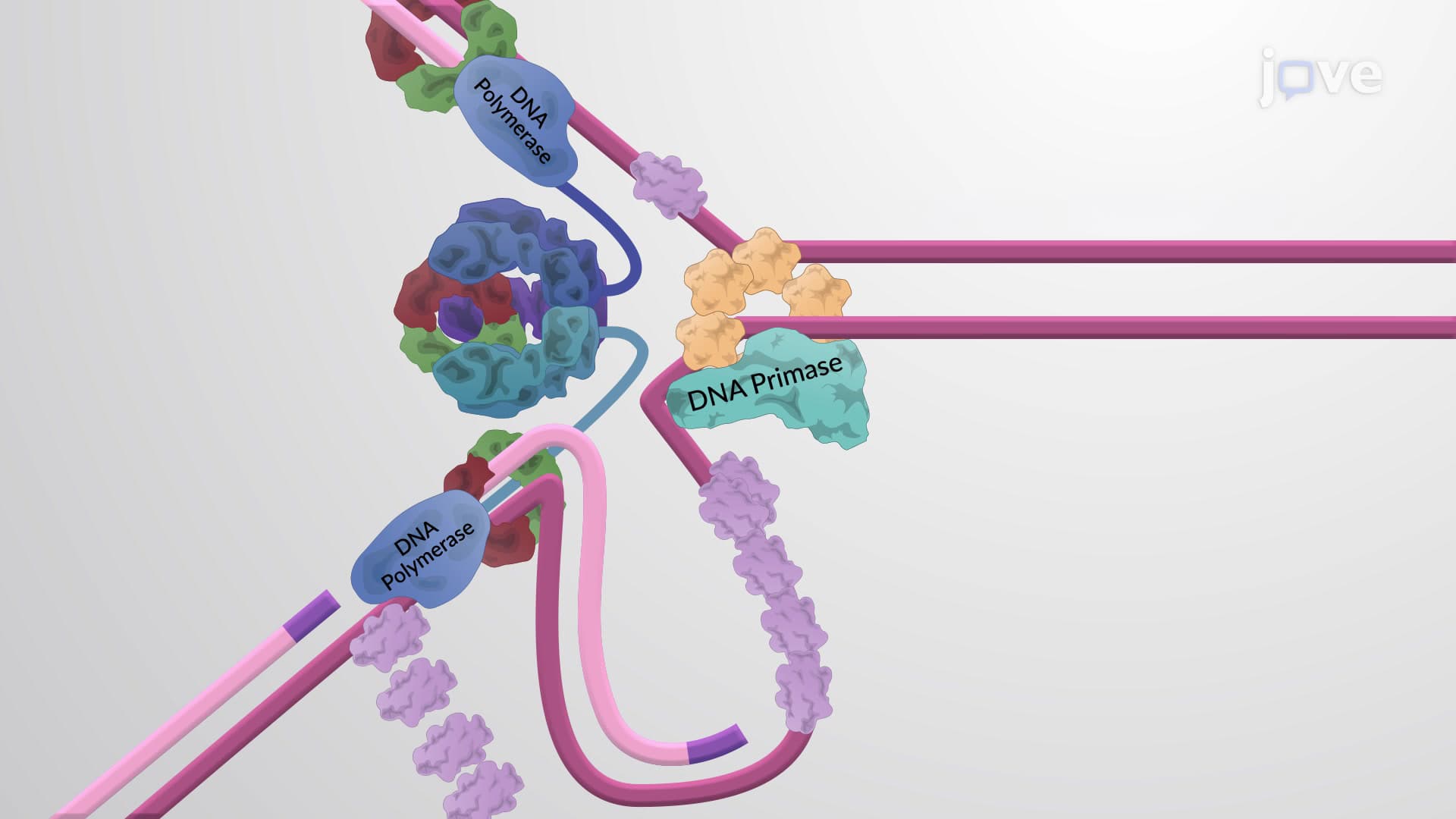
The coordination between RNA primer synthesis, DNA polymerase elongation, primer removal by RNase, gap filling, and DNA ligase sealing represents a molecular assembly line that college biochemistry students often encounter in detail during MCAT preparation.
The Telomere Challenge
Perhaps the most distinctive aspect of eukaryotic DNA replication explained involves telomeres-protective DNA-protein structures at chromosome ends. The "end-replication problem" occurs because DNA polymerase cannot synthesize the very ends of linear chromosomes, leading to progressive shortening with each cell division.
Telomerase, active in stem cells and unfortunately in 90% of cancer cells, extends telomeres by adding repetitive sequences (TTAGGG in humans). This enzyme's discovery earned Elizabeth Blackburn, Carol Greider, and Jack Szostak the 2009 Nobel Prize in Physiology or Medicine, highlighting its significance in aging research and cancer biology-topics frequently appearing in advanced placement and pre-medical coursework.
Frequently Asked Questions
Eukaryotic DNA replication is the process by which cells duplicate their chromosomes before division, occurring within the nucleus using multiple origins of replication. Unlike bacteria with single circular chromosomes, eukaryotes must copy linear chromosomes with protective telomeres, coordinate with chromatin structure, and manage significantly more genetic material. This complexity requires sophisticated regulatory mechanisms and specialized enzymes like telomerase.
Key enzymes include helicases (unwind DNA), primase (synthesizes RNA primers), DNA polymerase alpha, delta, and epsilon (elongate strands), RNase (removes primers), DNA ligase (seals fragments), and telomerase (extends chromosome ends). Each enzyme has specialized roles, with DNA polymerase delta handling leading strand synthesis while DNA polymerase alpha initiates Okazaki fragments on the lagging strand.
Understanding eukaryotic replication helps you tackle questions about cell cycle regulation, cancer biology, aging mechanisms, and enzyme kinetics. MCAT passages often test semi-conservative replication evidence, telomerase function in stem cells versus somatic cells, and connections between replication errors and genetic diseases. AP Biology emphasizes the relationship between chromosome structure and replication machinery.
Cancer cells often show replication stress, telomerase reactivation, and DNA repair defects that make them vulnerable to targeted therapies. Many chemotherapy drugs like cisplatin and 5-fluorouracil specifically target rapidly dividing cells by interfering with DNA replication. Understanding normal replication helps researchers develop treatments that exploit cancer cell weaknesses while sparing healthy tissues.
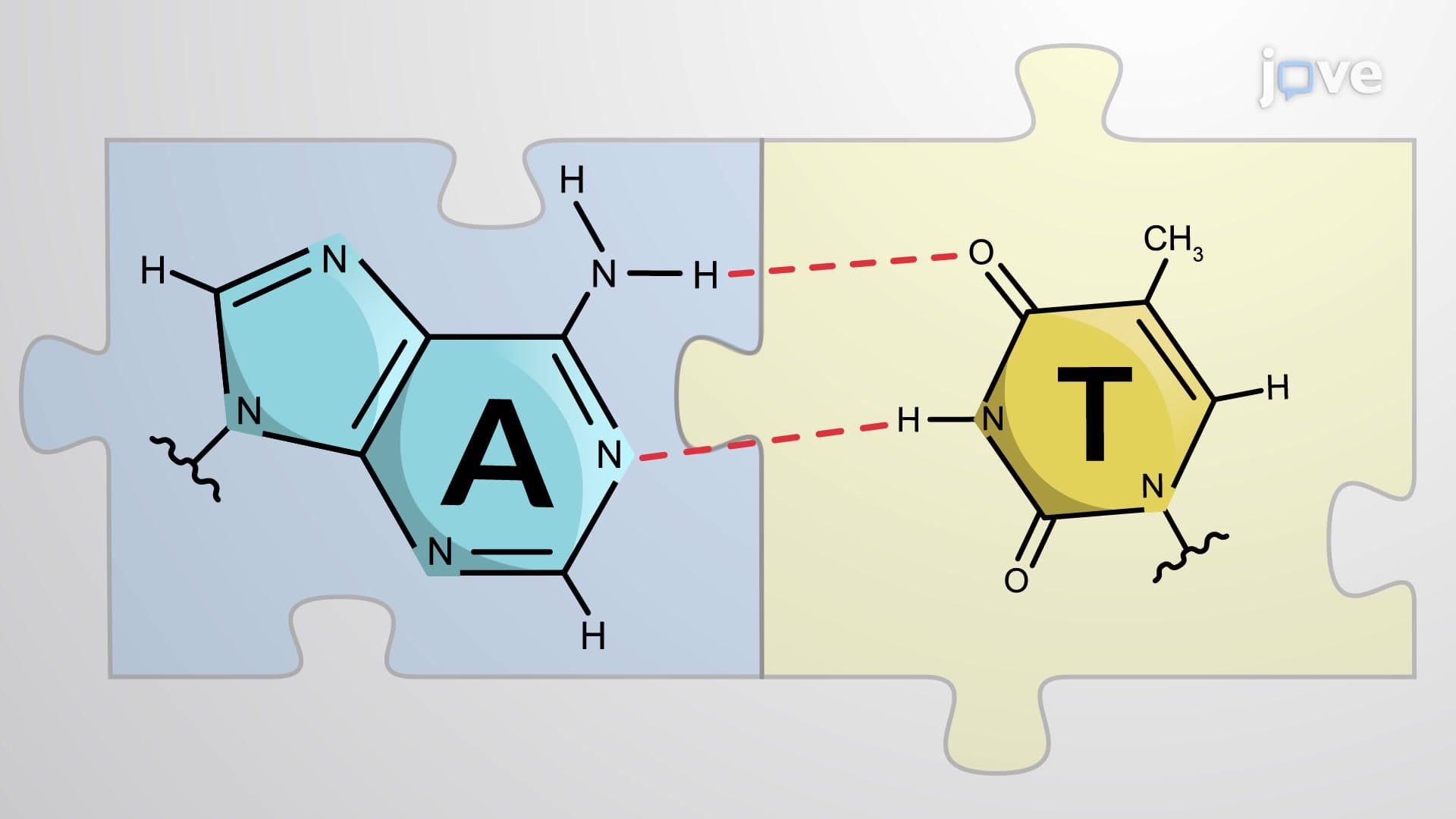
You should understand basic DNA structure (double helix, base pairing, antiparallel strands), enzyme function, and cell cycle phases. Familiarity with prokaryotic replication provides helpful context, but isn't essential since eukaryotic mechanisms are taught independently in most high school and college courses. Strong chemistry foundations help with understanding enzyme mechanisms and energetics.
Create visual diagrams showing replication fork progression, labeling enzyme locations and functions. Practice drawing Okazaki fragment formation step-by-step, emphasizing the 5' to 3' directionality constraint. Use active recall by explaining the process aloud without notes, focusing on why lagging strand synthesis must be discontinuous-a common exam question.
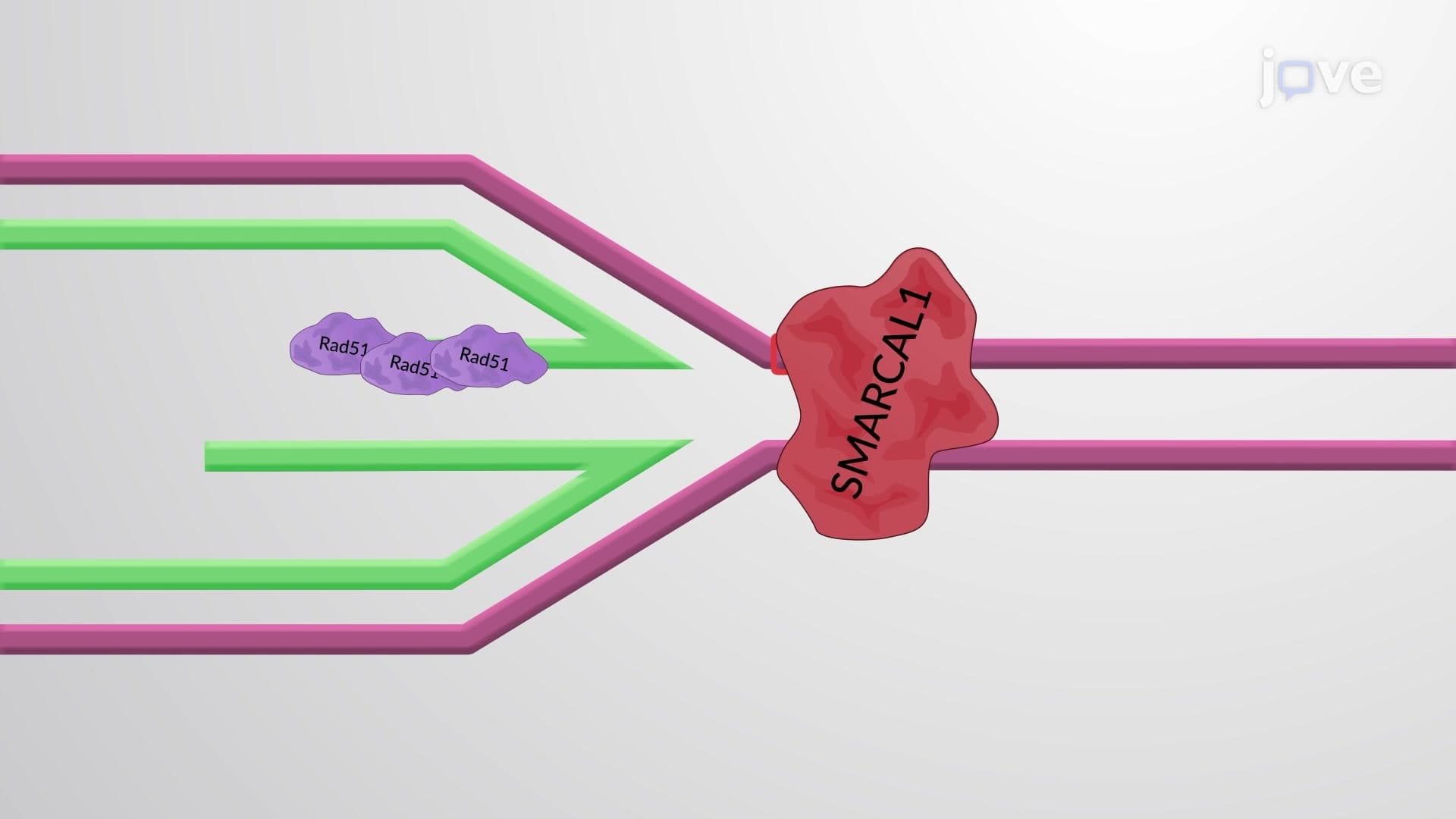
Consider studying DNA damage and repair mechanisms (homologous recombination, non-homologous end joining), epigenetic regulation of replication timing, and stem cell biology focusing on telomerase regulation. These topics connect replication to cancer biology, aging research, and regenerative medicine-rapidly growing fields with significant research and clinical applications.
Replication forks progress bidirectionally from each origin, creating expanding bubbles that eventually merge to complete chromosome duplication. The timing is carefully regulated, with early-replicating regions typically containing active genes while late-replicating regions often represent heterochromatin. This temporal organization ensures proper chromosome condensation and segregation during mitosis.
Related Micro-courses
18 Concepts

11 Concepts

14 Concepts