Loading subject page…

- Cell Biology
- DNA Replication and Repair
- Replication in Prokaryotes
Micro-course: DNA Replication and Repair
210,025 views
Learn key concepts and earn your certificate.


Replication in Prokaryotes


00:00
01:32
Video Summary: What Is Replication in Prokaryotes
Did you know that a single E. coli bacterium can duplicate its entire genome in just 40 minutes? Replication in prokaryotes occurs through a highly coordinated process where the circular DNA molecule unwinds at specific origins, creating bidirectional replication forks that synthesize new DNA strands simultaneously. This process is crucial for bacterial reproduction in everything from yogurt production to antibiotic resistance development in US hospitals. Watch the full video on JoVE Coach to master this concept with expert-led visuals and step-by-step explanations.
- Understand what is replication in prokaryotes and how it differs from eukaryotic DNA replication mechanisms
- Identify the key components of prokaryotic replication including OriC, helicase, SSB proteins, and DNA polymerases
- Analyze the bidirectional nature of replication forks and their role in efficient DNA synthesis
- Compare the leading and lagging strand synthesis processes during prokaryotic replication
- Evaluate the function of topoisomerases in relieving DNA supercoiling during unwinding
- Apply knowledge of semi-conservative replication to predict daughter molecule composition
- Recognize termination sequences (ter sites) and their role in completing DNA replication
- Explore real-world applications of prokaryotic replication in biotechnology and medicine
Understanding Replication in Prokaryotes: The Molecular Foundation
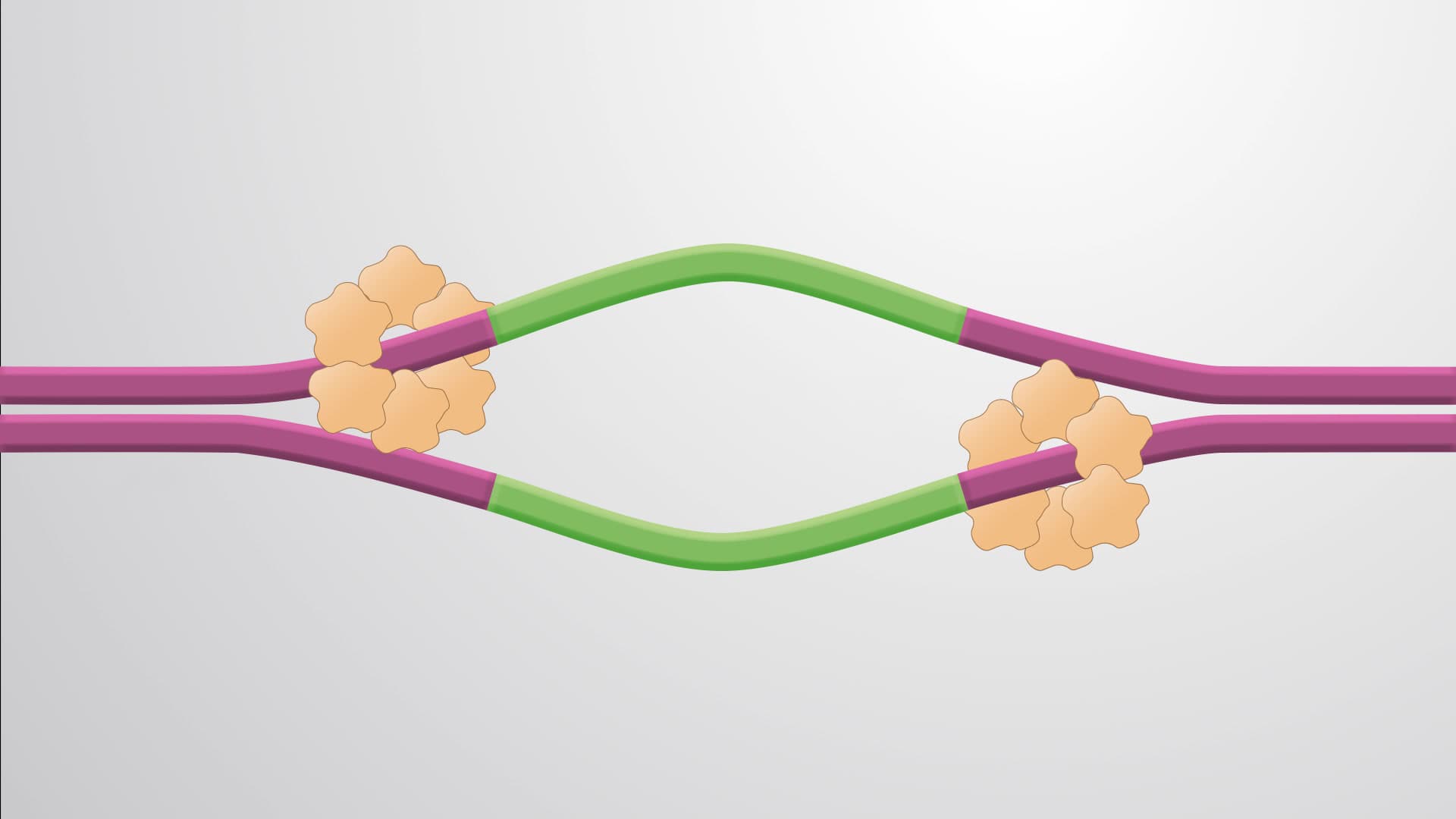
Replication in prokaryotes represents one of biology's most precisely orchestrated molecular processes. Unlike eukaryotic cells with multiple origins of replication, prokaryotes typically possess a single, well-defined starting point called the origin of replication (OriC). This streamlined approach allows bacteria like E. coli to rapidly reproduce, completing full genome duplication in approximately 40 minutes under optimal conditions.
The Initiation Process: Getting Started at OriC
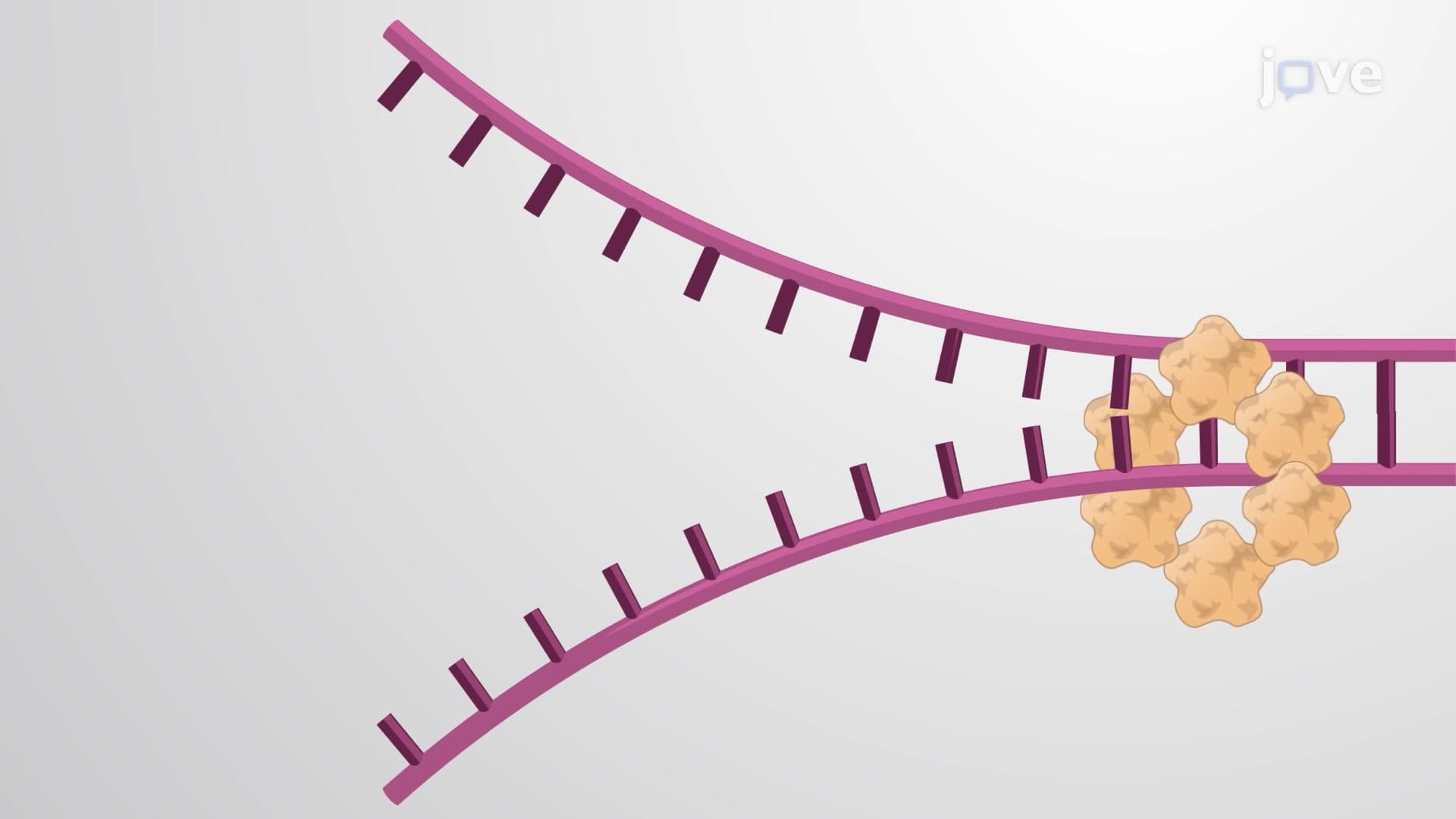
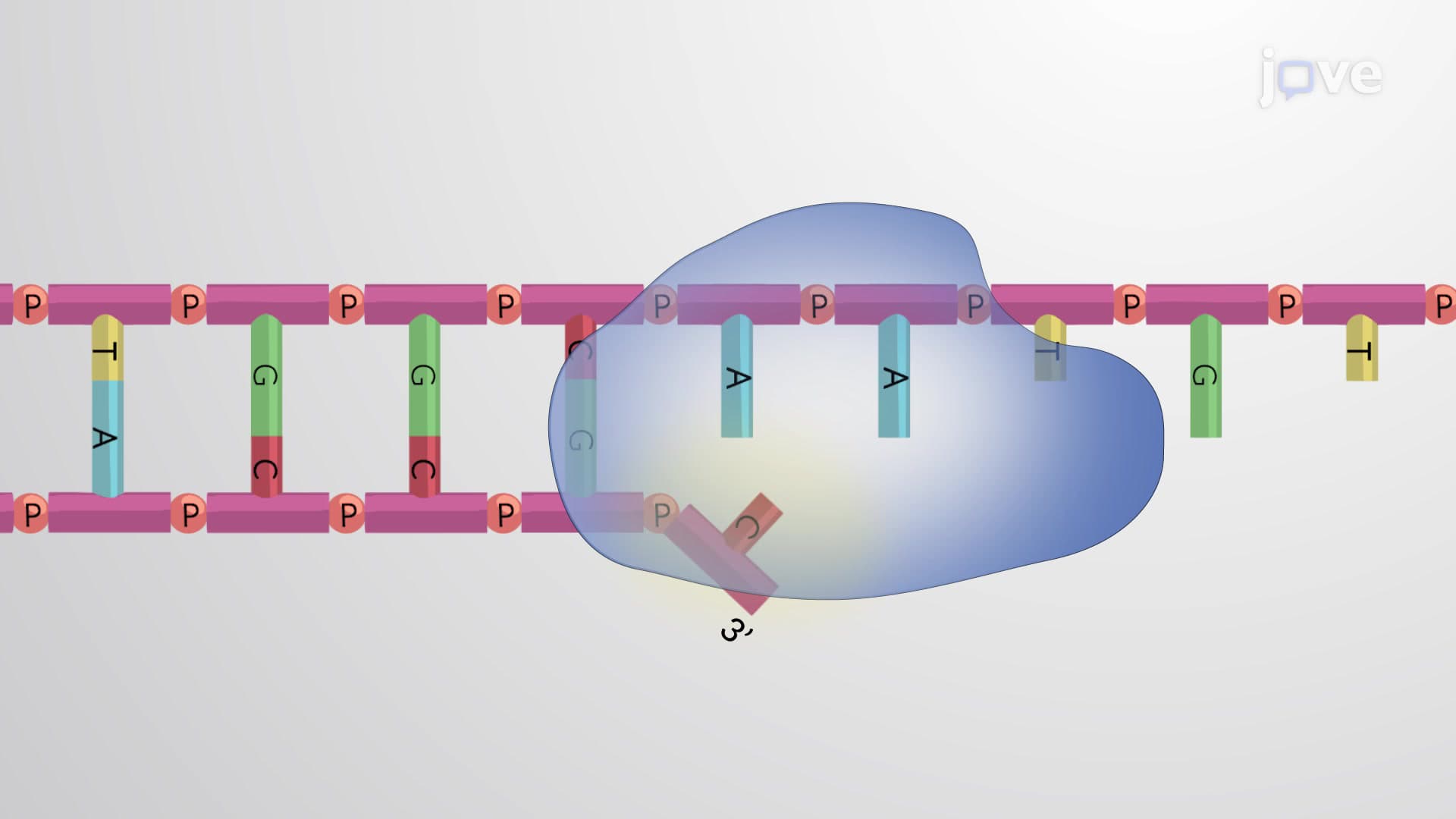
The replication process begins when specialized initiator proteins recognize and bind to specific DNA sequences within OriC. These proteins facilitate the initial separation of the double helix, creating an entry point for helicase enzymes. Helicase then "unzips" the DNA strands, moving in opposite directions to create the characteristic replication bubble. This process is essential for students preparing for the AP Biology exam, where understanding enzyme function and DNA structure comprises a significant portion of the molecular biology section.
Replication Fork Dynamics and Protein Coordination
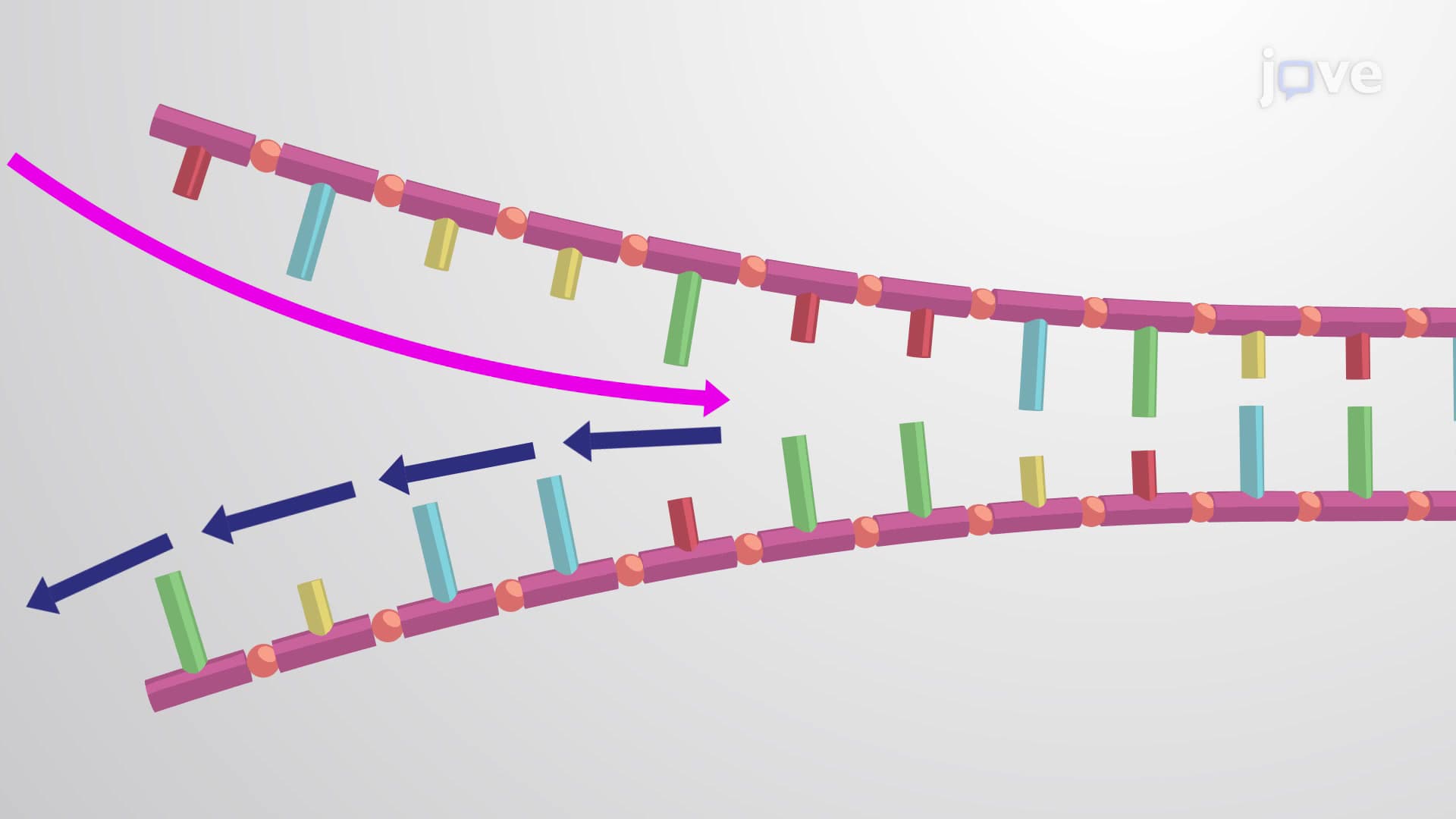
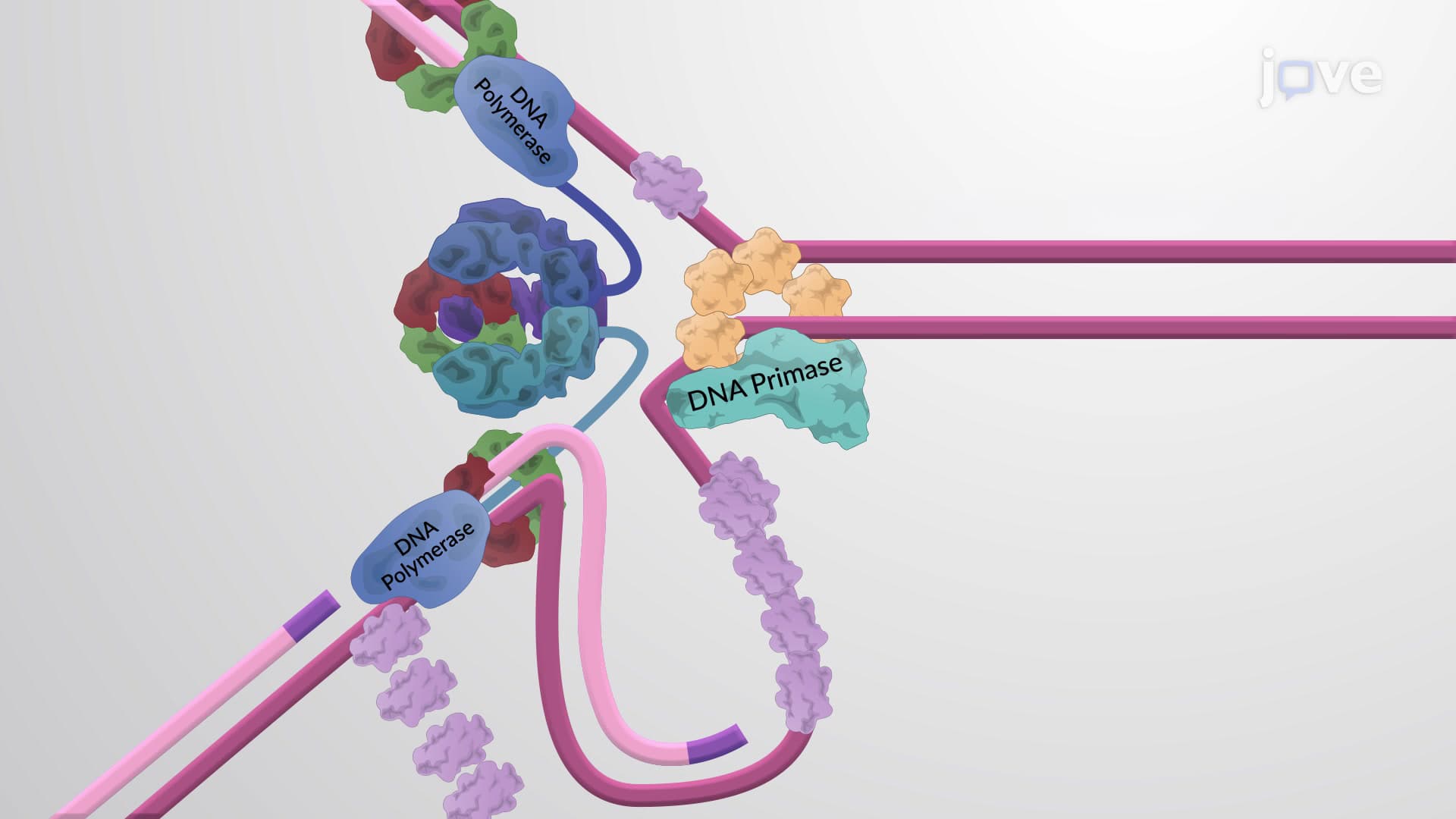
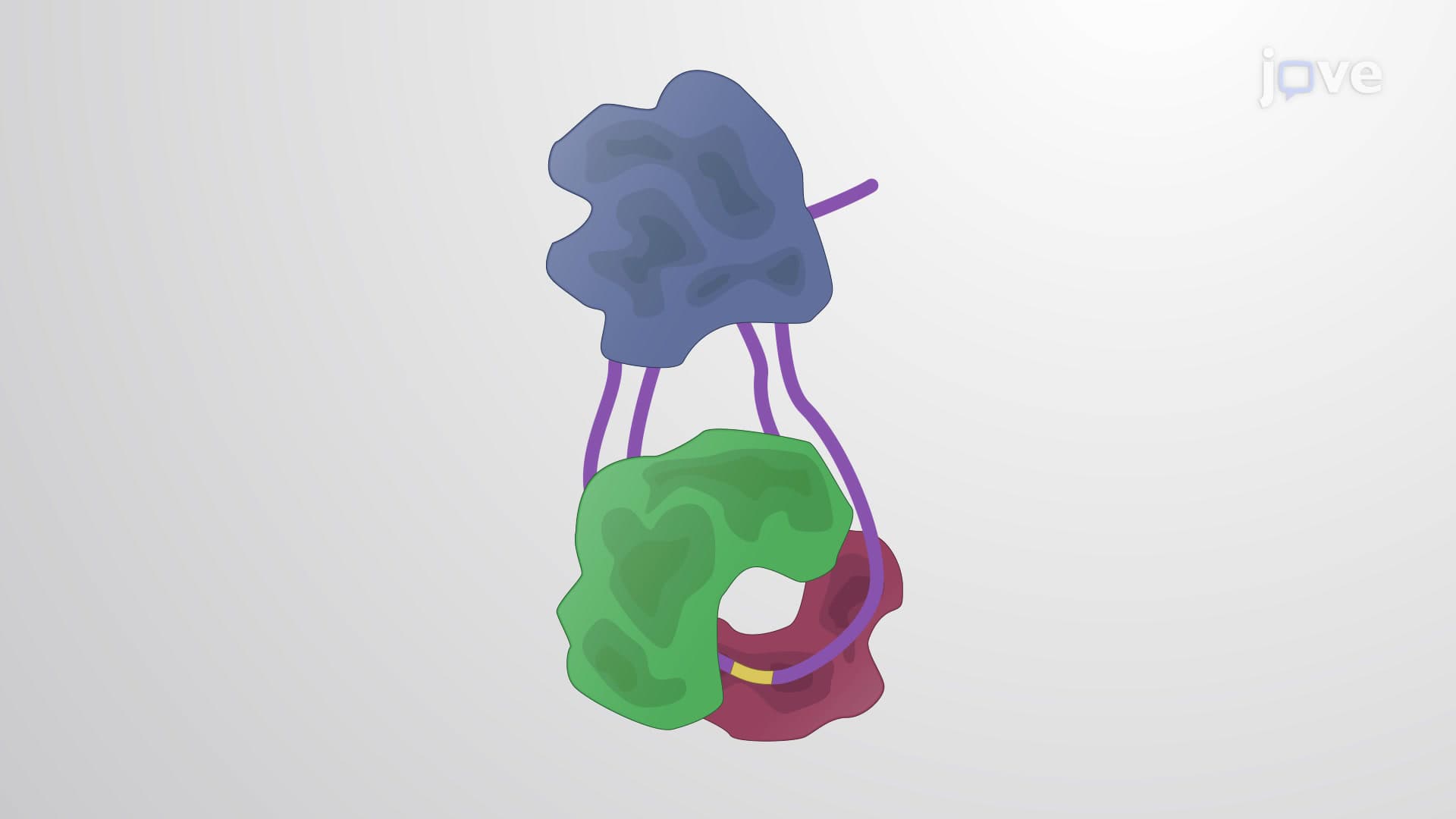
As helicases advance, they create two replication forks that move bidirectionally around the circular chromosome. Single-strand DNA binding proteins (SSBs) immediately coat the exposed single strands, preventing secondary structure formation and protecting the DNA from degradation. The multi-protein replication machinery then assembles at each fork, including DNA polymerases that synthesize both leading and lagging strands simultaneously. This coordination is particularly relevant for pre-med students, as questions about prokaryotic replication frequently appear on the MCAT biochemistry section.
Managing DNA Tension and Completing Replication
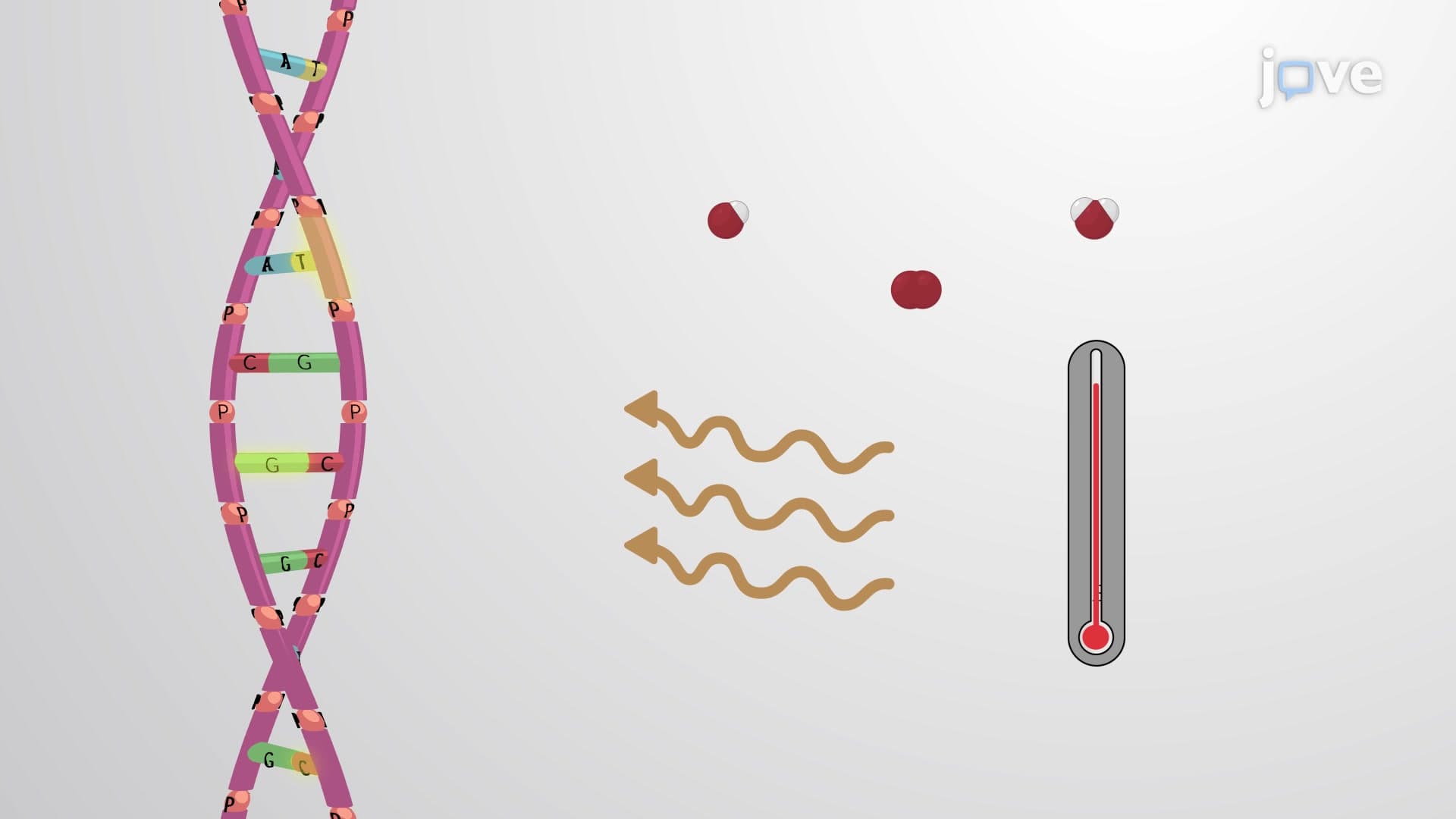
The unwinding process creates significant topological stress ahead of the replication forks, causing DNA supercoiling. Type I topoisomerases relieve this tension by creating temporary single-strand breaks, allowing the DNA to rotate freely before religating. Eventually, the two replication forks converge at termination (ter) sites, where specialized proteins halt further progression and facilitate the separation of daughter molecules. Understanding this process helps explain how antibiotic-resistant bacteria rapidly multiply in clinical settings, making it crucial knowledge for nursing students preparing for NCLEX examinations and healthcare professionals studying microbiology.
Frequently Asked Questions
Replication in prokaryotes is the process by which bacterial cells duplicate their circular DNA chromosome before cell division. It begins at a single origin (OriC), proceeds bidirectionally via two replication forks, and results in two identical daughter molecules through semi-conservative synthesis.
Prokaryotic replication occurs at a single origin on circular DNA, while eukaryotic replication uses multiple origins on linear chromosomes. Prokaryotes lack histones and have simpler termination mechanisms, making them faster and more efficient replicators than eukaryotic cells.
MCAT questions typically focus on semi-conservative replication, leading vs. lagging strand synthesis, enzyme functions (helicase, polymerase, topoisomerase), and the role of SSB proteins. Understanding bidirectional replication and termination mechanisms also appears in biochemistry passages.
Key enzymes include helicase (unwinding DNA), DNA polymerase (synthesizing new strands), topoisomerase (relieving supercoiling), and ligase (joining DNA fragments). SSB proteins, while not enzymes, are equally important for stabilizing single-stranded DNA during replication.
Rapid prokaryotic replication allows bacteria to quickly multiply and spread resistance genes through horizontal gene transfer. This knowledge helps healthcare workers understand how resistant strains like MRSA develop and spread in clinical environments.
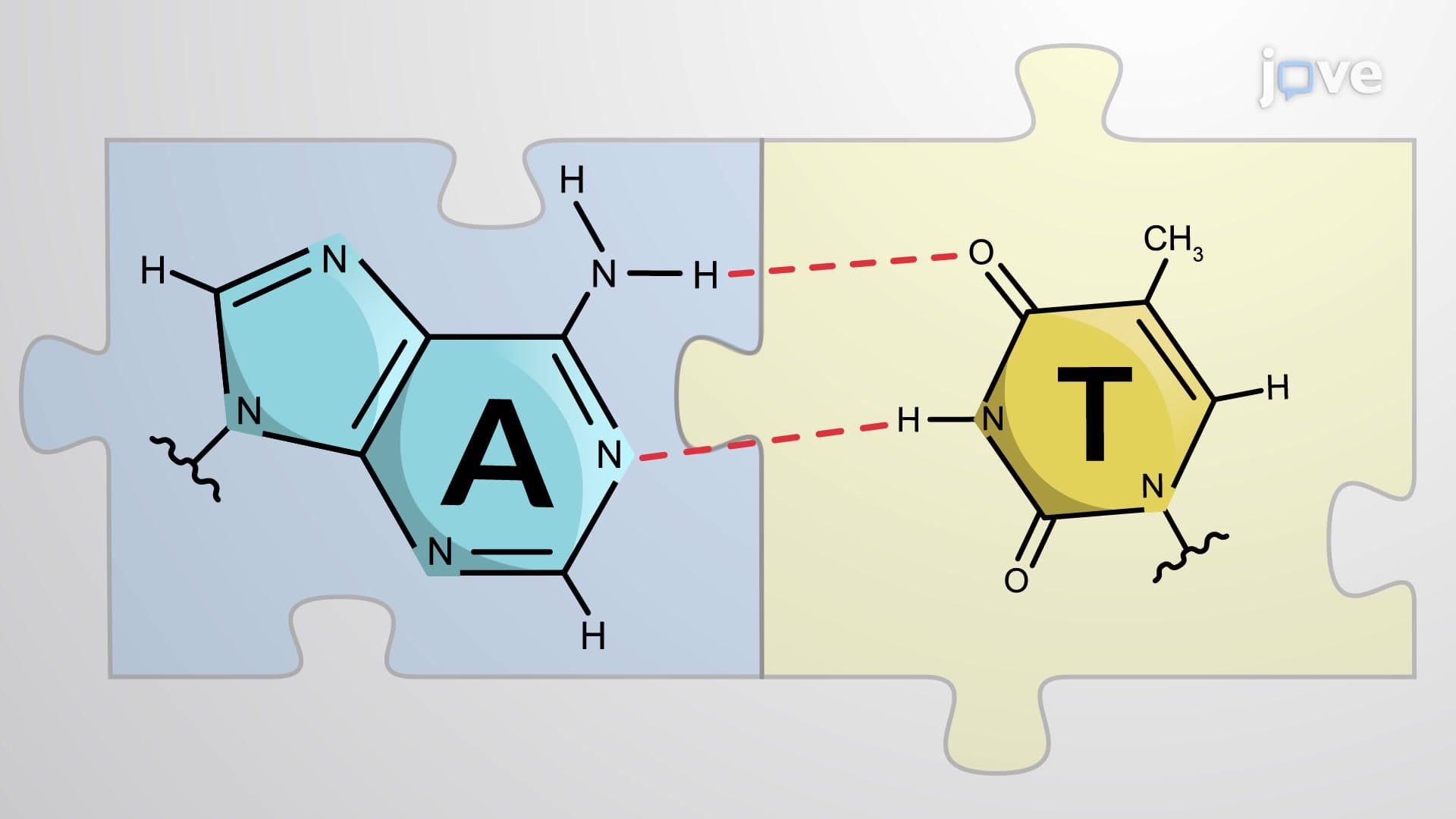
Basic high school chemistry suffices for understanding prokaryotic replication concepts. Focus on hydrogen bonding, complementary base pairing, and enzyme-substrate interactions rather than complex organic chemistry mechanisms.
Create flow charts showing the step-by-step process from initiation to termination. Practice drawing replication forks and labeling key proteins. Use active recall by explaining the process aloud without notes to identify knowledge gaps.
Explore eukaryotic replication differences, DNA repair mechanisms, and transcription regulation in prokaryotes. Understanding plasmid replication and bacterial transformation will also deepen your molecular biology knowledge for advanced coursework.
Related Micro-courses
18 Concepts

11 Concepts

14 Concepts