Loading subject page…


210,025 views

Video Summary: What Is Restarting Stalled Replication Forks
Every time your cells divide, they face a molecular traffic jam that could spell disaster for your DNA. Restarting stalled replication forks is the cellular rescue operation that prevents chromosomal chaos when DNA copying hits roadblocks like damage or protein barriers. Consider how cancer researchers at Johns Hopkins University study these mechanisms to develop targeted therapies that exploit replication stress in tumor cells. Understanding what is restarting stalled replication forks reveals how cells maintain genetic integrity under pressure. Watch the full video on JoVE Coach to master this concept with expert-led visuals and step-by-step explanations.
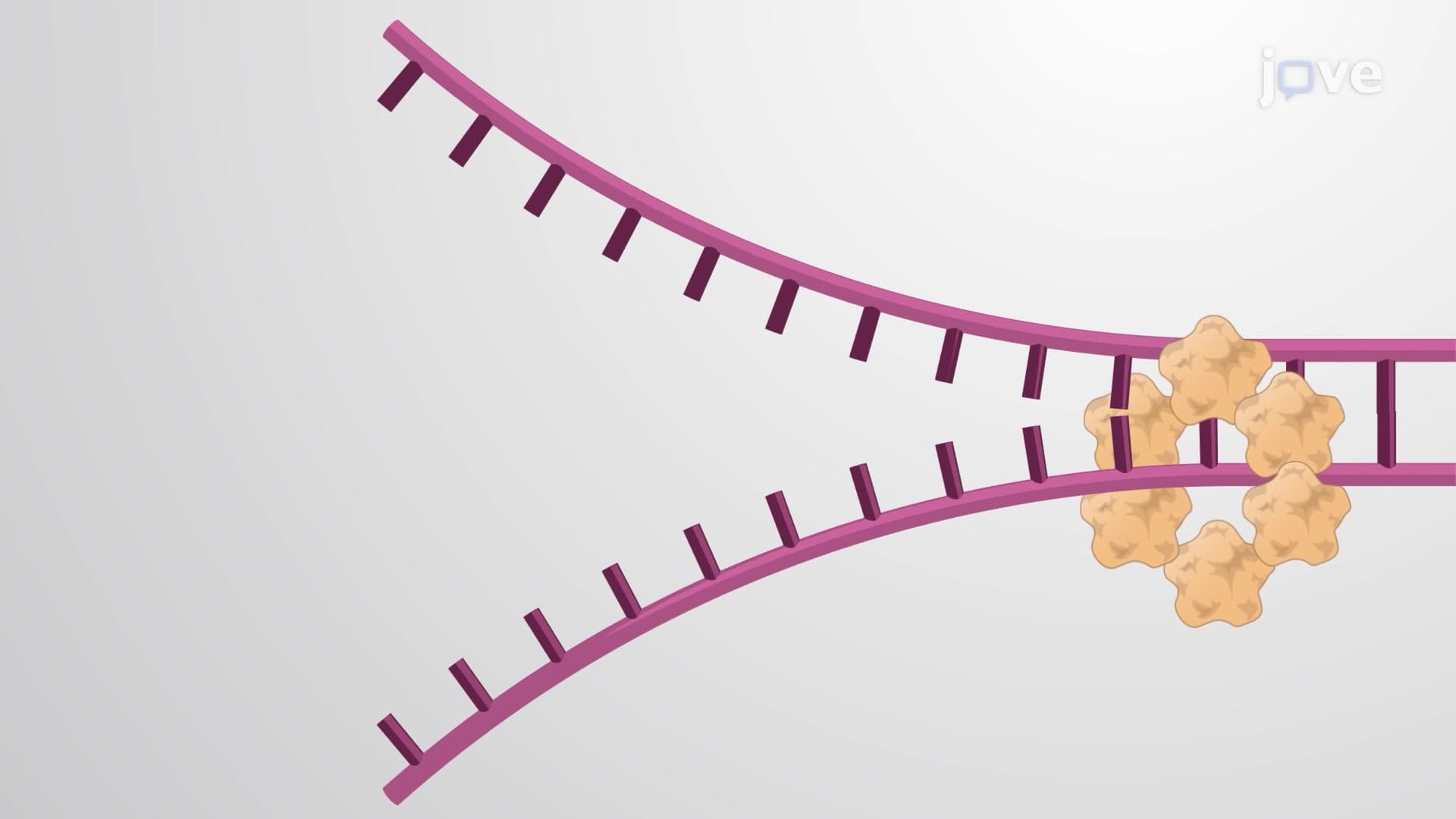
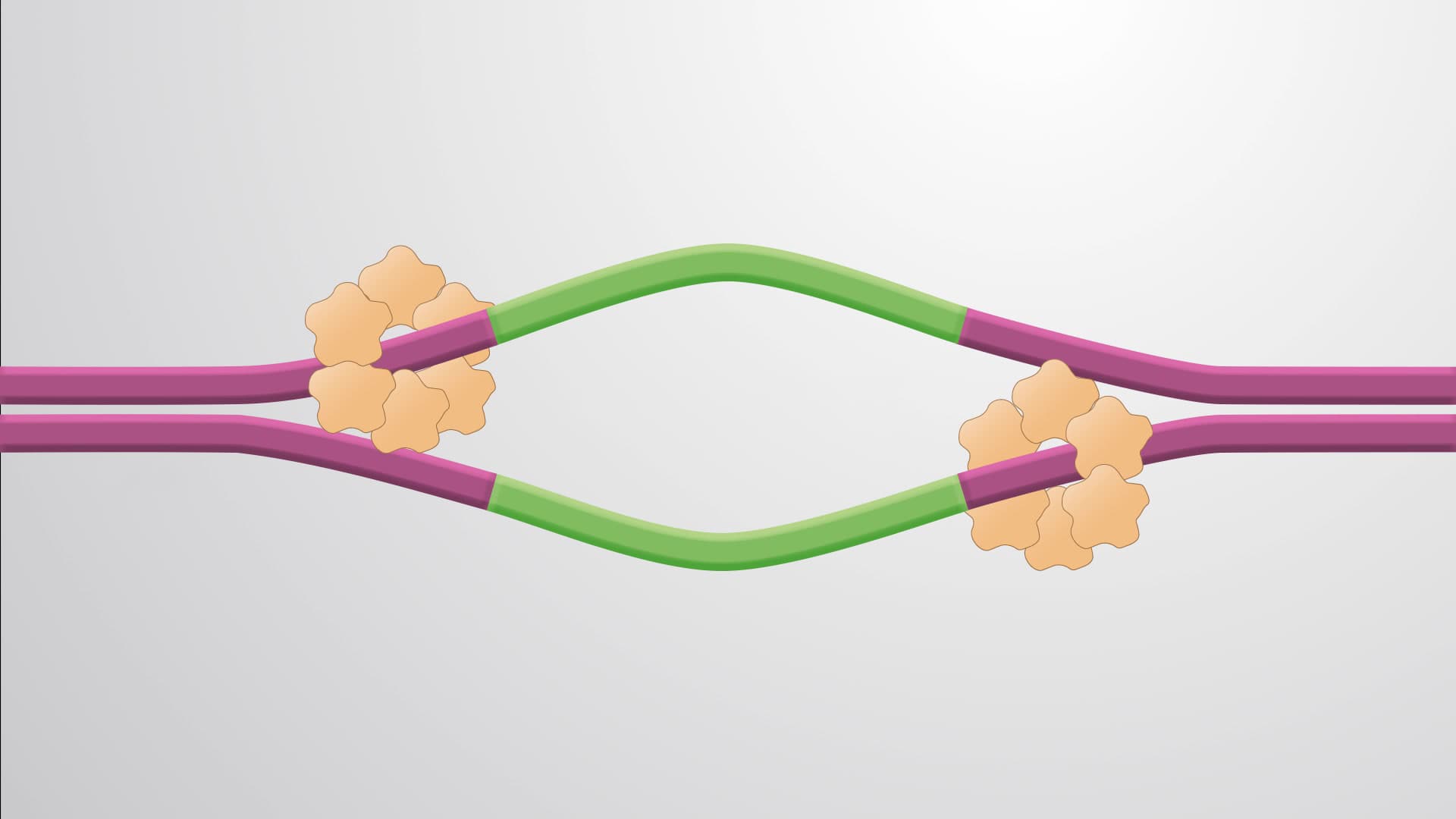
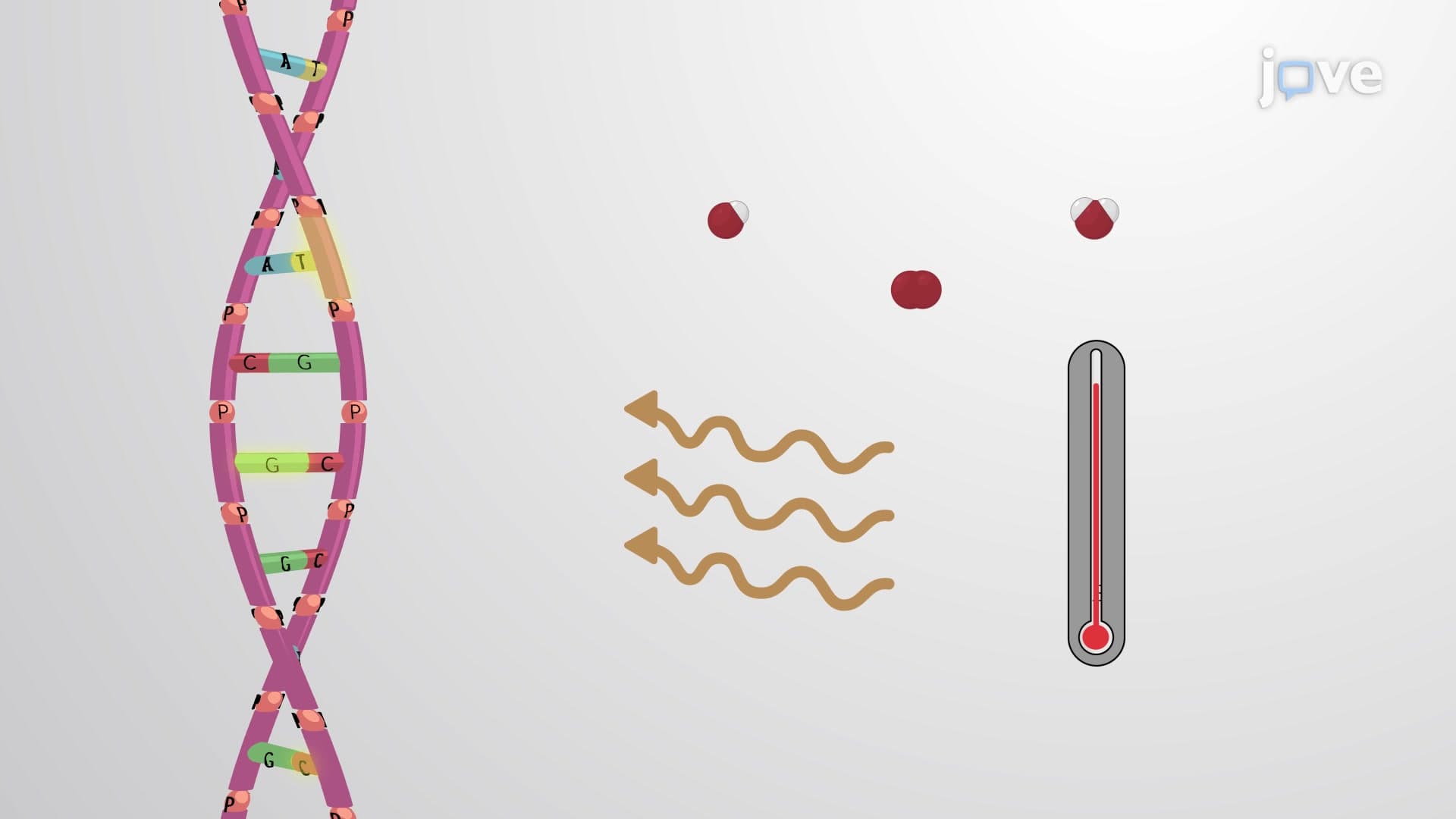
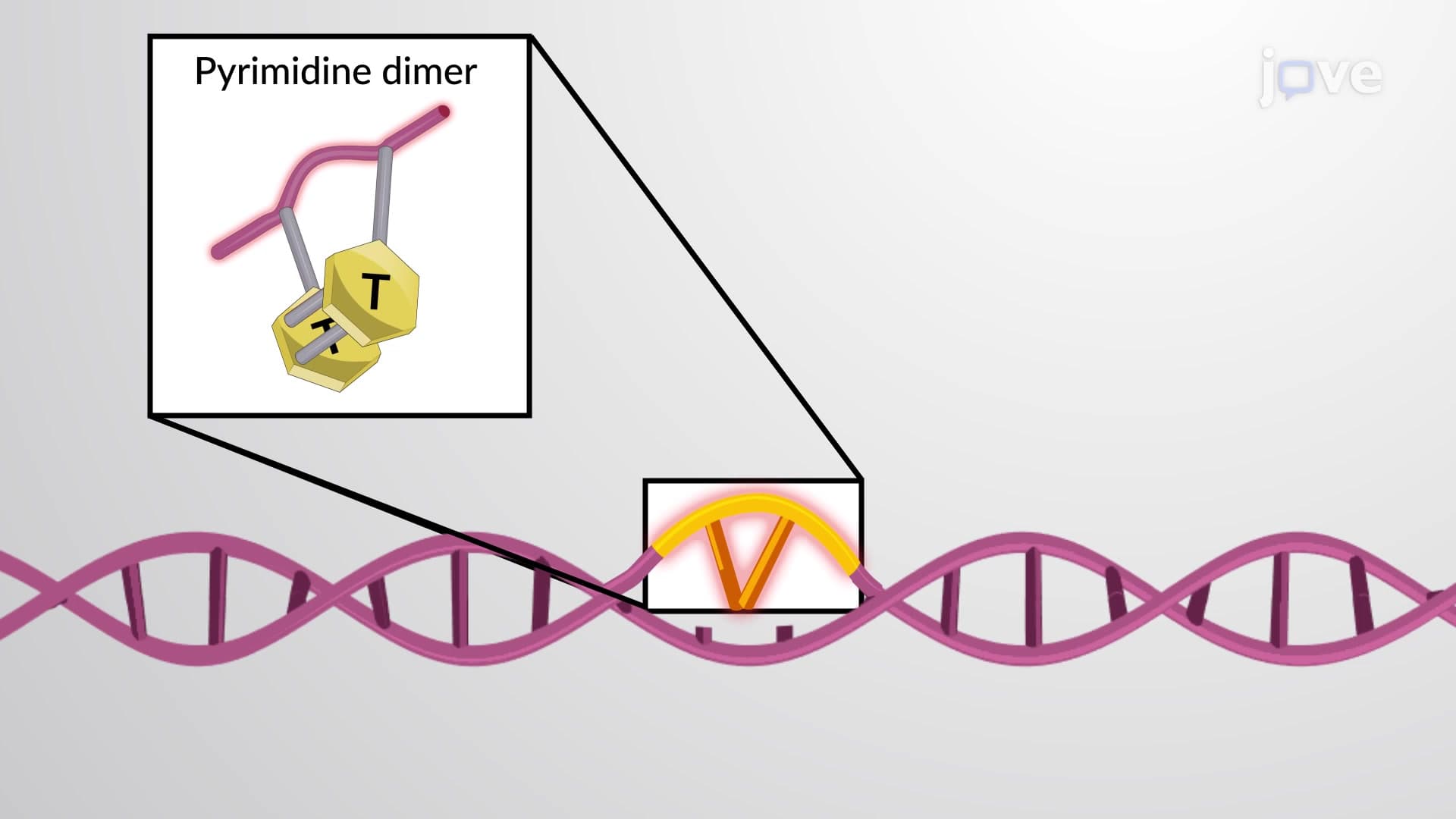
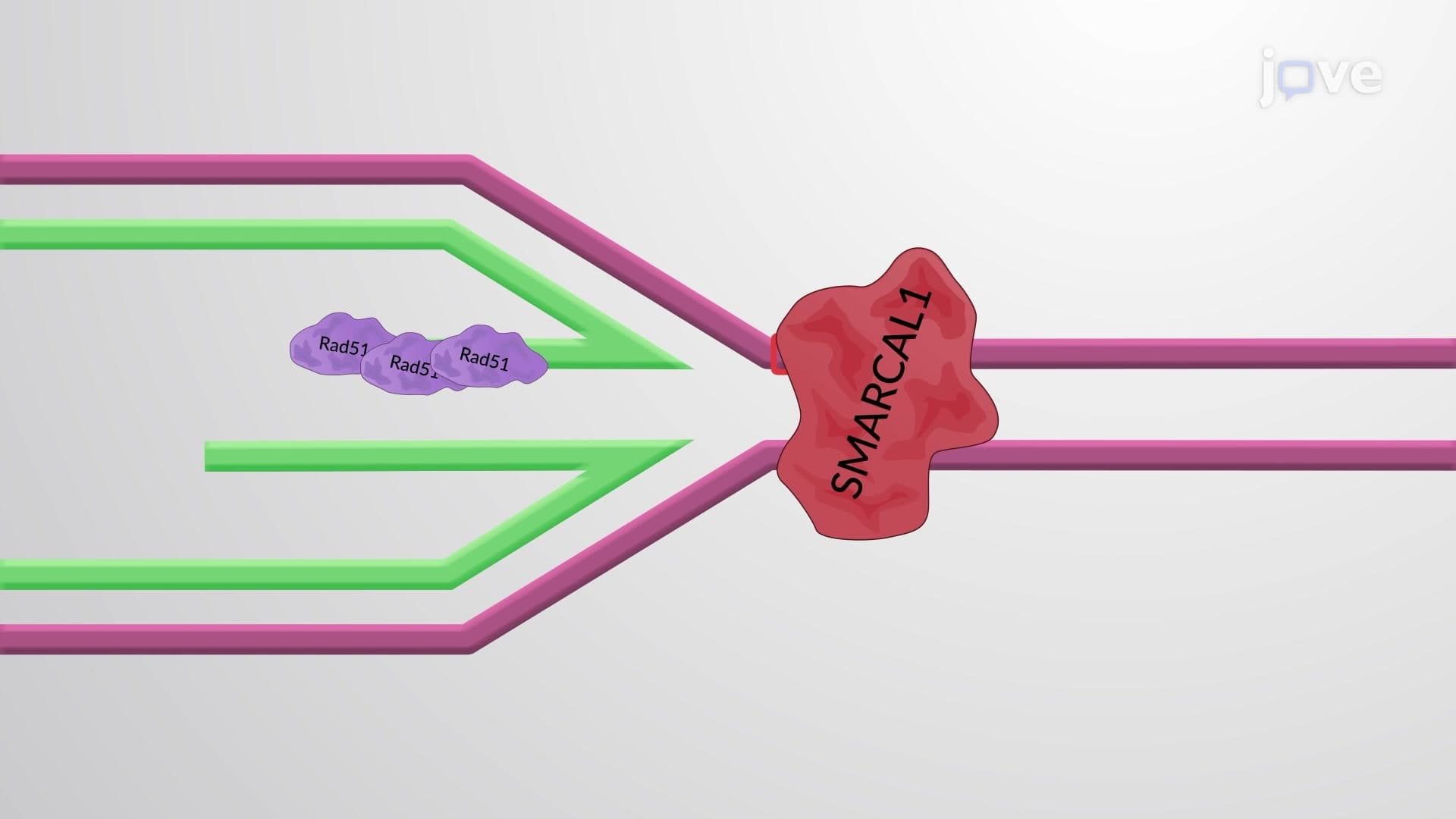
Restarting stalled replication forks represents one of cellular biology's most sophisticated quality control systems. During DNA replication, the replication machinery can encounter obstacles that halt progress-damaged DNA bases, tightly bound transcription factors, or complex secondary structures like G-quadruplexes. Without intervention, these stalled forks collapse into dangerous double-strand breaks that threaten chromosome integrity.
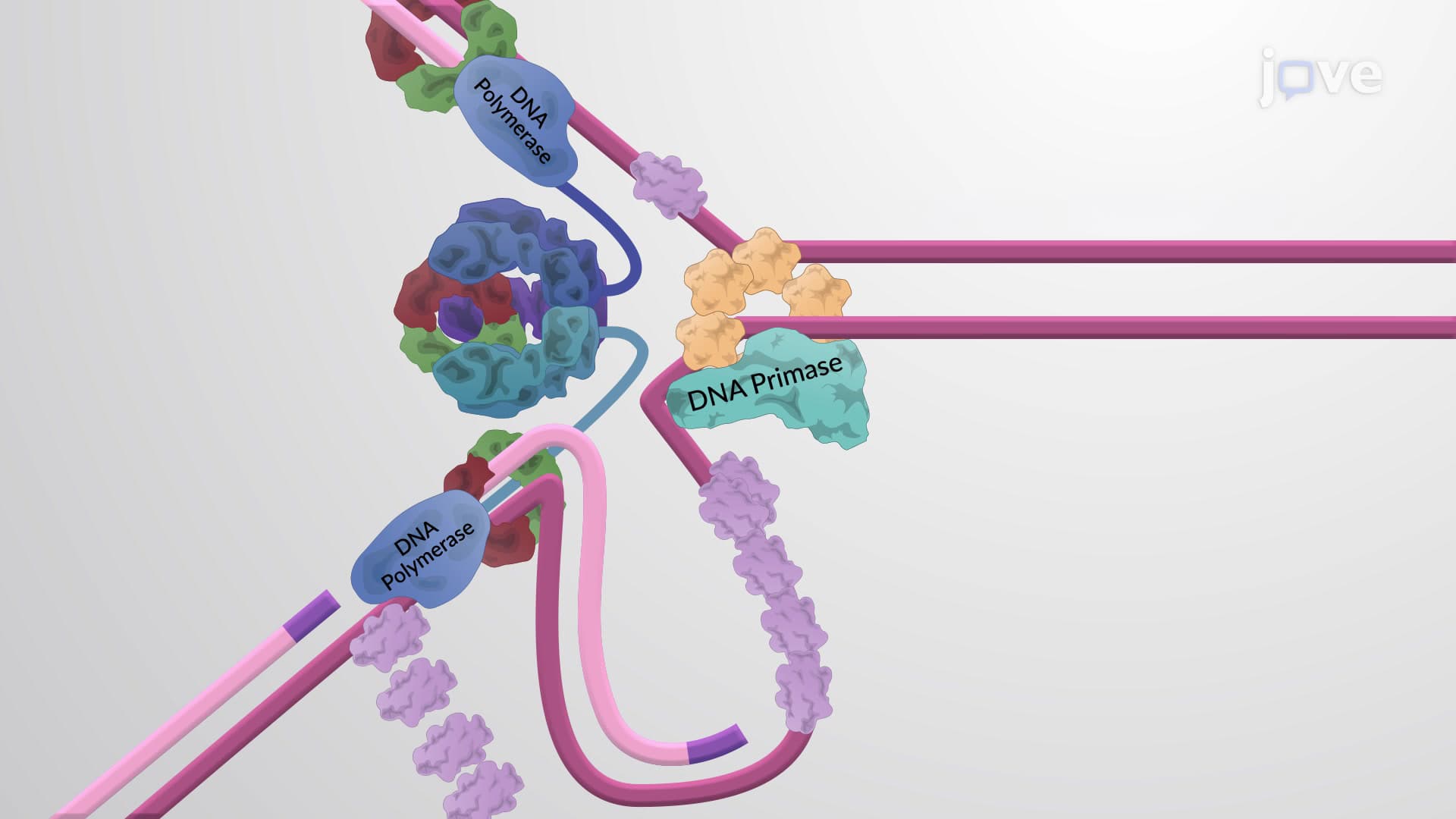
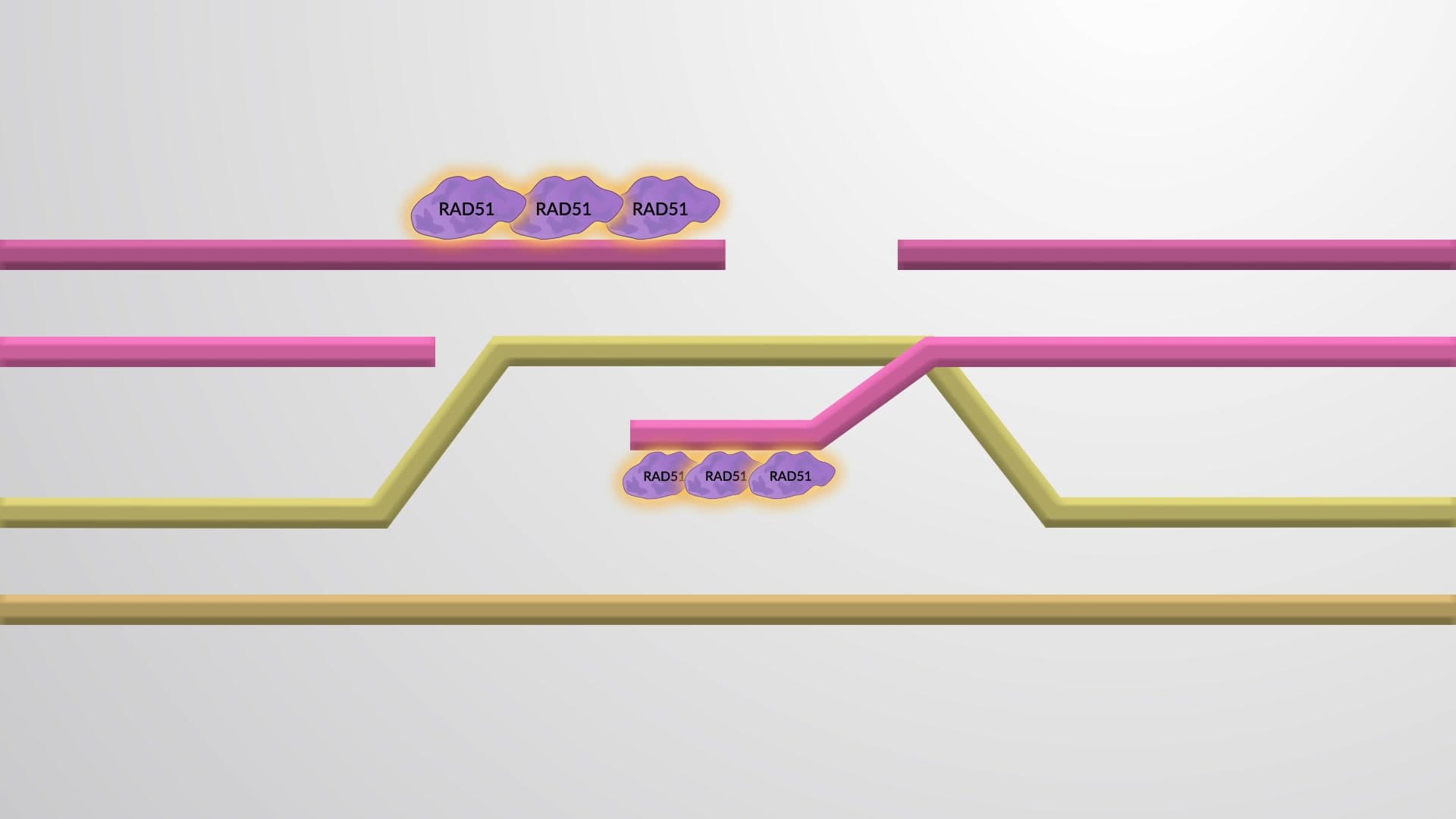
Cells deploy multiple strategies to rescue stalled replication. Fork remodeling involves specialized helicases that can reverse or restructure the stalled fork, essentially giving the replication machinery a fresh start. Alternatively, repriming allows cells to skip over problematic DNA regions by synthesizing new RNA primers downstream of lesions. The most sophisticated mechanism involves homologous recombination, where RAD51 and related proteins facilitate template switching to bypass obstacles using sister chromatids as templates.
Research at leading US institutions like Memorial Sloan Kettering Cancer Center has revealed that cancer cells often experience chronic replication stress, making them dependent on fork restart mechanisms. This dependency creates therapeutic opportunities-drugs that further compromise fork restart can selectively target cancer cells while sparing normal tissue. For example, PARP inhibitors exploit defective homologous recombination in BRCA-mutated breast and ovarian cancers.
The process involves intricate coordination between replication machinery and cell cycle checkpoints. ATR kinase serves as a master regulator, detecting stalled forks and activating protective responses. This signaling prevents premature cell division while repair occurs, highlighting how restarting stalled replication forks connects to broader cellular quality control systems.
Students preparing for the MCAT or AP Biology exams should understand how replication fork restart exemplifies cellular homeostasis-the balance between progression and fidelity that maintains genetic stability across generations.
Related Micro-courses