Loading subject page…


210,026 views

Video Summary: What Is Telomeres and Telomerase
Did you know that every time your cells divide, your chromosomes get slightly shorter, like a candle burning down? Telomeres and telomerase work together as your body's cellular timekeepers, with telomeres acting as protective caps on chromosomes and telomerase serving as the enzyme that maintains them. Research at Johns Hopkins University has shown that telomerase activity in stem cells helps explain why some tissues regenerate better than others. Understanding what is telomeres and telomerase reveals the molecular basis of aging and cancer biology. Watch the full video on JoVE Coach to master this concept with expert-led visuals and step-by-step explanations.
Telomeres and telomerase represent one of biology's most elegant solutions to a fundamental problem: how to protect genetic information while allowing cells to divide and multiply. This partnership between structure and enzyme has revolutionized our understanding of aging, cancer, and cellular longevity.
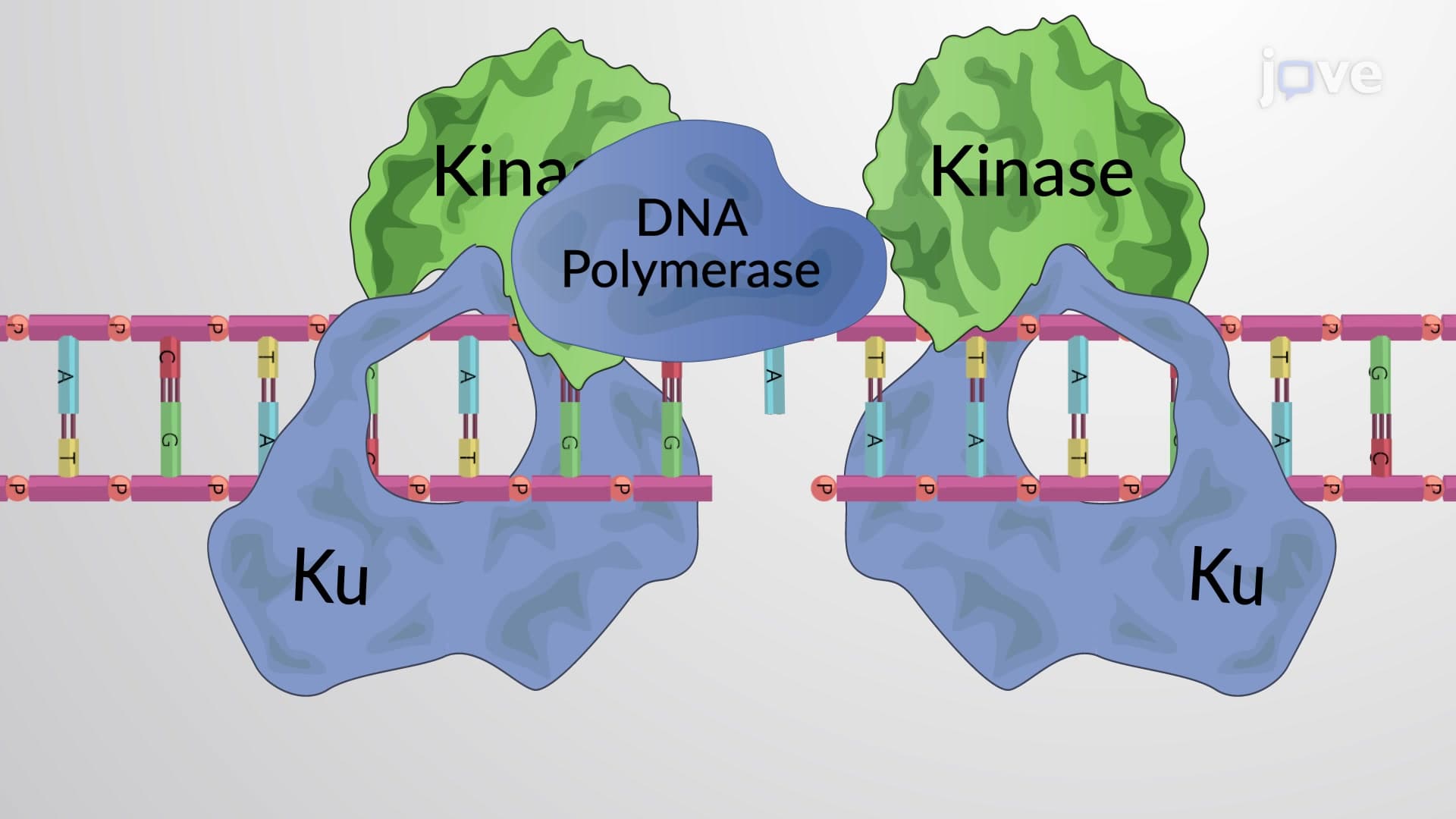
Telomeres are specialized DNA-protein structures that cap the ends of linear chromosomes, consisting of repetitive nucleotide sequences (TTAGGG in humans) that can extend for thousands of base pairs. These sequences don't code for proteins but serve a crucial protective function, preventing chromosome ends from being recognized as DNA breaks that would trigger unwanted repair mechanisms.
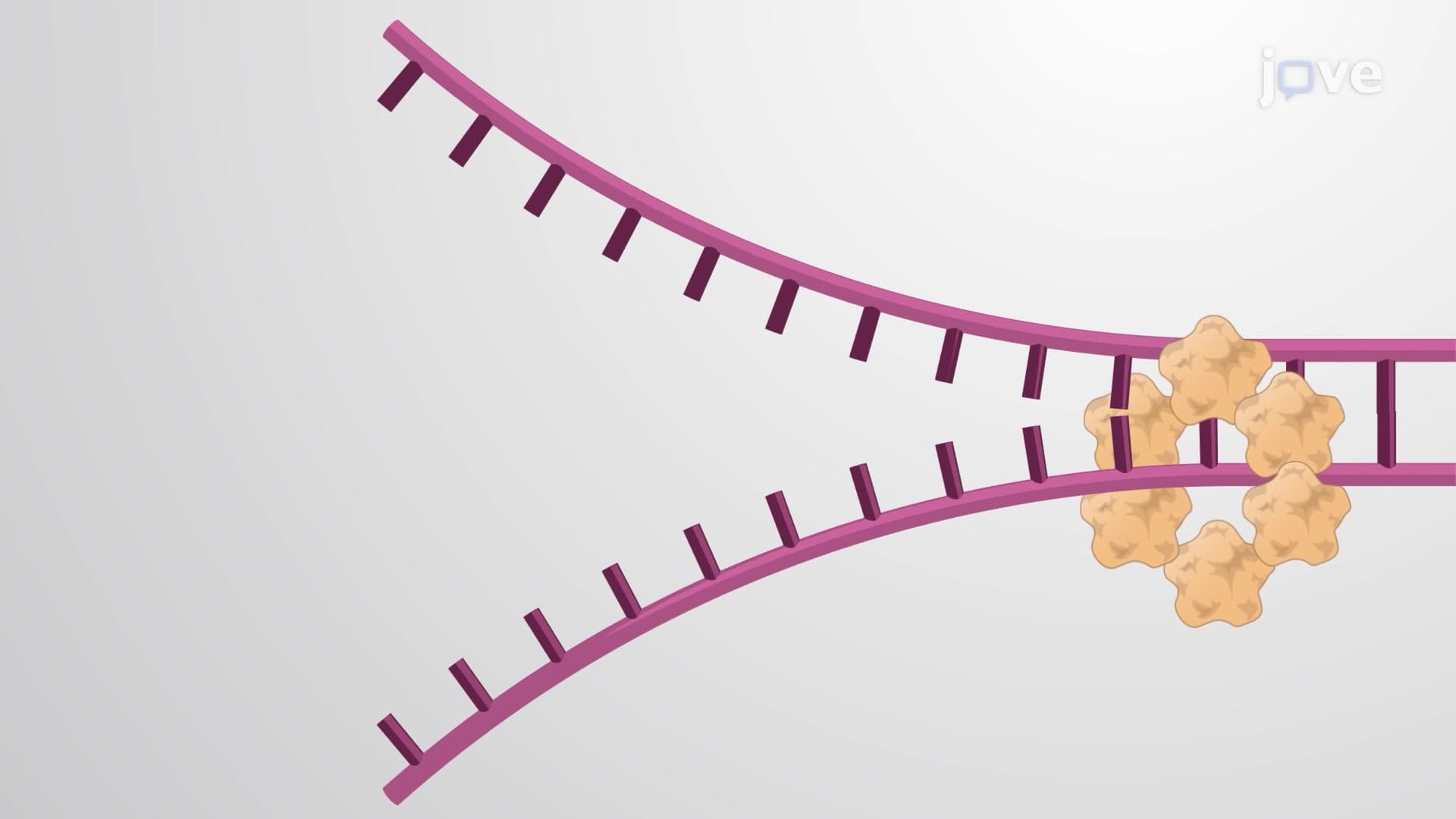
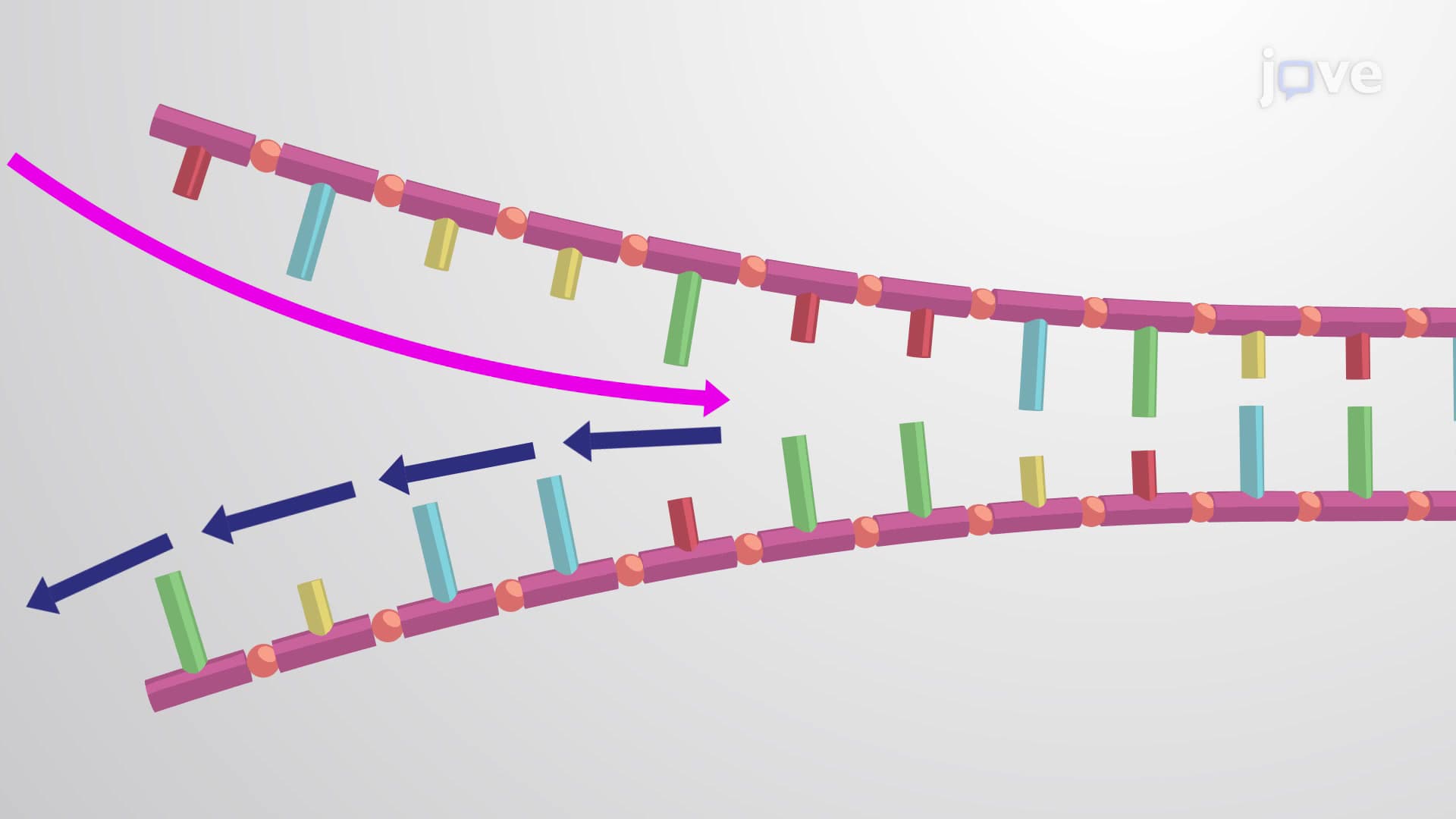
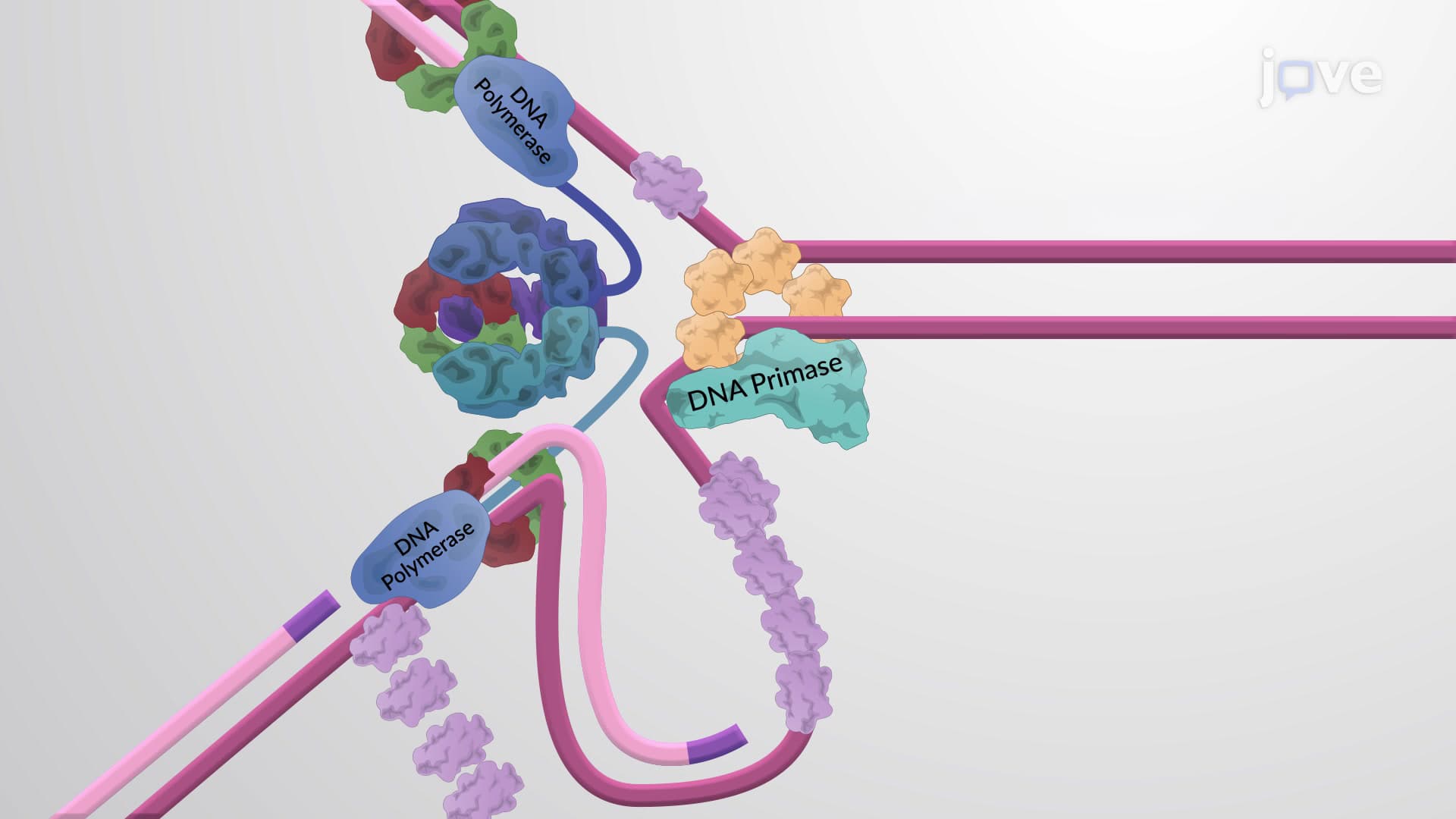
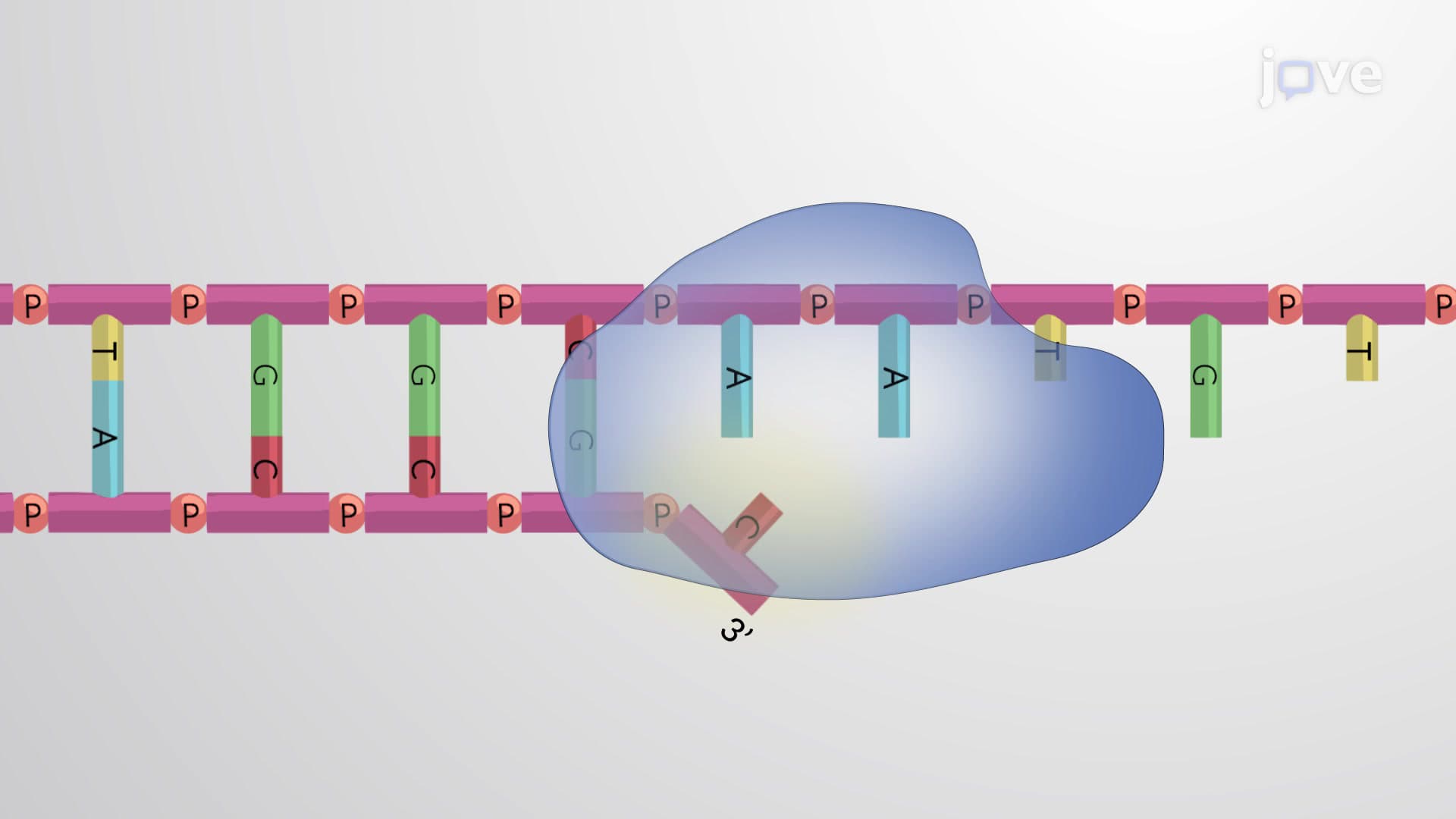
The necessity for telomeres stems from the end-replication problem, a limitation inherent in how DNA polymerase functions. During DNA replication, the enzyme cannot completely replicate the 3' end of the lagging strand, resulting in progressive shortening with each cell division. Without telomeres, essential genetic information would be lost, leading to chromosome instability and cell death. This concept frequently appears on AP Biology exams and MCAT questions, where students must explain why linear chromosomes require special protection mechanisms that circular bacterial chromosomes don't need.
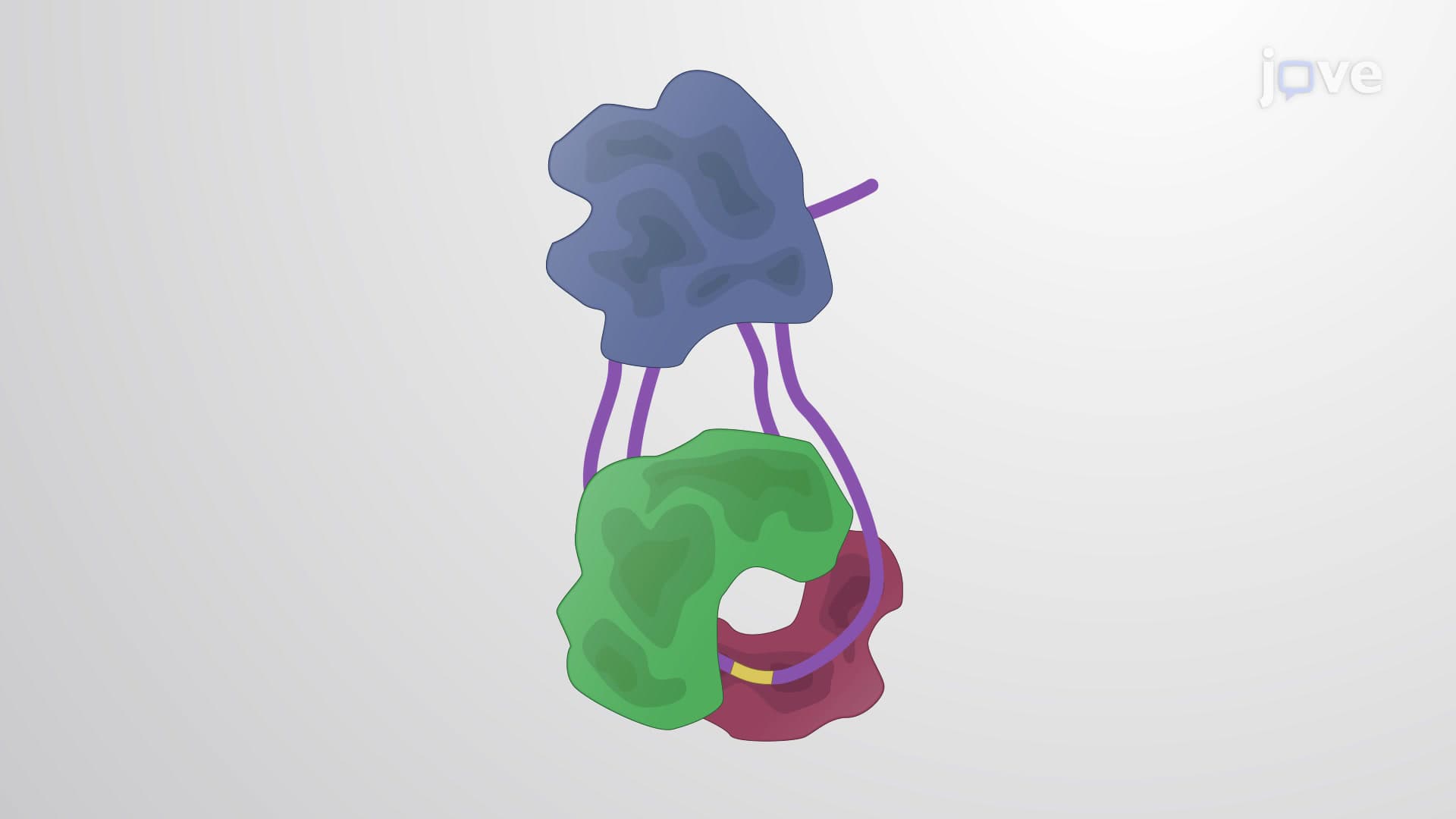
Telomerase is a unique ribonucleoprotein enzyme that solves the end-replication problem by adding telomeric sequences to chromosome ends. Unlike typical DNA polymerases, telomerase carries its own RNA template (TERC) within the enzyme complex, allowing it to synthesize new telomeric DNA without requiring an external template. The catalytic protein component (TERT) works with this internal RNA to extend telomeres, essentially turning back the cellular clock.
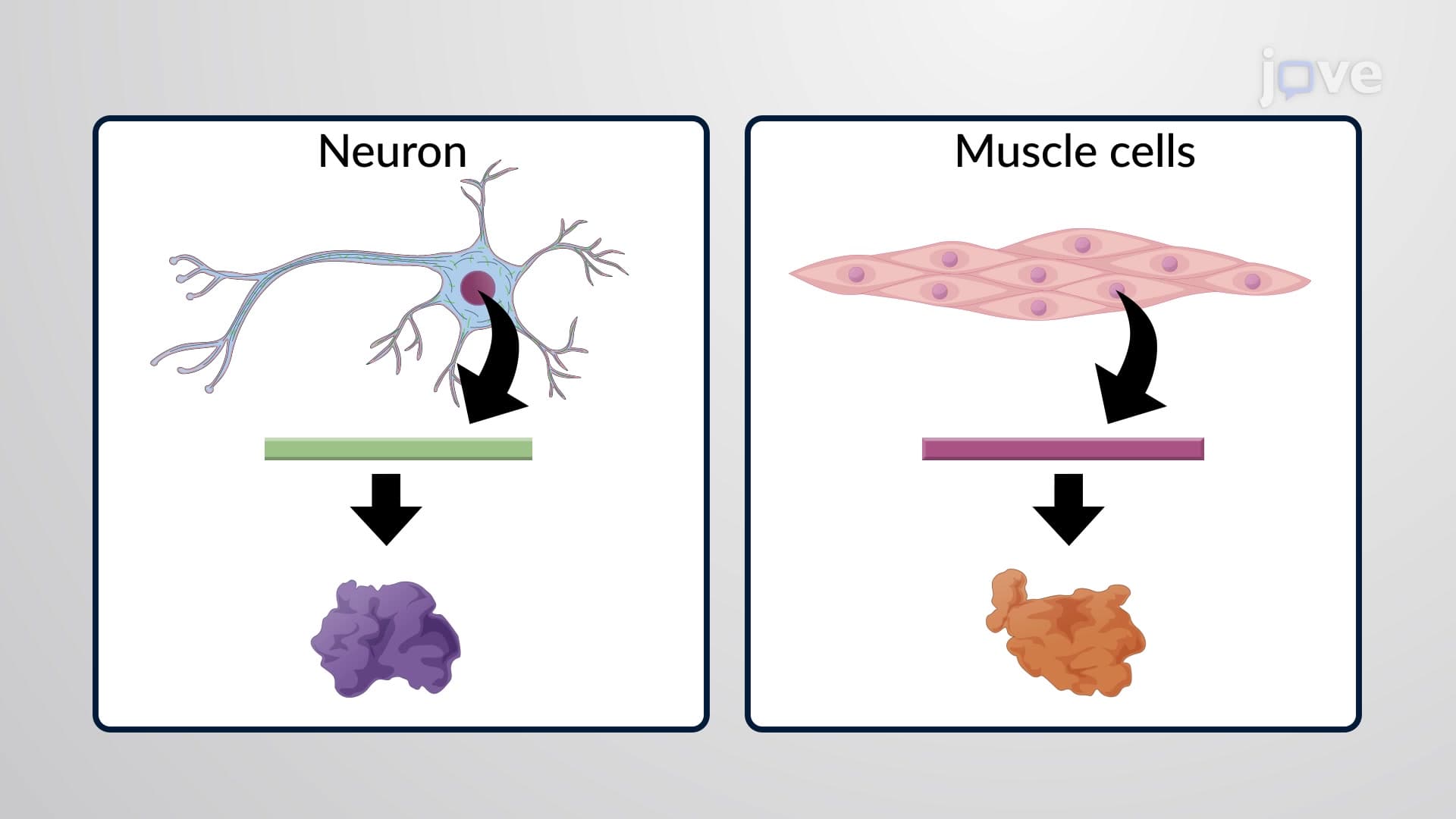
Research conducted at institutions like Stanford University and the University of California has shown that telomerase activity varies dramatically between cell types. Germ cells, embryonic stem cells, and certain immune cells maintain high telomerase activity to preserve their proliferative capacity. However, most somatic cells show little to no telomerase activity, leading to the gradual telomere shortening associated with aging and eventual cellular senescence.
The discovery of telomeres and telomerase, which earned Elizabeth Blackburn, Carol Greider, and Jack Szostak the 2009 Nobel Prize in Physiology or Medicine, has opened new avenues in medicine and biotechnology. Cancer cells often reactivate telomerase to achieve immortalization, making this enzyme both a target for cancer therapy and a marker for malignant transformation. Conversely, strategies to enhance telomerase activity in normal cells are being explored as potential anti-aging interventions, though such approaches require careful consideration of cancer risk.
Related Micro-courses