Loading subject page…

- Cell Biology
- DNA Replication and Repair
- The DNA Replication Fork
Micro-course: DNA Replication and Repair
210,025 views
Learn key concepts and earn your certificate.


The DNA Replication Fork

00:00
01:02
Video Summary: What Is the DNA Replication Fork
Every second, millions of cells in your body perform one of life's most precise operations: copying their entire genetic blueprint without a single error. The DNA replication fork is the molecular machinery that makes this remarkable feat possible, functioning like a highly coordinated assembly line that unzips and duplicates DNA strands simultaneously. Consider how the FDA requires pharmaceutical companies to maintain perfect genetic consistency in biological drug production-this same precision occurs naturally in every dividing cell through replication fork activity. Watch the full video on JoVE Coach to master this concept with expert-led visuals and step-by-step explanations.
- Understand what is the DNA replication fork and its essential role as the active site where double-stranded DNA unwinds and new strands are synthesized
- Identify the key enzymes involved in replication fork function, including helicase, DNA polymerase, primase, and ligase, and their specific contributions
- Analyze why the replication fork creates asymmetric synthesis patterns, producing continuous leading strands and discontinuous lagging strand Okazaki fragments
- Compare the directional requirements of leading strand versus lagging strand synthesis and how this relates to the 5' to 3' polymerase activity
- Evaluate the coordination mechanisms that prevent replication errors and maintain genomic stability during fork progression
- Apply knowledge of replication fork dynamics to explain how certain antibiotics and chemotherapy drugs target DNA synthesis
- Recognize the clinical significance of replication fork stalling and its connection to cancer development and genetic disorders
- Explore how understanding replication fork mechanics informs modern biotechnology applications and drug development strategies
Understanding What is The DNA Replication Fork
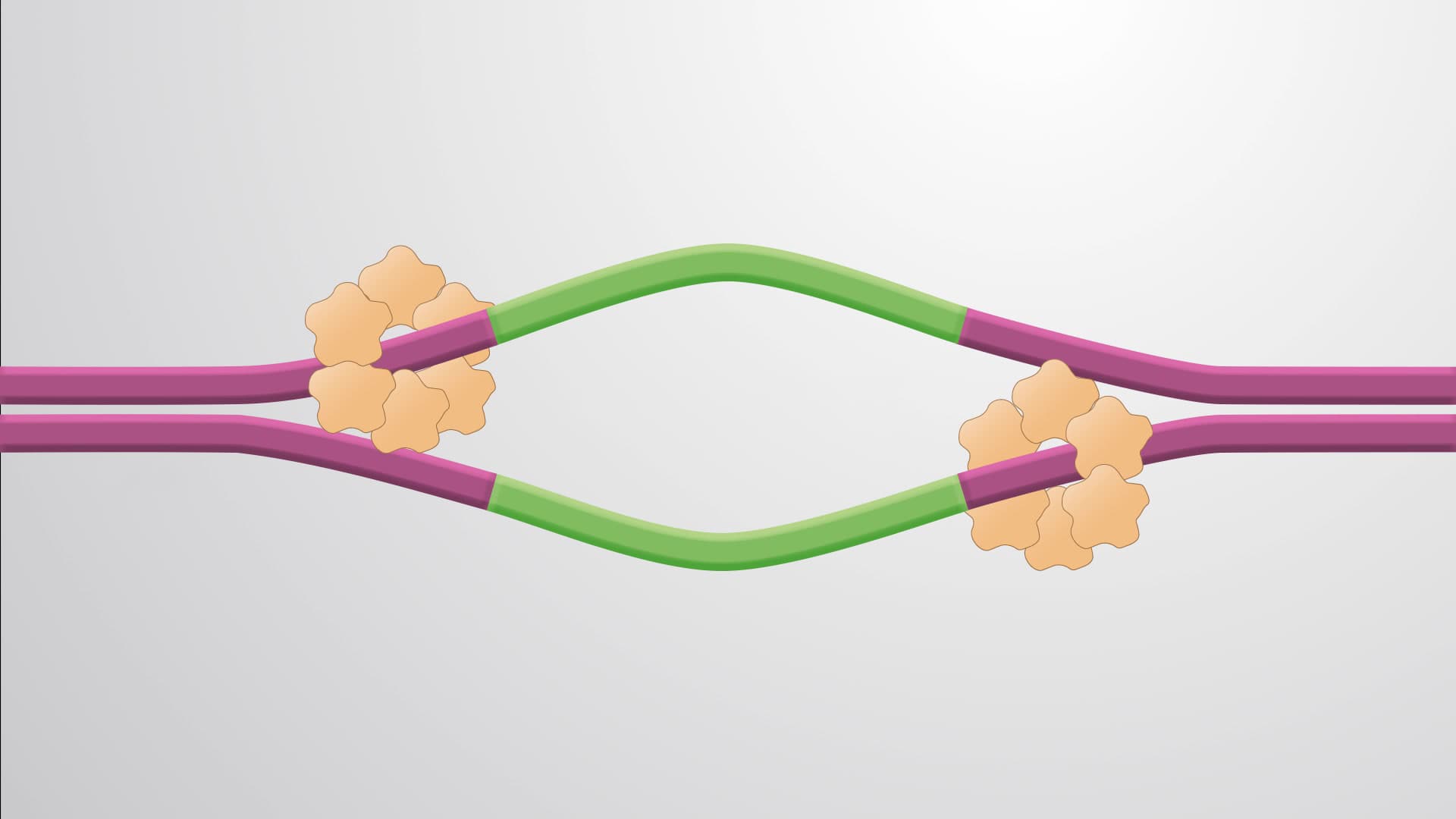
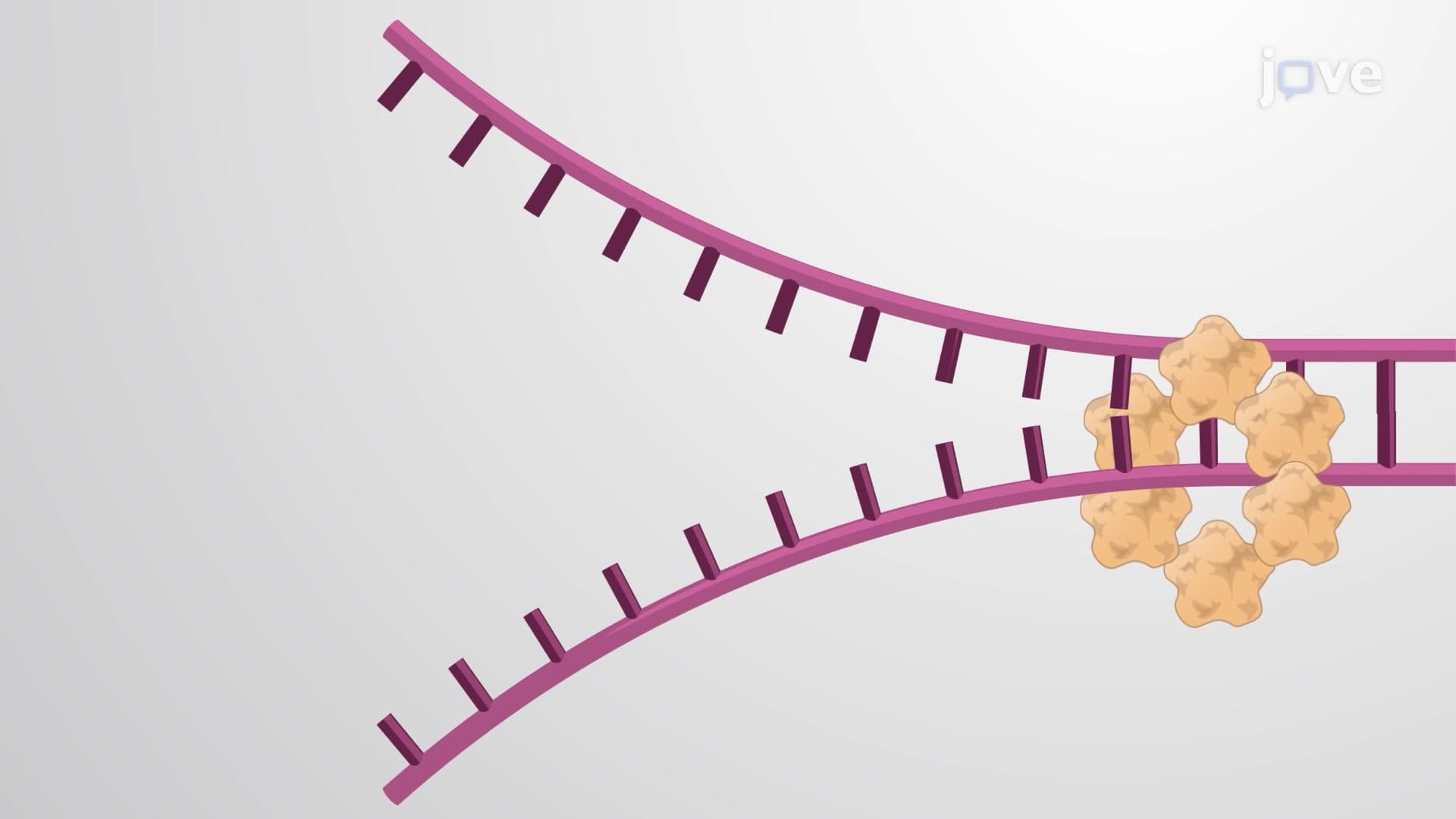
The DNA replication fork represents one of biology's most elegant molecular machines-a Y-shaped structure that forms when the DNA double helix unwinds during cell division. Think of it as a molecular zipper that opens in both directions simultaneously, allowing the cell's copying machinery to access the genetic information stored in each strand. This process is so fundamental that every AP Biology exam and MCAT includes questions about replication fork mechanics, making it essential knowledge for any student pursuing life sciences.
Molecular Architecture and Enzyme Coordination
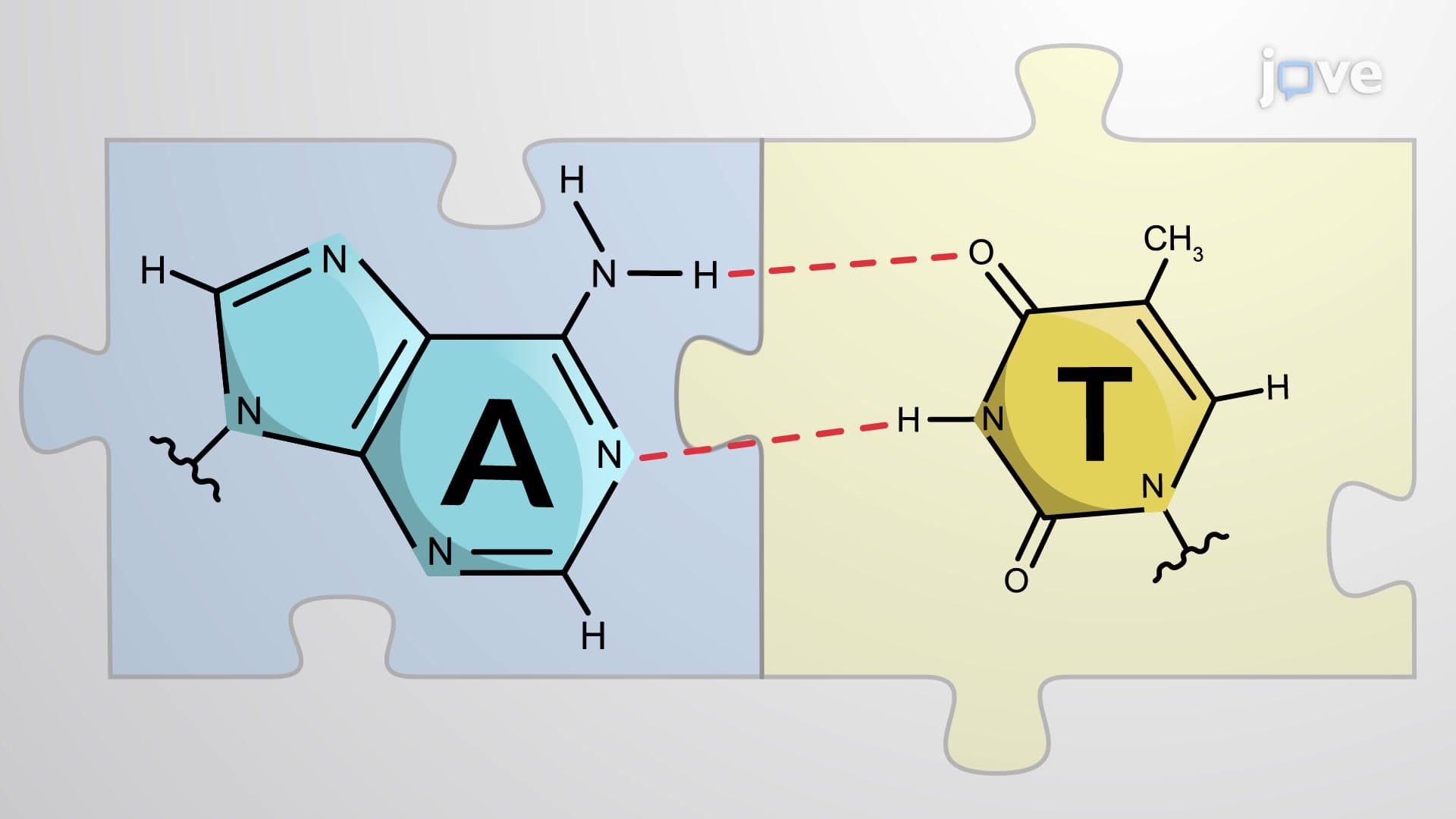
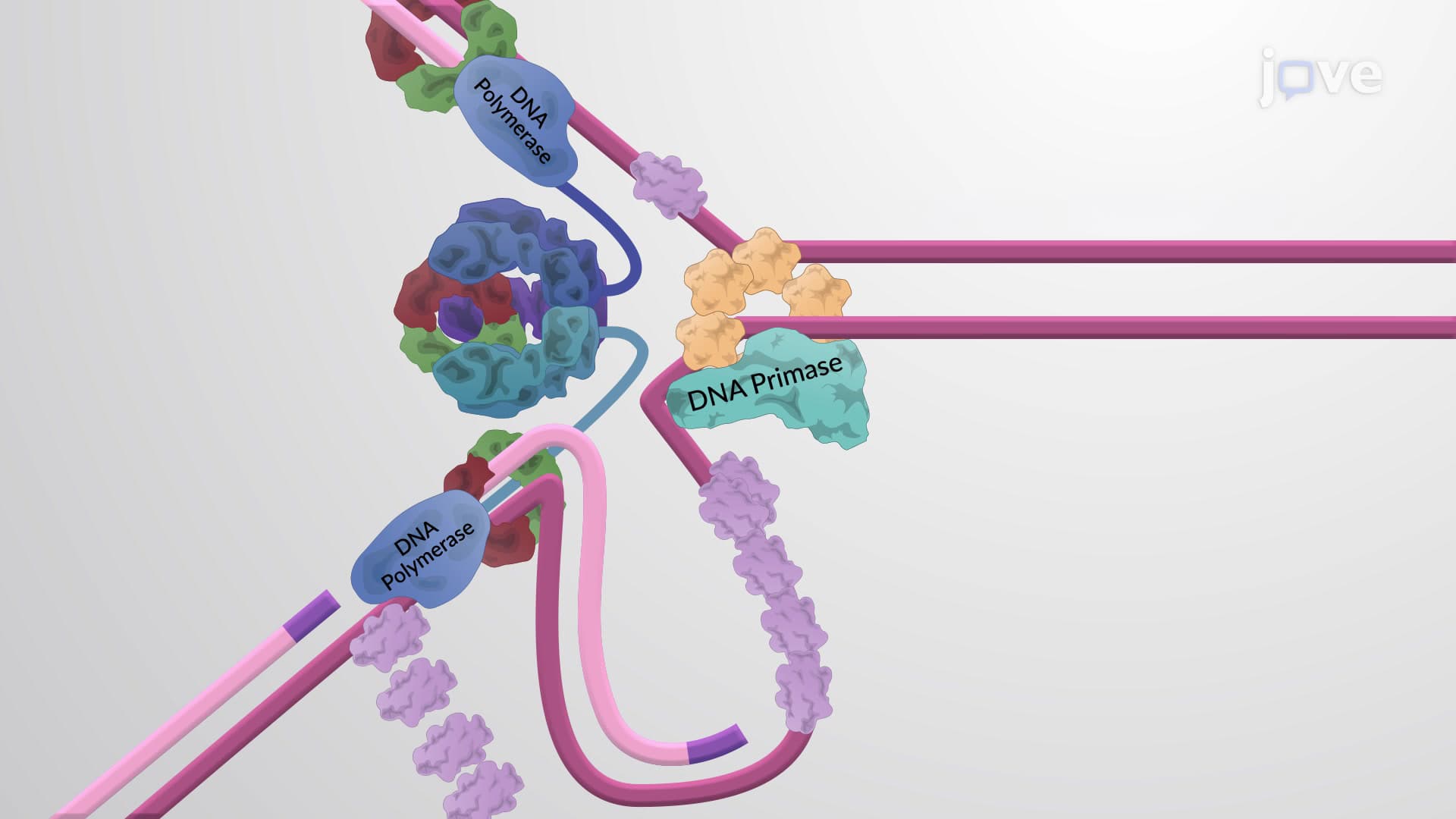
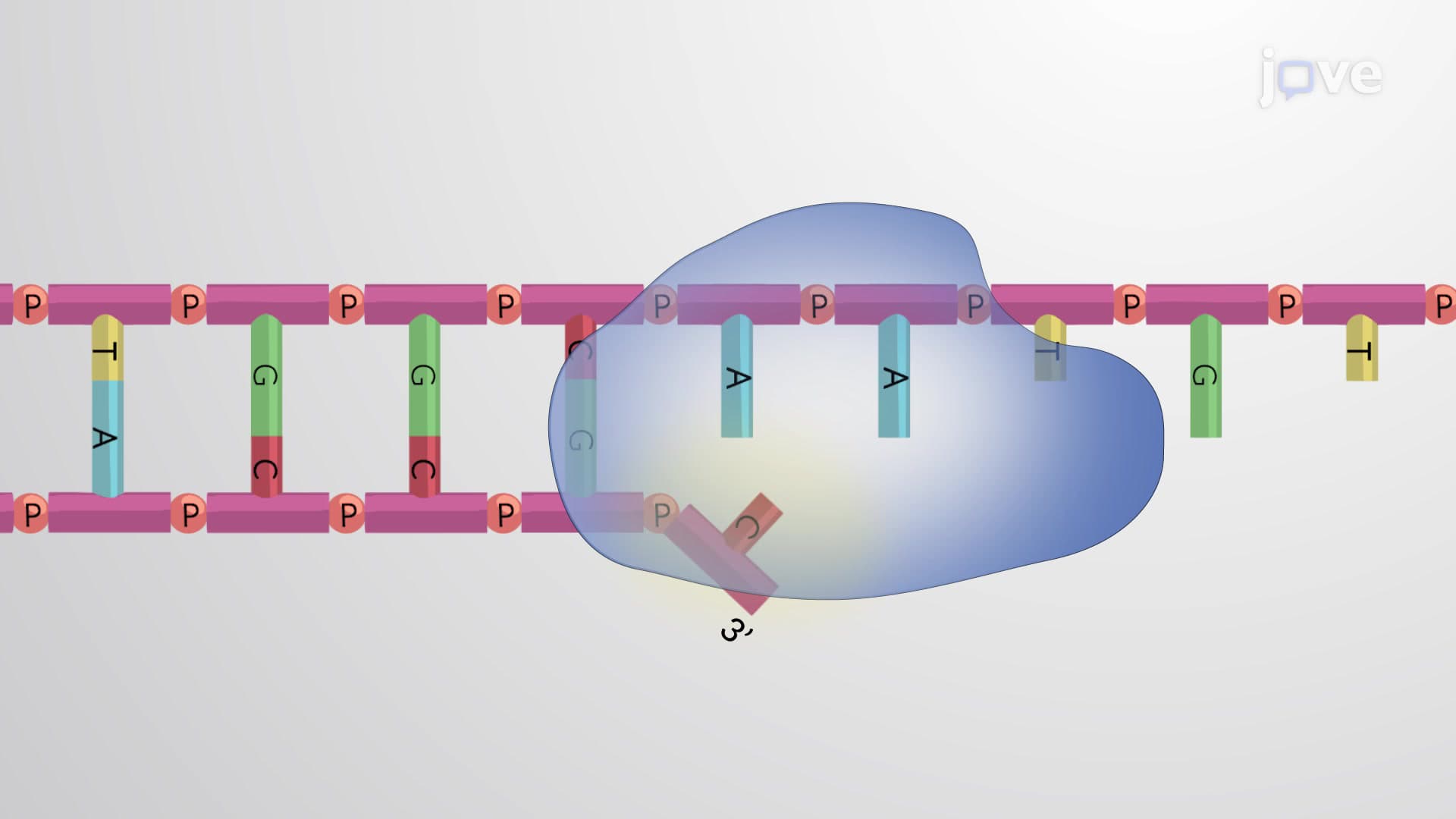
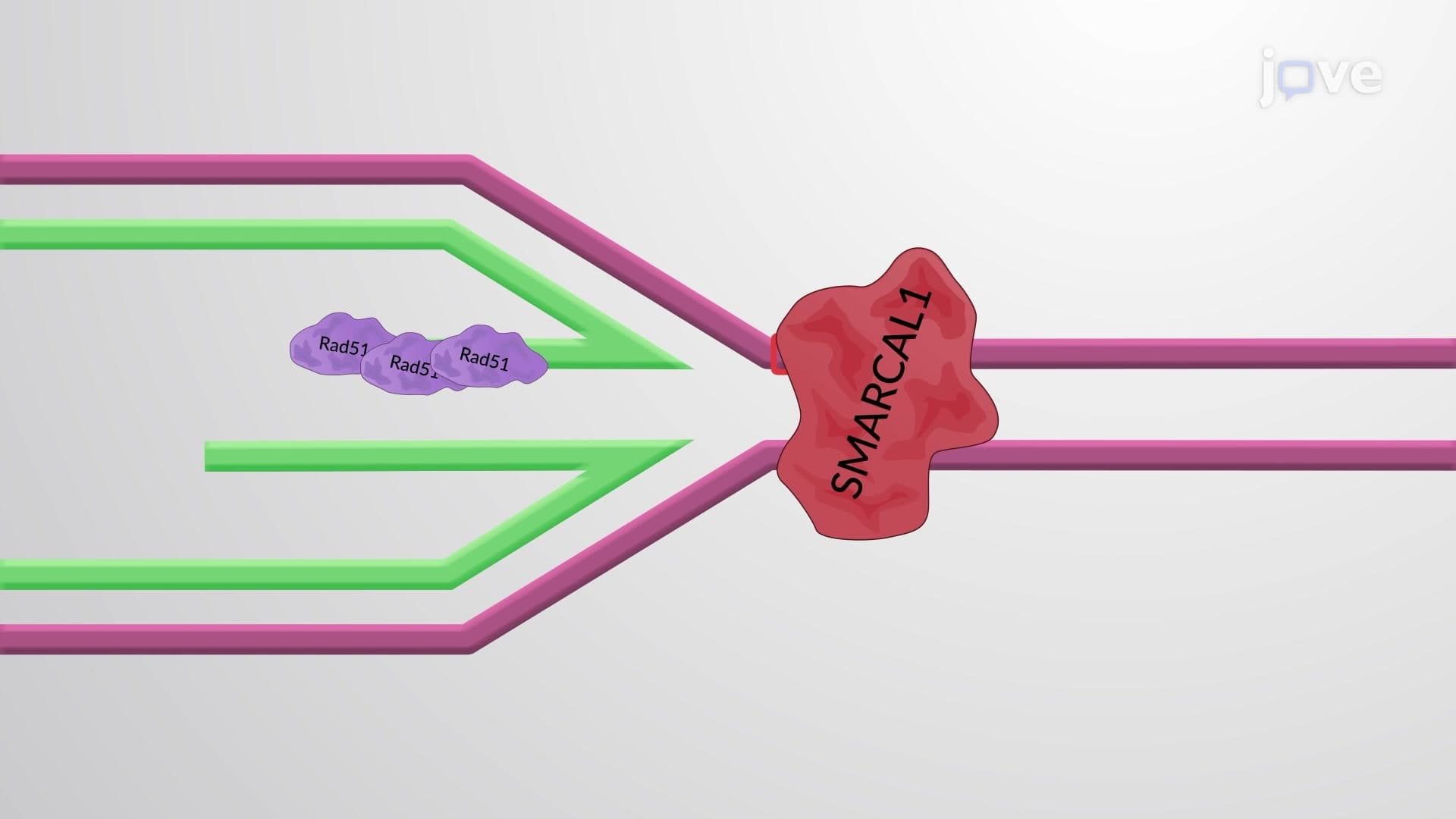
At the replication fork, multiple specialized enzymes work in perfect synchrony. Helicase enzymes act as the "unzippers," breaking hydrogen bonds between base pairs and unwinding the double helix. DNA polymerases serve as the "builders," adding new nucleotides to form complementary strands, but only in the 5' to 3' direction. This directional constraint creates the fork's most distinctive feature: asymmetric synthesis. Single-strand binding proteins stabilize the unwound DNA, while primase creates the RNA primers necessary for polymerase initiation.
Leading vs. Lagging Strand Synthesis
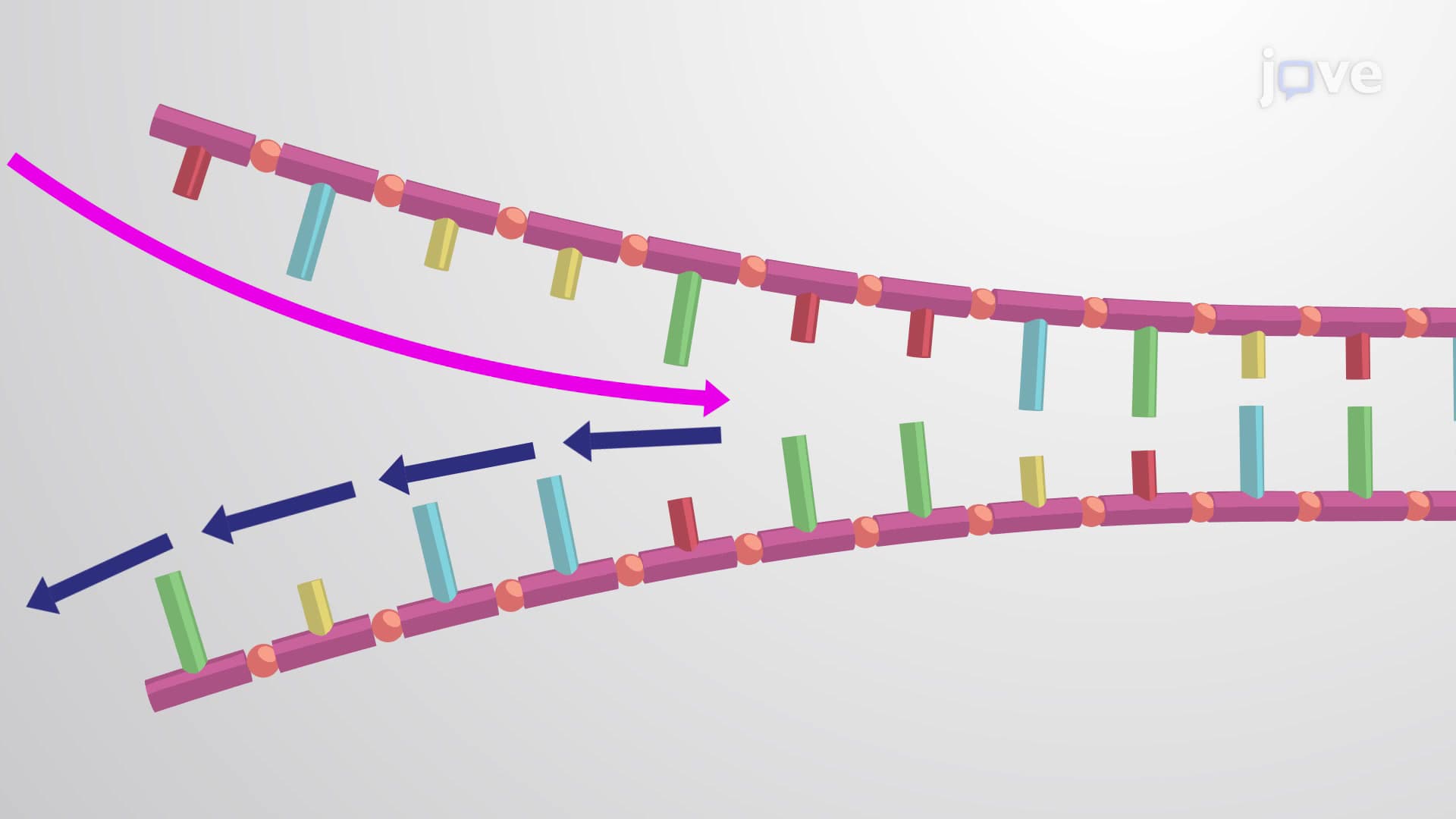
The antiparallel nature of DNA creates a fascinating challenge at the replication fork. The leading strand enjoys continuous synthesis toward the advancing fork, much like writing a sentence from left to right. However, the lagging strand must be synthesized in short, backward segments called Okazaki fragments-imagine trying to write that same sentence by starting at the end and working in small chunks toward the beginning. DNA ligase then "glues" these fragments together, creating a seamless strand. This concept frequently appears on college biochemistry exams and explains why replication is inherently more complex than simple complementary base pairing.
Clinical and Biotechnological Significance
Understanding replication fork dynamics has profound medical implications. Many chemotherapy drugs, including cisplatin used in testicular cancer treatment at institutions like MD Anderson Cancer Center, work by disrupting replication fork progression in rapidly dividing cancer cells. Similarly, the antibiotic ciprofloxacin targets bacterial DNA replication machinery. When replication forks stall due to DNA damage or protein defects, cells may become cancerous-a principle underlying BRCA gene testing for hereditary breast cancer risk assessment.
Frequently Asked Questions
The DNA replication fork is the Y-shaped structure that forms when DNA unwinds during replication, with the two arms representing the separated template strands. This shape naturally results from helicase enzymes progressively breaking hydrogen bonds between base pairs while moving along the double helix. The fork configuration allows simultaneous access to both template strands for new DNA synthesis.
MCAT questions often focus on enzyme functions, directional synthesis, and the molecular basis for leading/lagging strand differences. AP Biology emphasizes the coordination between multiple proteins and how replication fork mechanics ensure fidelity. Both exams may present diagrams requiring identification of replication components or ask students to predict the effects of enzyme inhibition on fork progression.
DNA polymerase can only add nucleotides in the 5' to 3' direction, but the two DNA strands run antiparallel to each other. While one strand (leading) can be synthesized continuously toward the advancing fork, the other strand (lagging) must be synthesized in short segments moving away from the fork direction. This creates the characteristic Okazaki fragment pattern on the lagging strand.
Many chemotherapy drugs specifically target replication fork machinery because cancer cells divide rapidly and depend heavily on DNA synthesis. For example, drugs used at major cancer centers like Memorial Sloan Kettering interfere with replication fork progression, selectively killing fast-dividing cancer cells while sparing slower-dividing healthy cells.
Not at all-the replication fork builds naturally on basic concepts like complementary base pairing and enzyme function that students learn in introductory biology. Starting with the simple analogy of unzipping a zipper makes the molecular details more accessible. Most students successfully master this concept with proper visual aids and step-by-step explanations.
Focus on creating diagrams that show enzyme positions and functions at different fork stages. Practice explaining why leading and lagging strand synthesis differ, and memorize the key enzymes (helicase, polymerase, primase, ligase) and their roles. Many students find success using animation-style study techniques that show fork movement over time.
Replication fork studies have led to improved DNA amplification techniques like PCR, better understanding of genetic engineering limitations, and development of more targeted cancer therapies. Companies like Genentech use replication fork principles when designing biological drug production systems that require precise genetic replication in bacterial or mammalian cell cultures.
Natural next topics include DNA repair mechanisms, cell cycle checkpoints, and how replication errors contribute to mutations. Understanding telomere replication and the end-replication problem builds directly on replication fork concepts. For advanced students, exploring replication fork stalling and restart mechanisms provides deeper insight into genome stability.
Related Micro-courses
18 Concepts

11 Concepts

14 Concepts