Loading subject page…

- Cell Biology
- DNA Replication and Repair
- The Replisome
Micro-course: DNA Replication and Repair
210,025 views
Learn key concepts and earn your certificate.



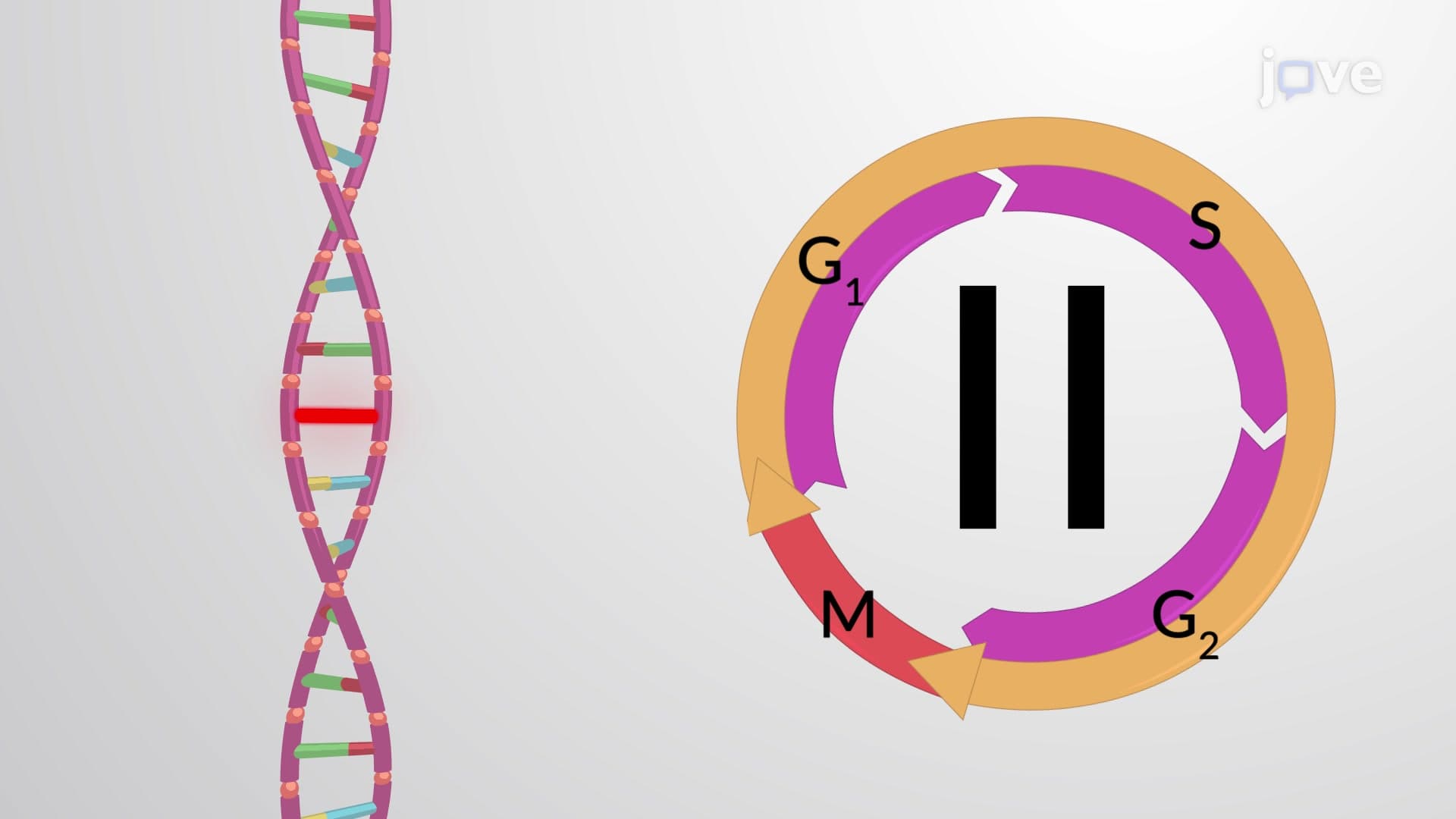
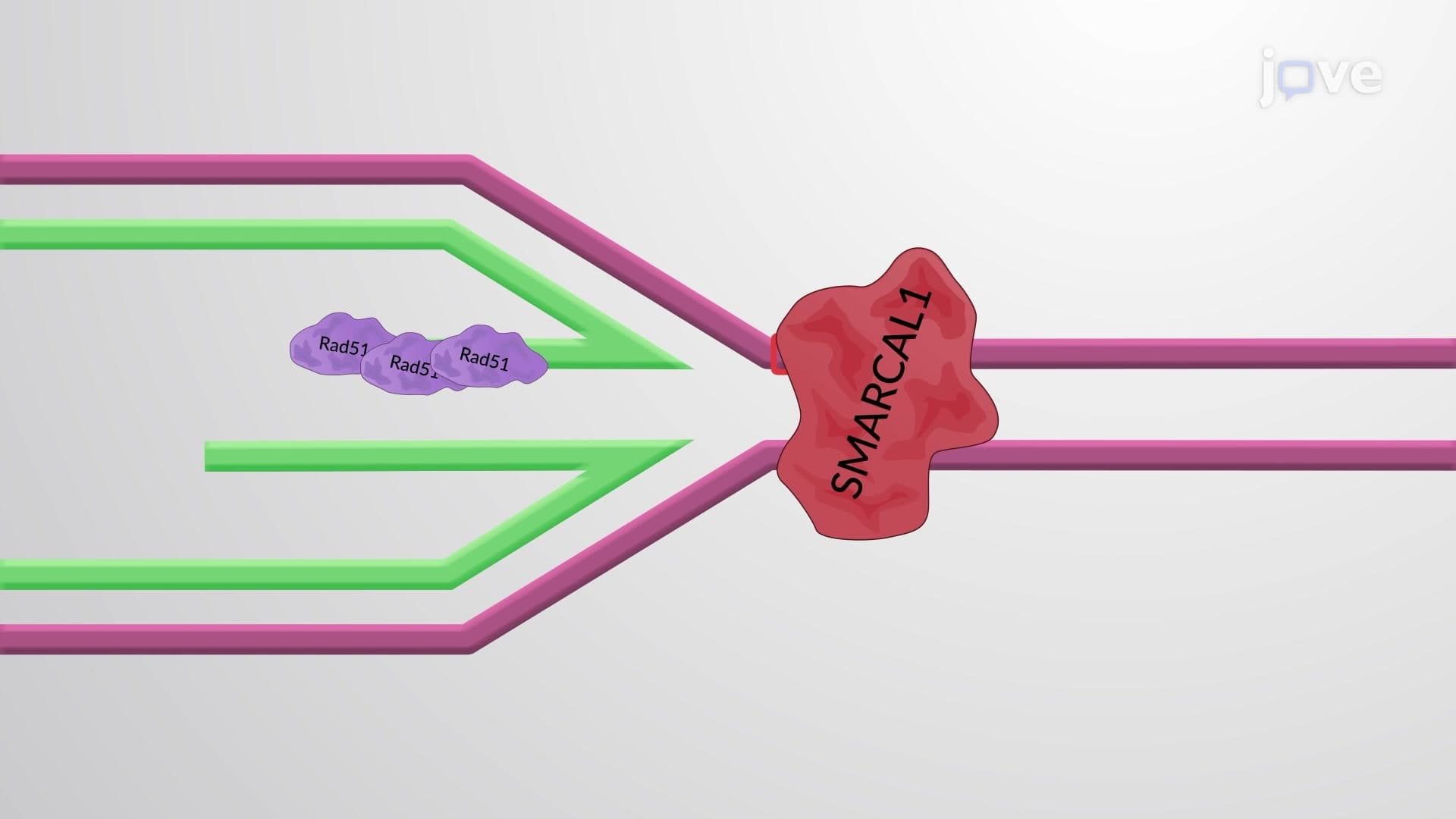
The Replisome

00:00
03:01
Video Summary: What Is the Replisome
Ever wondered how your cells perfectly copy 3 billion DNA base pairs during each cell division without fatal errors? The replisome, a sophisticated molecular machine, orchestrates this remarkable feat by coordinating multiple enzymes to replicate DNA with extraordinary precision. At Johns Hopkins University, researchers study replisome dysfunction in cancer cells to develop targeted therapies. Understanding what is the replisome reveals how life maintains genetic continuity across generations through this intricate cellular process. Watch the full video on JoVE Coach to master this concept with expert-led visuals and step-by-step explanations.
- Understand what is the replisome and its essential role as a multi-protein complex that coordinates DNA replication at the replication fork
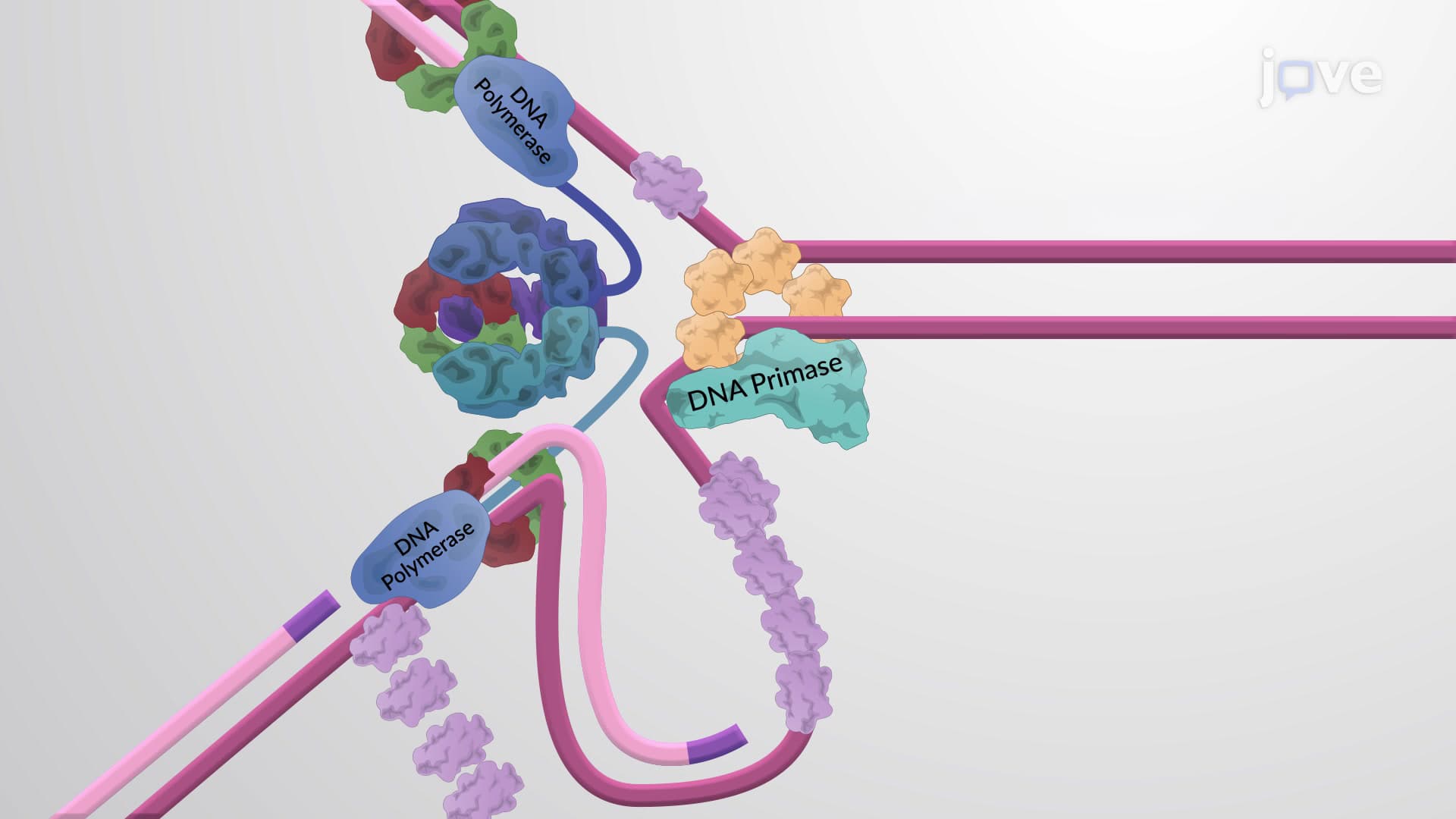
- Identify the key components of the replisome, including DNA helicase, primase, DNA polymerases, sliding clamps, and single-strand binding proteins
- Analyze how the replisome coordinates leading and lagging strand synthesis to ensure efficient and accurate DNA duplication
- Compare the functions of different replisome proteins and their specific contributions to replication fidelity and speed
- Evaluate the consequences of replisome component mutations on cellular function and disease development
- Apply knowledge of replisome mechanics to understand biotechnology applications like PCR and molecular cloning techniques
- Recognize how certain antibiotics and chemotherapy drugs target replisome components to inhibit pathogen or cancer cell replication
- Explore the historical development of replisome research and its impact on modern molecular biology understanding
Understanding the Replisome: A Molecular Assembly Line
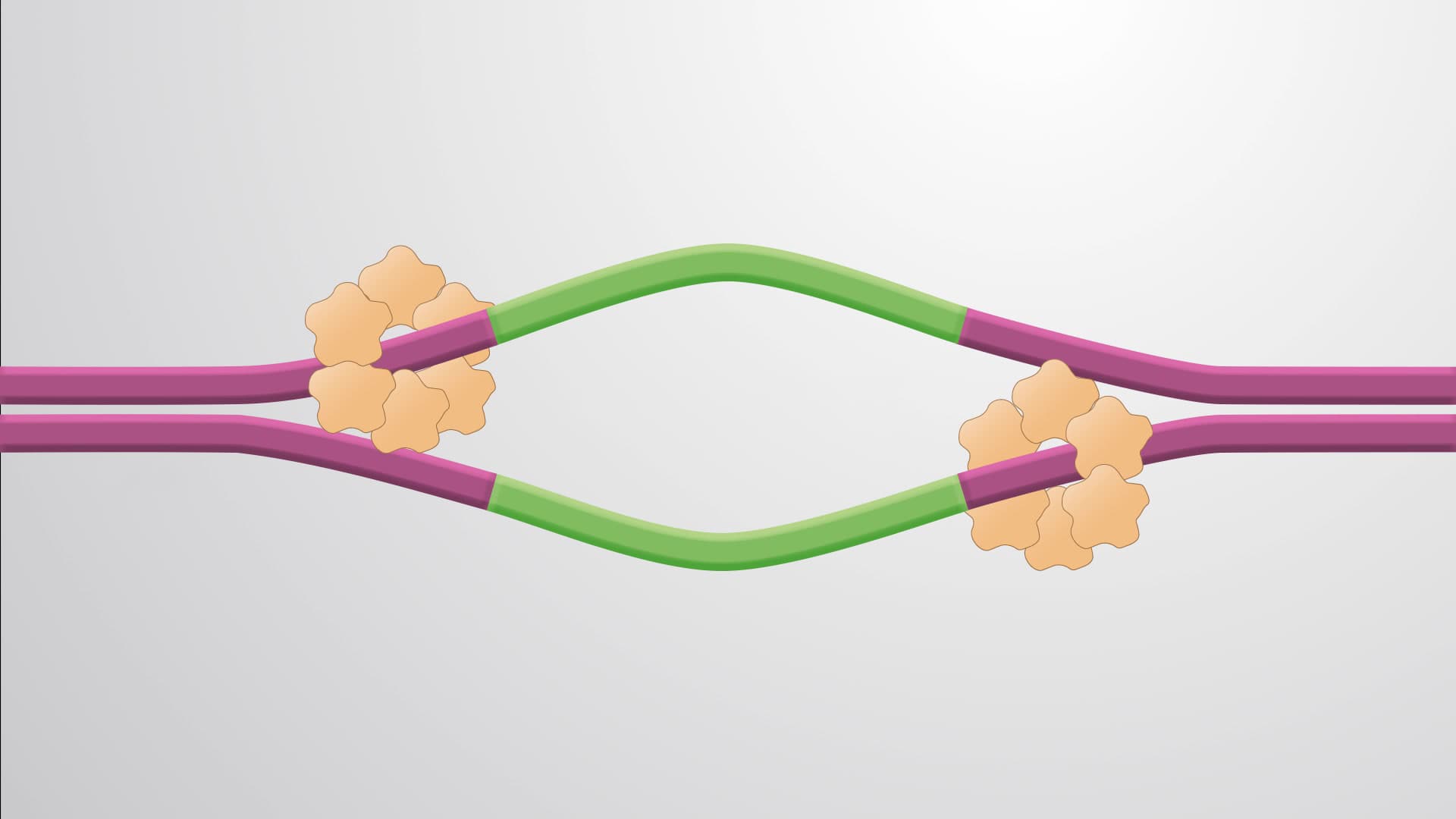
The replisome represents one of biology's most elegant solutions to a complex problem: how to accurately duplicate massive amounts of genetic information rapidly. This multi-protein complex functions like a highly coordinated assembly line, with each component performing specialized tasks while maintaining perfect synchronization. Unlike simple enzyme reactions, the replisome definition explained reveals a dynamic system that adapts to challenges and maintains genome integrity across billions of cell divisions.
Core Components and Their Coordinated Functions
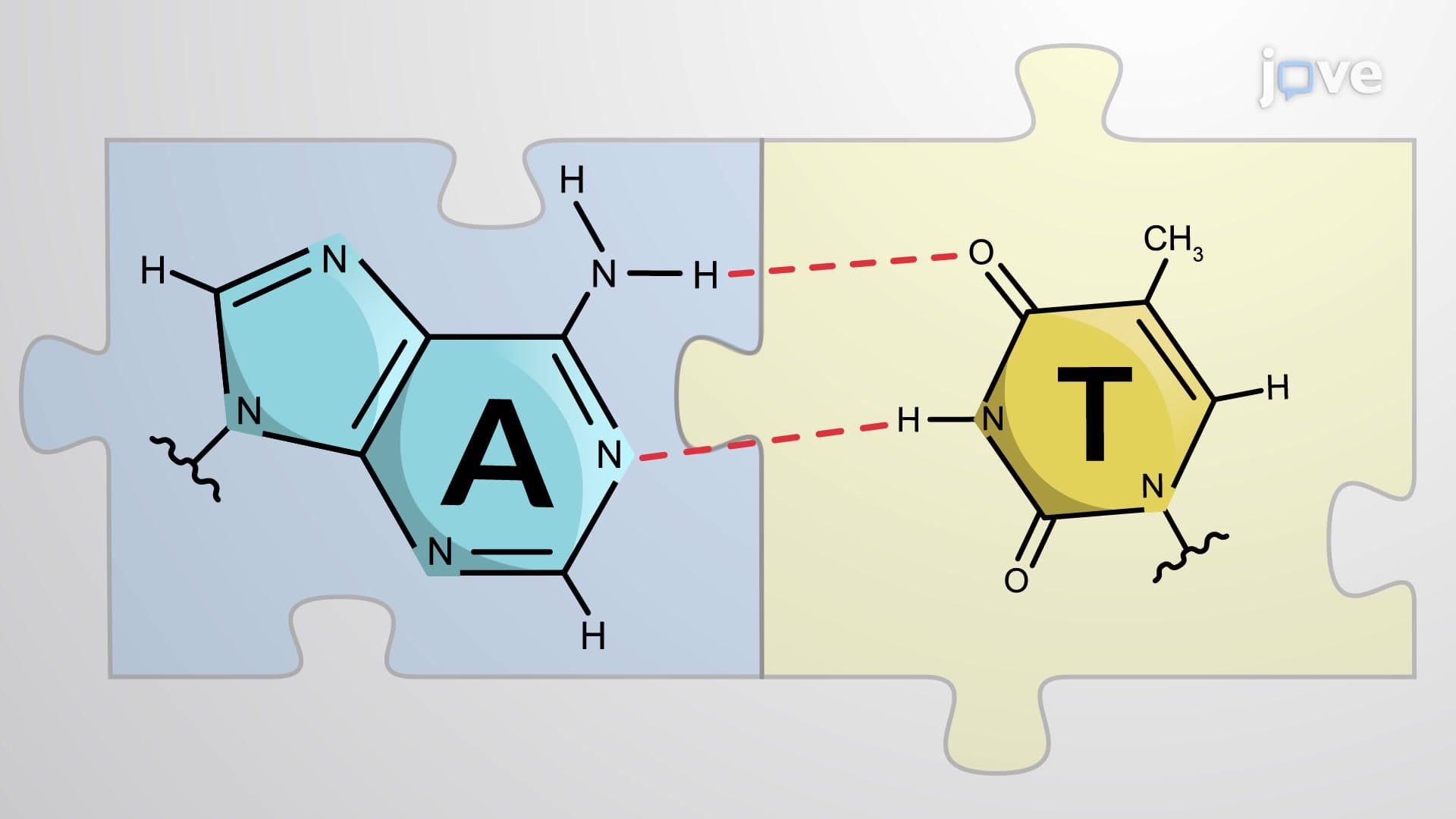
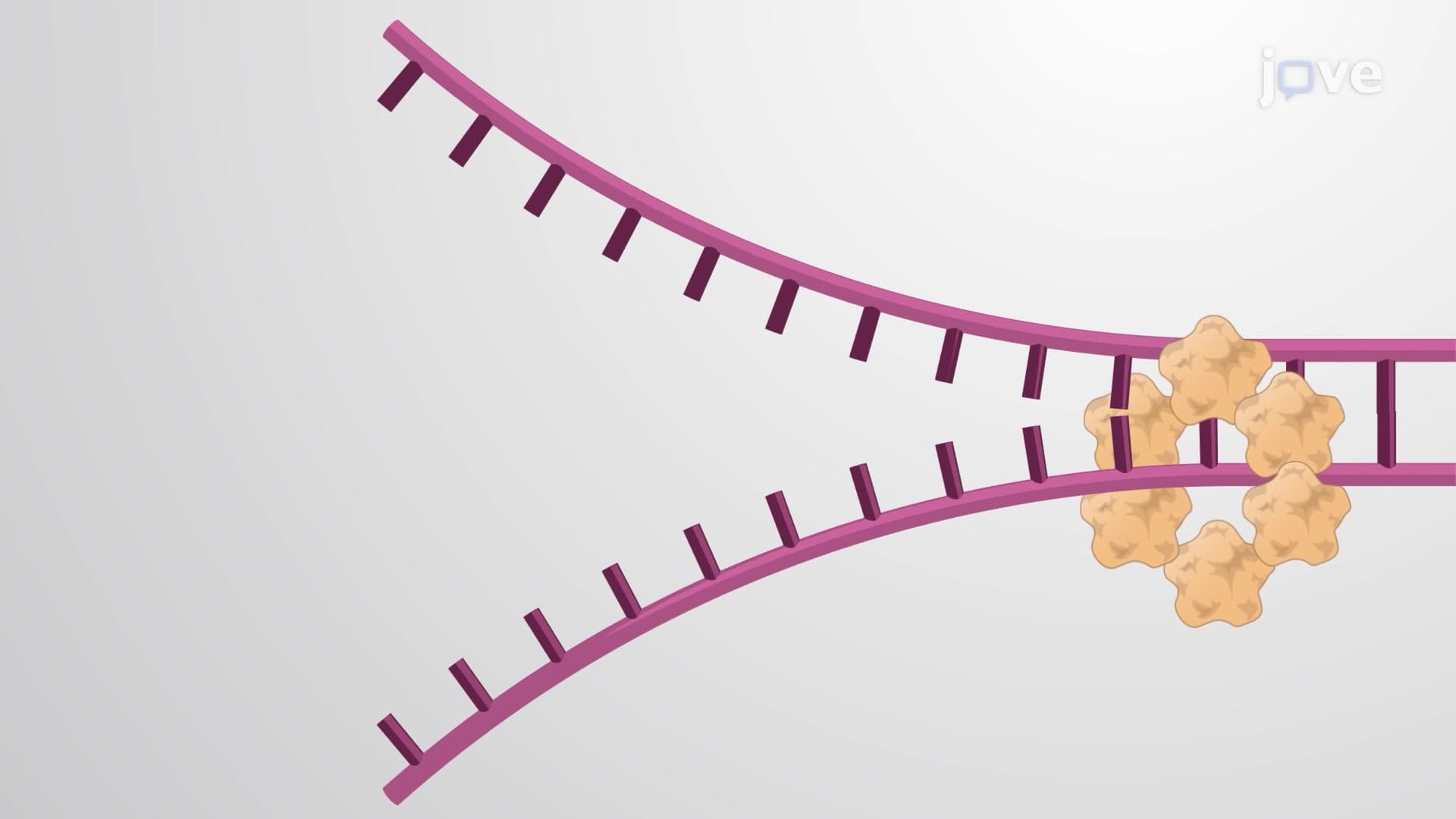
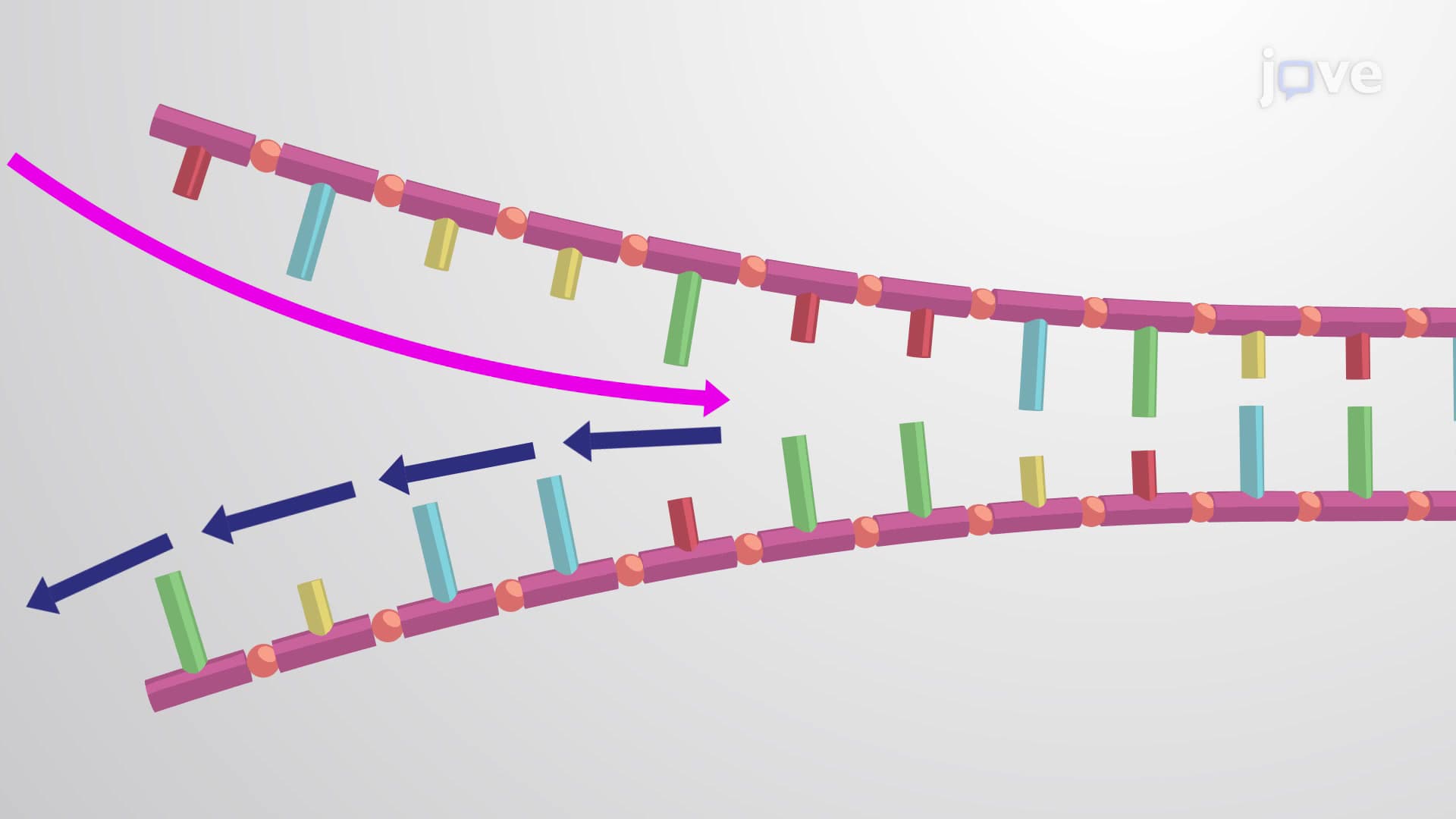
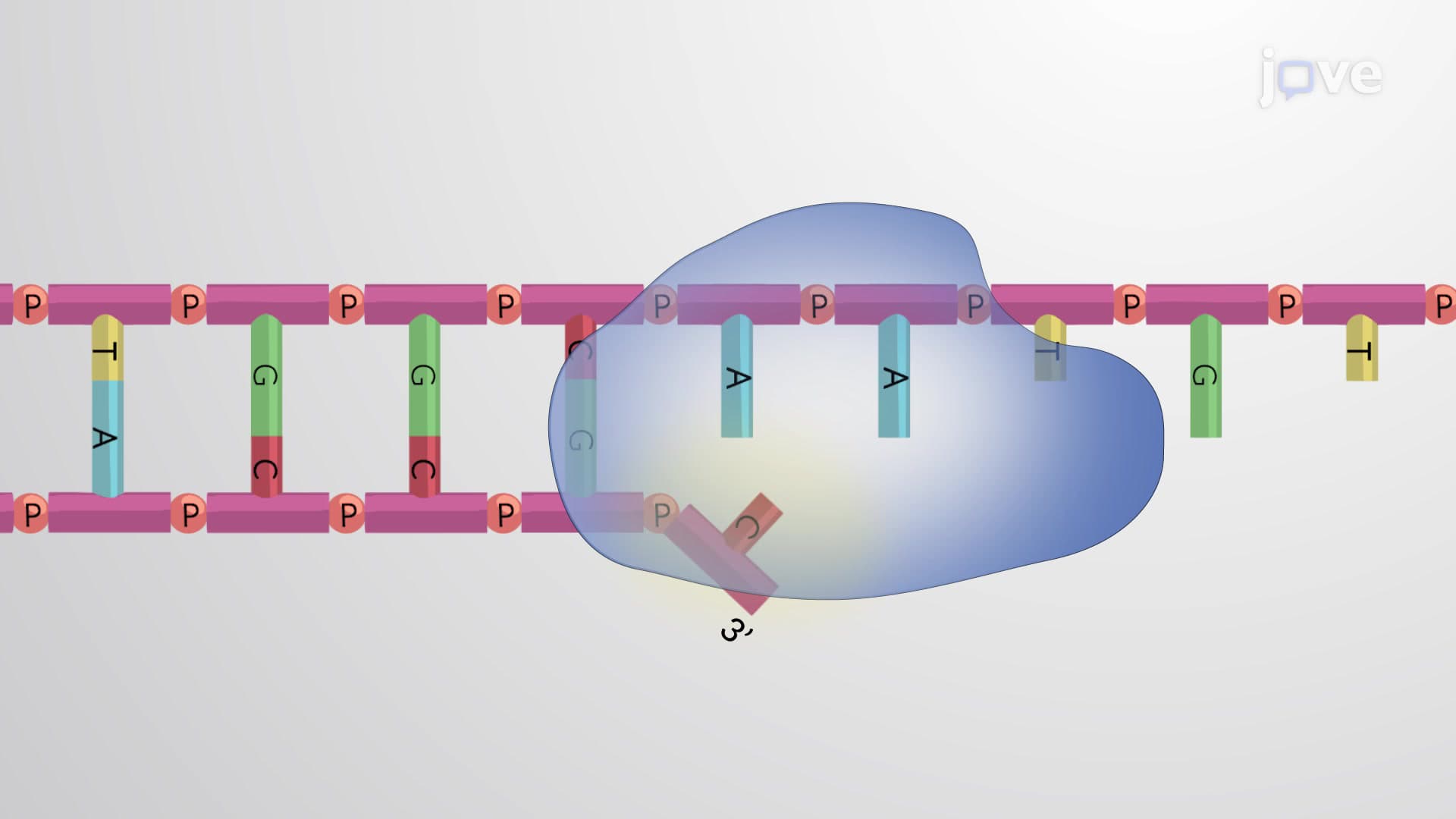
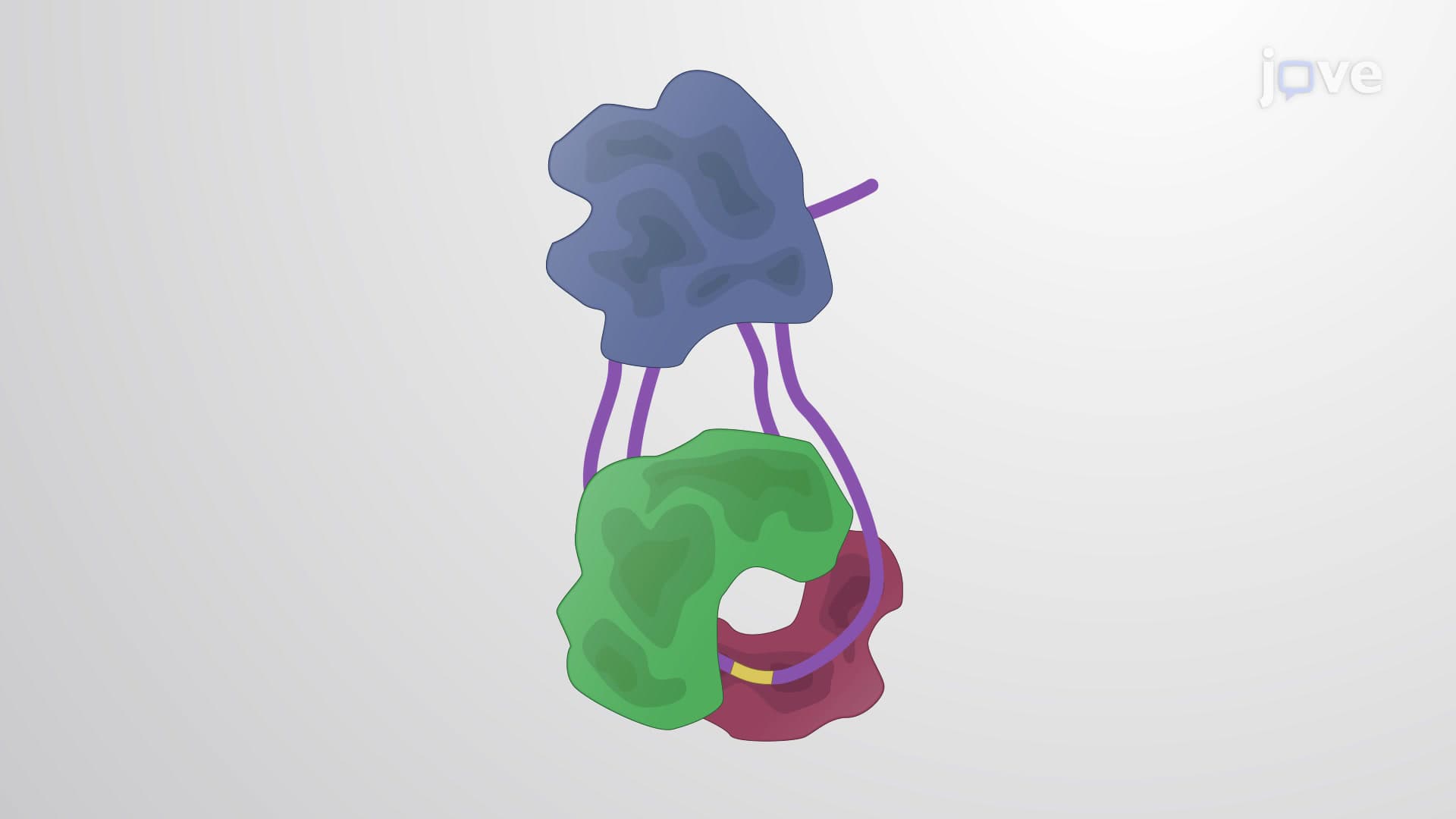
The replisome overview demonstrates remarkable molecular engineering. DNA helicase acts as the "motor," unwinding the double helix by breaking hydrogen bonds between base pairs. Primase synthesizes short RNA primers, providing the 3'-OH groups that DNA polymerases require to begin synthesis. The leading strand polymerase works continuously, while lagging strand synthesis occurs discontinuously, creating Okazaki fragments that are later joined.
Single-strand binding proteins prevent unwound DNA from reannealing, while sliding clamps dramatically increase polymerase processivity-the number of nucleotides added before dissociation. This coordination ensures replication rates of approximately 750 nucleotides per second in humans, with error rates below one in 10 billion base pairs.
Clinical and Research Applications
Understanding the replisome concept explained has revolutionized medicine and biotechnology. At the National Cancer Institute, researchers target replisome components like DNA polymerase α in cancer therapy. Drugs like aphidicolin specifically inhibit replicative polymerases, preferentially affecting rapidly dividing cancer cells over normal cells.
In biotechnology, PCR (polymerase chain reaction) exploits thermostable DNA polymerases derived from replisome studies. Companies like Thermo Fisher Scientific manufacture these enzymes for research applications across universities and pharmaceutical companies nationwide.
Exam Relevance and Study Applications
The replisome study guide topics frequently appear on major examinations. AP Biology students encounter replisome questions in the "Heredity" unit, particularly regarding semi-conservative replication mechanisms. MCAT test-takers must understand replisome dysfunction in cancer for biochemistry and biology sections. College students in molecular biology courses analyze replisome mutations in problem sets and laboratory exercises.
Understanding replisome notes helps students connect DNA structure to cellular processes, bridging chemistry and biology concepts essential for pre-med and biotechnology career paths.
Frequently Asked Questions
The replisome is a multi-protein complex that coordinates DNA replication at replication forks, ensuring accurate and efficient genome duplication. It's essential because individual replication enzymes couldn't achieve the speed and accuracy required for cellular survival. The replisome integrates helicase unwinding, primer synthesis, and DNA polymerization into one coordinated process that maintains genetic fidelity across generations.
MCAT questions often focus on replisome component functions and their roles in cancer development, particularly in biochemistry passages. AP Biology typically tests replisome mechanics in multiple-choice questions about semi-conservative replication and in free-response questions requiring detailed explanations of DNA synthesis coordination. Students should understand both the molecular mechanisms and their broader biological significance.
DNA helicase, primase, and DNA polymerases are frequently tested because they represent the core catalytic activities. Professors often ask students to predict replication outcomes when specific components are mutated or inhibited. Understanding sliding clamp function and single-strand binding protein roles also appears in advanced coursework and laboratory practicals.
Pharmaceutical companies like Pfizer and Merck develop cancer drugs targeting replisome components, exploiting cancer cells' dependence on rapid DNA replication. At medical centers like Mayo Clinic, oncologists use replisome-targeting therapies for various cancers. Additionally, antibiotic development targets bacterial replisome proteins to create pathogen-specific treatments without affecting human cell replication.
Basic organic chemistry understanding helps, but replisome concepts are accessible with high school chemistry background. Focus on hydrogen bonding, phosphodiester bond formation, and enzyme-substrate interactions rather than complex mechanisms. Most introductory courses emphasize biological function over detailed chemical structures, making replisome study manageable for students with diverse academic preparations.
Create functional mnemonics linking each protein to its role: "Helicase Helps Unwind, Primase Primes synthesis, Polymerases Proceed systematically." Practice drawing replication fork diagrams repeatedly, labeling components and their functions. Use active recall by explaining replisome coordination out loud, then checking your understanding against authoritative sources.
Replisome knowledge bridges DNA structure, enzyme kinetics, and cell cycle regulation. It connects to transcription machinery similarities, DNA repair mechanisms, and cancer biology. Understanding replisome function provides foundation for studying viral replication, genetic engineering techniques, and pharmaceutical drug design, making it a cornerstone concept for advanced molecular biology studies.
Related Micro-courses
18 Concepts

11 Concepts

14 Concepts