Loading subject page…

- Cell Biology
- Embryonic and Induced Pluripotent Stem Cells
- Somatic to iPS Cell Reprogramming
Micro-course: Embryonic and Induced Pluripotent Stem Cells
23,900 views
Learn key concepts and earn your certificate.



Somatic to iPS Cell Reprogramming


00:00
01:29
Video Summary: Somatic to Ips Cell Reprogramming Explained
Did you know scientists can essentially "rewind" adult skin cells back to an embryonic-like state? Somatic to ips cell reprogramming transforms ordinary body cells into powerful stem cells using just four key genetic factors. Researchers at Stanford University have used this breakthrough technology to create patient-specific stem cells for studying diseases like Parkinson's and diabetes. This revolutionary process, known as Somatic To Ips Cell Reprogramming Explained, opens doors to personalized medicine and regenerative therapies. Watch the full video on JoVE Coach to master this concept with expert-led visuals and step-by-step explanations.
- Understand the fundamental mechanism behind Somatic To Ips Cell Reprogramming Explained and identify the four essential transcription factors required
- Analyze how Oct4, Sox2, Klf4, and c-Myc work together to reprogram adult cells into pluripotent stem cells
- Evaluate the role of viral vectors in delivering reprogramming factors to somatic cells effectively
- Compare the functions of each transcription factor, from c-Myc's proliferation promotion to Nanog's self-renewal regulation
- Apply knowledge of chromatin remodeling and gene expression changes that occur during cellular reprogramming
- Recognize the metabolic and cytoskeletal transformations that enable pluripotency acquisition
- Explore the clinical applications and therapeutic potential of induced pluripotent stem cells in regenerative medicine
- Identify the multi-generational process required to achieve complete cellular reprogramming
Understanding Somatic To Ips Cell Reprogramming at the Molecular Level
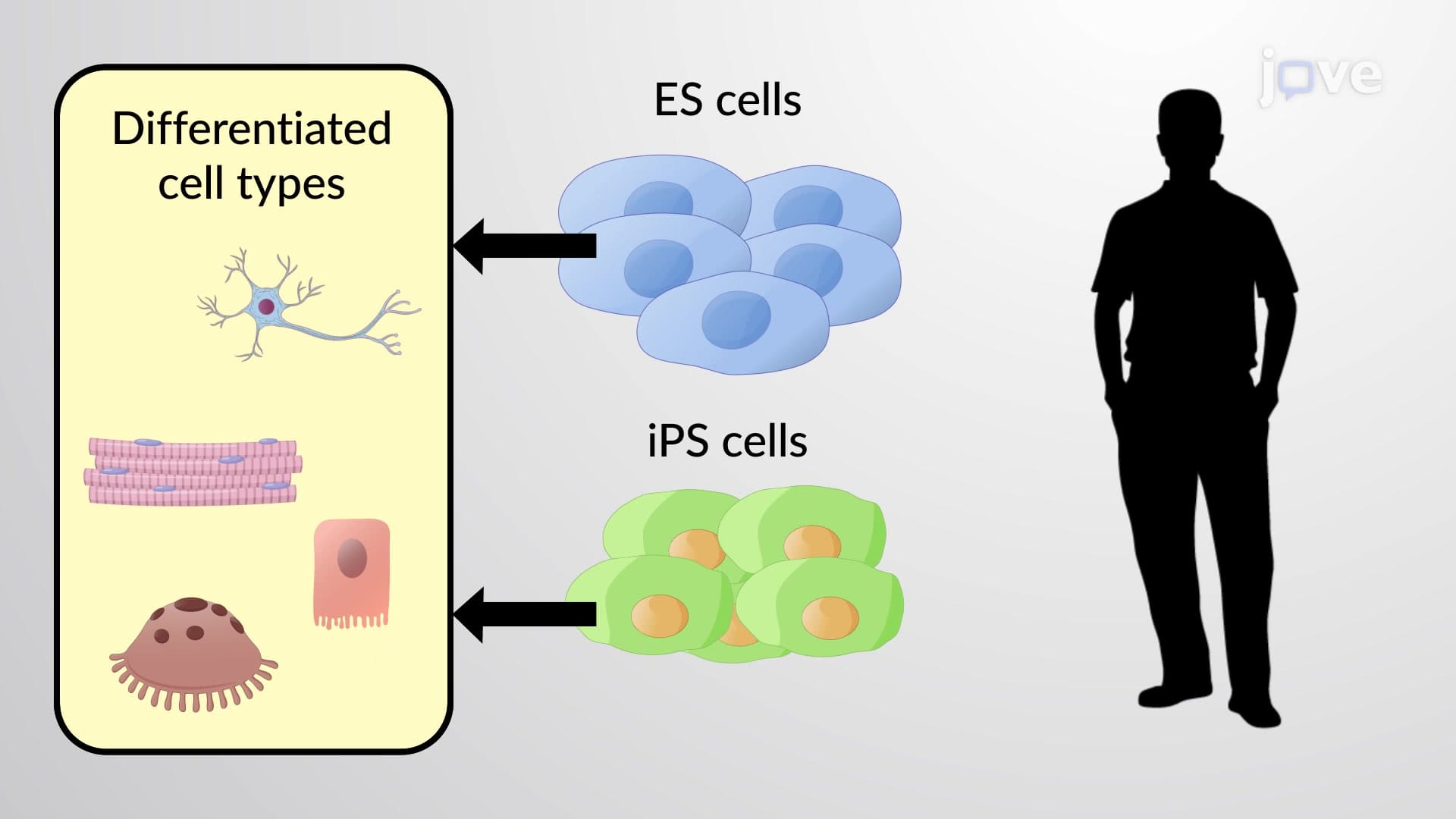
Somatic to ips cell reprogramming represents one of the most significant breakthroughs in stem cell biology, earning Shinya Yamanaka the 2012 Nobel Prize in Physiology or Medicine. This process transforms specialized adult cells-like skin fibroblasts or blood cells-into induced pluripotent stem (iPS) cells that can theoretically become any cell type in the human body.
The Four Transcription Factor Orchestra
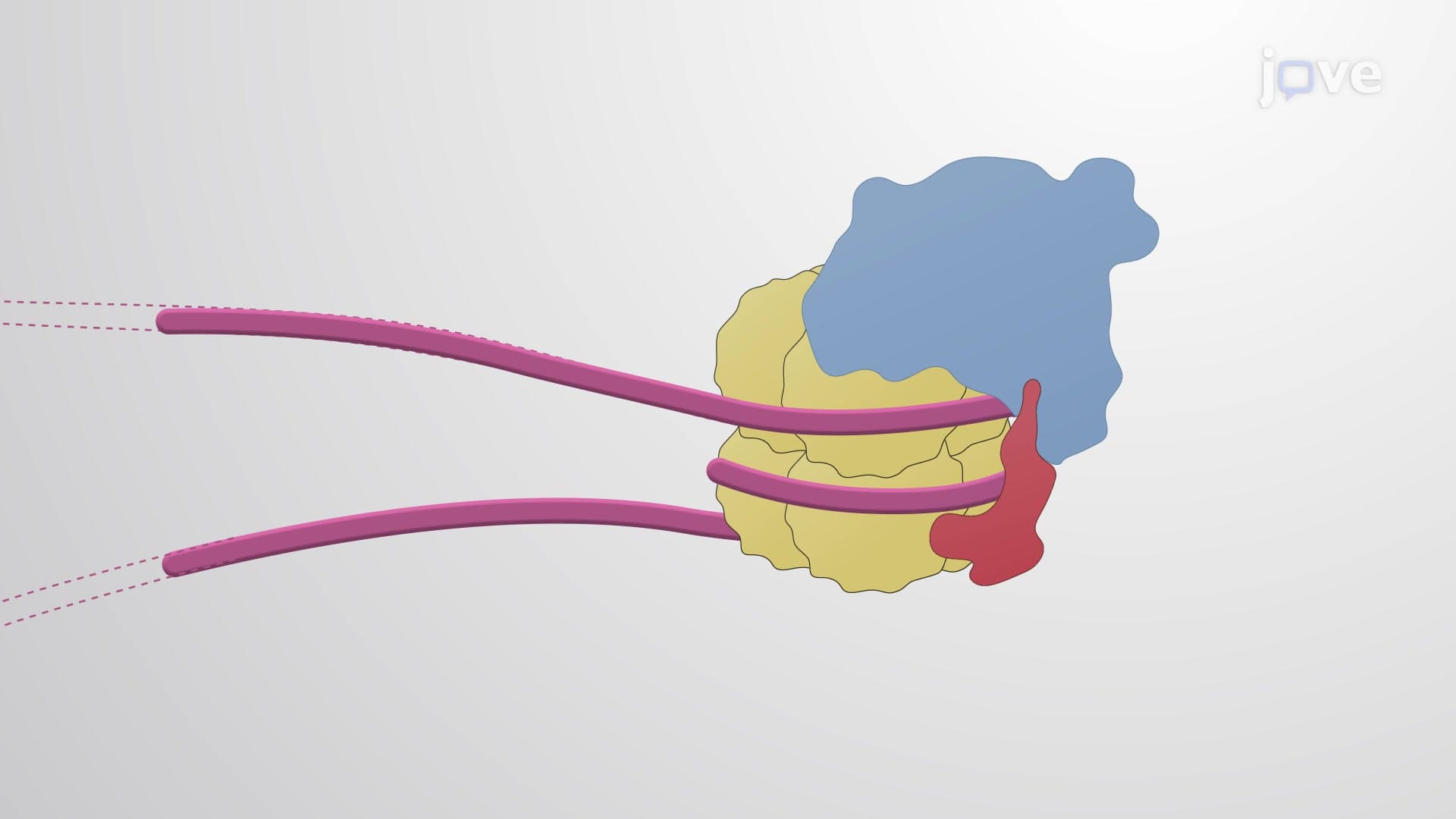
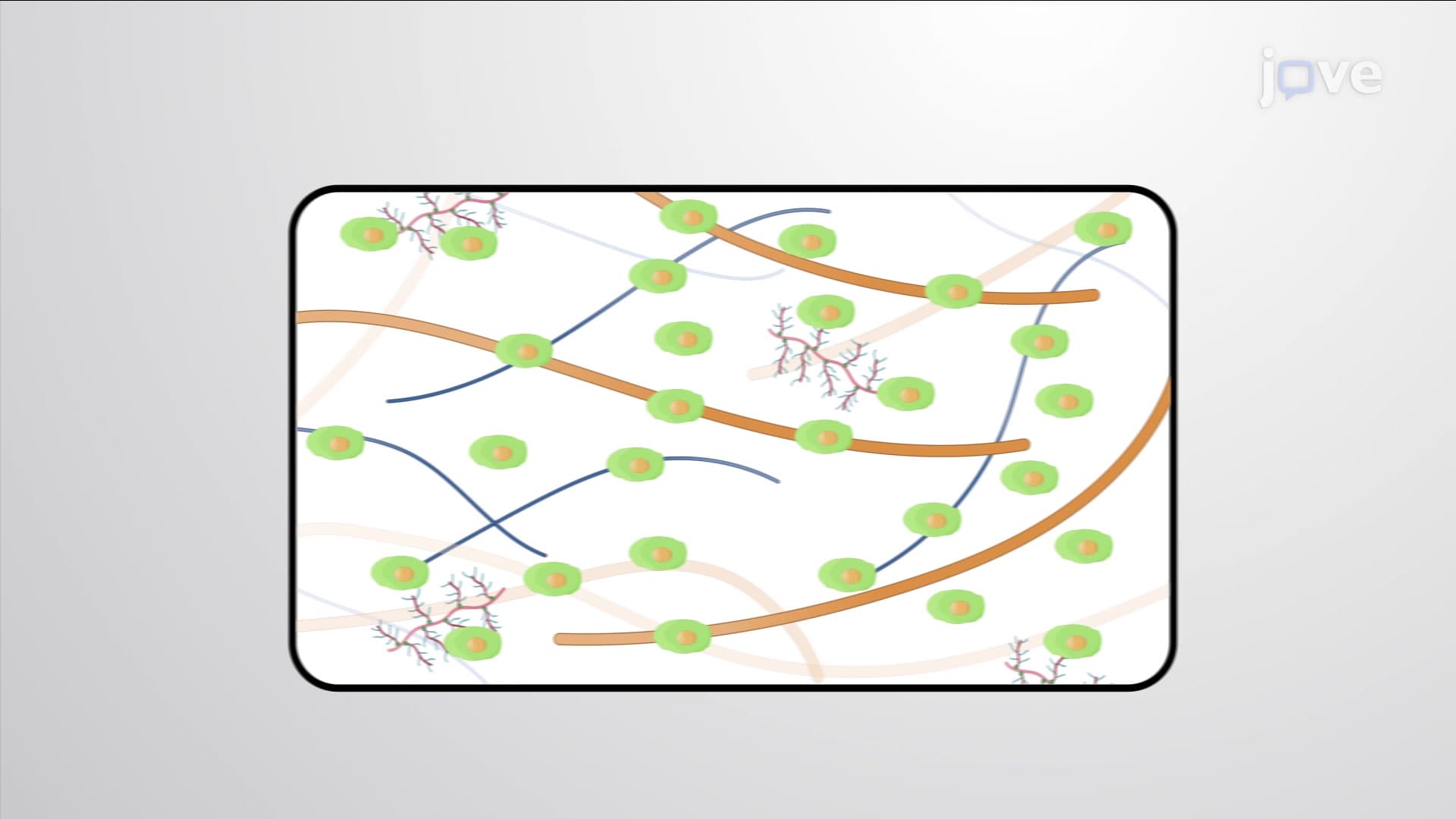
The reprogramming process relies on four master regulatory proteins, often called the "Yamanaka factors": Oct4, Sox2, Klf4, and c-Myc. Each factor plays a distinct but coordinated role in cellular transformation. c-Myc acts as the cellular accelerator, promoting rapid cell division and reorganizing chromatin structure to make DNA more accessible. This chromatin remodeling is crucial because it allows the other three factors to access and regulate genes that were previously silenced in differentiated cells.
Oct4 and Sox2 function as the core pluripotency gatekeepers, working together with Klf4 to activate Nanog, a critical transcription factor for stem cell self-renewal. These three factors-Oct4, Sox2, and Nanog-form what scientists call the "pluripotency trinity," directly regulating over 300 genes involved in maintaining stemness while simultaneously repressing genes that promote cellular specialization.
Cellular Transformation Process and Timeline
The reprogramming journey spans several cell generations, typically taking 2-4 weeks in laboratory conditions. During this time, cells undergo dramatic metabolic shifts, switching from oxidative phosphorylation (typical of differentiated cells) to glycolysis (characteristic of stem cells). The cytoskeleton also remodels extensively, with cells becoming smaller and more spherical-morphological changes that reflect their return to an embryonic-like state.
Clinical Applications and Research Impact
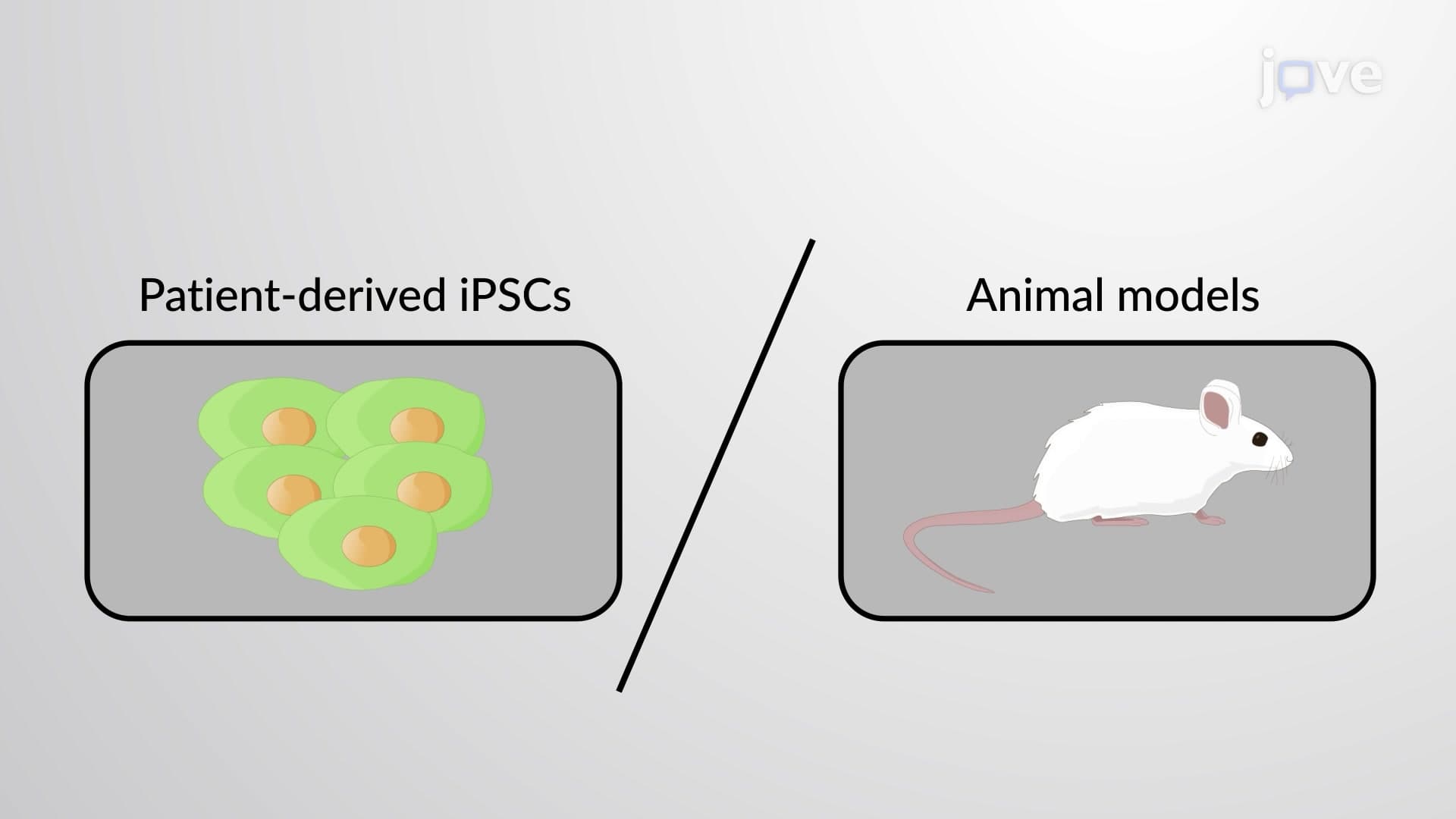
US research institutions like Harvard Medical School and the University of California system have pioneered iPS cell applications for disease modeling and drug discovery. For example, researchers can now create heart muscle cells from patients with genetic cardiomyopathies, allowing for personalized drug testing. This technology is particularly relevant for students preparing for advanced biology courses, AP Biology, or pre-med tracks, as it bridges fundamental molecular biology concepts with cutting-edge medical applications that frequently appear on the MCAT and in undergraduate cell biology curricula.
Frequently Asked Questions
Somatic to ips cell reprogramming is the process of converting adult body cells back into pluripotent stem cells using four specific transcription factors. This groundbreaking technique allows scientists to create patient-specific stem cells without using embryos, opening new possibilities for regenerative medicine, disease modeling, and personalized drug testing.
The four essential factors are Oct4, Sox2, Klf4, and c-Myc, collectively known as the Yamanaka factors. Oct4 and Sox2 maintain pluripotency, Klf4 prevents cell aging while promoting stem cell characteristics, and c-Myc accelerates cell division and reorganizes chromatin to facilitate gene expression changes.
This topic frequently appears in MCAT Cell and Molecular Biology sections and AP Biology Unit 6 (Gene Expression and Regulation). Expect questions about transcription factor functions, viral vector delivery methods, chromatin remodeling, and ethical advantages over embryonic stem cells. Focus on understanding the molecular mechanisms rather than memorizing factor names.
US pharmaceutical companies and research hospitals use iPS cells to model diseases like Alzheimer's, diabetes, and heart disease using patients' own cells. The FDA has approved clinical trials using iPS-derived cells for treating macular degeneration and Parkinson's disease, with companies like Fate Therapeutics leading commercialization efforts.
While the molecular details are complex, the basic concept is accessible with a solid foundation in cell biology and gene expression. Start by understanding what transcription factors do, then learn how viral vectors work, and finally explore how these elements combine to reprogram cells-breaking it into steps makes it much more manageable.
Create a flowchart showing the reprogramming timeline, from viral infection to pluripotency acquisition. Practice drawing the interaction between the four factors and their target genes. Focus on understanding cause-and-effect relationships rather than memorizing isolated facts, as exam questions often test process comprehension and experimental design.
Complete reprogramming typically requires 2-4 weeks and multiple cell divisions. The process isn't immediate because cells must gradually silence their original gene expression programs while activating new pluripotency networks. This timeline reflects the fundamental challenge of erasing cellular "memory" and establishing new developmental potential.
Explore directed differentiation protocols that convert iPS cells into specific cell types like neurons or cardiomyocytes. Understanding both reprogramming and differentiation provides a complete picture of stem cell biology and prepares you for advanced topics in regenerative medicine and tissue engineering that are increasingly important in biomedical careers.
Related Micro-courses
15 Concepts

12 Concepts
22 Concepts